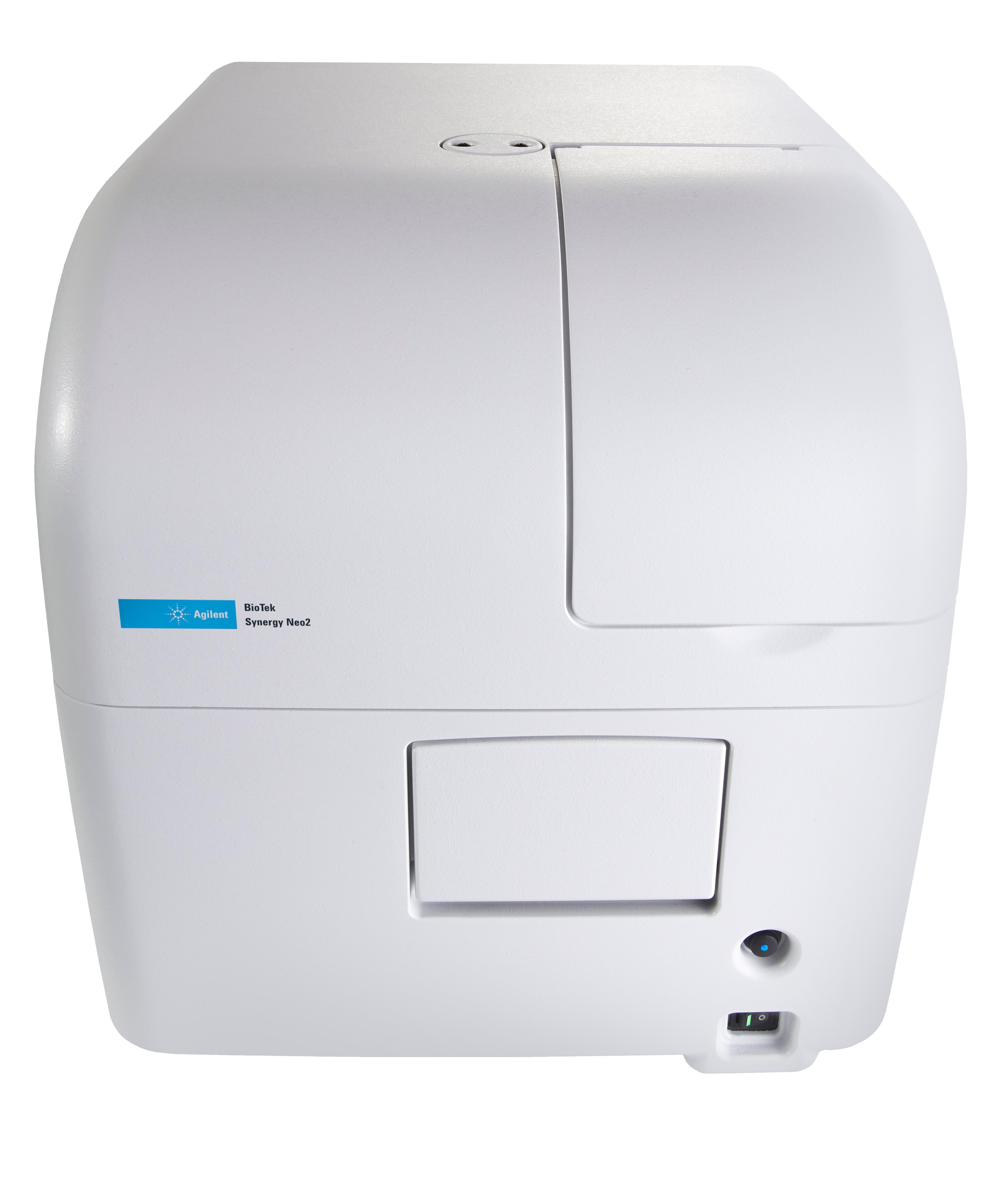
How-to-buy eBookLife Sciences

How to Buy Microplate Readers

31 Mar 2025

Matilde Marques, Life Sciences Assistant Editor
Matilde Marques
Assistant Editor

This essential guide provides you with all the information you need to make the right decisions when investing in a microplate reader. Learn about key factors and application considerations for your lab needs. Plus, read reviews from your peers to help you buy with confidence.
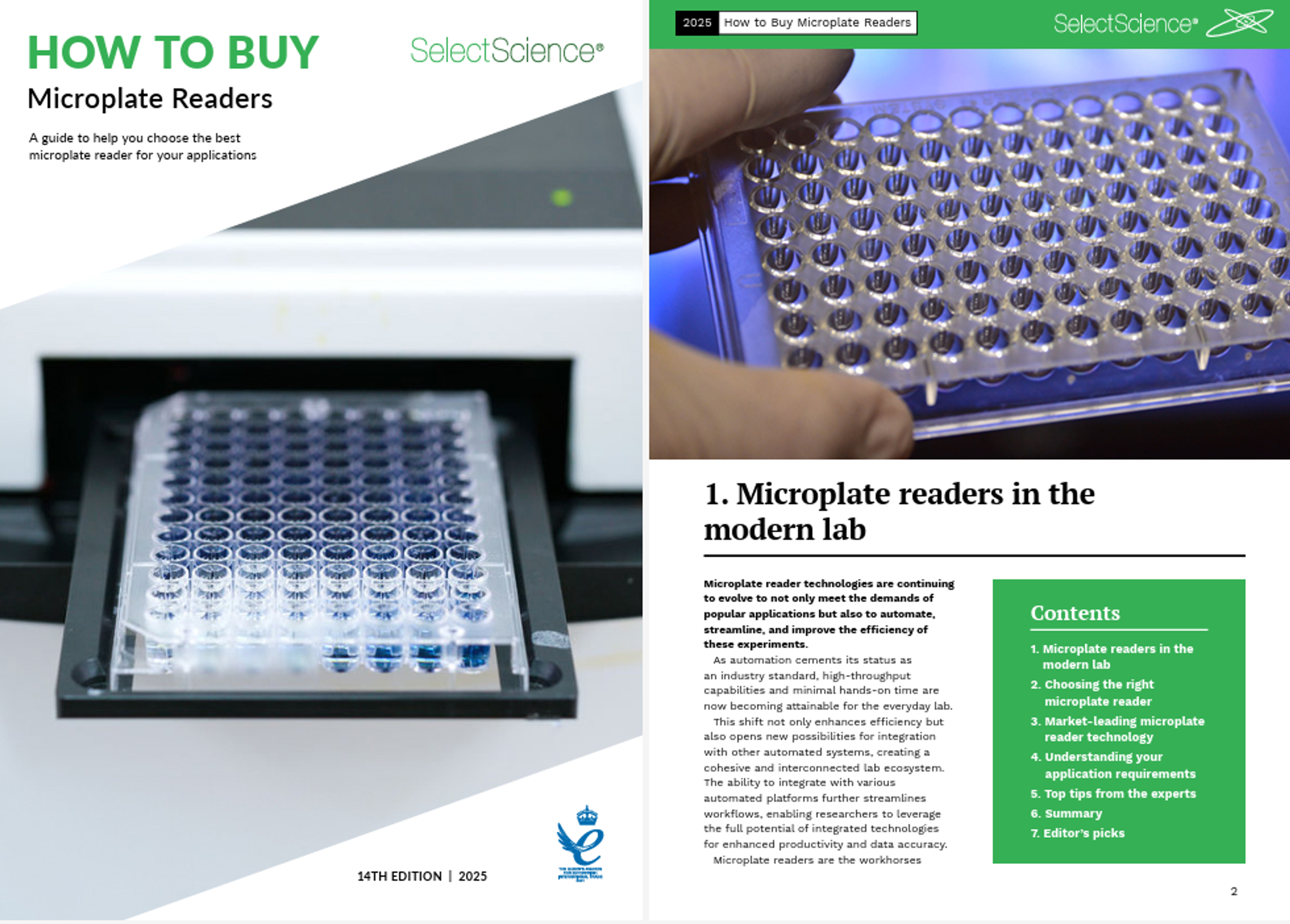
How to Buy Microplate Readers

How-to-buy ebook

Choose the best microplate reader for your applications

Microplate reader technologies are advancing rapidly to meet the increasing demands of life sciences, drug discovery, and assay development. With cutting-edge features designed to enhance efficiency, automate workflows, and ensure accurate results, choosing the right microplate reader is crucial for optimizing your lab’s performance.

Download our How to Buy Microplate Readers eBook to learn more about:

  • Comparison of single-mode vs. multi-mode microplate readers to help you select the best fit for your research.
  • Key detection modes explained, from absorbance and fluorescence to luminescence, TR-FRET, BRET, and AlphaScreen.
  • Essential features to consider like dynamic range, whole-well analysis, reagent injectors, and automation capabilities.
  • Application-focused recommendations on the best technologies for ELISAs, enzyme kinetics, 3D cell culture assays, live-cell imaging, and more.
  • Top tips and trend insights from leading scientists and industry specialists to help you stay ahead in the field.
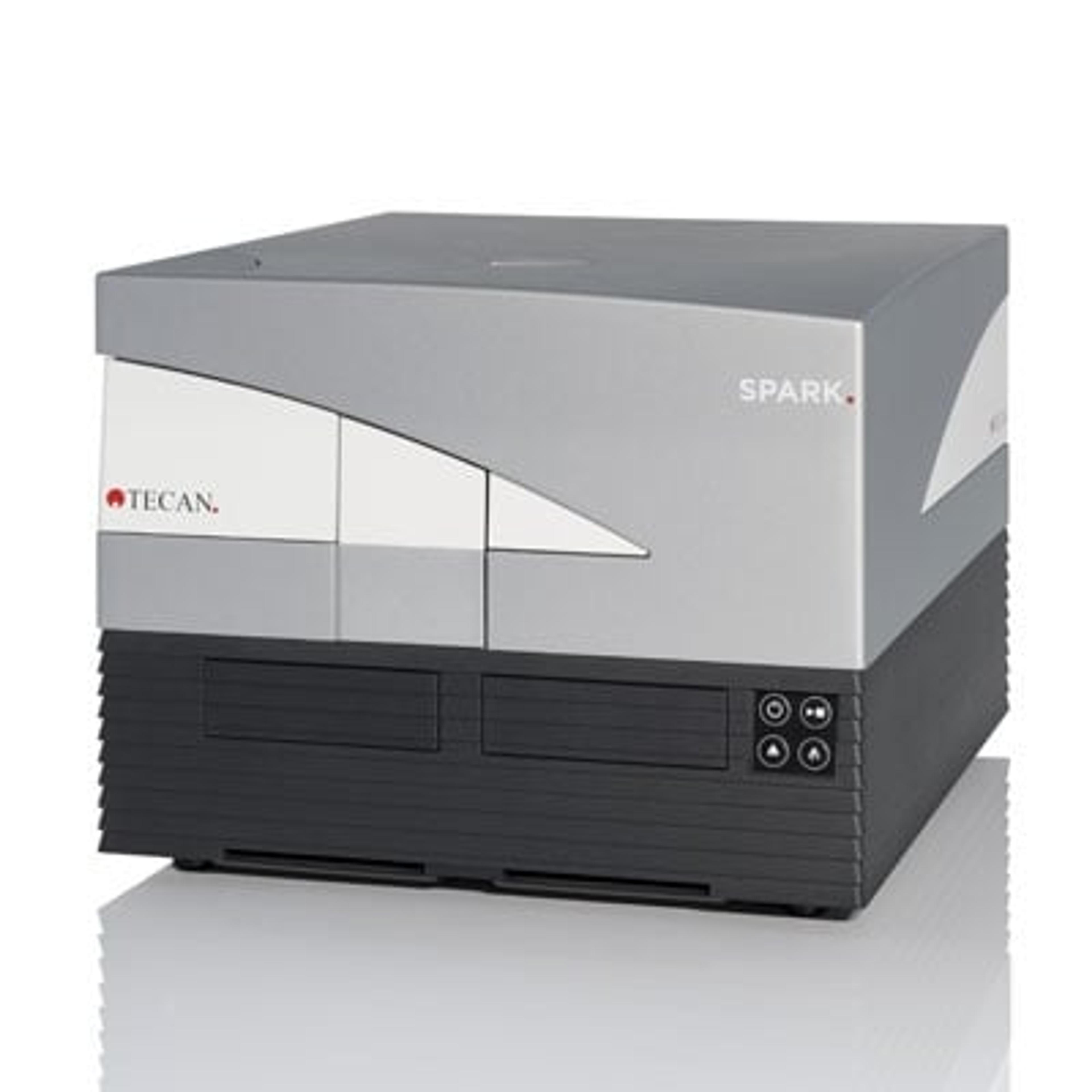
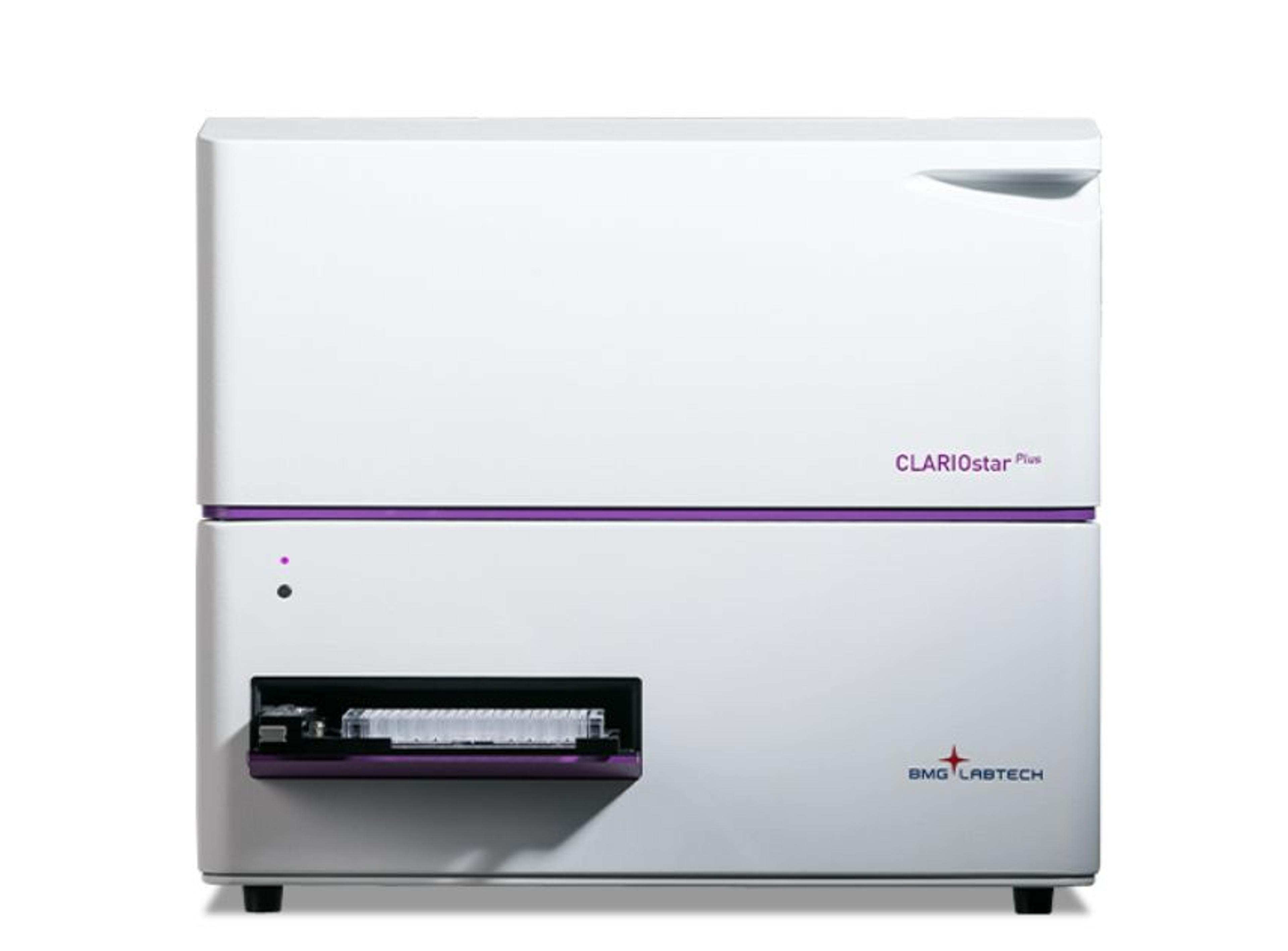
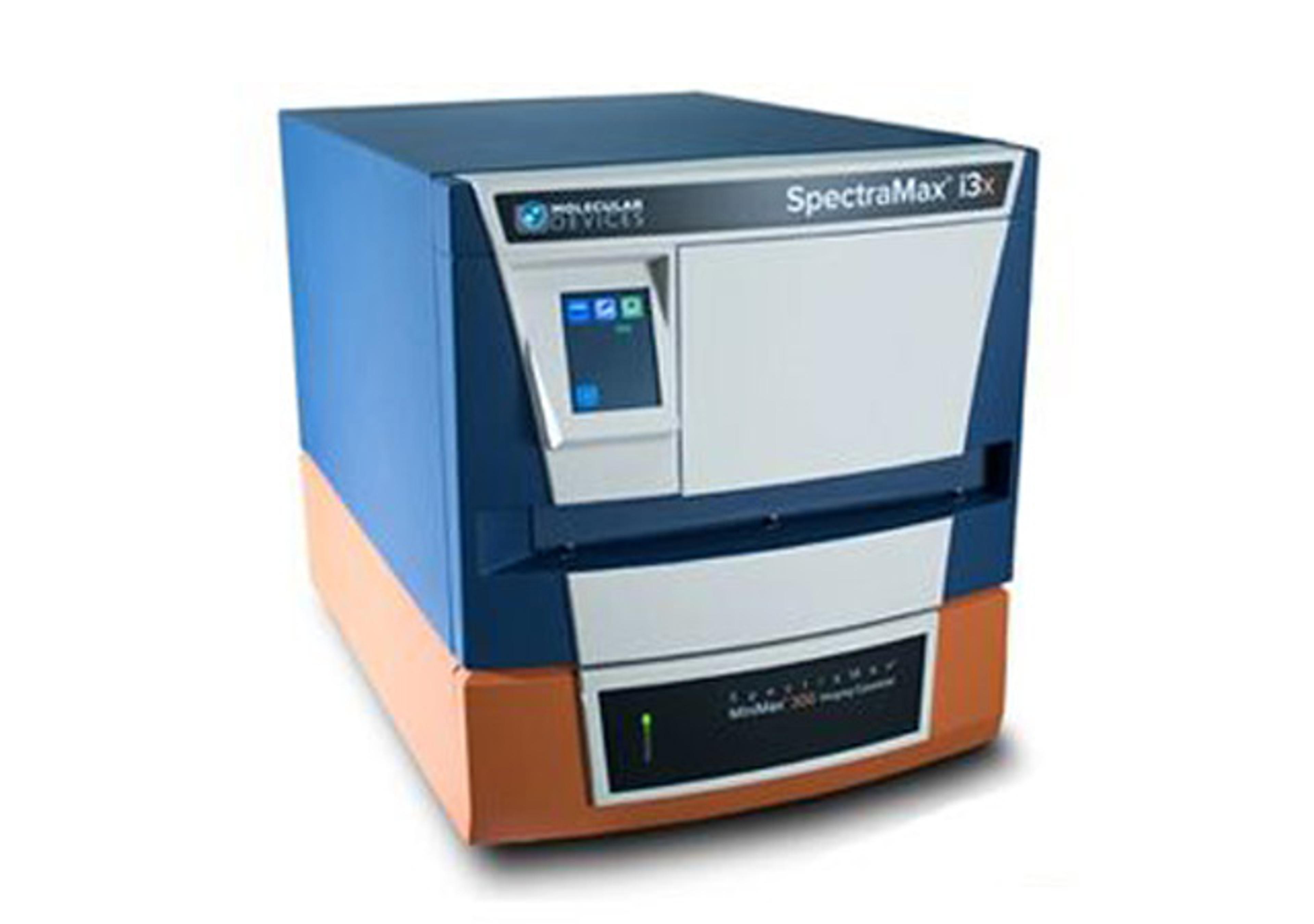
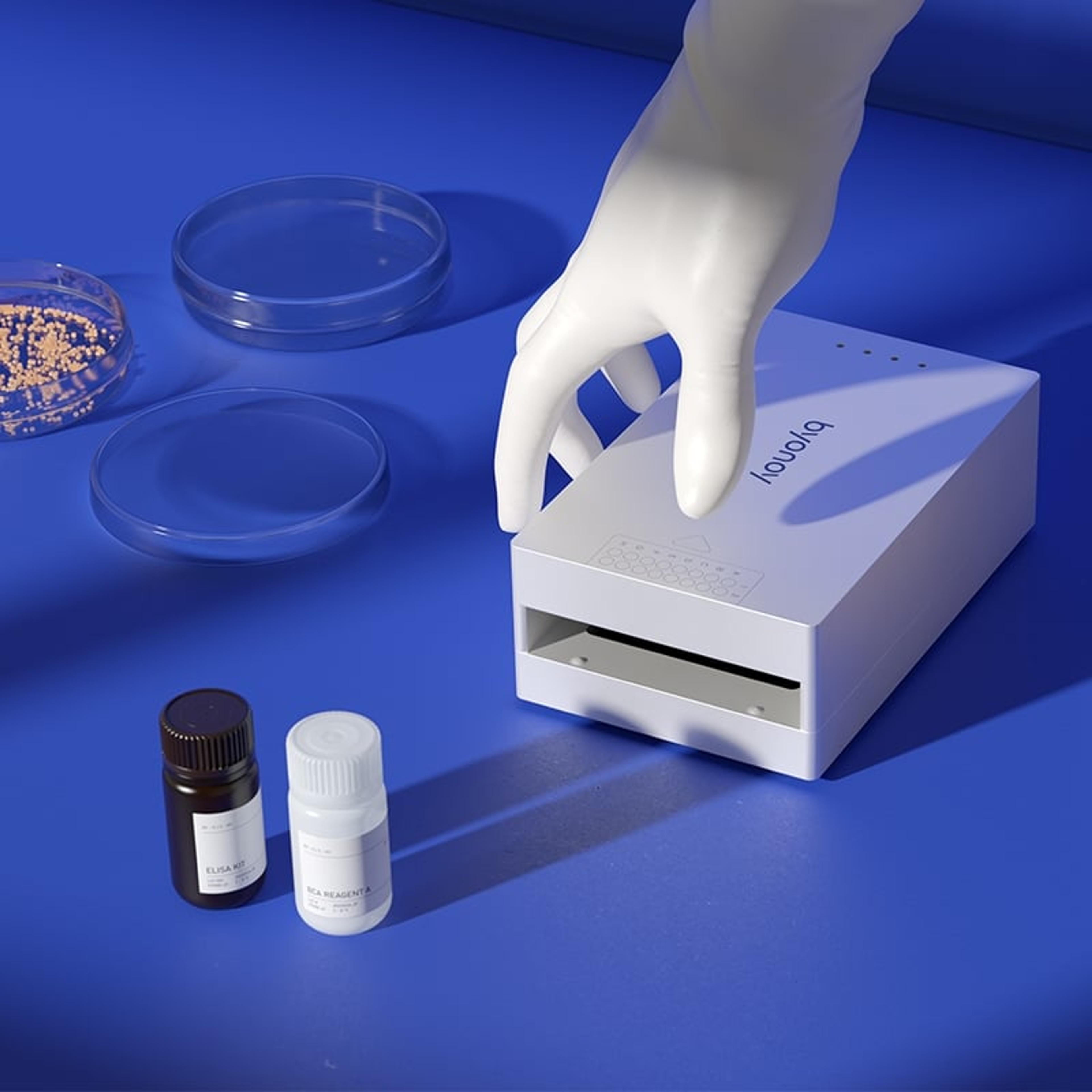
  • Editor’s picks of the top microplate readers currently available on the market.

Make an informed decision and equip your lab with the best technology for your needs. Get your free eBook now.

Resource details:

  • Document type: SelectScience guide
  • Page count: 28
  • Read time: 42 mins
  • Edition: 14th

Links

Tags

Microplate Readers / DetectorsMicroplate readers are used to automate the detection and analysis of labeled or label-free components in microplates during assays or live-cell monitoring. Microplate readers are generally distinguished by their mode of detection. Types include absorbance, luminescence, fluorescence intensity, fluorescence polarization, TRF / FRET and multimode microplate readers. Microplate readers deliver a high throughput of samples by reading multiple wells simultaneously, with the 96-well format the most commonly used. As a result, microplate readers are often used in the drug discovery, bioassays, research and pharmaceutical industries for screening applications. Microplate loading can also be automated, with robotic microplate stackers to increase throughput. Find the best microplate readers in our peer-reviewed product directory: compare products, check customer reviews and receive pricing direct from manufacturers.AutomationAutomation in laboratories and manufacturing processes enhances efficiency, precision, and scalability by reducing the need for manual intervention. It plays a critical role in improving productivity, minimizing human error, and accelerating workflows in fields like diagnostics, drug development, and industrial testing. Automation technologies include robotic systems, automated liquid handlers, and process control systems that streamline complex tasks and ensure consistent, reproducible results. Explore our peer-reviewed product directory to discover the best automation solutions, compare options, read user reviews, and get prices directly from manufacturers.Protein QuantificationELISAColorimetric AssaysHigh Throughput Screening