Editorial Article
Food and Beverage
Food and beverage testing is a critical scientific practice that ensures food safety, food quality, and compliance of food and drink products. Through comprehensive analysis, food testing labs assess factors such as microbiological contamination, chemical residues, nutritional content, and authenticity. By adhering to strict regulatory standards and industry guidelines, food and beverage testing helps maintain product integrity, fight food fraud, prevent foodborne illnesses, and meet consumer expectations for safety and transparency. Explore how food and beverage testing labs play a pivotal role in safeguarding public health and promoting trust in the global food supply chain.
Latest content and products
Hot topics
Webinars
See all
Cracking the toughest food matrices with advanced GC column technology
Speakers: Laura Schütz, Eurofins Dr. Specht Express Testing & Inspection GmbH, Dr. Ramkumar Dhandapani, Restek Corporation, Dr. Alexander Zahm, Eurofins Dr. Specht Express Testing & Inspection GmbH, Olivia Long, SelectScience
Watch on-demand
How to navigate the food regulatory landscape for Listeria spp. and Listeria mono. testing
Speakers: Katharine Evans, Thermo Fisher Scientific, Dr. Salman Zeitouni , Thermo Fisher Scientific, François Le Nestour, Microsept, Olivia Long, SelectScience
Watch on-demand
Demystifying the Pt-Co scale for accurate color measurement
Speakers: Matthew Boeck, Matt Russell, Olivia Long, SelectScience
Watch on-demand
Reaching new heights in food safety testing using automated PCR workflows
Speakers: Jani Holopainen, Thermo Fisher Scientific, Dr. Salman Zeitouni , Thermo Fisher Scientific, Sarah Thomas, SelectScience
Watch on-demand
eBooks
See All
How-to-buy eBook
How to Buy HPLC Technology
Editorial Articles
See allEditorial Article
Article

Editorial Article
UV-Vis spectroscopy takes center stage in food fraud detection

Editorial Article
Formulation workflows transformed with better data management
Latest Videos
See All
SelectScience Interviews
Speeding up forensics with advanced spectroscopy tools
SelectScience Interviews
Enhanced terpene analysis with SIFT-MS

Product Demonstrations
Keeping up with an expanding PFAS landscape
Resources
See all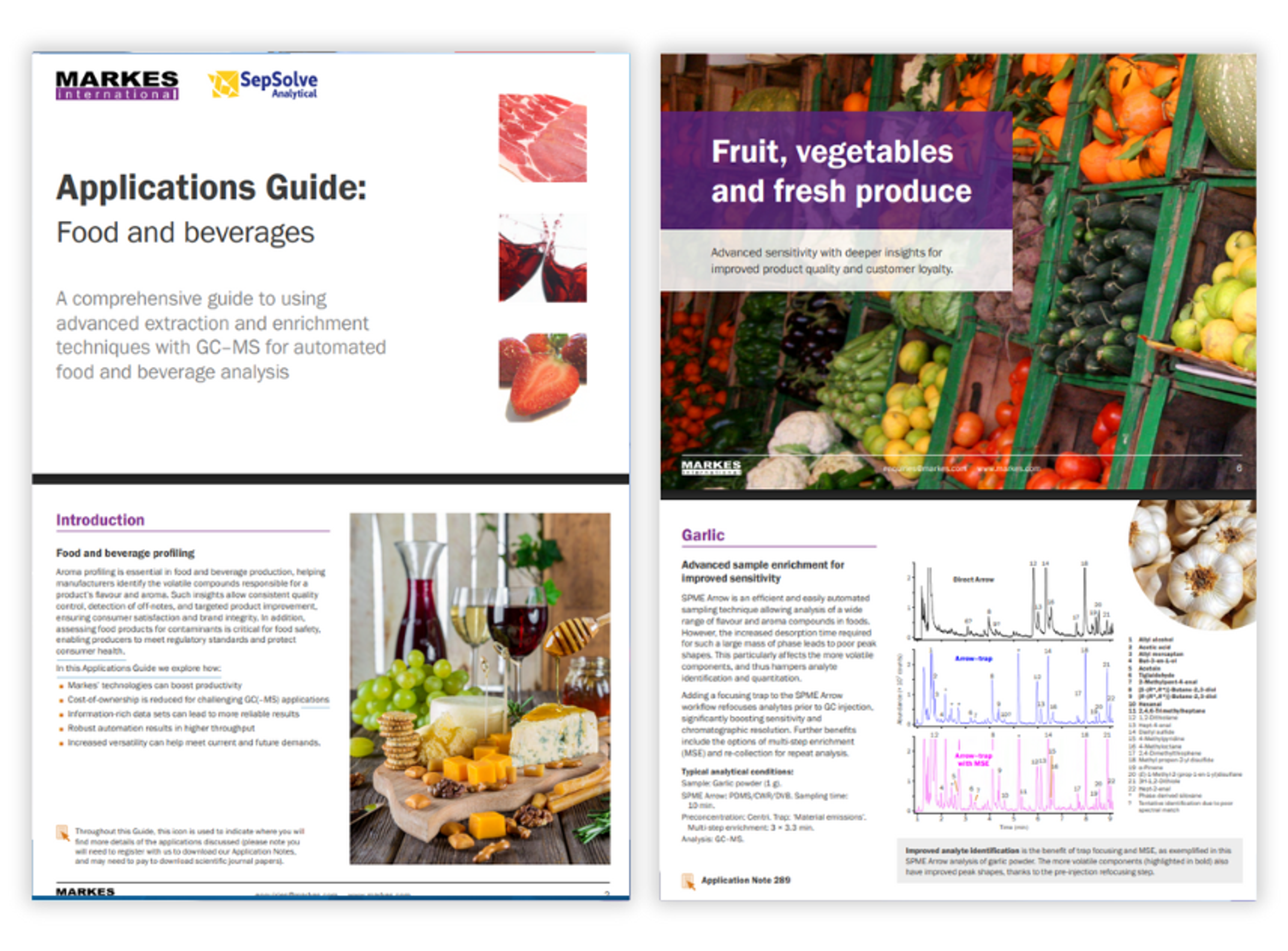
Application Note
Applications guide to food and beverages
White Papers