Field

Forensics

To uncover the crucial information for criminal investigations and legal proceedings, forensic analysts rely on sophisticated methodologies that yield objective and scientifically grounded insights. These approaches include DNA analysis, fingerprinting, ballistics, and toxicology. Explore how robust forensic analysis empowers law enforcement agencies and legal professionals to solve crimes and uphold justice.
Latest content

Hot topics

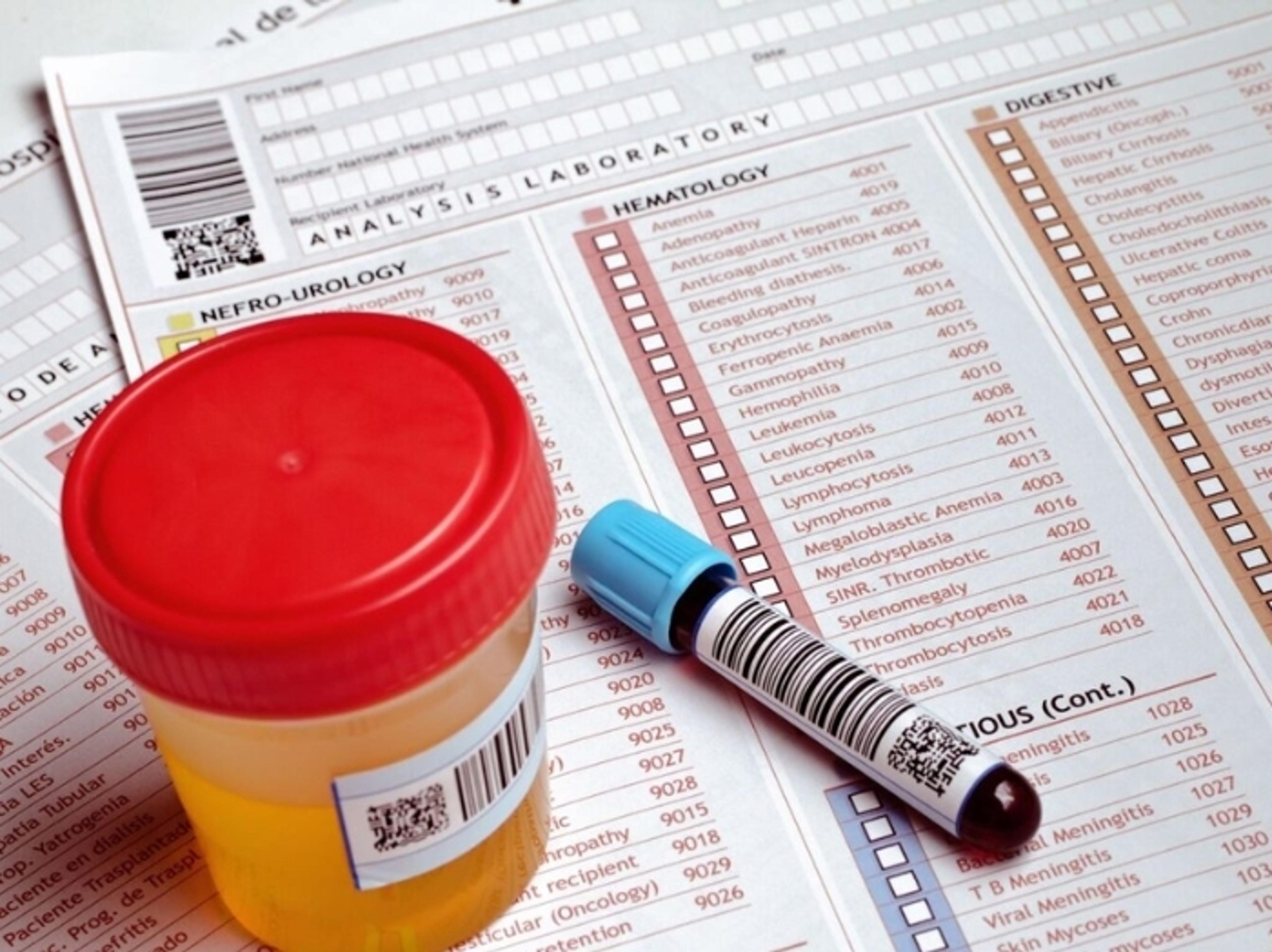
UrineThe analysis of urine is important in medicinal, anti-doping, forensic and life sciences applications. The ability to evaluate what someone has ingested through their urine enables fast detection and diagnosis of certain illnesses. Drugs of AbuseA drug of abuse is a drug that has been taken for non-medical purposes. Such drugs can have mind-altering effects, with some causing dependence and addiction.Doping ControlDNA AmplificationDNA Amplification is a technique used to amplify a single or multiple copies of DNA or mRNA by orders of magnitude. The most common method employed is PCR, but other options exist that eliminate the need for thermocycling.Super Resolution MicroscopyForensic InvestigationForensic investigation is a diverse collection of scientific techniques and methods for the identification and characterization of chemicals relating to crime scene investigations.Forensic ToxicologyForensic toxicology is used to determine cause of death, drug use and contaminations. Toxicological evaluations are commonly used in analytical chemistry, clinical, life sciences and forensics.GC-MSGas Chromatography-Mass Spectrometry (GC-MS) combines the separation power of gas chromatography with the detection capabilities of mass spectrometry, allowing for the analysis of complex mixtures. It is widely used in environmental, forensic, and pharmaceutical analysis. Explore GC-MS systems in our peer-reviewed product directory; compare products, check reviews, and get pricing directly from manufacturers.
Latest forensics news & research | SelectScience