Detecting Harmful Dioxins in Food and the Environment

31 Mar 2016

Lois Manton-O'Byrne, PhD
Executive Editor

Editorial article

Dioxins are a group of persistent environmental pollutants (POPs) that comprise of chlorinated organic chemicals. These airborne particles and can deposit on plants or in water, and animals can accumulate these highly toxic molecules in their fat. Due to slow decomposition tendencies, the number of dioxins increases with each step along the food chain. It is important to understand and detect where dioxins are present, and abide by strict regulatory guidelines to reduce the formation of these particles by industries, and prevent further insertion into the food chain. Watch the video and download the application notes below to learn how to analyze dioxins in the environment.

Meeting the European Commission Performance Criteria for the Use of Triple Quadrupole GC-MS/MS as a Confirmatory Method for PCDD/Fs in Food and Feed Samples - Thermo Fisher Scientific

Minimizing Carryover During Dioxin Analysis Using the Xevo TQ-S with APGC - Waters

High Performance Mass Spectrometry of Persistent Organic Pollutants: What Else Is In My Dioxin Sample? - LECO Corp

Queen's University Belfast: Professor Christopher Elliott on Rapid Dioxin Detection

A Method for the Determination of Dioxins in Foodstuffs and Animal Feed - Agilent Technologies

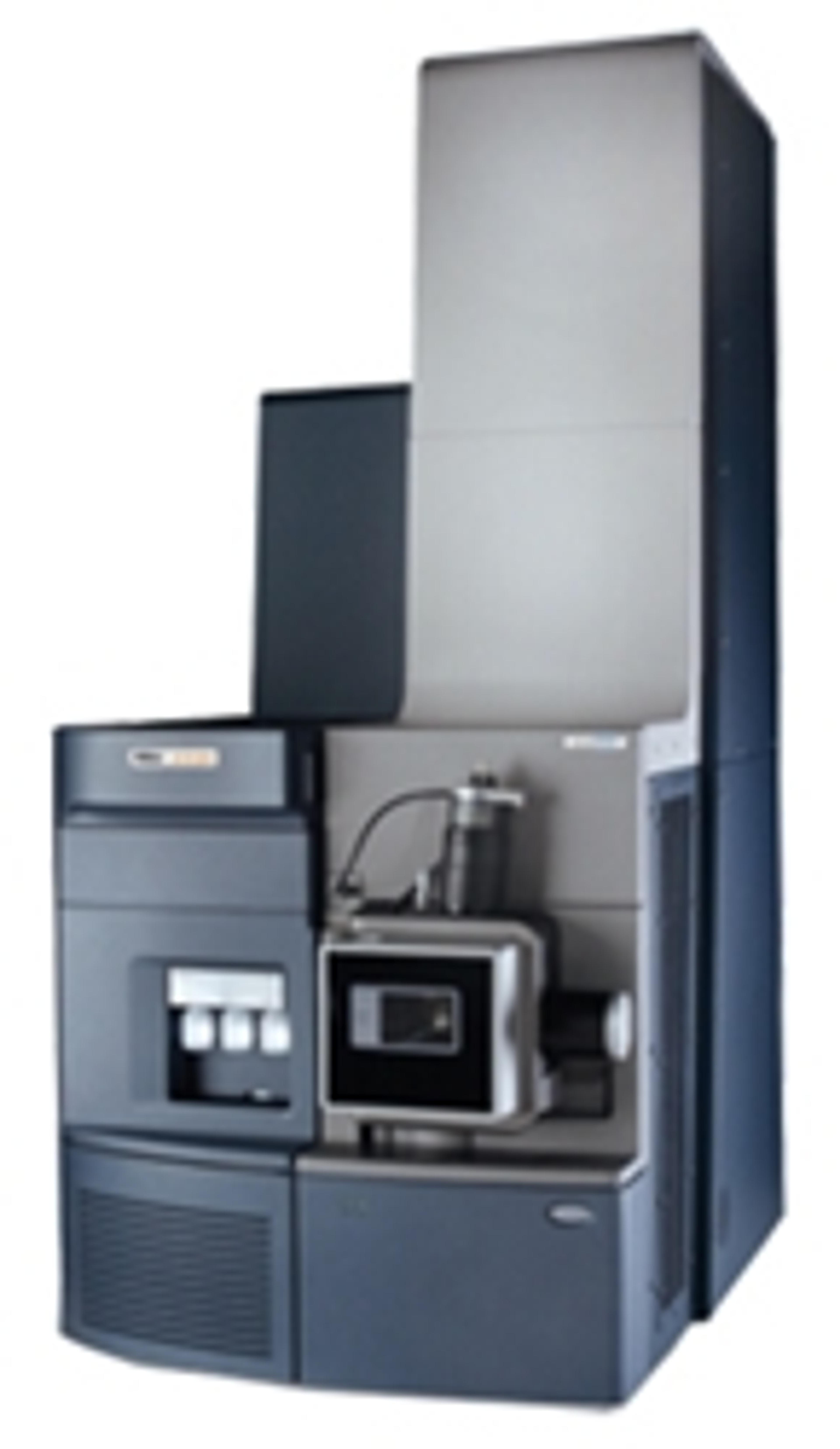
Xevo G2-XS QTof

Waters

Xevo G2-XS QTof - eXtreme Sensitivity, eXtraordinary Selectivity, eXceptional Solutions. For the scientist who needs to identify, quantify and confirm the broadest range of compounds in the most complex and challenging samples the Xevo G2-XS QTof provides maximum robustness with no compromise in performance, class-leading real-world quantitative sensitivity, the highest quality, most comprehensive qualitative information, flexibility to adapt to changing needs and is accessible to experts and non-experts alike.
(17)

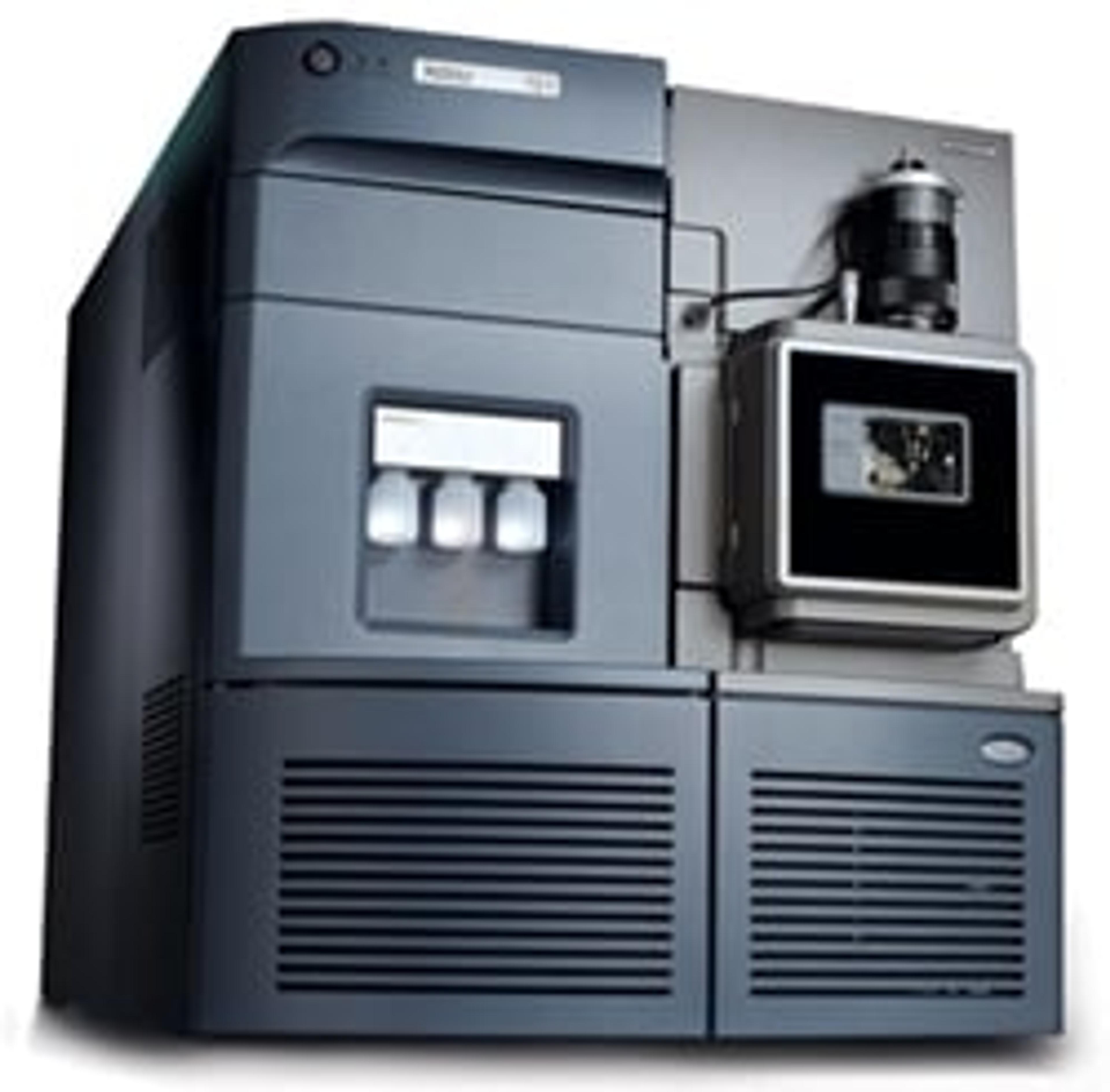
Xevo TQ-S

Waters

Xevo TQ-S tandem quadrupole mass spectrometer - designed for the most demanding quantitative UPLC/MS/MS applications. The ultimate in tandem quadrupole performance allows you to achieve unrivalled sensitivity and robustness, available to everyone due to the accessibility of the Xevo platform. The Xevo TQ-S gives you class leading sensitivity and robustness, qualitative information when you need it most and accelerated method development for sensitive and robust methods. Reducing complexity, increasing ease of use, and ensuring the correct result every time.

(19)

Links

Tags

Mass SpectrometryMass spectrometry (MS) is a powerful analytical technique used to identify and quantify molecules based on the mass-to-charge ratio of gas-phase ions. It provides detailed information about the structure, composition, and properties of compounds and is widely used across fields such as environmental monitoring, materials science, drug discovery and development, food and beverage testing, and wider chemical research. Key MS techniques include tandem mass spectrometry (MS/MS), liquid chromatography–mass spectrometry (LS-MS) and inductively coupled plasma (ICP-MS). Choosing from these wide range of techniques and technologies can be a daunting task, so keep up to date with scientific applications, performance expectations, and customer reviews here all in one place. Visit our product directory to receive quotes direct from the manufacturer. Food and Beverage AnalyzersFood and Beverage Analyzers are commonly used to provide information about the chemical composition, structure and physical properties of food materials.Food and Beverage ProcessingFood and Beverage Processing involves the preparation of food products for further analysis. Typical instrumentation includes blanchers, color sorters, cookers, grinders, and refrigeration. These are used to replicate the processes commonly used in the commercial preparation of food and beverages.GC-MS GC-MS (gas chromatography-mass spectrometry) instruments and equipment are used to separate, quantify and identify mixtures of small and volatile compounds, such as polycyclic aromatics, fatty acids and alcohols. Often used in drug detection, forensic investigation and environmental analysis for pesticides and contaminants, GC-MS is a powerful addition to your lab’s analytical capabilities. GC-MS/MS instruments equipped with a qTOF or triple quadrupole analyzers can give greater sensitivity and resolution to your analysis. Find the best GC-MS instruments and equipment in our peer-reviewed product directory: compare products, check customer reviews and receive pricing direct from manufacturers.PesticidesPesticides are used to protect crops from diseases, pests and unwanted plants. They are classed as persistent organic pollutants (POPs) and can be harmful to humans. The Environmental Protection Agency (EPA) currently regulates the use of pesticides in the USA. Food SafetyFood safety describes the prevention of food-borne illnesses. Contamination with a variety of pathogens can be prevented with adequate temperature control, hygiene and labeling. Food samples can be tested using GC/MS, HPLC, SPE, and qPCR to ensure their adherence to regulations.Food TestingFood testing refers to a variety experiments including PCR, mass spectrometry, processing, QuEChERS, analyzing and Kjeldahl.DioxinsDioxins are a group of persistent environmental pollutants (POPs) that comprise of chlorinated organic chemicals. These airborne particles can deposit on plants or in water, and animals can accumulate these highly toxic molecules in their fat.