10 top-rated lab products win Seals of Quality at Virtual Summit on Cancer and Immunology Research

The Incucyte Live-Cell Analysis System from Sartorius becomes the fifth product in history to be awarded a Platinum Seal of Quality

11 May 2020

Sarah Thomas
Associate Editor

Editorial article

What is a Seal of Quality? There are four levels of Seal of Quality — Platinum, Gold, Silver, Bronze — which are allocated to products based on the number of reviews they receive and the average rating of those reviews.

The 10 latest laboratory products to win a prized Seal of Quality have been revealed at the SelectScience® Virtual Summit on Cancer and Immunology Research 2020.

Seals of Quality recognize the top 0.1% of products that consistently receive the highest customer review ratings on SelectScience® and are designed to help scientists and healthcare professionals worldwide see at a glance the instruments and services their peers love the most.

Arif Butt, CEO and Co-Founder of SelectScience, and Editor-in-Chief and Publisher, Kerry Parker, announced the latest winners during the inaugural SelectScience® Virtual Summit on Cancer and Immunology Research. At a virtual awards ceremony, the Incucyte® Live-Cell Analysis System from Sartorius received a rare Platinum Seal of Quality, having received over 200 reviews with an average rating above 4.5 stars out of five — making it one of just five lab products to achieve the Platinum status since the awards were launched in 2017.

Debi Chakraborty, who leads the BioAnalytics Marketing Programs at Sartorius, said: “All of us at Sartorius are elated to receive the Platinum Seal of Quality for Incucyte® Live-Cell Analysis Systems, a testament to the sheer genius and hard work that goes into this novel technology which has empowered cell biologists around the globe in accelerating discoveries.”

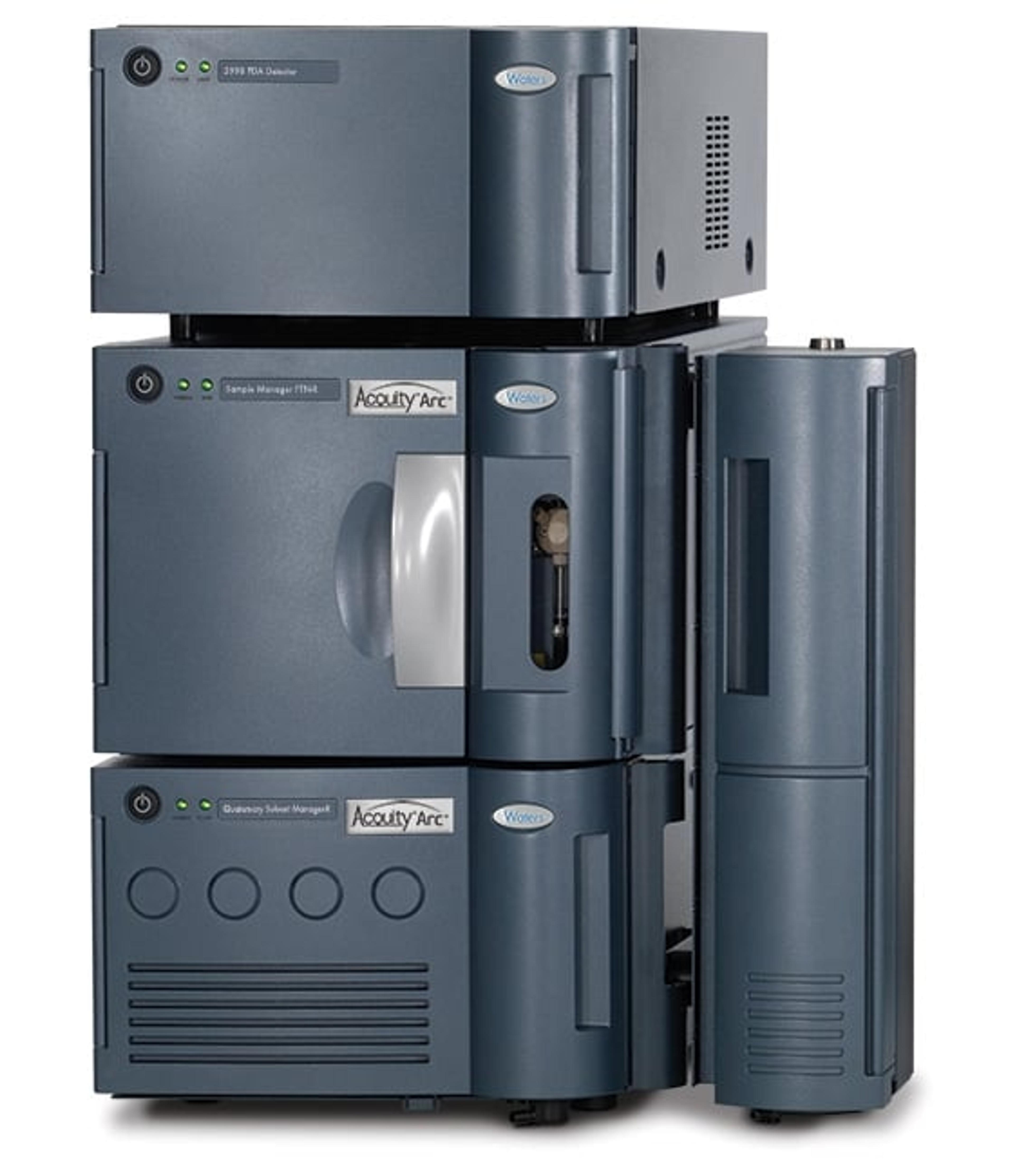
Waters was awarded two more Seals of Quality – the ACQUITY UPLC System won a Silver Seal of Quality and the ACQUITY Arc System received a Bronze, making Waters the first company worldwide to win five Seals of Quality since the program was launched in 2017.

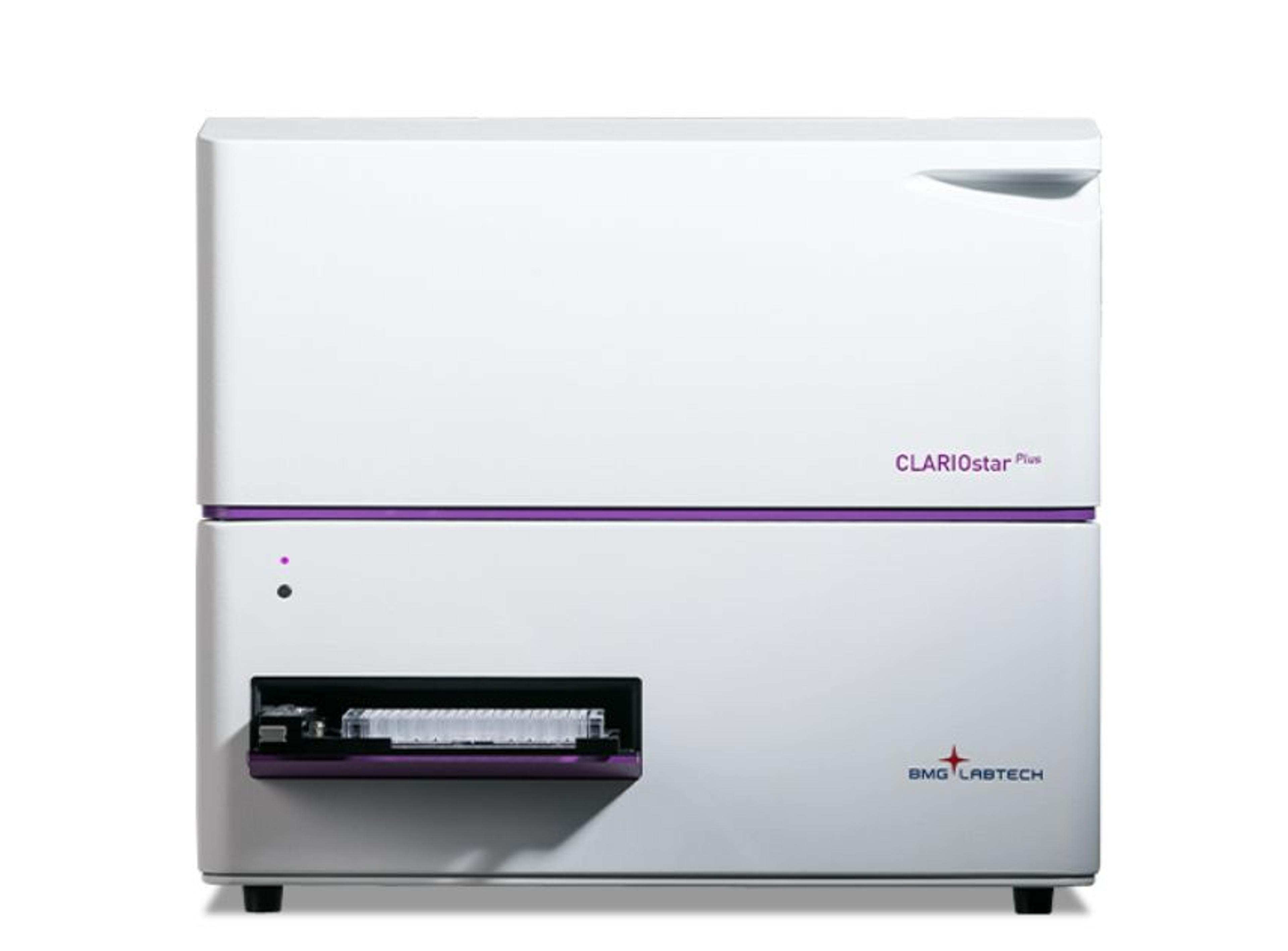
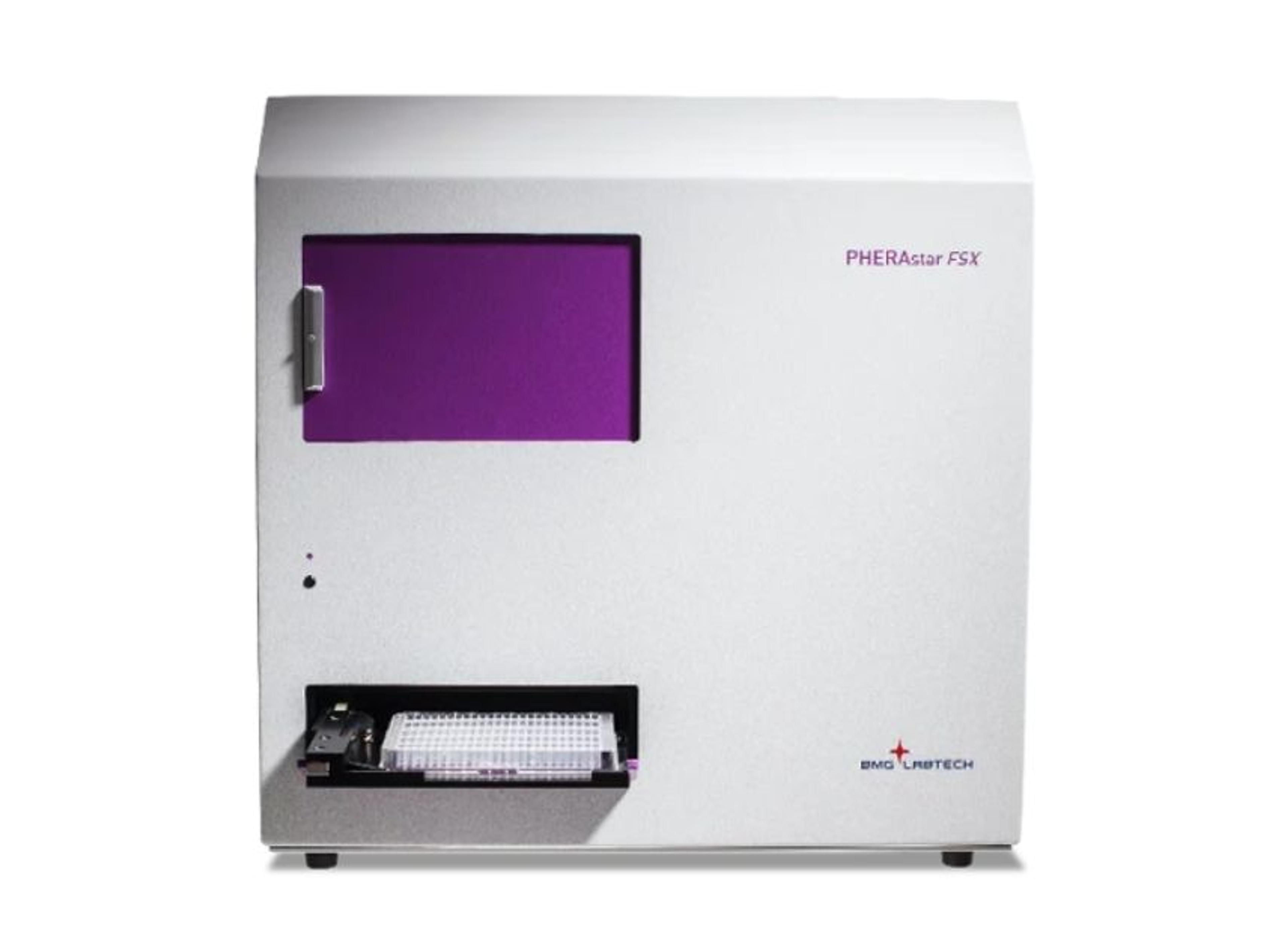
Two Bronze Seals of Quality were also awarded to BMG LABTECH, for the PHERAstar® FSX HTS Microplate Reader and the CLARIOstar® Plus Multi-mode Microplate Reader.

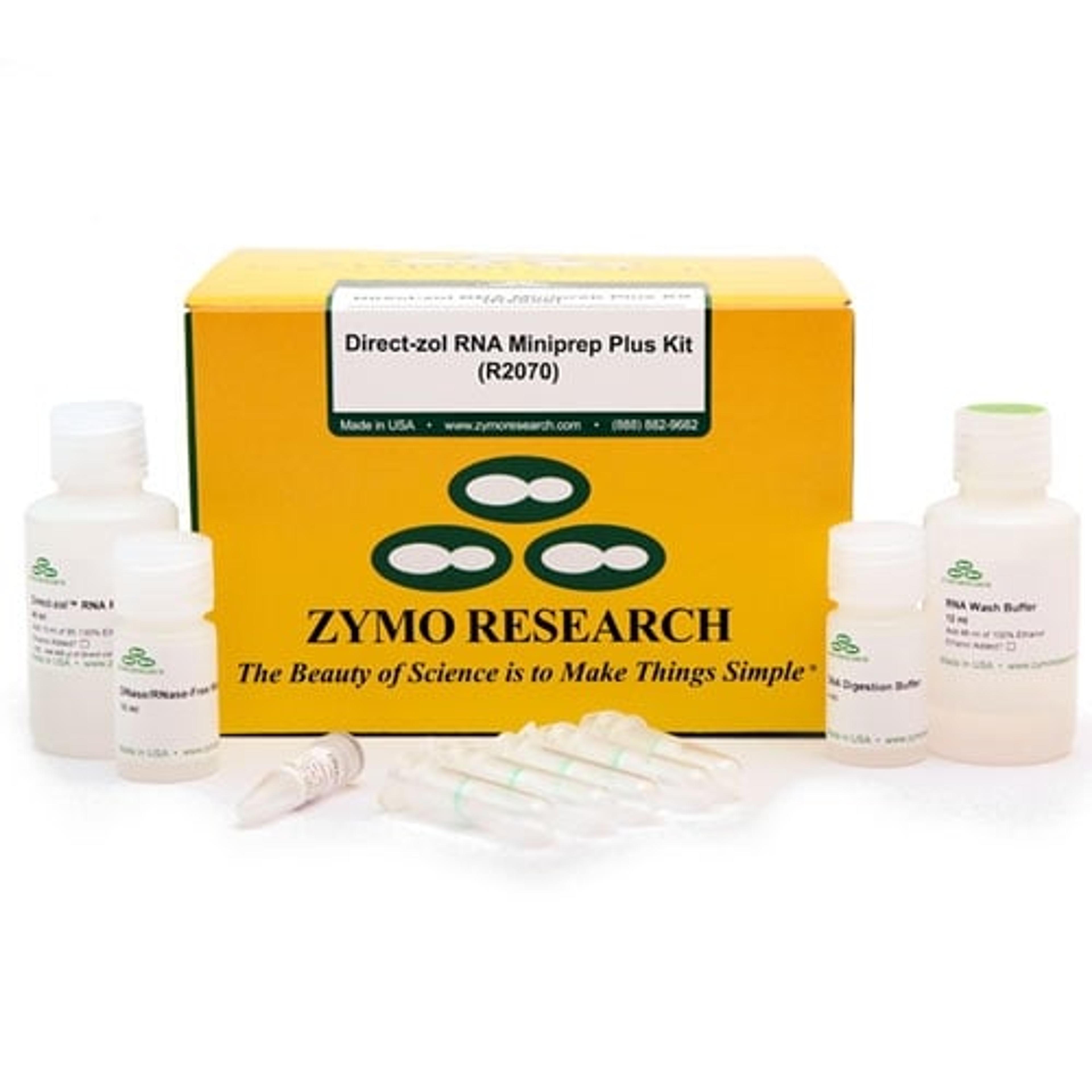
Direct-zol™ RNA Miniprep Plus from Zymo Research won a Gold Seal of Quality after receiving 100 or more reviews from scientists globally, with an average rating of 4.7 stars out of five. It means Zymo now has a total of four Seals of Quality.

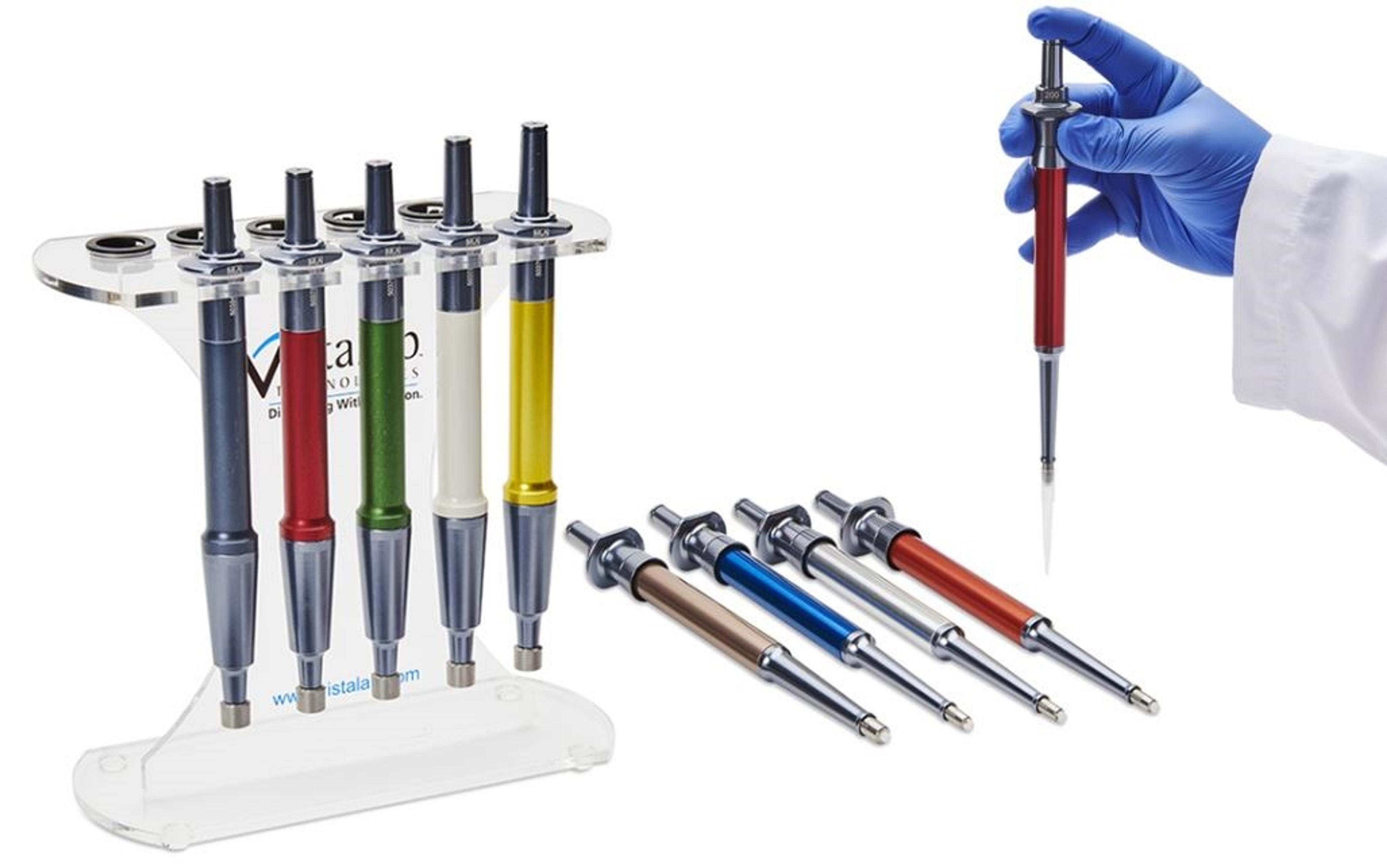
VistaLab Technologies, meanwhile, received its third Seal of Quality award, a Silver for its MLA Single Channel Pipettes, having received 80 reviews with an average rating of 4.8 stars out of five.
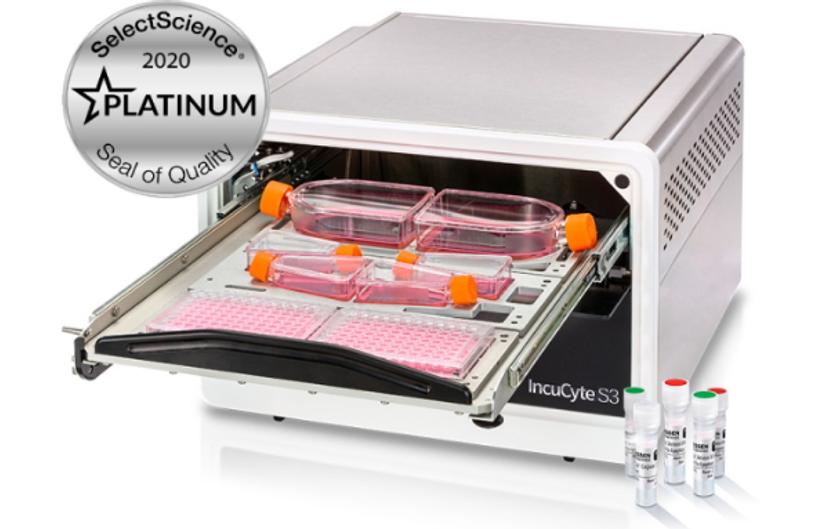
The Incucyte® Live-Cell Analysis System has received a rare Platinum Seal of Quality in recognition of receiving consistently high review ratings on the SelectScience® website


All of us at Sartorius are elated to receive the Platinum Seal of Quality for Incucyte® Live-Cell Analysis Systems


Debi Chakraborty

Sartorius

Three more Bronze Seals of Quality were awarded at the virtual ceremony:

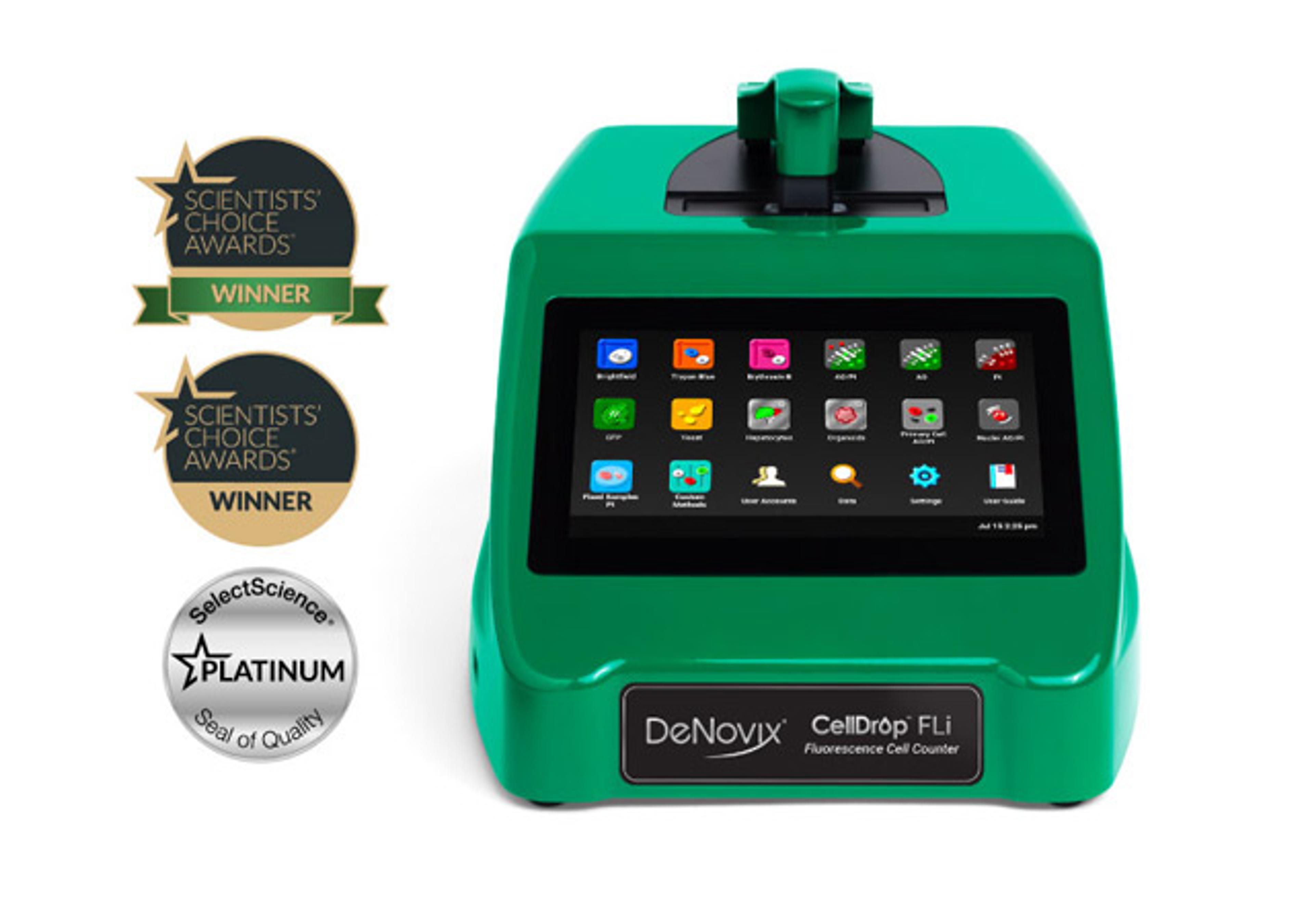
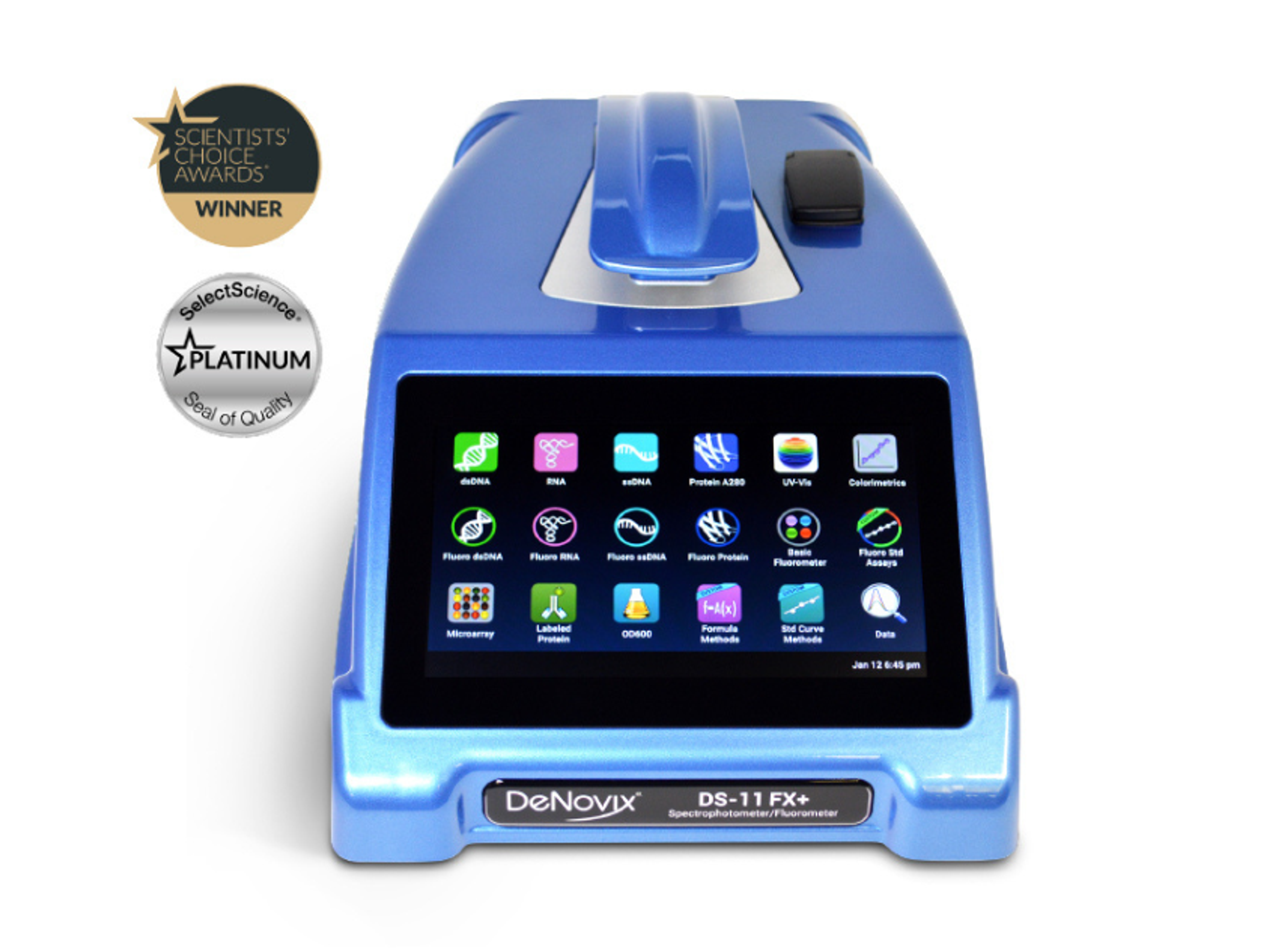
DeNovix CEO Fred Kielhorn said: “Receiving so many positive reviews on SelectScience for both the DS-11 Series and CellDrop Automated Cell Counters instruments validates that our drive to achieve unmatched customer support in our market has been important to scientists around the world."

Kerry Parker said: “I would like to take this opportunity to thank all our reviewers around the world for sharing their valuable opinions and also to congratulate these new Seal of Quality winners, who have been recognized by the people who matter most, their customers.”

Leave a review for a product you think deserves a Seal of Quality >>

Learn more about how to achieve a Seal of Quality for your products >>
Links

Tags

AutosamplersAutosamplers are automated sample loaders used with a number of separation and analytical techniques. HPLC autosamplers use automated partial or full-loop injection systems and place samples in vials or microplates for analysis. Autosamplers can also be used for elemental analysis. Features to consider include repeatability, syringe capacity, footprint and temperature controls.  UHPLC and HPLCHigh performance liquid chromatography (HPLC) and ultra high performance liquid chromatography (UHPLC), also known as UPLC, are analytical techniques used to separate, identify and quantitate components of complex mixtures including biological samples such as proteins and lipids as well as chemical mixtures of pesticides, drugs and oils. Both techniques are liquid chromatographic methods but differ by operating pressures (HPLC < 6000 psi < UHPLC ). Components of HPLC and UHPLC systems include columns, detectors, pumps, autosamplers and column heaters. Explore a range of UHPLC and HPLC columns for your specific sample needs including reverse phase, normal phase, ion exchange, HILIC, ion exclusion and size exclusion columns. For more specialized HPLC, explore FPLC, countercurrent LC and simulated moving bed systems. Find the best UHPLC and HPLC equipment in our peer reviewed product directory: compare products, check customer reviews and receive pricing direct from manufacturers.Sample PreparationSample preparation can improve the quality and speed of separation techniques. Products to assist sample preparation include filtration equipment, evaporators, membranes and sieves.Atomic Absorption / Emission SpectroscopyAtomic absorption spectroscopy (AAS) and atomic emission spectroscopy (AES) — also called optical emission spectroscopy (OES) — are used to detect the elemental constituents in samples. Both techniques involve the atomization of a sample. Atomic absorption spectrometers may use a flame or furnace to create an atomic vapor of the sample before irradiation with spectral light. Optical emission spectrometers may use a flame, inductively coupled plasma (ICP), microwave plasma (MP) or spark arcs to atomize and excite the sample. At higher excitation energies, electrons can be emitted instead of photons, which can be useful for samples that can’t be atomized and for surface analysis. Explore electron spectroscopy equipment such as Auger spectrometers and photoelectron spectrometers for surface elemental analysis of samples. Find the best atomic absorption, photoelectron and optical emission spectrometers in our peer-reviewed product directory: compare products, check customer reviews and receive pricing direct from manufacturers.Fluorescence SpectroscopyFluorometers and spectrofluorometers (also called fluorescence spectrometers) are used to measure the intensity and wavelength of fluorescent light emitted from a sample after excitation by illumination. Spectrofluorometers utilize monochromators to select the desired wavelengths, whereas filter fluorometers employ a set of filters. Spectrofluorometers for measuring steady-state fluorescence and lifetime fluorescence (or time-resolved fluorescence) are available, as well as fluorescence microscopes and microplate readers. Find the best fluorescence spectroscopy products in our peer-reviewed product directory: compare products, check customer reviews and receive pricing direct from manufacturers.Infrared / IR SpectroscopyInfrared (IR) spectroscopy measures the interaction of infrared light with a sample, including transmission, reflectance & absorbance, facilitating the identification of analytes. Equipment used for quantitative analysis includes Fourier-transform infrared (FTIR) spectrometers, infrared cameras, FTIR gas analyzers, as well as attenuated total reflectance (ATR) accessories and pellet or film presses. Find the best IR spectroscopy products in our peer-reviewed product directory: compare products, check customer reviews and receive pricing direct from manufacturers.LC-MSLC-MS (liquid chromatography-mass spectrometry) systems and equipment are used for separation and quantitative analysis of complex mixtures, combining liquid chromatography and mass spectrometry. Quantify proteins, contaminants, pesticides or screen for drug metabolites with a high level of sensitivity. LC-MS systems and equipment include reverse phase, normal phase and specialized columns integrated with various MS detectors such as time-of-flight (TOF), quadrupole, orbitrap or ion trap mass analyzers. LC-MS/MS instruments equipped with a qTOF or triple quadrupole analyzer give greater sensitivity and resolving power to your analysis. Find the best LC-MS equipment in our peer-reviewed product directory: compare products, check customer reviews and receive pricing direct from manufacturers.Mass SpectrometryMass spectrometry (MS) is a powerful analytical technique used to identify and quantify molecules based on the mass-to-charge ratio of gas-phase ions. It provides detailed information about the structure, composition, and properties of compounds and is widely used across fields such as environmental monitoring, materials science, drug discovery and development, food and beverage testing, and wider chemical research. Key MS techniques include tandem mass spectrometry (MS/MS), liquid chromatography–mass spectrometry (LS-MS) and inductively coupled plasma (ICP-MS). Choosing from these wide range of techniques and technologies can be a daunting task, so keep up to date with scientific applications, performance expectations, and customer reviews here all in one place. Visit our product directory to receive quotes direct from the manufacturer. Near Infrared SpectroscopyNear-infrared (NIR) spectroscopy measures the interaction of near-infrared light with a sample, including transmission, reflectance and absorbance, facilitating the identification of analytes. Measurements can be conducted using a Fourier-transform near infrared (FT-NIR) spectrometer, while there are also UV-Vis- NIR spectrophotometers that measure a broader spectrum of wavelengths. Find the best NIR spectroscopy products in our peer-reviewed product directory: compare products, check customer reviews and receive pricing direct from manufacturers.Raman SpectroscopyRaman spectroscopy is used to discern the vibrational and rotational states of molecules and hence the chemical composition of a sample by measuring the inelastic scattering of monochromatic light. Explore a range of Raman spectrometers, including handheld/portable Raman spectrometers for QC/QA labs and in situ spectrometers for processes. Conduct Raman imaging for microanalysis of mixed samples using a Raman microscope. Raman spectrographs are also available. Find the best Raman spectroscopy products in our peer-reviewed product directory: compare products, check customer reviews and receive pricing direct from manufacturers.Spectroscopy LampsMonochromators, filters and spectroscopy lamps are available for specific applications of spectroscopy instruments. Available spectroscopy lamps include xenon, hollow cathode, ultraviolet, tungsten, halogen, mercury and deuterium.UV-Visible SpectroscopyUltraviolet-visible (UV-Vis) spectrophotometers are used to measure the interaction of UV and visible light with a sample, including transmission, reflectance & absorbance. The two major instrument classes are single-beam or double-beam spectrophotometers. More specialized equipment includes colorimeters, spectroradiometers and refractometers. Portable and microvolume spectrophotometers are also available. For the modular spectroscopy lab, explore a range of light sources for combination with a spectrograph/spectrometer and optics. Find the best UV-Vis spectroscopy products in our peer-reviewed product directory: compare products, check customer reviews and receive pricing direct from manufacturers.Cell Adhesion AssaysCell adhesion assays are used to quantitate attachment and analyze the molecular mechanisms for extracellular matrix adhesion, cell migration and sensitivity to inhibitors. Find the best cell adhesion assay equipment in our peer-reviewed product directory: compare products, check customer reviews and receive pricing direct from manufacturers.Cell / Tissue CultureCell culture or tissue culture is used to study the biology of cells or tissues and to isolate cellular products in an environment which can be manipulated and well defined. Accurately control your culture environment with bioreactors or culture incubators, bind your cells to a surface or together with an extracellular matrix. Distinguish cell types with differential media or proliferate cells with certain characteristics using selective media. Enrich your media with supplements such as growth factors, sera and vitamins. Find the best cell and tissue culture products, kits and equipment in our peer-reviewed product directory: compare products, check customer reviews and receive pricing direct from manufacturers.MicroplatesMicroplates are multi-well plates used to increase the throughput of biological investigations. The number of wells microplates contain can range from 6 to 3243 wells, with the 96-well format being the most commonly used. Microplates can come tailored for a range of applications including cell culture, PCR, filtration, storage, non-binding surface, protein crystallization, as well as pre-coated, deep well and normal Standard microplates. Additionally, options for microplate colors include clear , black, white or black with clear bottom and white with clear bottom for absorbance microplate reader applications. Find the best microplates for your lab in our peer-reviewed product directory: compare products, check customer reviews and receive pricing direct from manufacturers.