Discover the Agilent BioTek Synergy Neo2 Hybrid multimode reader for screening laboratories
3 Mar 2025Discover the Agilent BioTek Synergy Neo2, a hybrid multimode reader specifically designed for screening laboratories, offering speed and ultra-high performance. It features variable bandwidth quad monochromators, high-transmission filter-based optics, laser time-resolved fluorescence (TRF), and up to four photomultiplier tubes (PMTs) for rapid measurements with outstanding results. Advanced environmental controls, such as CO2/O2 regulation and incubation up to 70°C, along with variable shaking, support live cell assays. Cell-based detection is enhanced by direct bottom illumination. The powerful Gen5 Software provides complete control of the reader, advanced data analysis, automation, and seamless Laboratory Information Management System (LIMS) integration.
About the company

Agilent Technologies
Agilent is a leader in life sciences, diagnostics, and applied chemical markets.
The company provides laboratories worldwide with instruments, services, consumables, applications, and expertise enabling customers to gain the insights they seek. Agilent’s expertise, innovative technology solutions, and trusted collaboration gives them the highest confidence in our solutions.
Related products
Request Quote for All Products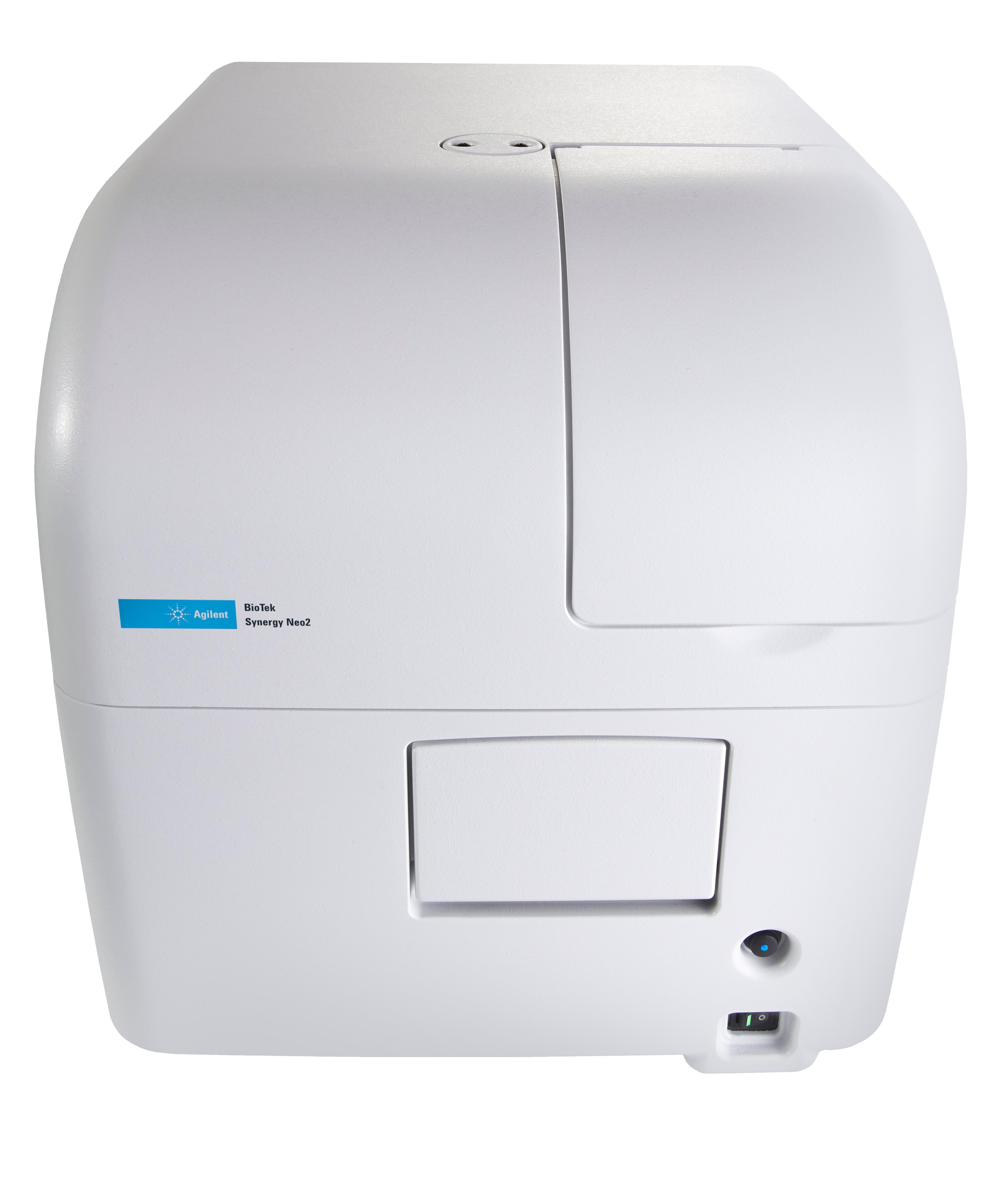
Agilent BioTek Synergy Neo2 Hybrid Multimode Reader
Agilent TechnologiesAgilent BioTek Synergy Neo2 multimode microplate reader features proprietary Hybrid Technology, with independent optical paths that ensure excellent performance in all detection modes. Variable bandwidth quad monochromators, sensitive high transmission filter-based optics, laser TRF, and up to 4 PMTs provide ultrafast measurements.