ResourceSeparations

Quantification of carbohydrates in various matrices

5 Mar 2024

CAMAG highlights methods for the quantification of carbohydrates in various matrices using the HPTLC PRO System. The quantification of carbohydrates can be challenging due to their high polarity, low volatility, lack of a chromophore, and their common occurrence in complex matrices. The HPTLC PRO allows for the separation of mono- and oligosaccharides after minimal sample preparation and sensitive detection and quantification of these compounds after post-chromatographic derivatization. The note provides a method that can reliably and accurately quantify carbohydrates in different matrices using the HPTLC PRO System.

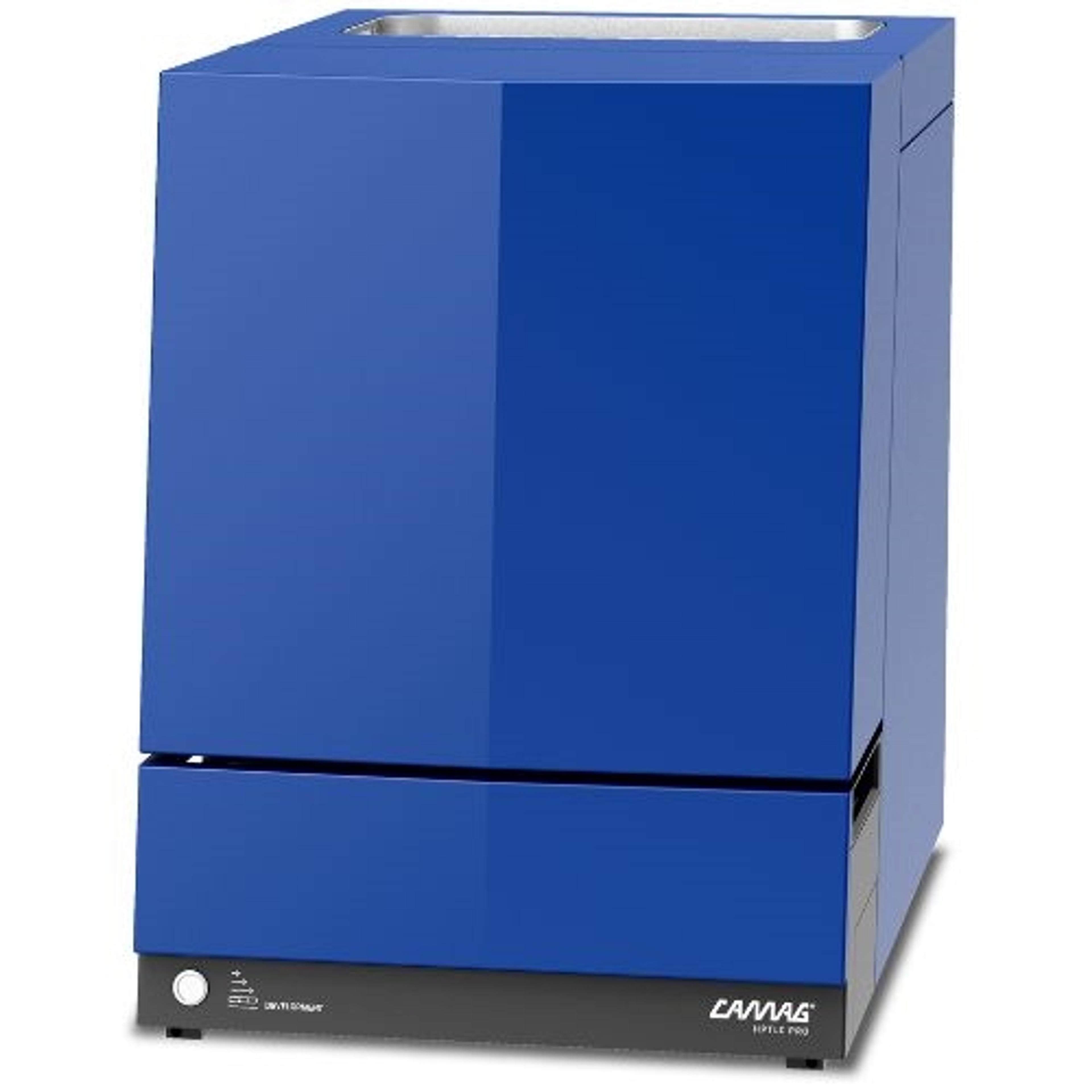
HPTLC PRO Module DERIVATIZATION

CAMAG

Derivatization is often used to visualize specific substance classes after separation on HPTLC glass plates (20 x 10 cm). Due to its unique and patented “micro droplet” spraying technology, the fully-automated HPTLC PRO Module DERIVATIZATION ensures homogeneity and reproducibility in applying derivatization reagents.
(0)

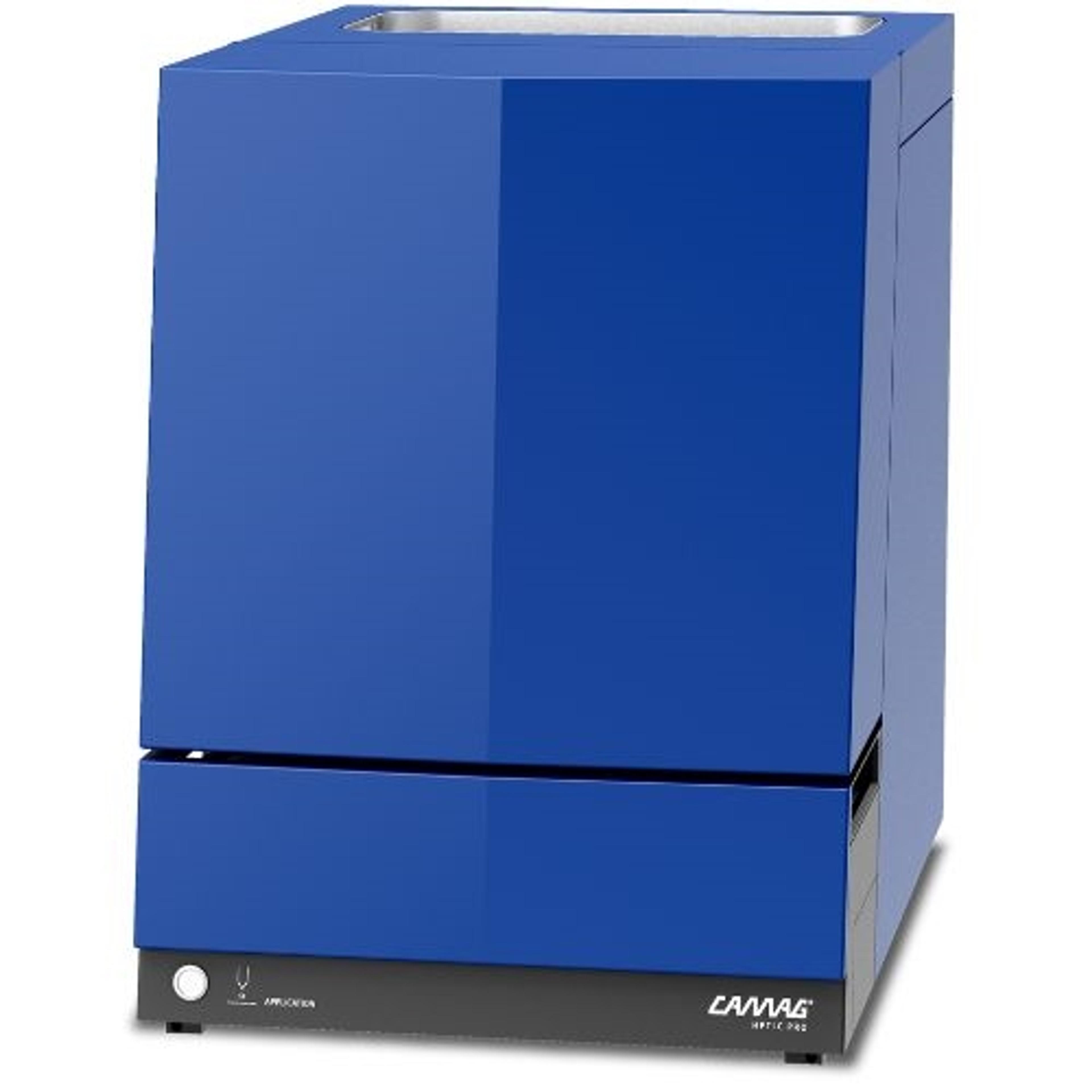
HPTLC PRO Module DEVELOPMENT

CAMAG

Chamber designed to separate analytes using optimized parameters (activation and preconditioning of the HPTLC glass plate (20 x 10 cm) before, conditioning during, and drying after development).
(1)

Links

Tags

MicroplatesMicroplates are multi-well plates used to increase the throughput of biological investigations. The number of wells microplates contain can range from 6 to 3243 wells, with the 96-well format being the most commonly used. Microplates can come tailored for a range of applications including cell culture, PCR, filtration, storage, non-binding surface, protein crystallization, as well as pre-coated, deep well and normal Standard microplates. Additionally, options for microplate colors include clear , black, white or black with clear bottom and white with clear bottom for absorbance microplate reader applications. Find the best microplates for your lab in our peer-reviewed product directory: compare products, check customer reviews and receive pricing direct from manufacturers.Data AnalysisData analysis hardware and software is available to make data processing straight-forward yet powerful. Data software can be used for math and stats, technical graphing and image analysis. In addition, software is available for specific data analysis of electrophoresis, densitometry, ELISA and DNA sequencing.Thin Layer ChromatographyThin-layer chromatography (TLC), also called planar chromatography, is an inexpensive and simple liquid chromatographic technique used to separate and identify small amounts of compound in a mixture, monitor progress of a reaction or determine purity of substance. TLC plates come in multiple sizes with common adsorbent layers being silica, aluminum oxide or cellulose and high-performance (HP-TLC) plates are also available for increased sensitivity. Other equipment needed includes TLC developing chambers, applicators, TLC sprayers and visualizing devices, such as a viewing cabinet and UV lamp. Find the best TLC products in our peer-reviewed product directory: compare products, check customer reviews and receive pricing direct from manufacturers.Food and Beverage AnalyzersFood and Beverage Analyzers are commonly used to provide information about the chemical composition, structure and physical properties of food materials.Food and Beverage ProcessingFood and Beverage Processing involves the preparation of food products for further analysis. Typical instrumentation includes blanchers, color sorters, cookers, grinders, and refrigeration. These are used to replicate the processes commonly used in the commercial preparation of food and beverages.Compound AnalysisCompound analysis is used to discover specific compounds that could be promising candidates for pharmaceutical use. This potential is identified when compounds have the desired effect, such as interaction with a target protein, during high throughput screening.Bioprocessing / FermentationBioprocessing is the use of biological materials to perform commercial, scientific or medical research processes. Biological materials used include cells, enzymes and organisms. Usually bioprocessing requires a batch or continuous bioreactor such as a fermentor or cell culture system. The advantages of using a reactor include high productivity, easy configuration, adjustable values and automation.Chromatography Method DevelopmentChromatography method development is the process of designing and optimizing chromatographic techniques to separate and analyze complex mixtures. This includes selecting appropriate stationary and mobile phases, determining flow rates, and optimizing detection methods. Successful method development is essential for high-quality results in fields like pharmaceuticals, food safety, and environmental analysis. Explore chromatography method development tools in our peer-reviewed product directory; compare products, check reviews, and get pricing directly from manufacturers.ChromatographyChromatography is a powerful technique used to separate and analyze components of mixtures based on their chemical properties. It is widely used in fields like biochemistry, pharmaceuticals, and environmental analysis. By exploiting differences in the interaction of substances with a stationary phase and a mobile phase, chromatography enables precise purification and quantification of compounds. Whether you're working with complex biological samples or industrial chemicals, chromatography is essential for obtaining high-quality results. Browse our peer-reviewed product directory to find the best chromatography systems, compare products, read customer reviews, and get pricing directly from manufacturers.Food TestingFood testing refers to a variety experiments including PCR, mass spectrometry, processing, QuEChERS, analyzing and Kjeldahl.Carbohydrates
Quantification of carbohydrates in various matrices