ResourceSpectroscopy
Food Regulations in the Laboratory: Understood and Implemented
29 Sept 2018Working in the food and beverage industry is challenging yet rewarding. Natural products of varying composition need to be manufactured into consumer goods of constant high quality to meet consumer expectation. Inherent differences of the ingredients and varying production conditions ask for subtle but essential corrections to achieve the required quality level. Strict hygienic specifications are a prerequisite, thus requiring diligent execution of the work tasks.This guide examines the food safety trends and requirements which are in place to ensure error-free documentation and traceability.
Links
Tags
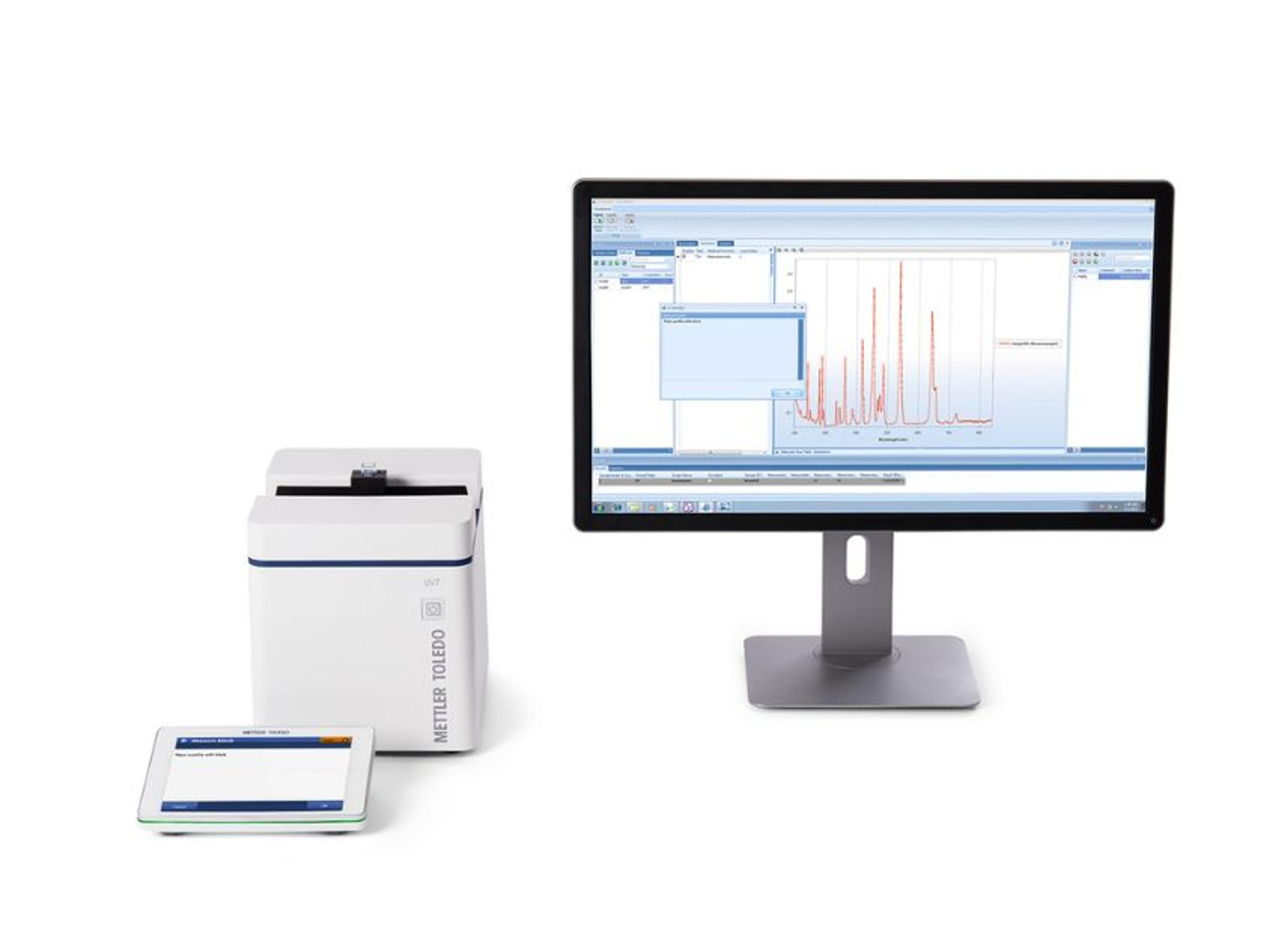
UV-Visible SpectroscopyUltraviolet-visible (UV-Vis) spectrophotometers are used to measure the interaction of UV and visible light with a sample, including transmission, reflectance & absorbance. The two major instrument classes are single-beam or double-beam spectrophotometers. More specialized equipment includes colorimeters, spectroradiometers and refractometers. Portable and microvolume spectrophotometers are also available. For the modular spectroscopy lab, explore a range of light sources for combination with a spectrograph/spectrometer and optics. Find the best UV-Vis spectroscopy products in our peer-reviewed product directory: compare products, check customer reviews and receive pricing direct from manufacturers.Balances and Moisture AnalyzersBalances & Moisture Analyzers / weighing scales measure static or dynamic loads. Features to consider when choosing an analytical balance include accuracy, capacity and resolution. Additional features and specialized balances include enclosures for weighing powder, microbalances for measuring small quantities, portable balances, moisture analyzers, top loading balances and internal calibration for measurements over time or with varied temperature.Food and Beverage AnalyzersFood and Beverage Analyzers are commonly used to provide information about the chemical composition, structure and physical properties of food materials.Food and Beverage ProcessingFood and Beverage Processing involves the preparation of food products for further analysis. Typical instrumentation includes blanchers, color sorters, cookers, grinders, and refrigeration. These are used to replicate the processes commonly used in the commercial preparation of food and beverages.Food SafetyFood safety describes the prevention of food-borne illnesses. Contamination with a variety of pathogens can be prevented with adequate temperature control, hygiene and labeling. Food samples can be tested using GC/MS, HPLC, SPE, and qPCR to ensure their adherence to regulations.Food AuthenticationFood authentication ensures that food products are accurately labeled and free from adulteration or misrepresentation. This is important for consumer safety, quality control, and regulatory compliance. Explore food authentication tools in our peer-reviewed product directory; compare products, check reviews, and get pricing directly from manufacturers.Food TestingFood testing refers to a variety experiments including PCR, mass spectrometry, processing, QuEChERS, analyzing and Kjeldahl.Food QualityFood quality refers to the attributes of food that influence its safety, nutrition, and taste. Monitoring and ensuring food quality are essential in production to meet health regulations and consumer expectations. Techniques like spectroscopy, chromatography, and microbial testing are used to assess food properties and detect contaminants. Browse our peer-reviewed product directory to find food quality testing solutions; compare products, check reviews, and get pricing directly from manufacturers.