
ResourceSeparations
Detection of sibutramine in slimming products by HPTLC and confirmation by HPTLC-MS
13 Apr 2020Diet foods, such as slimming coffee or dietary food supplements, are widely marketed and numerous preparations are available to consumers through several distribution channels. They are particularly easy to obtain via the internet. The fraudulent addition of sibutramine has recently been detected in many tainted natural slimming pills and is of serious health concern. In this application note, CAMAG demonstrates how the presence of sibutramine may be identified using thin-layer chromatography-mass spectrometry.
Related products
Request Quote for All Products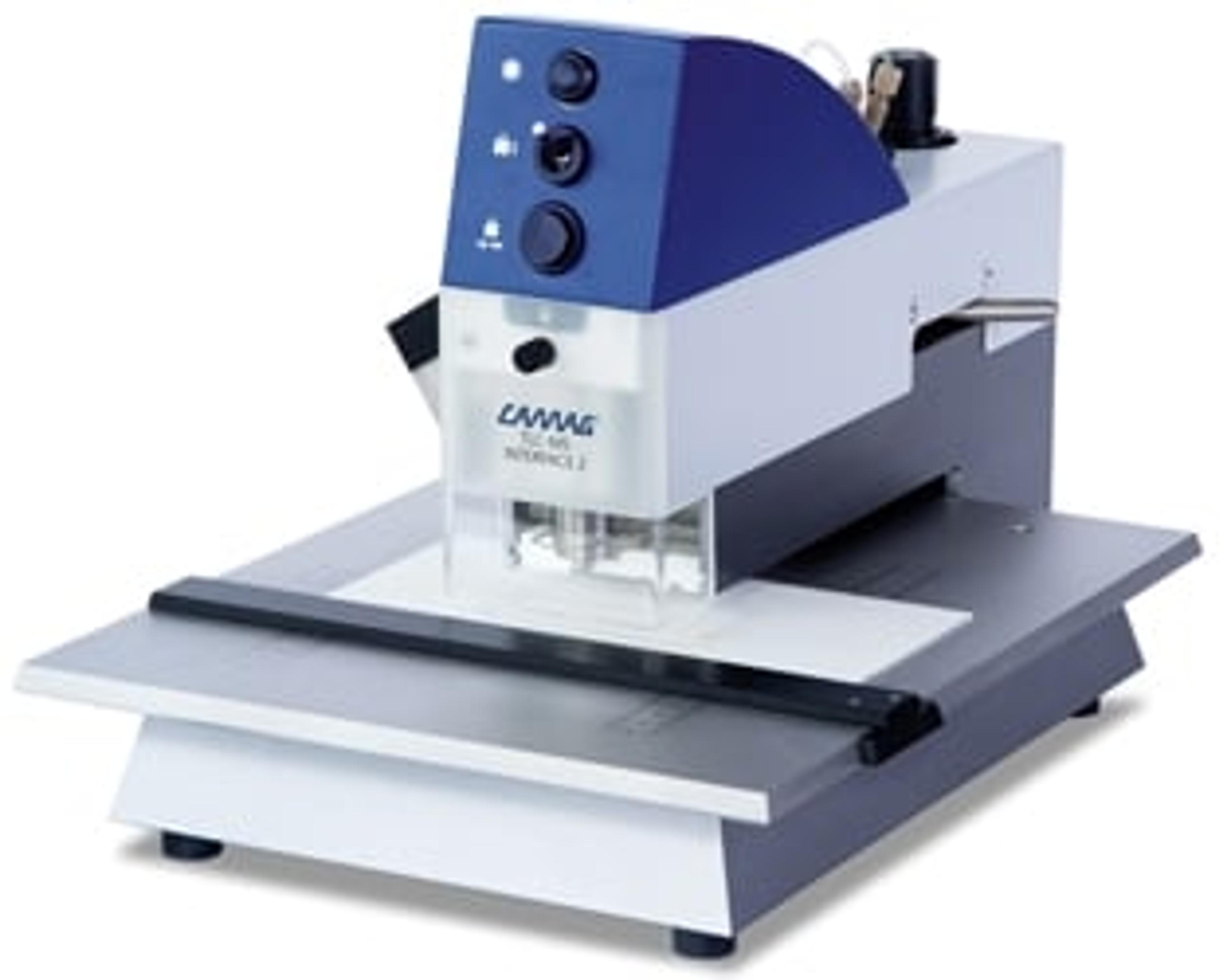
TLC-MS Interface 2
CAMAGThe TLC-MS Interface 2 enables users to directly analyze zones from TLC and HPTLC plates by mass spectrometry. A substance confirmation can be obtained in less than a minute.
Links
Tags
Thin Layer ChromatographyThin-layer chromatography (TLC), also called planar chromatography, is an inexpensive and simple liquid chromatographic technique used to separate and identify small amounts of compound in a mixture, monitor progress of a reaction or determine purity of substance. TLC plates come in multiple sizes with common adsorbent layers being silica, aluminum oxide or cellulose and high-performance (HP-TLC) plates are also available for increased sensitivity. Other equipment needed includes TLC developing chambers, applicators, TLC sprayers and visualizing devices, such as a viewing cabinet and UV lamp. Find the best TLC products in our peer-reviewed product directory: compare products, check customer reviews and receive pricing direct from manufacturers.Food and Beverage AnalyzersFood and Beverage Analyzers are commonly used to provide information about the chemical composition, structure and physical properties of food materials.Food and Beverage ProcessingFood and Beverage Processing involves the preparation of food products for further analysis. Typical instrumentation includes blanchers, color sorters, cookers, grinders, and refrigeration. These are used to replicate the processes commonly used in the commercial preparation of food and beverages.Mass SpectrometryMass spectrometry (MS) is a powerful analytical technique used to identify and quantify molecules based on the mass-to-charge ratio of gas-phase ions. It provides detailed information about the structure, composition, and properties of compounds and is widely used across fields such as environmental monitoring, materials science, drug discovery and development, food and beverage testing, and wider chemical research. Key MS techniques include tandem mass spectrometry (MS/MS), liquid chromatography–mass spectrometry (LS-MS) and inductively coupled plasma (ICP-MS). Choosing from these wide range of techniques and technologies can be a daunting task, so keep up to date with scientific applications, performance expectations, and customer reviews here all in one place. Visit our product directory to receive quotes direct from the manufacturer.
Food SafetyFood safety describes the prevention of food-borne illnesses. Contamination with a variety of pathogens can be prevented with adequate temperature control, hygiene and labeling. Food samples can be tested using GC/MS, HPLC, SPE, and qPCR to ensure their adherence to regulations.ChromatographyChromatography is a powerful technique used to separate and analyze components of mixtures based on their chemical properties. It is widely used in fields like biochemistry, pharmaceuticals, and environmental analysis. By exploiting differences in the interaction of substances with a stationary phase and a mobile phase, chromatography enables precise purification and quantification of compounds. Whether you're working with complex biological samples or industrial chemicals, chromatography is essential for obtaining high-quality results. Browse our peer-reviewed product directory to find the best chromatography systems, compare products, read customer reviews, and get pricing directly from manufacturers.Food TestingFood testing refers to a variety experiments including PCR, mass spectrometry, processing, QuEChERS, analyzing and Kjeldahl.Food ContaminationFood contamination refers to the presence of harmful substances or pathogens in food, posing risks to human health. Contaminants can be biological, chemical, or physical, and their detection is crucial for ensuring food safety. Advanced testing methods like PCR, chromatography, and spectroscopy are used to identify contaminants in food products. Browse our peer-reviewed product directory to find the best solutions for food contamination detection, compare products, check reviews, and get pricing directly from manufacturers.