
ResourceMaterials
Comparing Viscosity and Yield Stress of Creamy Peanut Butter Using Viscosity and Rheometry Data
Comparing Viscosity and Yield Stress of Creamy Peanut Butter Using Viscosity and Rheometry Data
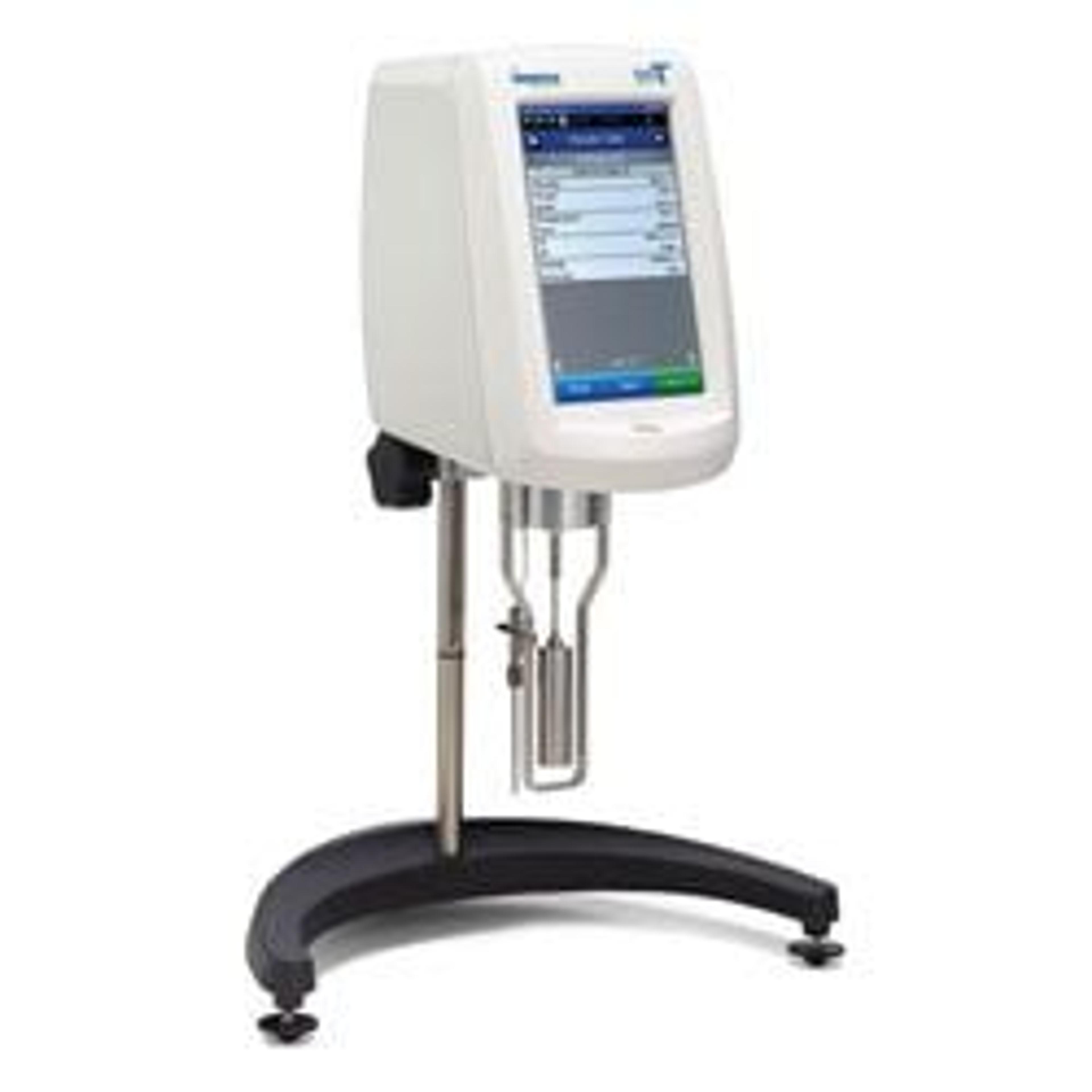
7 Jul 2015In this application note, the viscosity of two brands of creamy peanut butter were tested using two methods. Firstly, the viscosity was measured with the Brookfield Engineering HBDV-II+PRO, using with Rheocalc v3.1 software for automated instrument control and data acquisition. Secondly, yield tests were carried out using the Brookfield 5XHBDV-III Ultra Rheometer.
Related products
Request Quote for All Products
Links
Tags
Food and Beverage AnalyzersFood and Beverage Analyzers are commonly used to provide information about the chemical composition, structure and physical properties of food materials.Food and Beverage ProcessingFood and Beverage Processing involves the preparation of food products for further analysis. Typical instrumentation includes blanchers, color sorters, cookers, grinders, and refrigeration. These are used to replicate the processes commonly used in the commercial preparation of food and beverages.RheometryRheometers are used to measure the rheology of fluids, which is the flow of fluids in response to an applied force. The most common types of rheometer include shear rheometers (capillary, cone and plate and rotational cylinder) and extensional rheometers. Viscometers are similar to rheometers however viscometers only measure the viscosity of a fluid.ViscometersViscometers are used to measure the viscosity of a fluid. Types of viscometer include rotational, vibrational and falling piston viscometers. Options for viscometers include modular, portable, benchtop and temperature compensation and density measurement features.Non-Destructive TechniquesNon-destructive techniques (NDT) describes a variety of analytical techniques used to evaluate the properties of a material. Common methods include ultrasonic, magnetic-particle, liquid penetrant, radiographic, remote visual inspection (RVI), and eddy-current testing. NDT is regularly used in forensic engineering, civil engineering, mechanical engineering, electrical engineering, systems engineering, aeronautical engineering, and medicine.Quality ControlQuality control is needed in all production processes. Quality control is a monitoring procedure or set of procedures that are put in place to ensure that a manufactured product adheres to a defined set of quality criteria. AutomationAutomation in laboratories and manufacturing processes enhances efficiency, precision, and scalability by reducing the need for manual intervention. It plays a critical role in improving productivity, minimizing human error, and accelerating workflows in fields like diagnostics, drug development, and industrial testing. Automation technologies include robotic systems, automated liquid handlers, and process control systems that streamline complex tasks and ensure consistent, reproducible results. Explore our peer-reviewed product directory to discover the best automation solutions, compare options, read user reviews, and get prices directly from manufacturers.Food TestingFood testing refers to a variety experiments including PCR, mass spectrometry, processing, QuEChERS, analyzing and Kjeldahl.Rheology