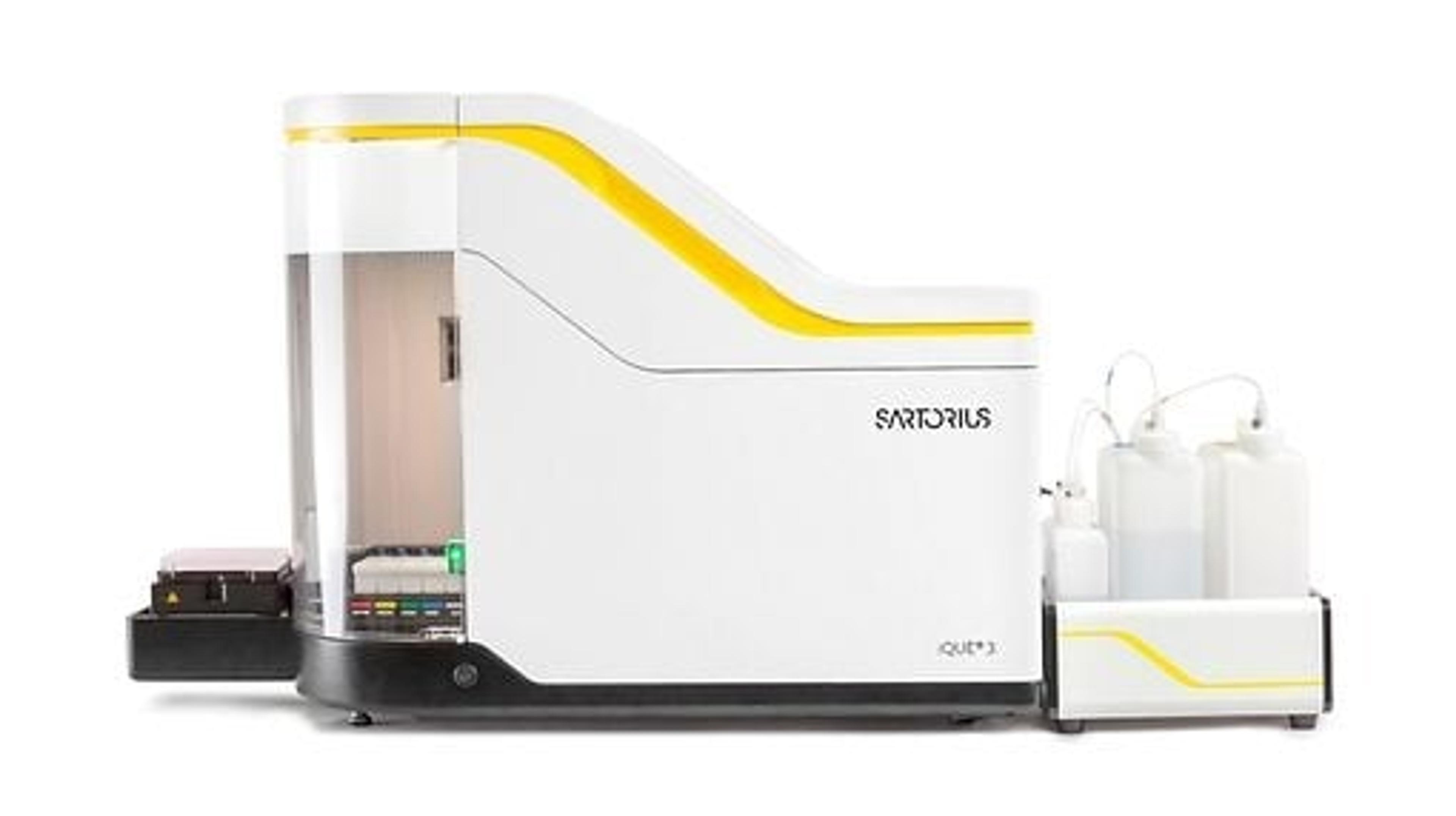
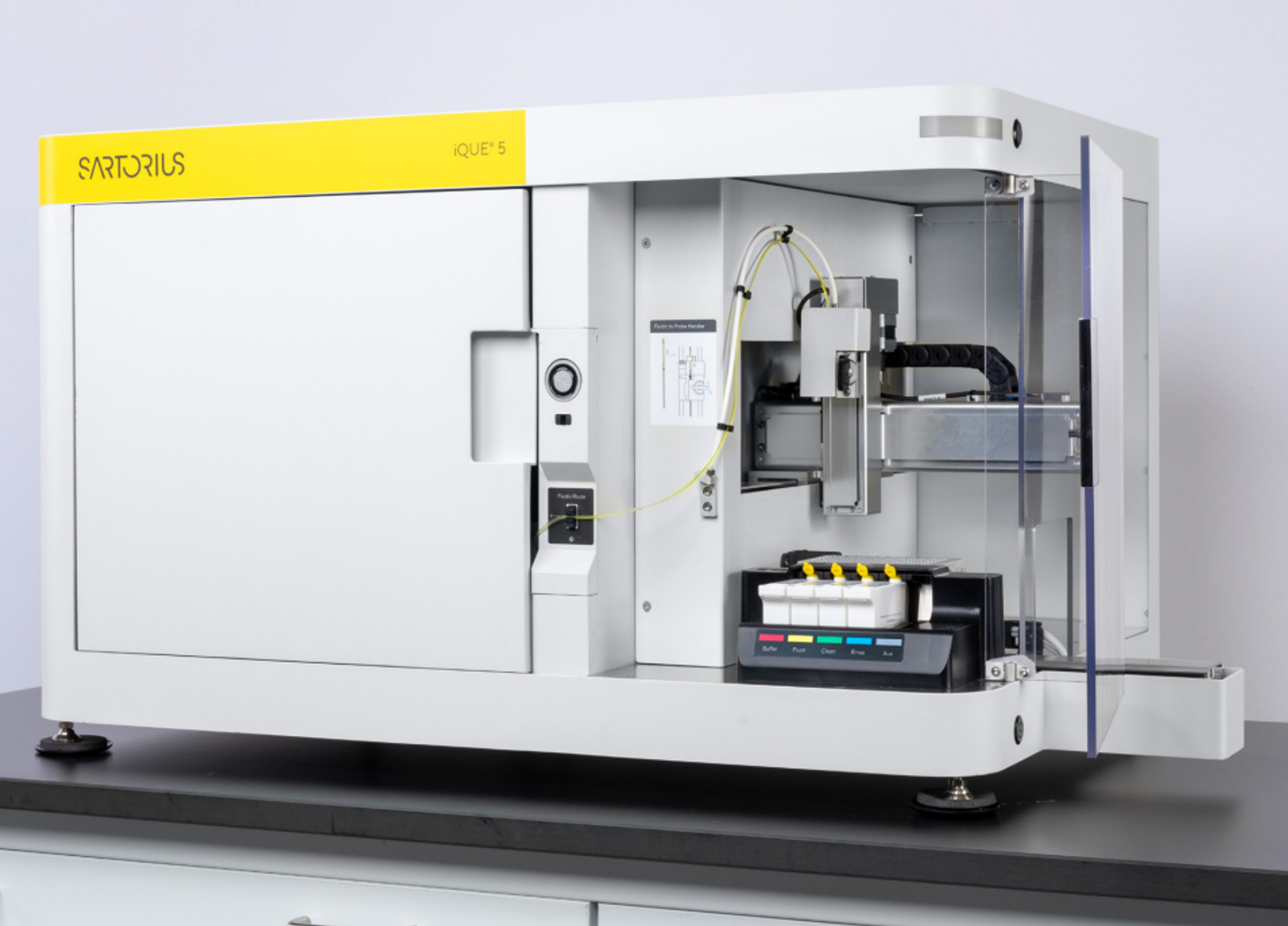
iQue®3 High-Throughput Screening Cytometry Platform
Truly Fast. Simply Effortless.


iQue ® HTS by Cytometry Platform


Receive your quote directly from the manufacturer.
Great instrument. Save my time while generate great data.
Flow Cytometry
The instrument is very user-friendly. It reads samples fast and allows high-throughput reads.
Review Date: 10 Feb 2023 | Sartorius Group
Can’t live without this instrument for sure.
Antibody screening
If connected with automation it can screen fifty 384-well plates in 24 hours. Very useful for high throughput antibody primary screening and still works for smaller size of flow assays.
Review Date: 10 Feb 2023 | Sartorius Group
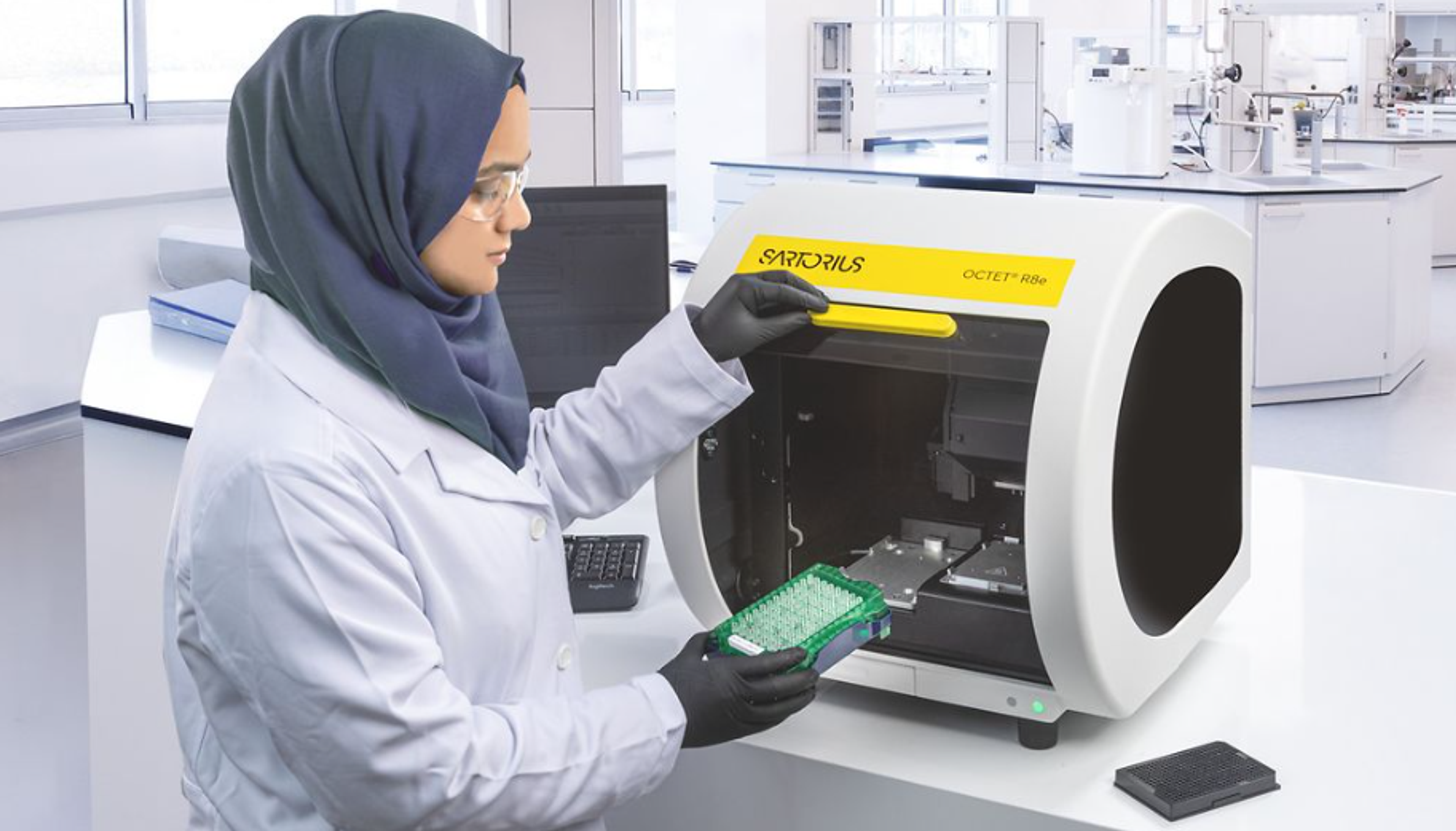
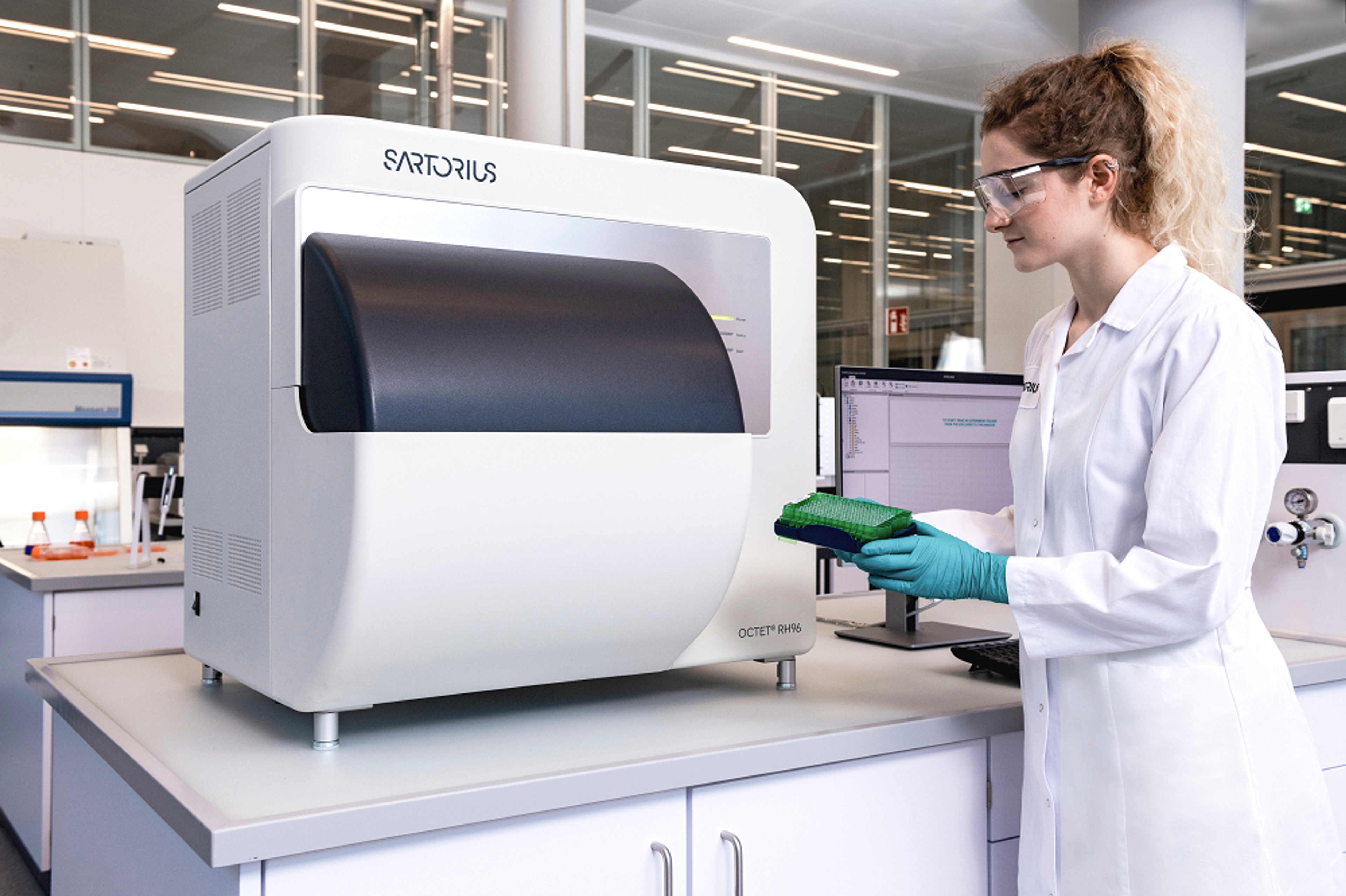
The iQue® 3 High-Throughput Screening (HTS) by Cytometry Platform offers a focus on speed, from setup to acquisition and analysis, to get you from samples to actionable results in record time.
This intuitive iQue® HTS cytometer can take you from sample - to biologically relevant data, faster than other instruments on the market. Complemented by elegant and easy-to-use software, users can go from sample acquisition to data-driven decisions, in the time it takes to have a coffee break.
A newly integrated enhanced rinse station monitors system reagent usage and consumption ensuring a smart way to detect there is always enough to complete your run. The platform allows researchers to acquire and analyze high content, multiplexed, miniaturized assays needed to assess immune cell function by combining cell immuno-phenotyping, cell health, and secreted protein (cytokine) analysis in every well of a microtiter plate.
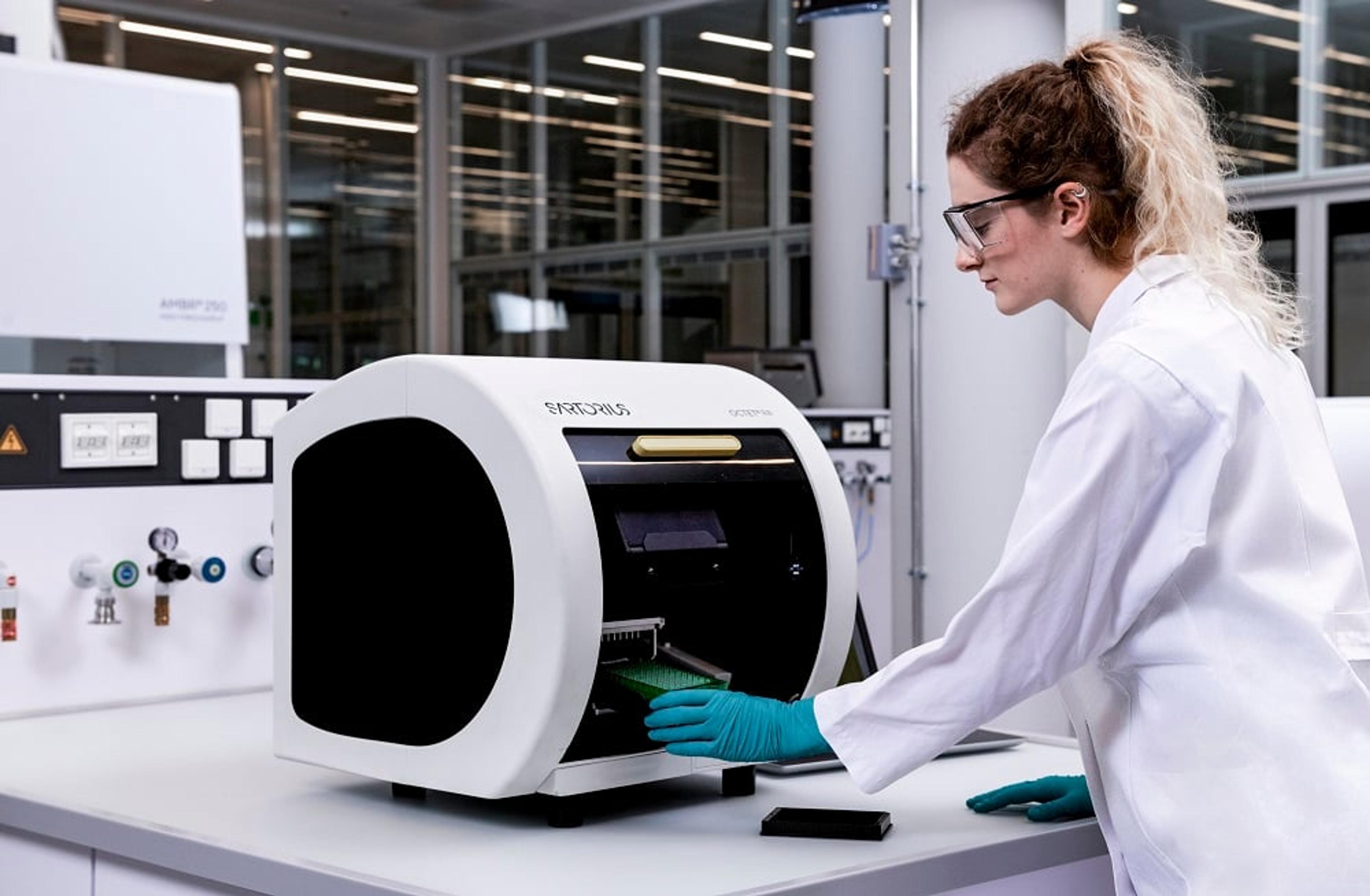
Automation with assorted plate loaders is simple.
The integrated Forecyt® software addresses the analysis bottlenecks associated with multi-parametric data generation by enabling rapid data visualization and interpretation. Tools such as profile maps, auto-generated IC50/EC50 curves, and analysis templates enable make for easier analysis at the end of a run. An advanced analysis feature called Panorama enables instant analysis of multiple plates even if run on separate days.
All these tools reduce data analysis time from days to minutes.

High-throughput cytometry for MSC, iPSC, and CAR-T studies
From regenerative medicine to cancer immunotherapy, the promise of cell therapies continues to expand. However, there are many challenges on the path from research to clinical application – particularly amongst analysis. One of the primary frustrations for researchers today is the complexity of advanced cell models, coupled with the need for efficient and scalable workflows that they can use to screen, characterize and monitor therapeutic cells.
This application guide highlights the use of High-Throughput Screening (HTS) by Cytometry to combat these challenges, particularly for mesenchymal stem cell (MSC), induced pluripotent stem cells (iPSC) and CAR-T studies.
Key topics explored:
- Mesenchymal stem cell identity and differentiation
- Optimizing advanced cell models
- Characterization and optimization of iPSCs
- Phenotypic and functional characterization of CAR-T cells
- Characterization of T cell activation

Increase efficiency in B cell workflows for clinical and biotherapeutic research and antibody development
In this application note, Sartorius addresses challenges in B cell workflows and highlights the drawbacks of traditional hybridoma methods, such as being time-consuming, costly, and inefficient. Sartorius proposes solutions to improve efficiency and performance by characterizing B cells earlier in the hybridoma development workflow. This approach aims to enhance the robustness of B cells, minimizing potential pitfalls in the development of therapeutic antibodies.
Utilizing advanced high-throughput cytometry to quantify direct and competitive live cell antibody binding
Monoclonal antibodies (mAbs) can be used to treat symptoms of inflammatory disease, with their success largely due to their high specificity and affinity for the target antigen. Evaluation of mAb target binding is a critical part of the antibody development process and robust, high-throughout techniques are needed to facilitate rapid screening of antibody libraries. In this application note, Sartorius presents two simple assays that utilize the iQue® Advanced Flow Cytometry Platform and validated reagents to measure the binding of unlabeled therapeutic mAbs to specific targets on live cells.

Evaluation of checkpoint inhibitor therapies using a mixed lymphocyte reaction (MLR) assay
Immune checkpoints are molecules that signal and control the synapse between T cells and antigen presenting cells (APCs). Checkpoint inhibitor therapies aim to target and inhibit the signals that ‘switch off’ T cells, leading to upregulation of T cell activation and tumor cell killing.
The mixed lymphocyte reaction (MLR) mimics the T cell and APC synapse by co-culturing immune cells from two individuals. Consequently, MLR is used as a model, to discover the effects of checkpoint inhibitor drugs in vitro, furthering biological research applications and drug discovery processes.
Join this webinar to find out about:
- The use of the iQue® MLR assay to generate pharmacological outputs for checkpoint inhibitor induced T cell activation
- The impact of checkpoint inhibitor therapeutics on inflammatory cytokine release
- How the iQue® Advanced Flow Cytometry Platform and associated reagent kits can be used to quantify T cell response in MLR
Speaker name: Kirsty McBain, Associate Scientist, iQue® Applications Group, Sartorius
Professional bio Kirsty McBain is an Associate Scientist in the iQue® Applications Group, part of the European based BioAnalytics at Sartorius, where she is involved in the research and development of novel applications.
Kirsty’s efforts are focused on the iQue® advanced flow cytometry platform, supporting a number of the immuno-oncology campaigns.

New strategies for laboratory testing of von Willebrand factor
In recent years, there have been advancements in von Willebrand disease (vWD) testing as well as updates in the diagnosis and management of vWD. Paradigm shifts in vWD testing in the context of new guidelines will likely lead to improvements in vWD diagnosis. In this SelectScience webinar, Dr. Edward Wong will explore these current diagnostic approaches and the advantages of new testing strategies.
Key learning objectives
- Demonstrate the current biological function of von Willebrand factor and how it affects testing strategies in the diagnosis of vWD
- Describe potential new testing strategies in the diagnosis of vWD
- Explain the new changes in the American Society of Hematology (ASH), the International Society on Thrombosis and Haemostasis (ISTH), the National Hemophilia Foundation (NHF), and the World Federation of Hemophilia (WFH) 2021 guidelines on the diagnosis of vWD
Who should attend?
- Clinicians (especially Adult and Pediatric Hematologists)
- Clinical Lab Scientists
- Lab Managers and Healthcare Scientists
Certificate of attendance
All webinar participants can request a certificate of attendance, including a learning outcomes summary, for continuing education purposes.
Accreditation statement
SelectScience is approved as a provider of continuing education programs in the clinical laboratory sciences by the ASCLS P.A.C.E.® Program. Attendees of this one-hour webinar are also entitled to 1.0 ACCENT Continuing Education Credits from the AACC. This activity was planned in accordance with ACCENT® Standards and Policies. Verification of Participation certificates are provided to registered participants based on completion of the activity, in its entirety, and the activity evaluation. For questions regarding continuing education, please email education@aacc.org.

Tools to streamline cell line development for biotherapeutics
Commercialization of a biologic is a lengthy and expensive process. Successful cell line development (CLD) is heavily dependent upon balancing time and resources with acquiring high-quality data for informed decisions. Each stage of the CLD workflow has challenges and there is a real need for advanced strategies and intelligent use of innovative solutions.
The CellCelector, iQue®, Octet®, and Ambr® 15 CC platforms are perfectly designed to seamlessly work together to streamline the early CLD workflow, enabling data-driven decisions and reducing risk during later stages of biologic development. In this webinar, Dr. Fern Slingsby, Ambr Product Specialist at Sartorius and Dr. Daryl Cole, Applications Scientist at Sartorius, will explain how integration of these platforms can be achieved, and where they best fit into the cell line development workflow.
Key learning objectives
- Learn about the early CLD workflow and the bottlenecks associated with the various stages
- Discover instruments which are suited to high-throughput demands and where they fit into the CLD workflow
- Establish a strategy for a simplified approach to cell line development
Who should attend?
- Analytical scientists and researchers involved in early drug discovery and cell line development
- Bioprocessing engineers and scientists
- Process development engineers and scientists
- Lab managers
Certificate of attendance
All webinar participants can request a certificate of attendance, including a learning outcomes summary, for continuing education purposes.

Introducing iQue's 2nd edition high-throughput cytometry handbook
Comprehensive digital guide to high-throughput screening (HTS) by cytometry, featuring assays, application data, and more

New Sartorius advanced flow cytometry digital handbook
A comprehensive and interactive digital guide to advanced flow cytometry with assays, applications, and other resources