New Sartorius advanced flow cytometry digital handbook

A comprehensive and interactive digital guide to advanced flow cytometry with assays, applications, and other resources

31 Oct 2023

Lawrence Howes
Editorial Assistant

Product news

Eileen Hannigan and Sarah Nadin, Assay Development team at Merck
Sartorius Advanced Flow Cytometry Handbook

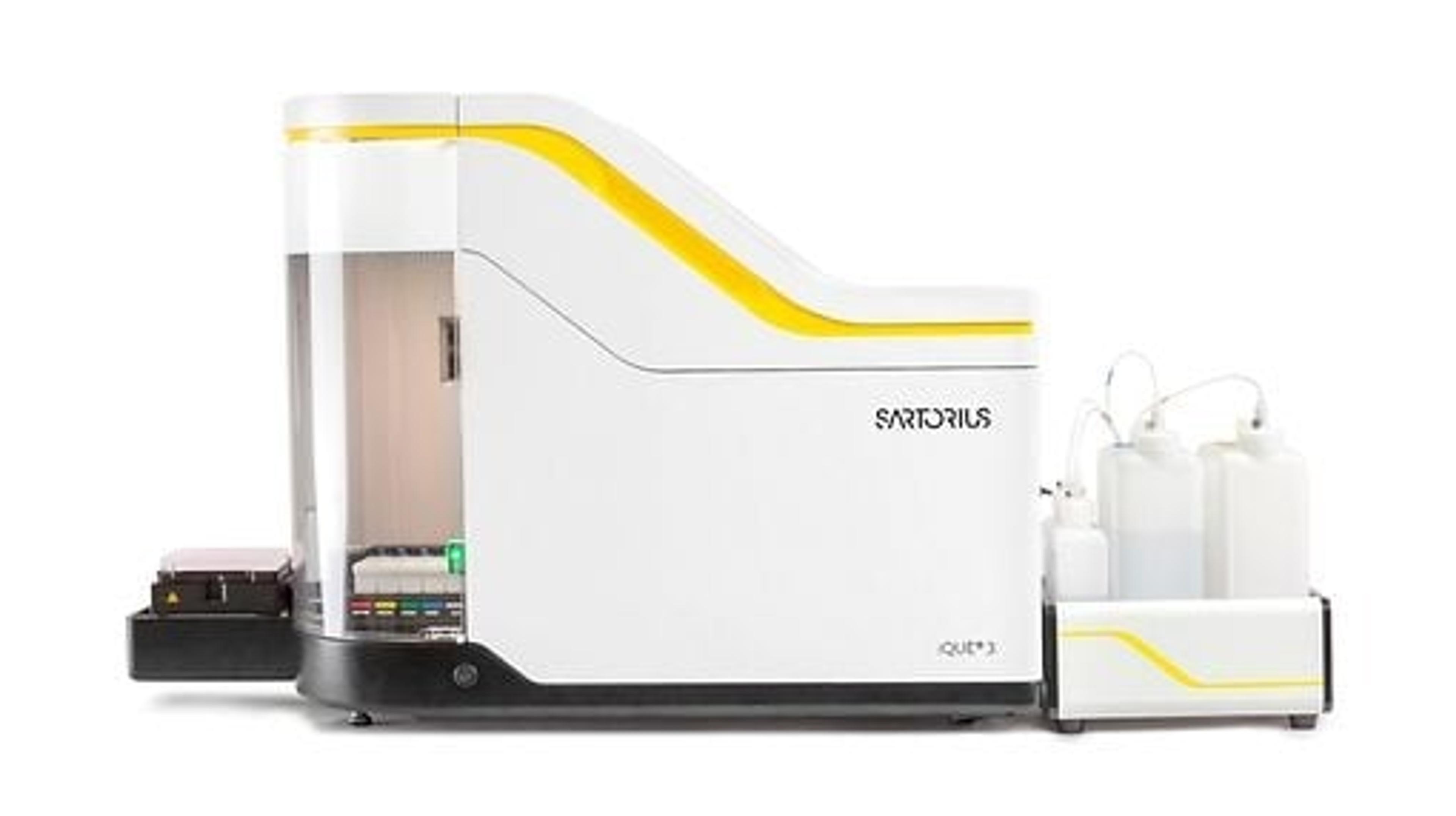
Sartorius has released its first Advanced Flow Cytometry Handbook as a comprehensive digital guide to assays and workflows on the iQue® Advanced High Throughput Flow Cytometry Platform.

The handbook is designed as a go-to reference for flow cytometry users. Scientists using traditional systems will learn how routine workflows can benefit from the speed, throughput, and multiplexing capabilities offered by the iQue Advanced Flow Cytometry Platform. Labs already familiar with the iQue Platform can stay up to date on new reagents, assay kits, and software releases, as well as the latest Sartorius publications featuring the applications of advanced flow cytometry in both popular and emerging fields.

Similar to other Sartorius’ publications, this handbook includes easy navigation to topics of interest, informative workflow illustrations, detailed application examples, and direct links to external resources for continued learning. Handbook chapters feature iQue Advanced Flow Cytometry applications in cell health, secreted proteins, cell line development, biologics discovery, immune cell models, and cell therapy. Each chapter presents streamlined protocols and validated mix-and-read assays, in addition to publication-ready data figures generated on the integrated iQue Forecyt® software.

The chapter on secreted proteins highlights a unique advantage of the iQue Platform: the ability to combine both cells and beads (Qbeads®) in the same assay, allowing simultaneous assessment of biologically relevant secreted proteins and cytokines. Later chapters demonstrate how this enhanced multiplexing capability translates into richer biological insights in antibody discovery and immune profiling research.
Want the latest science news straight to your inbox? Become a SelectScience member for free today>>

Links

Tags

ProteomicsProteomics is the systemic bioinformatics study of proteins and amino acids, including their structure, size, function and identification. Tools used in proteomics include chromatography, blotting and gels, protein arrays, mass spectrometry and ELISA and associated analysis software. Analyzers and proteomic systems should be sensitive, high resolution, fast and may be automated for high-throughput.Flow Cytometry / Cell CountingFlow cytometers are used to count, sort and examine multiple characteristics of cells. Other cell analysis equipment includes image cytometers, cell counters, fluorescence-activated cell sorters (FACS), magnetic-activated cell sorters (MACS), and a range of flow cytometry assay kits. Flow cytometers can reveal information on cell viability, cell proliferation, apoptosis and cell cycle progression, as well as identify cell populations and intracellular or cell-surface molecules. Additionally, some flow cytometers, known as FACS, have an additional sorting function after analysis. Cell counters and image cytometers count live and dead cell populations and can also conduct cell proliferation assays. Find the best flow cytometers, cell counters and cell sorters in our peer-reviewed product directory: compare products, check customer reviews and receive pricing direct from manufacturers.Protein PurificationProtein purification is a vital step in drug discovery, therapeutics, biotech and life science research. The purification process typically involves subcellular or membrane protein extraction with cell lysis kits, separation of proteins from cell debris by filtration or spin columns, and the isolation of proteins of interest from other proteins and impurities with affinity purification (including fusion protein tags and antibody binding proteins A, G and L), immunoprecipitation or chromatographic methods, such as ion exchange, size exclusion and immobilized metal affinity chromatography. All purification methods come in multiple formats for your laboratory needs, including agarose or magnetic beads, resins, columns and filter plates. Find the best protein purification equipment in our peer-reviewed product directory: compare products, check customer reviews and receive pricing direct from manufacturers.Protein QuantificationThe detection and quantification of proteins in a sample is vital across life sciences, pharmaceutical research and clinical diagnostics, and a variety of equipment is available to scientists to simplify the workflow. Proteins of interest can be easily labeled and detected on light-based detection instruments. Immunoassay kits allow you to identify a specific protein of interest and protein detection beads or antibody microarrays allow you to identify multiple specific proteins at once. Protein interactions and enzyme activity can also be monitored with protein-protein interaction assays. Additionally, the biophysical characterization of proteins is made easy with biokinetic analyzers. Find the best protein detection and quantification products in our peer-reviewed product directory: compare products, check customer reviews and receive pricing direct from manufacturers.Protein ExpressionProtein expression is the utilization of cell machinery for the synthesis of proteins and has become a critical tool in biotherapeutic, genomic, and proteomic research. Produce recombinant proteins with expression vectors in combination with a host cell suitable for high-level protein expression. For production of toxic proteins, consider cell-free expression vectors. Create and monitor post-translational modifications with protein modification kits. Find the best protein expression products in our peer-reviewed product directory: compare products, check customer reviews and receive pricing direct from manufacturers.BiologicsBiologics are medical products derived from living organisms, including vaccines, gene therapies, and monoclonal antibodies. These treatments are key to modern healthcare, especially in oncology and autoimmune diseases. Explore biologics research tools in our peer-reviewed product directory; compare products, check reviews, and get pricing directly from manufacturers.Cell Based AssaysCell-based assays use living cells to measure biological responses to various treatments or stimuli. They are essential for drug discovery, toxicology testing, and understanding cellular mechanisms. These assays are used to assess cell viability, proliferation, gene expression, and other cellular activities. Browse our peer-reviewed product directory to find the best cell-based assay tools and reagents, compare products, read customer reviews, and get pricing directly from manufacturers.Protein BiologyThe analysis of protein expression, identity and function is vital for many areas of life science research and drug discovery. Some of the most commonly used techniques in protein analysis include Western blotting, electrophoresis and mass spectrometry.