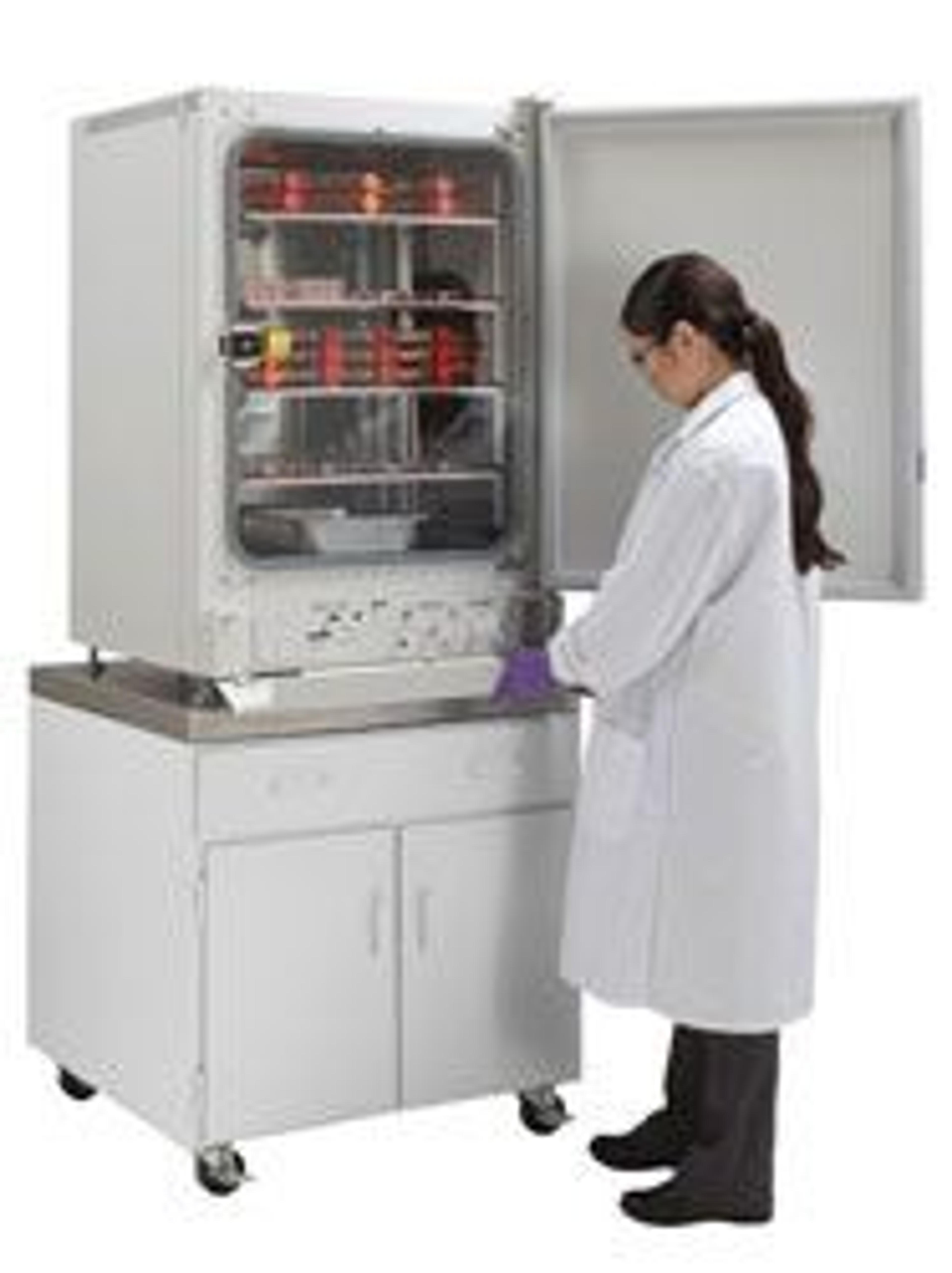
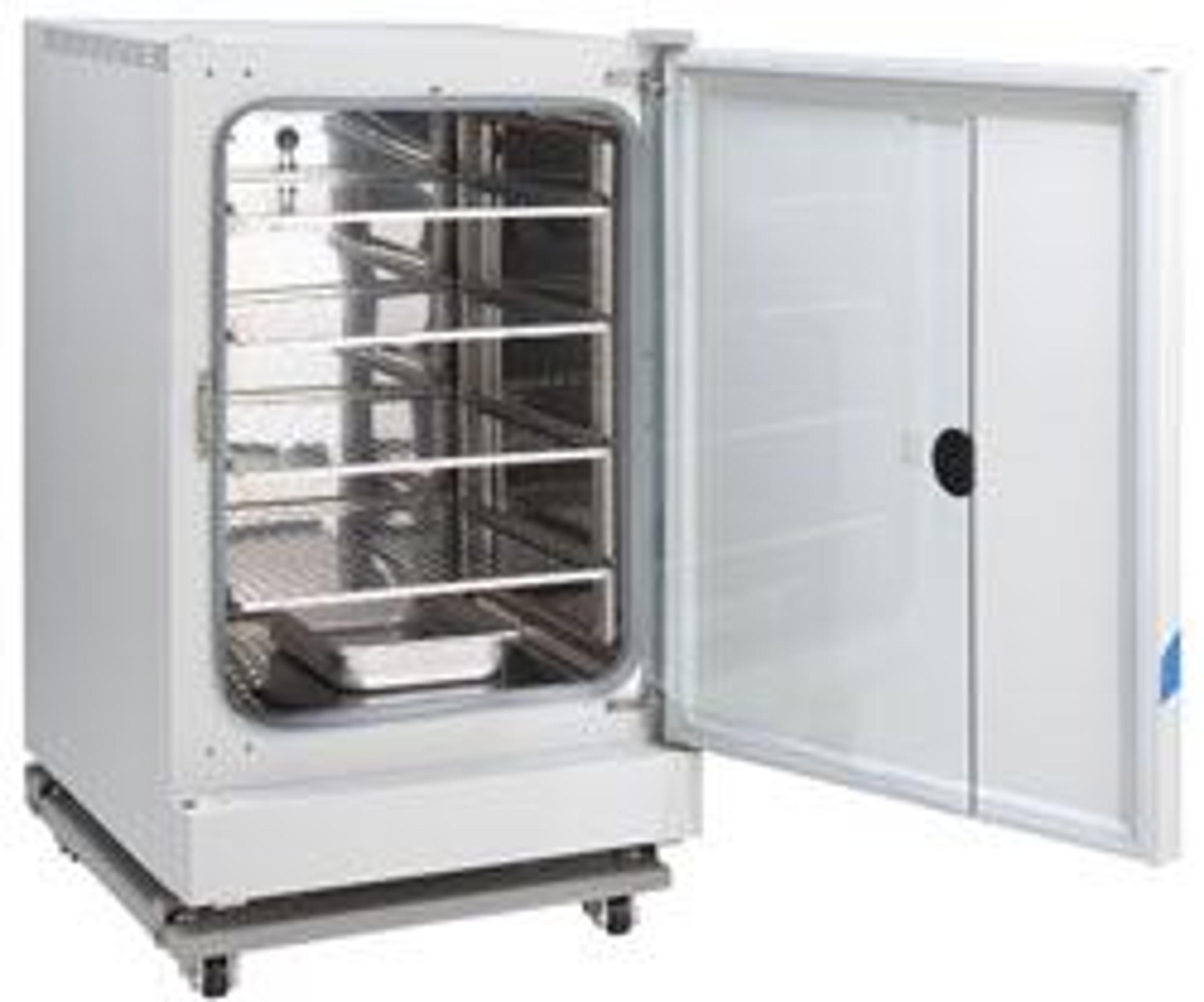
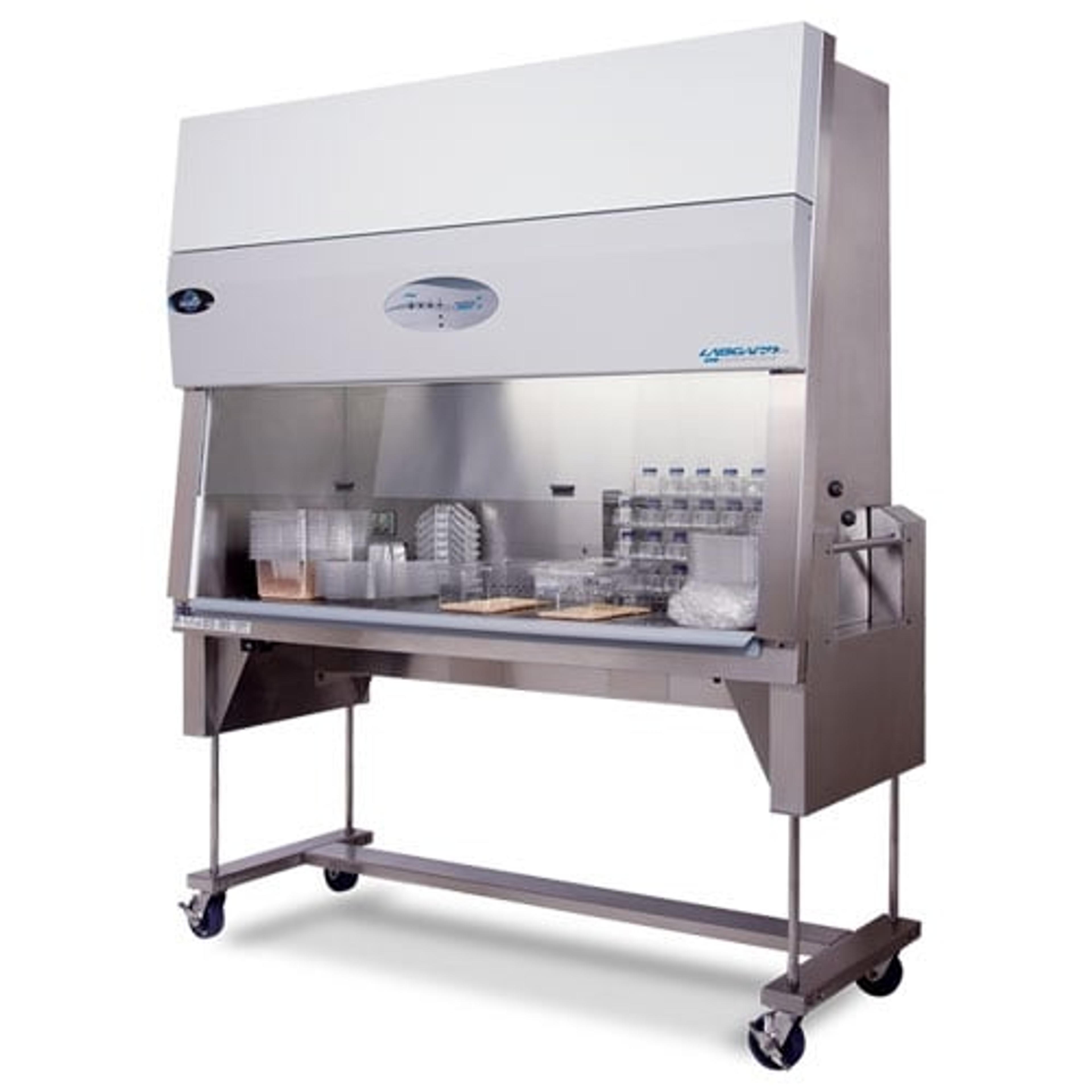
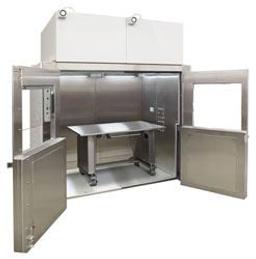
AutoLabGard ES NU-125 Mini-Room Class II, Type A2 Biosafety Cabinet
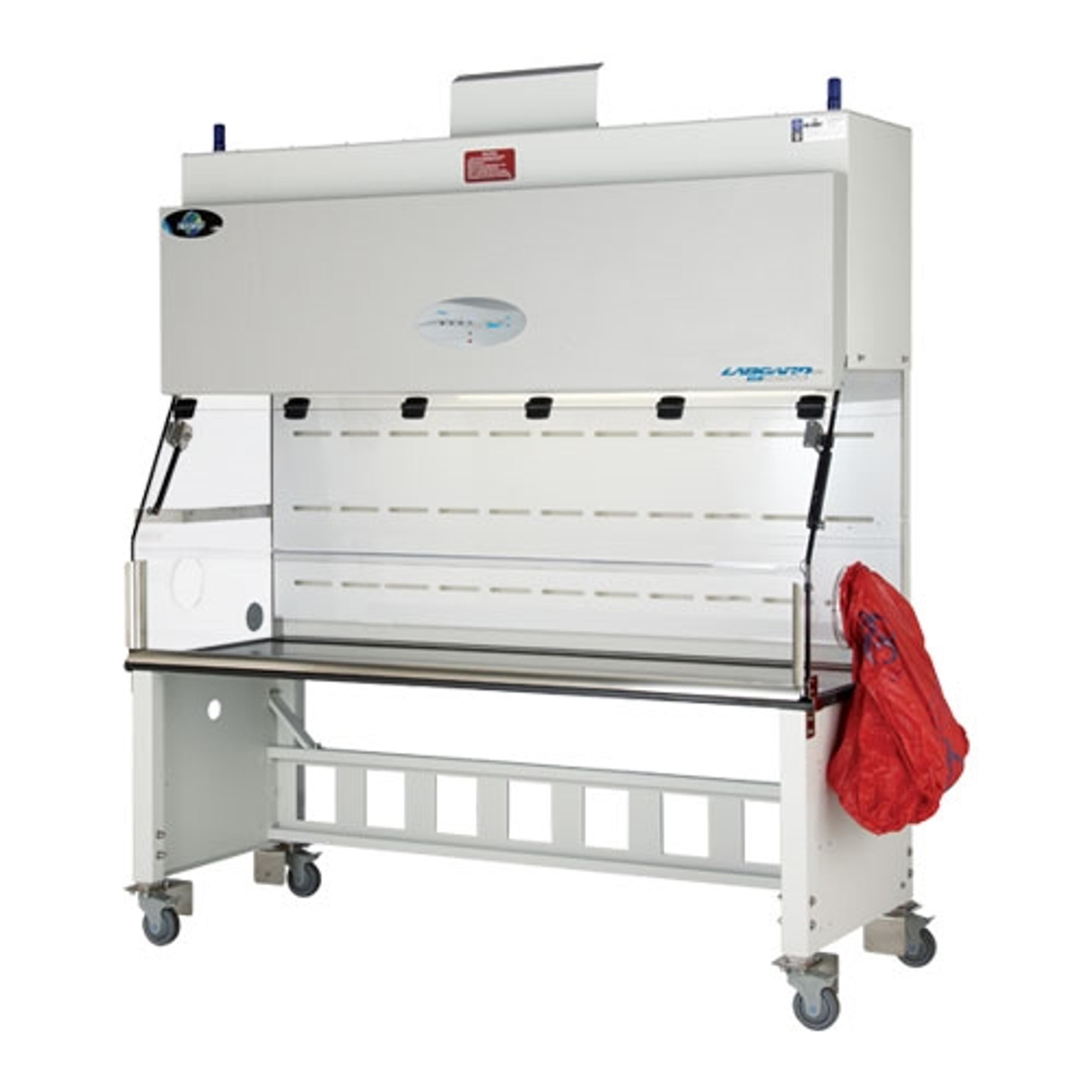
The AutoLabGard ES (Energy Saver) NU-125 Mini-Room is designed after a Class II, Type A2 Biological Safety Cabinet on a larger scale to provide Class II protection for personnel, product, and the environment. The mini-room can be used for applications involving high-throughput robotic systems, large high-speed cell sorters, ultra-centrifuges, and laboratory equipment requiring Class II protection from potentially harmful aeros…


Receive your quote directly from the manufacturer.
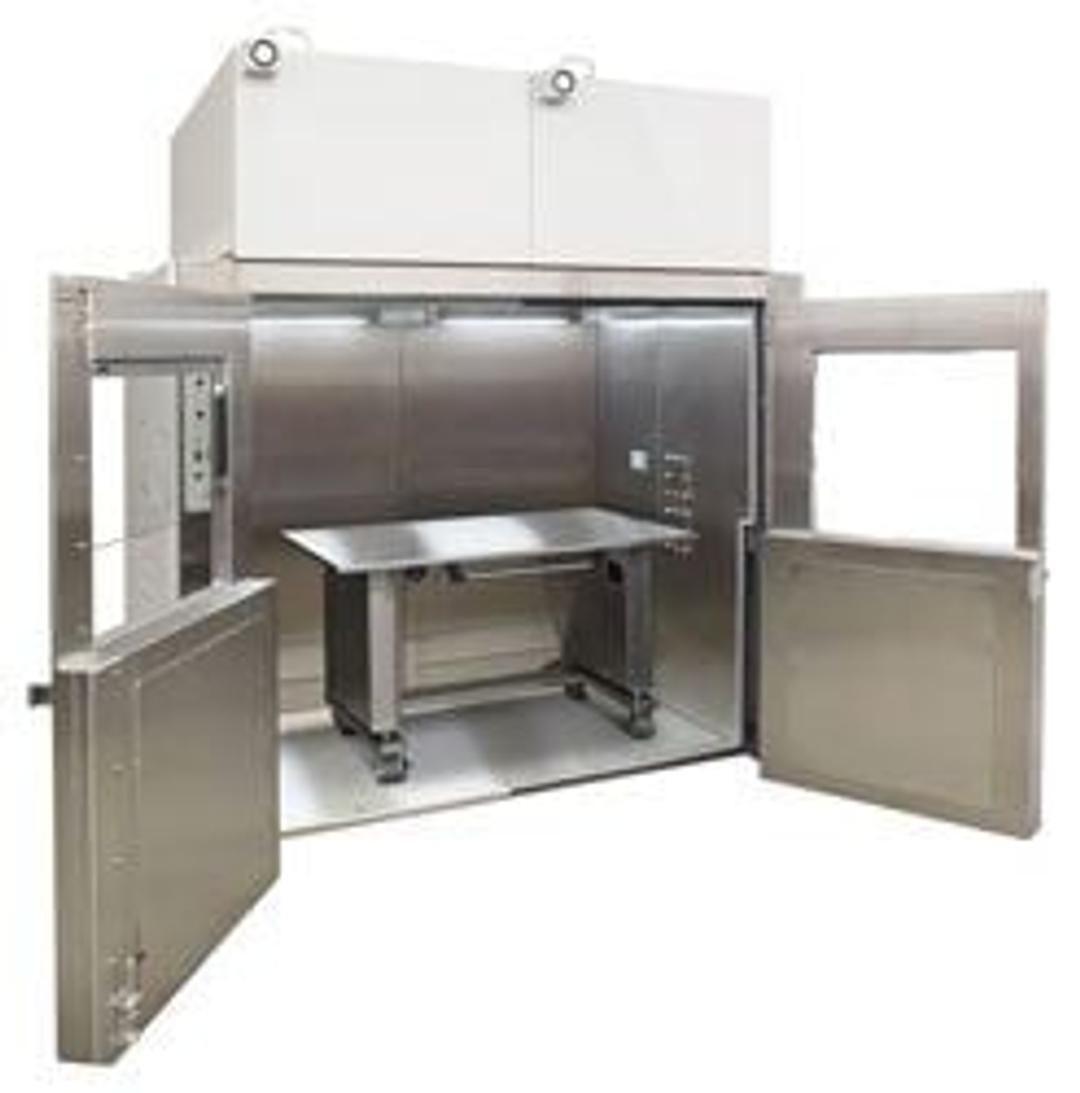
The AutoLabGard ES (Energy Saver) NU-125 Mini-Room is designed after a Class II, Type A2 Biological Safety Cabinet on a larger scale to provide Class II protection for personnel, product, and the environment. The mini-room can be used for applications involving high-throughput robotic systems, large high-speed cell sorters, ultra-centrifuges, and laboratory equipment requiring Class II protection from potentially harmful aerosols and airborne particles.
The NU-125 AutoLabGard ES is constructed with an interior stainless steel floor and wall panels that are gasketed and bolted together. Painted exterior Cold Rolled Steel (CRS) cover panels are gasketed and bolted to the stainless wall panels that make up the negative pressure plenum. Painted CRS blower modules are mounted on top of the wall panels and contain both the supply and exhaust HEPA filters along with the ultra-high efficiency DC ECM motors. Stainless steel doors complete the cabinet enclosure with a hinged window assembly mounted on each door providing an 8 inch (203mm) access opening. If additional access is needed to the interior for user or system interfaces (i.e. power/computer cables, process tubing, etc.), negative pressure pass through ports may be added to the sides or rear of the enclosure that maintain enclosure containment.
The airflow pattern of the NU-125 AutoLabGard ES is identical to any class II, type A2 biosafety cabinet. Room air is pulled into the cabinet through the work access opening at an average velocity of 105 fpm (.53 m/s) to provide an air barrier. Engineered with an ultra-high efficiency motor the AutoLabGard lowers operating costs by using less electricity and increasing filter life with less heat output. Each NU-125 is tested and comes with a certified copy to tests consistent with standard NSF/ANSI 49.
Contact NuAire today to start your high-throughput robotic system enclosure consultation.
Example Application:
A perfect match for the BD FACS Airflow Cytometer Laboratory equipment or processes requiring sterility Class II Biological Safety Cabinet protection for robotics

Building a custom biosafety cabinet around your laboratory automation equipment
This whitepaper covers designing a custom biosafety cabinet (BSC) for laboratory equipment that requires primary containment. Discover how to determine if the equipment needs to be placed inside a custom BSC, the critical discussion points for custom BSC design, the physical placement of the custom BSC, and the considerations for performance testing and field certification.
by Julianne Baron, PhD, CPH, RBP
This whitepaper is shared as part of the global #CLINICAL24 conversation
Biosafety cabinet selection in the context of risk assessment
The process of conducting a risk assessment can be crucial before initiating experiments involving potentially hazardous conditions or materials in the laboratory. This eBook provides comprehensive guidance on understanding, performing, and incorporating risk assessments into biological materials work. It covers the definition of a risk assessment, evaluation of hazards, implementation of control measures, and selection of biosafety cabinets (BSCs) based on risk assessment outcomes.
by Julianne Baron, PhD, CPH, RBP
10 tips for working safely with the NuAire Biosafety Cabinet
When working in the laboratory with a NuAire Biosafety Cabinet, following strict safety protocols is crucial. This infographic highlights a number of safety procedures ranging from understanding airflow and maintaining the proper sash level to the superior handling of tubes, Petri dishes, and aspirator bottles. Many common procedures in Biological Safety Cabinets (BSCs) may create splatter or aerosols, so techniques to reduce their generation are crucial to minimize personnel exposure to infectious materials.
Biosafety made simple: A journey into biosafety cabinet selection and custom solutions
In the domain of laboratory safety and containment, biosafety cabinets (BSCs) serve as the primary defense against potentially dangerous materials and pathogens. Yet, it is essential to recognize that not all BSCs are alike. Every laboratory operates with its distinct research goals, procedures, and safety measures, making the one-size-fits-all approach insufficient. Customization emerges as the key to bridging this gap.
In this application eBook, we examine biosafety cabinets (BSCs) and their pivotal role in laboratory safety and efficiency. This expert guide will explore the significance of conducting thorough risk assessments before starting new experiments to determine what kind of biosafety cabinet you need before searching for a suitable vendor.
This guide will also cover:
- Custom-built biosafety cabinets
- Experimental setups
- Safety protocols
Airflow in automation: Custom solutions for enhanced biosafety
Laboratory's using automated robotic equipment still often require biosafety cabinets to ensure the safe handling of hazardous materials. Choosing a biosafety cabinet for automated equipment can be more challenging due to the size of robotic equipment which can cause challenges with airflow.
In this video, Seth De Penning and Drew Pippin from NuAire highlight a biosafety cabinet as an important complement to any automated equipment, detailing how a custom solution can overcome the challenges with airflow that can arise when trying to use a ready-made cabinet.
This video was filmed at SLAS2023.