SelectScience InterviewsSpectroscopy

Speeding up forensics with advanced spectroscopy tools

2 Oct 2025
Speeding up forensics with advanced spectroscopy tools

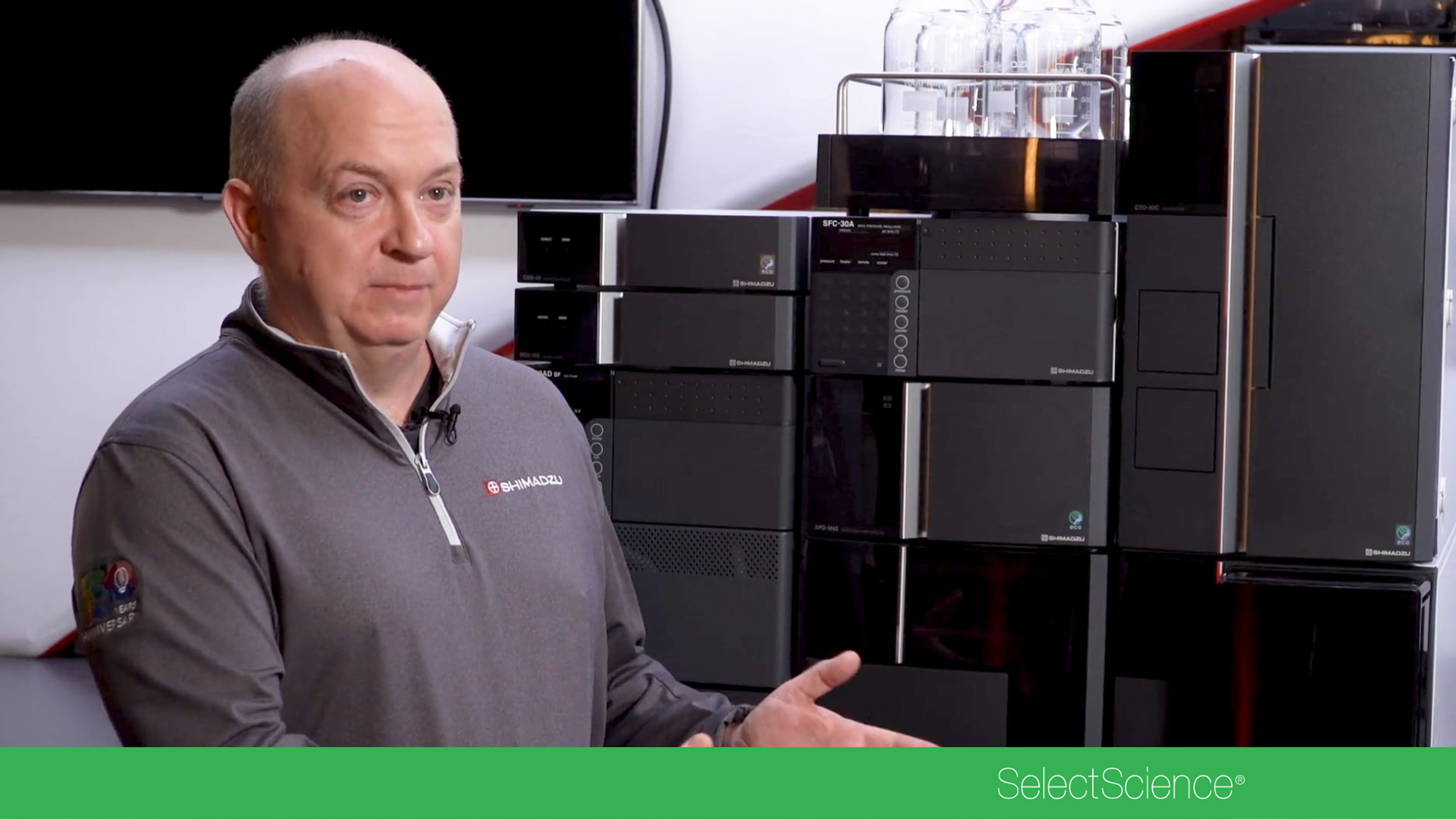
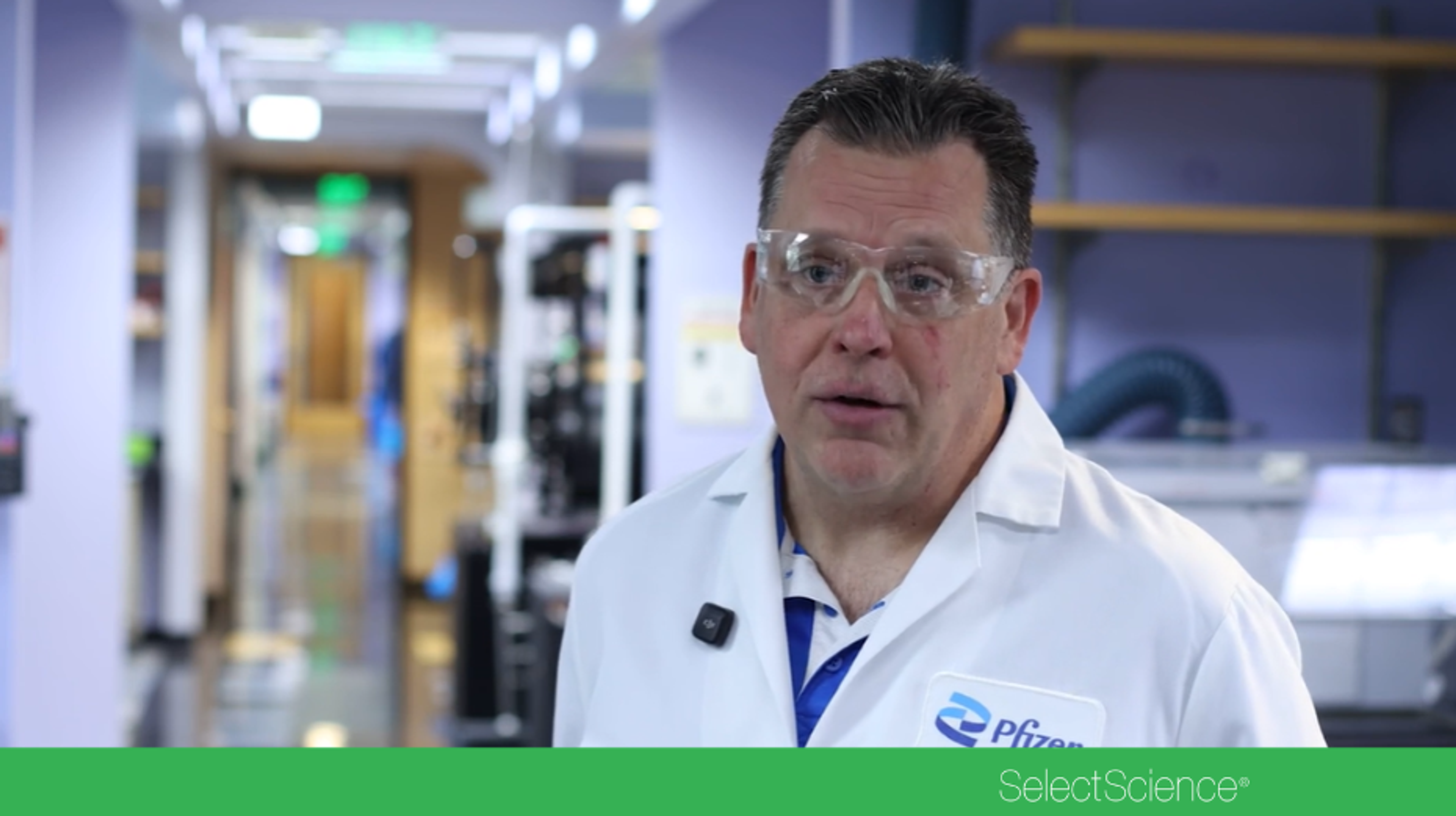
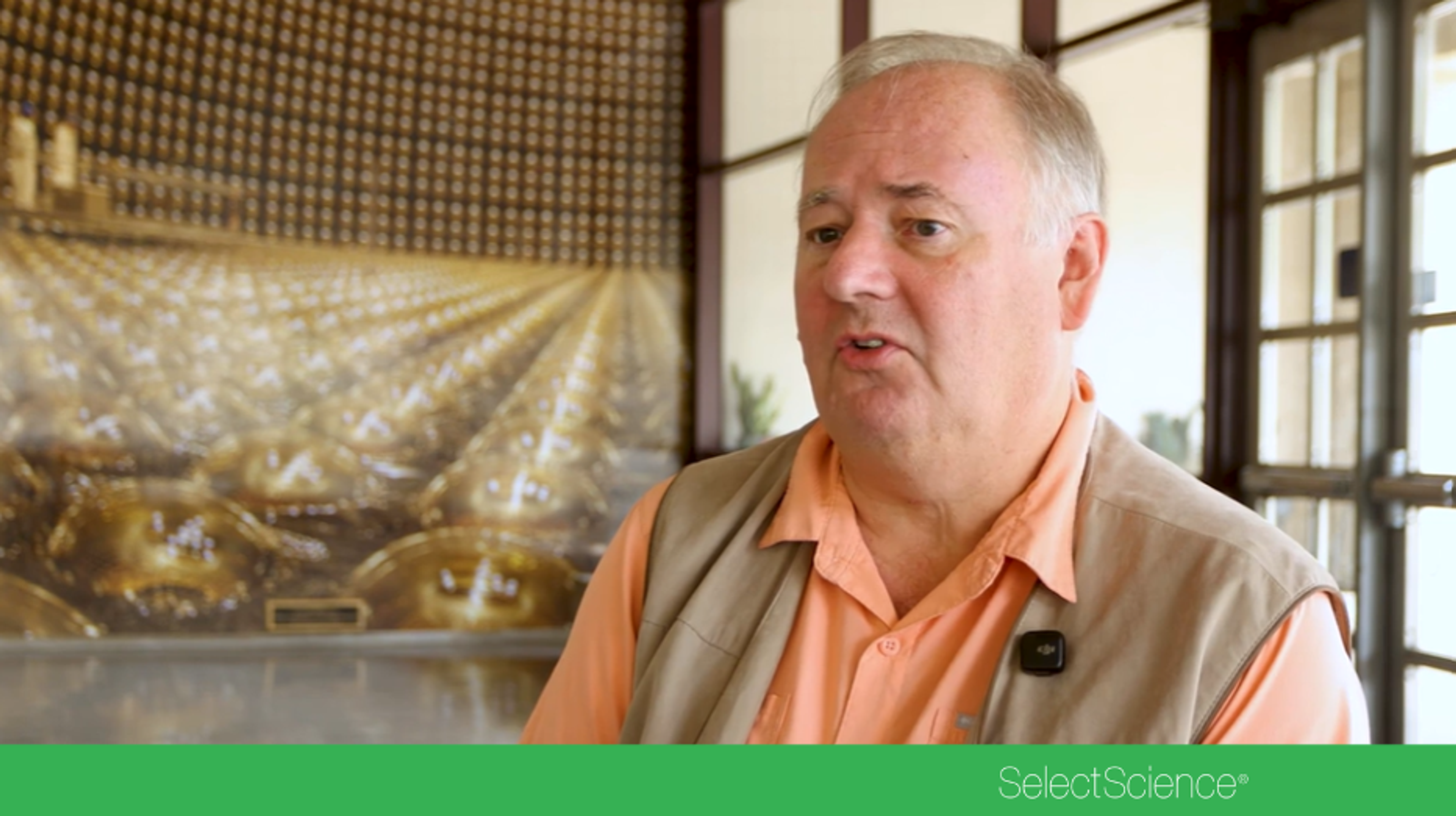
Dr. Tom Spudich, Professor of Analytical Chemistry, discusses the advanced techniques like UV-Vis spectroscopy, GC-MS, FTIR with ATR, and ICP-OES that are transforming forensic science workflows. Hear how these methods have been instrumental in projects that range from preserving historic documents through metal content analysis to detecting beverage adulterants like 1,4-butanediol, a GHB precursor. Spudich shares how faster, more sensitive analytical tools, are enabling his team to analysis time from hours to just 15 minutes, boosting efficiency and sample throughput. With smarter instrumentation, forensic analysis is becoming faster, more selective, and more accessible than ever before.

About the company

Shimadzu Corporation logo

Shimadzu Corporation

Shimadzu Corporation was founded in Kyoto, Japan in 1875 and has been supplying cutting-edge analytical and measuring instruments for a broad range of applications for over 140 years. Key markets include pharmaceuticals, life sciences, food & beverages, chemicals, petrochemicals, environmental, material science, and forensics/toxicology. Products include chromatographs (HPLC/UHPLC/SFC, GC), mass spectrometers (GC-MS/MS, LC-MS/MS, MALDI, ICP-MS), spectrophotometers (FT-IR, Fluorescence, UV-VIS-NIR), atomic spectrometers (AA, ICP), X-ray spectrometers (ED-XRF, XRD, XRF), thermal analyzers, Total Organic Carbon (TOC) analyzers, particle size analyzers, material testing machines, and balances, etc.
4.6/5.0
|235 Reviews

Other videos from Shimadzu Corporation

Links

Tags

Infrared / IR SpectroscopyInfrared (IR) spectroscopy measures the interaction of infrared light with a sample, including transmission, reflectance & absorbance, facilitating the identification of analytes. Equipment used for quantitative analysis includes Fourier-transform infrared (FTIR) spectrometers, infrared cameras, FTIR gas analyzers, as well as attenuated total reflectance (ATR) accessories and pellet or film presses. Find the best IR spectroscopy products in our peer-reviewed product directory: compare products, check customer reviews and receive pricing direct from manufacturers.UV-Visible SpectroscopyUltraviolet-visible (UV-Vis) spectrophotometers are used to measure the interaction of UV and visible light with a sample, including transmission, reflectance & absorbance. The two major instrument classes are single-beam or double-beam spectrophotometers. More specialized equipment includes colorimeters, spectroradiometers and refractometers. Portable and microvolume spectrophotometers are also available. For the modular spectroscopy lab, explore a range of light sources for combination with a spectrograph/spectrometer and optics. Find the best UV-Vis spectroscopy products in our peer-reviewed product directory: compare products, check customer reviews and receive pricing direct from manufacturers.GC-MS GC-MS (gas chromatography-mass spectrometry) instruments and equipment are used to separate, quantify and identify mixtures of small and volatile compounds, such as polycyclic aromatics, fatty acids and alcohols. Often used in drug detection, forensic investigation and environmental analysis for pesticides and contaminants, GC-MS is a powerful addition to your lab’s analytical capabilities. GC-MS/MS instruments equipped with a qTOF or triple quadrupole analyzers can give greater sensitivity and resolution to your analysis. Find the best GC-MS instruments and equipment in our peer-reviewed product directory: compare products, check customer reviews and receive pricing direct from manufacturers.Atomic Absorption / Emission SpectroscopyAtomic absorption spectroscopy (AAS) and atomic emission spectroscopy (AES) — also called optical emission spectroscopy (OES) — are used to detect the elemental constituents in samples. Both techniques involve the atomization of a sample. Atomic absorption spectrometers may use a flame or furnace to create an atomic vapor of the sample before irradiation with spectral light. Optical emission spectrometers may use a flame, inductively coupled plasma (ICP), microwave plasma (MP) or spark arcs to atomize and excite the sample. At higher excitation energies, electrons can be emitted instead of photons, which can be useful for samples that can’t be atomized and for surface analysis. Explore electron spectroscopy equipment such as Auger spectrometers and photoelectron spectrometers for surface elemental analysis of samples. Find the best atomic absorption, photoelectron and optical emission spectrometers in our peer-reviewed product directory: compare products, check customer reviews and receive pricing direct from manufacturers.Forensic InvestigationForensic investigation is a diverse collection of scientific techniques and methods for the identification and characterization of chemicals relating to crime scene investigations.Material TestingFood ContaminationFood contamination refers to the presence of harmful substances or pathogens in food, posing risks to human health. Contaminants can be biological, chemical, or physical, and their detection is crucial for ensuring food safety. Advanced testing methods like PCR, chromatography, and spectroscopy are used to identify contaminants in food products. Browse our peer-reviewed product directory to find the best solutions for food contamination detection, compare products, check reviews, and get pricing directly from manufacturers.Food SafetyFood safety describes the prevention of food-borne illnesses. Contamination with a variety of pathogens can be prevented with adequate temperature control, hygiene and labeling. Food samples can be tested using GC/MS, HPLC, SPE, and qPCR to ensure their adherence to regulations.Food PackagingDrugs