Waving Goodbye to Water Safety Concerns with Advanced Water Analysis - Special Feature

Discover the techniques making waves in water analysis, from LC-MS to solid phase extraction

8 Oct 2018

Emily Adam
Publishing / Media

Editorial article

Welcome to this SelectScience Special Feature, highlighting the latest technology for water analysis, both in the laboratory and in the field. Discover more by watching the videos, registering for our webinars, downloading application notes and reading the articles highlighted below.

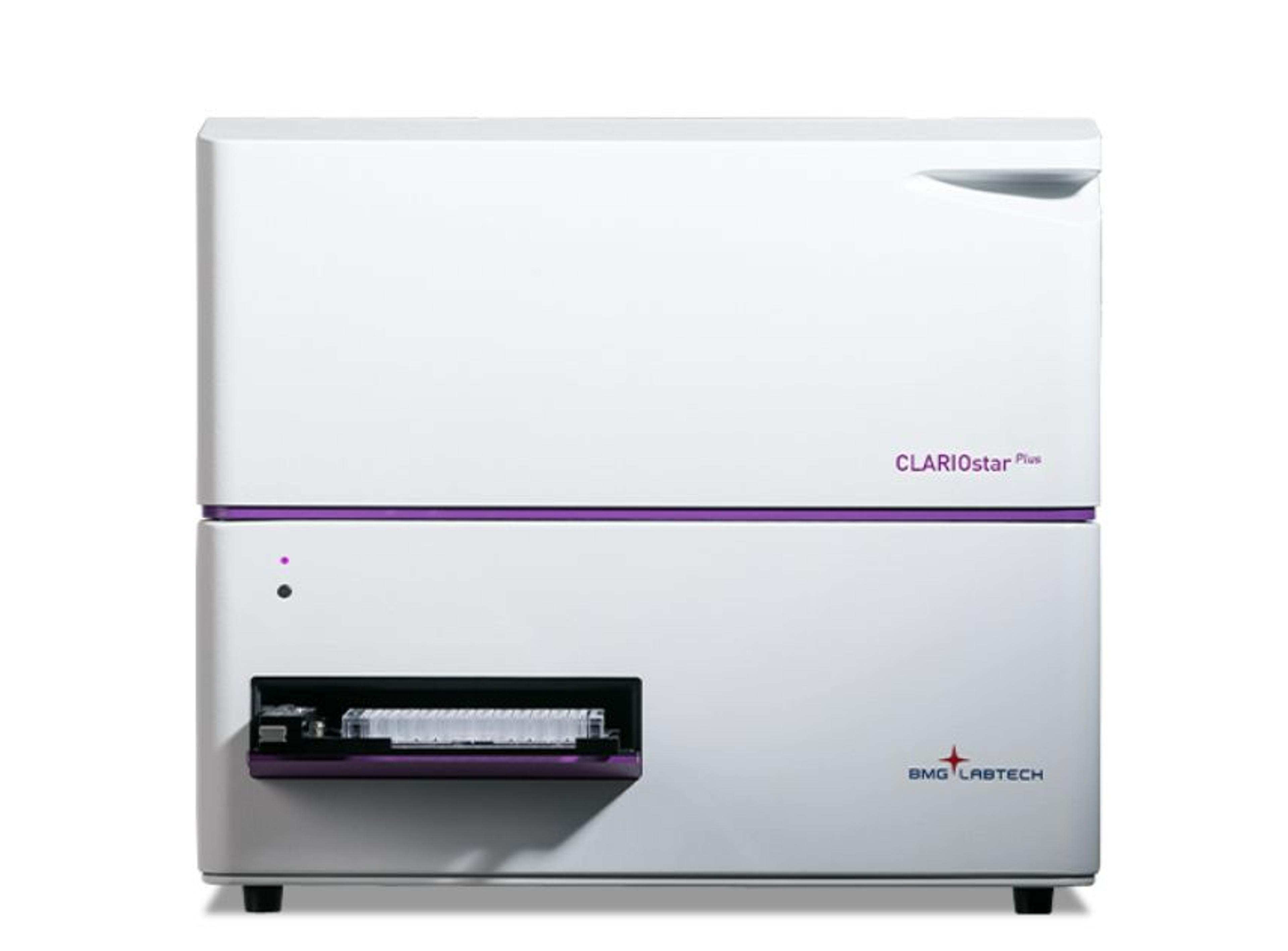
WASTEWATER: Cell-Based Assay Detects Residual Beta-Blocker Substances in Effluent


Discover how an in vitro cAMP-dependant assay, from BMG Labtech, can be used to measure the total β-blocker activity in wastewater effluents as equivalents of the lead substance metoprolol (MetEQ).
DRINKING WATER: How to Improve Your Analysis of 1,4-Dioxane in Drinking Water


Find out how improved analysis of 1,4-Dioxane in drinking water can be carried out using solid phase extraction systems from Horizon Technology, Inc. with automation for US EPA Method 522.

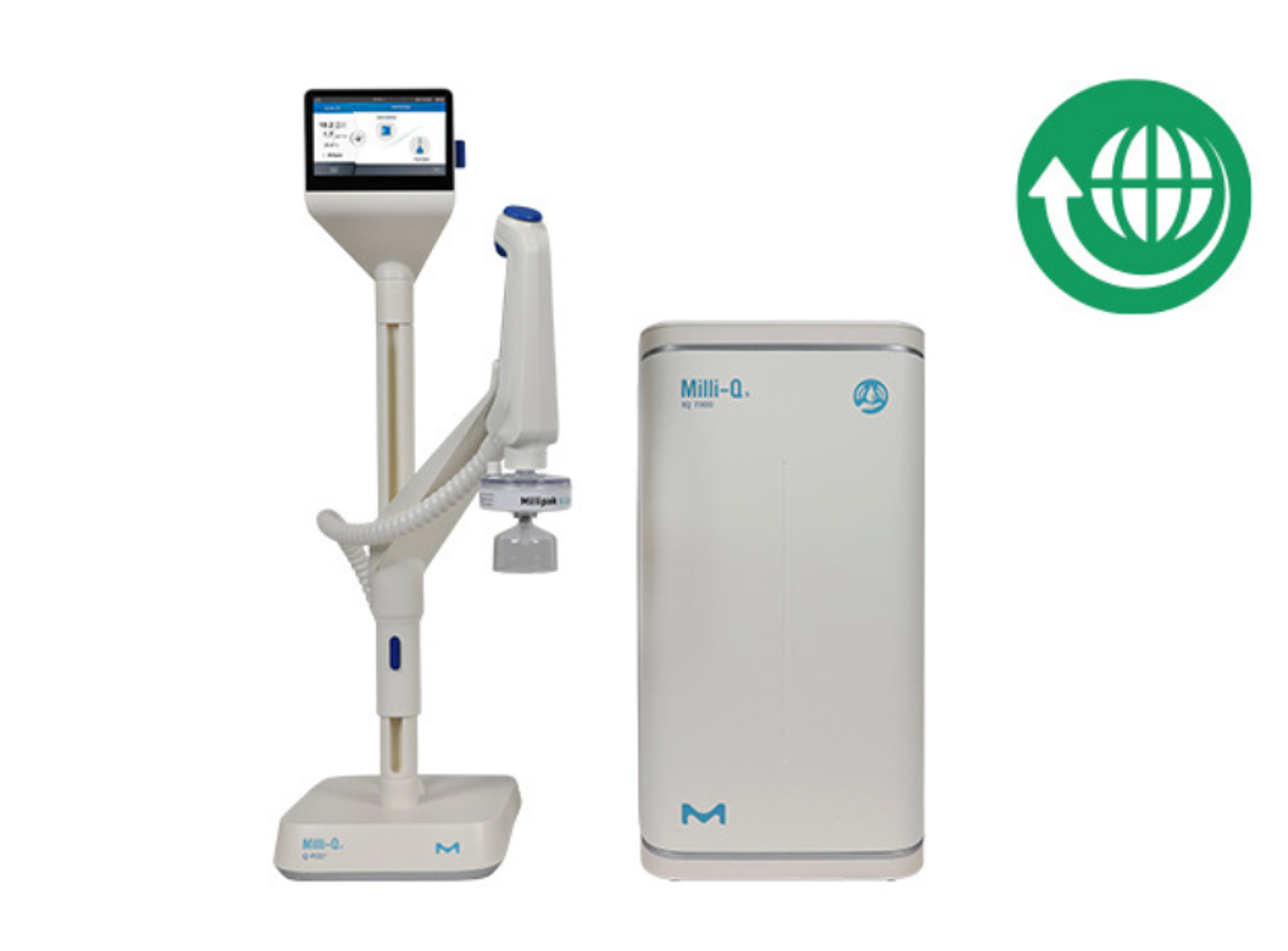
HORMONES: Trace LC-MS/MS Analysis of Hormones in Tap Water


Hormones have been detected in environmental and drinking waters. Find out how a combination of LC-MS/MS and Milli-Q® water purification can remove hormones from tap water.

Download the new How to Buy Water Purification Technology eBook for more information on how to choose the best lab water purification system for your application. Including information on:

  • Impurities in water

  • Laboratory water standards

  • Methods of water purification

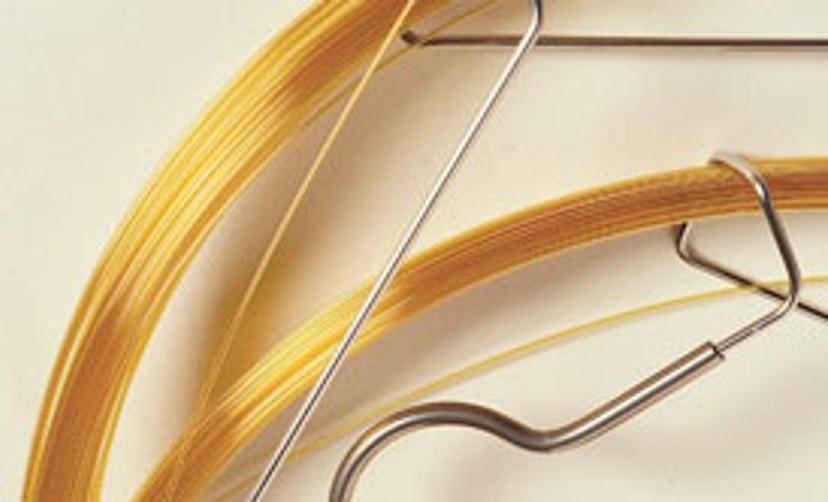
GAS CHROMATOGRAPHY: Bringing Magic to Water Analysis


Discover how advanced capillary gas chromatography columns are enabling enhanced in-lab water analysis, eliminating the need for special tests.

WATER SAFETY: New Nanobots to Combat Testing Hold-ups


Discover how a Cornell professor is focusing on low-cost diagnostics for food and water safety, combating testing bottlenecks with nanobots developed via phage engineering.

GC-MS: Improving Productivity in Routine Environmental Testing


In this webinar, two experts discuss the latest techniques used to analyze organic contaminants in soil using EPA-regulated methods, and a solution that has improved productivity and reliability.

Other Useful Water Analysis Resources:

Links

Tags

Gas ChromatographyGas chromatography (GC) is an analytical technique used to separate and quantitate mixtures of small and volatile compounds. Gas chromatographs or GC systems include components such as GC columns, detectors, pumps and autosamplers. Choose from packed or capillary GC columns, flame ionization (FID), photoionization (PID) electron capture detectors and selective or non-selective detectors. Find the best gas chromatographs in our peer-reviewed product directory: compare products, check customer reviews and receive pricing direct from manufacturers.UHPLC and HPLCHigh performance liquid chromatography (HPLC) and ultra high performance liquid chromatography (UHPLC), also known as UPLC, are analytical techniques used to separate, identify and quantitate components of complex mixtures including biological samples such as proteins and lipids as well as chemical mixtures of pesticides, drugs and oils. Both techniques are liquid chromatographic methods but differ by operating pressures (HPLC < 6000 psi < UHPLC ). Components of HPLC and UHPLC systems include columns, detectors, pumps, autosamplers and column heaters. Explore a range of UHPLC and HPLC columns for your specific sample needs including reverse phase, normal phase, ion exchange, HILIC, ion exclusion and size exclusion columns. For more specialized HPLC, explore FPLC, countercurrent LC and simulated moving bed systems. Find the best UHPLC and HPLC equipment in our peer reviewed product directory: compare products, check customer reviews and receive pricing direct from manufacturers.Sample PreparationSample preparation can improve the quality and speed of separation techniques. Products to assist sample preparation include filtration equipment, evaporators, membranes and sieves.LC-MSLC-MS (liquid chromatography-mass spectrometry) systems and equipment are used for separation and quantitative analysis of complex mixtures, combining liquid chromatography and mass spectrometry. Quantify proteins, contaminants, pesticides or screen for drug metabolites with a high level of sensitivity. LC-MS systems and equipment include reverse phase, normal phase and specialized columns integrated with various MS detectors such as time-of-flight (TOF), quadrupole, orbitrap or ion trap mass analyzers. LC-MS/MS instruments equipped with a qTOF or triple quadrupole analyzer give greater sensitivity and resolving power to your analysis. Find the best LC-MS equipment in our peer-reviewed product directory: compare products, check customer reviews and receive pricing direct from manufacturers.Near Infrared SpectroscopyNear-infrared (NIR) spectroscopy measures the interaction of near-infrared light with a sample, including transmission, reflectance and absorbance, facilitating the identification of analytes. Measurements can be conducted using a Fourier-transform near infrared (FT-NIR) spectrometer, while there are also UV-Vis- NIR spectrophotometers that measure a broader spectrum of wavelengths. Find the best NIR spectroscopy products in our peer-reviewed product directory: compare products, check customer reviews and receive pricing direct from manufacturers.Environmental Monitoring and TestingEnvironmental monitoring and testing uses handheld portable analyzers, kits, spectrometers or chromatography systems for air, water, soil, food and other sample testing. Useful features of analyzers such as BOD and COD include portability, easy calibration, automation and sensitivity.  Environmental test kits for pH, water, moisture, etc, should be accurate, sensitive, reliable, fast and easy to use.GC-MS GC-MS (gas chromatography-mass spectrometry) instruments and equipment are used to separate, quantify and identify mixtures of small and volatile compounds, such as polycyclic aromatics, fatty acids and alcohols. Often used in drug detection, forensic investigation and environmental analysis for pesticides and contaminants, GC-MS is a powerful addition to your lab’s analytical capabilities. GC-MS/MS instruments equipped with a qTOF or triple quadrupole analyzers can give greater sensitivity and resolution to your analysis. Find the best GC-MS instruments and equipment in our peer-reviewed product directory: compare products, check customer reviews and receive pricing direct from manufacturers.Water PurificationThere are a number of water purification methods available to remove contamination from laboratory water. These systems include demineralization, reverse osmosis, filtration and ultrafiltration. A combination of methods is sometimes necessary to achieve purified water suitable for use in experiments.Water AnalysisAnalytical methods used to test the purity of drinking water include determining the level of contaminants abides to the level set by the Environmental Protection Agency (EPA).