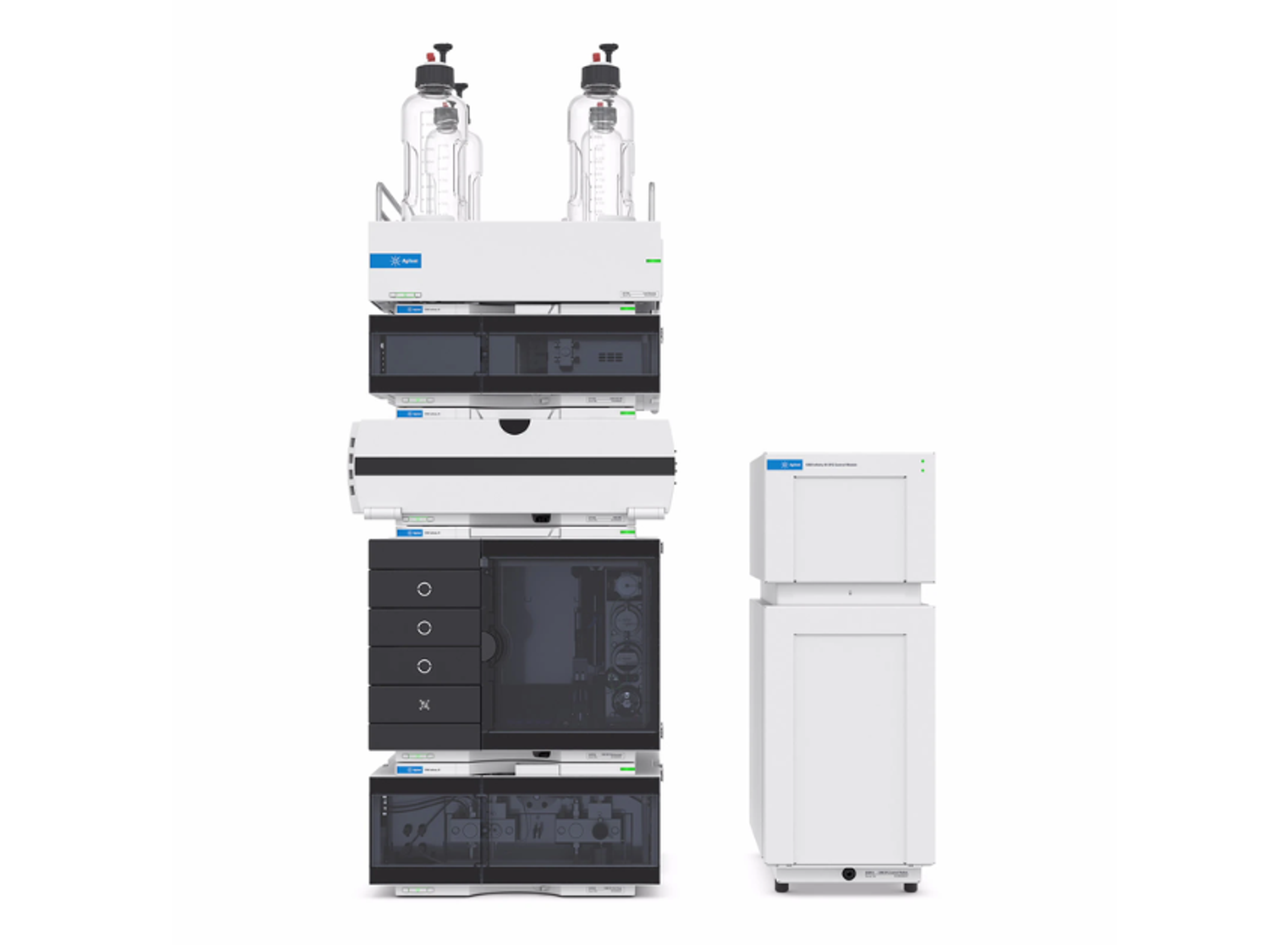
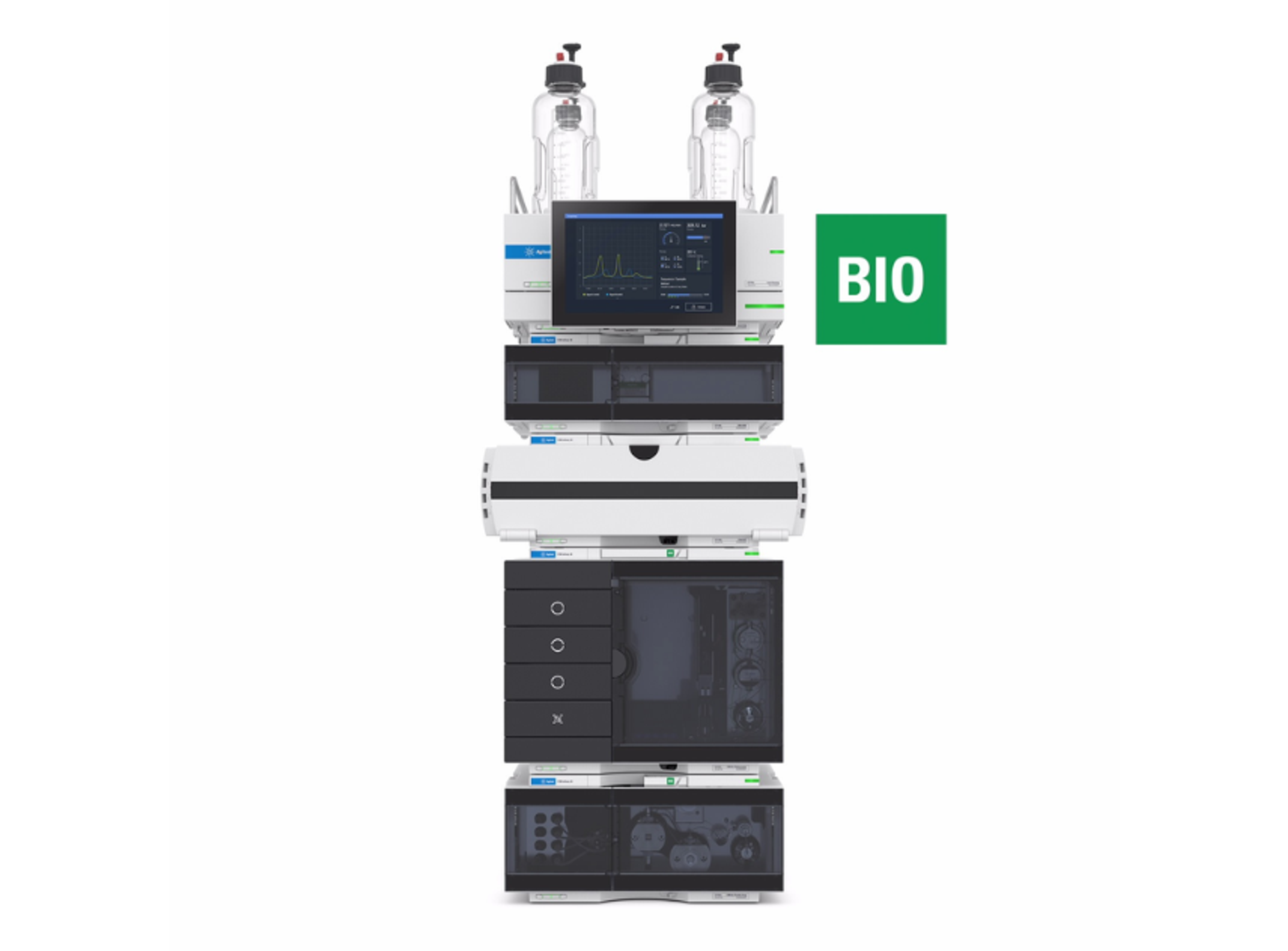
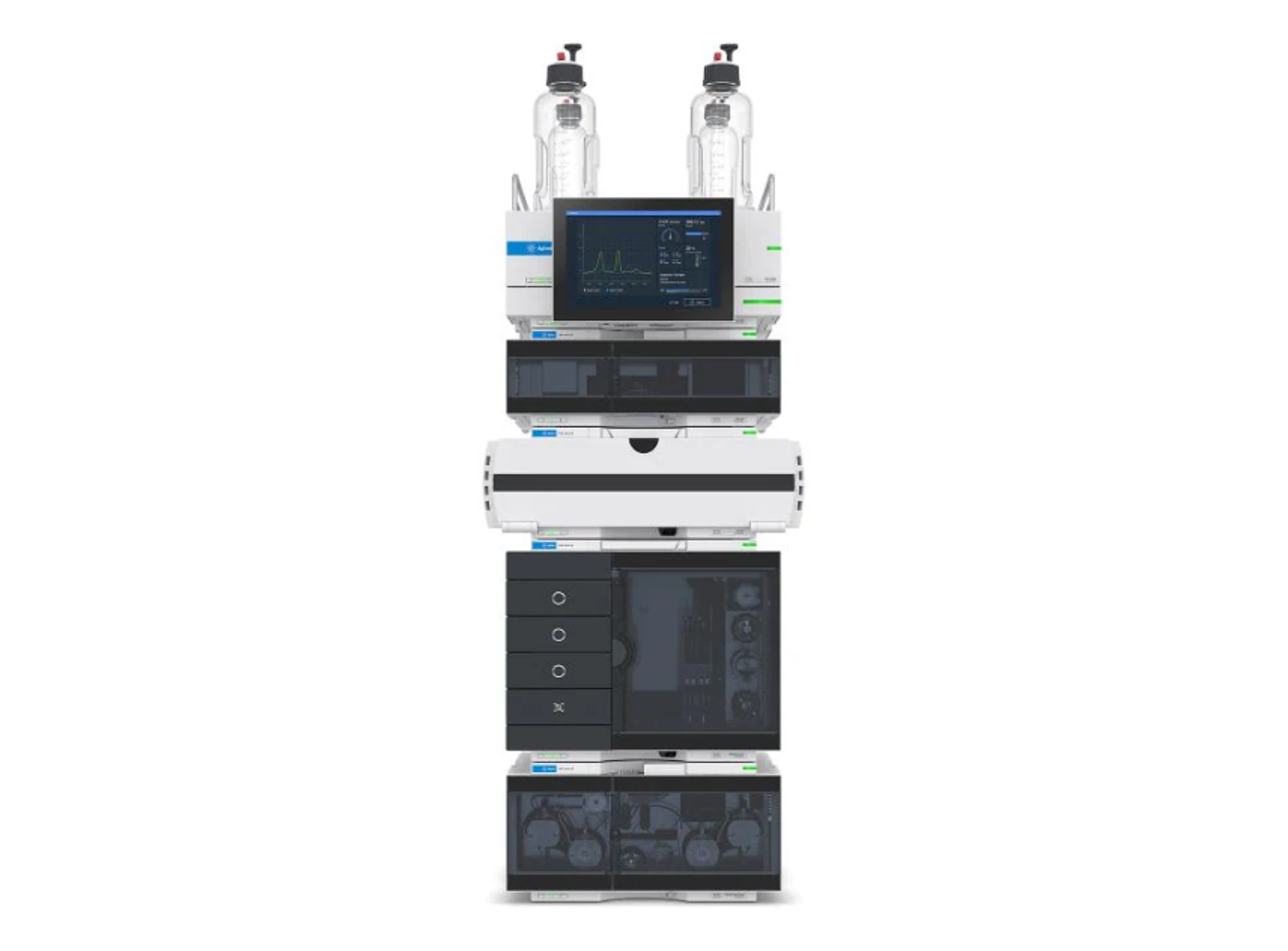
Biotage® Horizon 5000
Previously known as SPE-DEX ® 5000

SPE-DEX® 5000 Disk Extraction System


The supplier does not provide quotations for this product through SelectScience. You can search for similar products in our Product Directory.
Discover an automated sample preparation system that extracts semi-volatile organic compounds from water with superior accuracy and reproducibility
Key Features:
- Accurate solvent delivery for superior analyte recovery
- Compact footprint to save valuable bench space
- Automated, unattended operation to maximize throughput and productivity
- Minimal maintenance to reduce downtime and overhead costs
- Intuitive software to streamline method development
Applications:
- Semi-volatile organic compounds in:
- Drinking water
- Wastewater
- TCLP
- Seawater
- Ground and surface water
Laboratories today face many challenges during the preparation and analysis of their environmental samples, including the need to accommodate a wide range of sample matrices, while striving to minimize operating costs and laboratory downtime. The Biotage® Horizon 5000 Disk Extractor System maximizes the efficiency and accuracy of your extractions, all on an automated system, which leads to fewer sample re-runs, higher sample throughput and increased productivity.
The system is computer controlled with sufficient sensors and safety checks in place to allow the process to run unattended without the possibility of sample loss. Once the process is initiated, the 5000 delivers all the necessary solvents to precondition the sorbent material within the SPE disk, passes the water sample through the disk and, extracts the sorbed analytes from the disk into a collection vessel using the required volume of each solvent. A variety of cap adapters, pre-filters, collection vessels and disk holders can be used to fully customize the extraction system to meet the needs of the application, regardless of the sample volume and particulate level.
Solid phase extraction has a number of benefits compared to liquid-liquid extraction, including: less solvent usage, less hazardous waste generation, reduced exposure to hazardous solvents, and fewer opportunities for generating emulsions. Additional benefits include increased extraction accuracy and better day-to-day and technician-to-technician reproducibility.

Utilizing 250 mL sample volumes for EPA method 1664B extractions
EPA Method 1664B was developed for measuring oil and grease in wastewater with Hexane Extractable Material (HEM) concentrations ranging from 5 to 1000 mg/L. However, samples containing high oil and grease content (> 500 mg/L HEM) are challenging to extract and therefore the method allows for a smaller sample to be collected. To run reduced sample volumes, laboratories must be able to demonstrate the ability to meet the method detection limit (MDL) requirements at the reduced sample volume level. This application note provides a full solution for EPA method 1664B that meets the method detection limits at 250 mL sample volumes.
Utilizing 100 mL sample volumes for EPA Method 608.3 automated extractions on the Biotage Horizon 5000
Pesticides, including insecticides, fungicides, and herbicides, are used extensively to increase agricultural yield. However, these pesticides can be detrimental to the health of humans as well as animals. It is important to monitor organochlorine pesticides and polychlorinated biphenyls (PCBs) not just in drinking water (US EPA Method 508), but also in wastewater (US EPA Method 608.3). Some influent wastewater samples can be heavily laden with particulates, sludge, and the like, so it may be difficult to extract an entire liter of this sample when following US EPA Method 608.3. Fortunately, with this method, laboratories have the option of extracting smaller sample volumes, thus reducing the particulates that needs to be filtered out of the sample during extraction. In this application note, Biotage provides a solution for extracting 100 mL of 608.3 wastewater samples utilizing the Biotage® Horizon 5000 to automatically load the sample and rinse the original sample container for solid phase extraction (SPE), DryDisk® Solvent Drying System for drying the residual water from the extracts, and the TurboVap® for concentrating the dried extracts. Samples are extracted in methylene chloride, then solvent exchanged into hexane prior to analysis by gas chromatography/electron capture detection (GC/ECD).
Investigating the extraction efficiency of dioxins in several types of aqueous matrices by automated solid phase extraction utilizing disks
In this application note, Biotage outlines an automated extraction method utilizing the Atlantic® DVB SPE Disk and the Biotage automated and manual SPE solutions for the extraction of dioxins and furans in several water matrices. The first section highlights the use of the Biotage® Horizon 5000 fully automated extraction system and the method used for this application. Additionally, there is an Application Modification section that highlights the use of the Biotage® Horizon 4790 (with data and discussion) and Biotage® VacMasterTM Disk for this application.
Analysis of pharmaceuticals in water by automated solid phase extraction
In this application note, Biotage outlines an automated extraction method utilizing the Atlantic® HLB-M SPE Disk and Biotage automated and manual SPE solutions for the extraction of pharmaceuticals in water. The first section highlights the use of the Biotage® Horizon 5000 fully automated extraction system and the method used for this application. Additionally, there is an Application Modification section that highlights the use of the Biotage® Horizon 4790 (with data and discussion) and Biotage® VacMaster™ Disk for this application.
Determination of endocrine disrupting hormones in drinking and wastewater utilizing the Atlantic HLB SPE Disk
In this application note, Biotage outlines an automated extraction method utilizing the Atlantic® HLB SPE Disk and the Biotage automated and manual SPE solutions for the extraction of hormones in drinking water. The first section highlights the use of the Biotage® Horizon 5000 fully automated extraction system and the method used for this application. Additionally, there is an Application Modification section that will highlight the use of the Biotage® Horizon 4790 (with data and discussion) and Biotage® VacMaster™ Disk for this application.
Extraction of EPA Method 625.1 semi-volatile analytes from wastewater using the Biotage Horizon 5000, DryDisk Solvent Drying System and TurboVap II
The EPA has been monitoring organic pollutants within wastewater matrices since 1984 by developing their own methods and acceptance criteria. The basic, neutral and acidic extractions in EPA Method 625.1 are a part of the revised version of EPA Method 625. In this application note, Biotage shows recoveries of all the analytes within tables 1–2 of 625.1 and a few analytes from table 3 obtained using the Biotage® Horizon 5000 with Atlantic® 8270 One Pass solid phase extraction disks (P/N 47-2346-11), 8270 Carbon Cartridges Max-Detect cartridges (P/N 49-2620-01), and 1.0 Micron Atlantic® Fast Flow Pre-Filters (P/N FFAP-100-HS1) for analyte extraction. The DryDisk® Solvent Drying System and the TurboVap® II are used for solvent drying and concentration and analysis is by GC-MS.