
Thermo Scientific launches SureTect PCR Assays for expanded foodborne pathogen analysis
New assays for Campylobacter, STEC, Vibrio and Staphylococcus aureus enable more comprehensive pathogen testing for all food manufacturers
26 Jul 2020
Product news
Thermo Fisher Scientific has released five new Thermo Scientific SureTect PCR Assays and enhanced software to test food and related samples for:
- Campylobacter jejuni, C. coli and C. lari detection and identification
- E. coli O157:H7 and STEC screening
- STEC identification
- Staphylococcus aureus detection
- Vibrio cholerae, V. parahaemolyticus and V. vulnificus detection and identification
The new SureTect PCR Assays, along with those already available for detecting Salmonella species, Listeria species, Listeria monocytogenes, Cronobacter species, Salmonella Typhimurium and Salmonella Enteritidis, give manufacturers access to a more comprehensive range of tests for every step of their analysis.
The complete SureTect PCR Assay workflow includes enrichment media, ready-to-use PCR reagents and protocols, and instrumentation for sample preparation and PCR, as well as easy to use software for instant result interpretation. PCR-positive results can be quickly and easily confirmed using a single Thermo Scientific plate medium per target and simple immunological test. Negative and presumptive-positive results are typically available in fewer than 24-hours with some protocols taking as little at nine hours to complete.
Every SureTect PCR Assay is designed to run on the Applied Biosystems QuantStudio 5 Food Safety PCR System; an open, real-time PCR instrument suitable for use with all Thermo Scientific food safety and authenticity assays. The six-channel configuration of the QuantStudio 5 Food Safety PCR System provides multiplexing capability that can now be used in a commercial test to simultaneous identification of up to six STEC targets with the SureTect STEC Identification Assay.
"The SureTect PCR Assay System offers complete, end-to-end workflows that provide manufacturers and laboratories with access to a more comprehensive range of tests for every step of their food safety analysis," said Bernd Hofmann, vice president, marketing, Thermo Fisher. "Having the ability to quickly determine the presence or absence of foodborne pathogens, businesses can release products sooner, operate more efficiently and have peace of mind that their customers and brands are protected.
"Thermo Fisher has offered SureTect PCR Assays since 2013 to laboratories across the globe using them in their testing regimes. The depth and breadth of our portfolio uniquely positions us to provide simpler, faster and smarter food testing solutions for all segments of the food market."
Do you use Thermo Fisher Scientific products in your lab? Write a review today for your chance to win a $400 Amazon gift card>>
Related products
Request Quote for All Products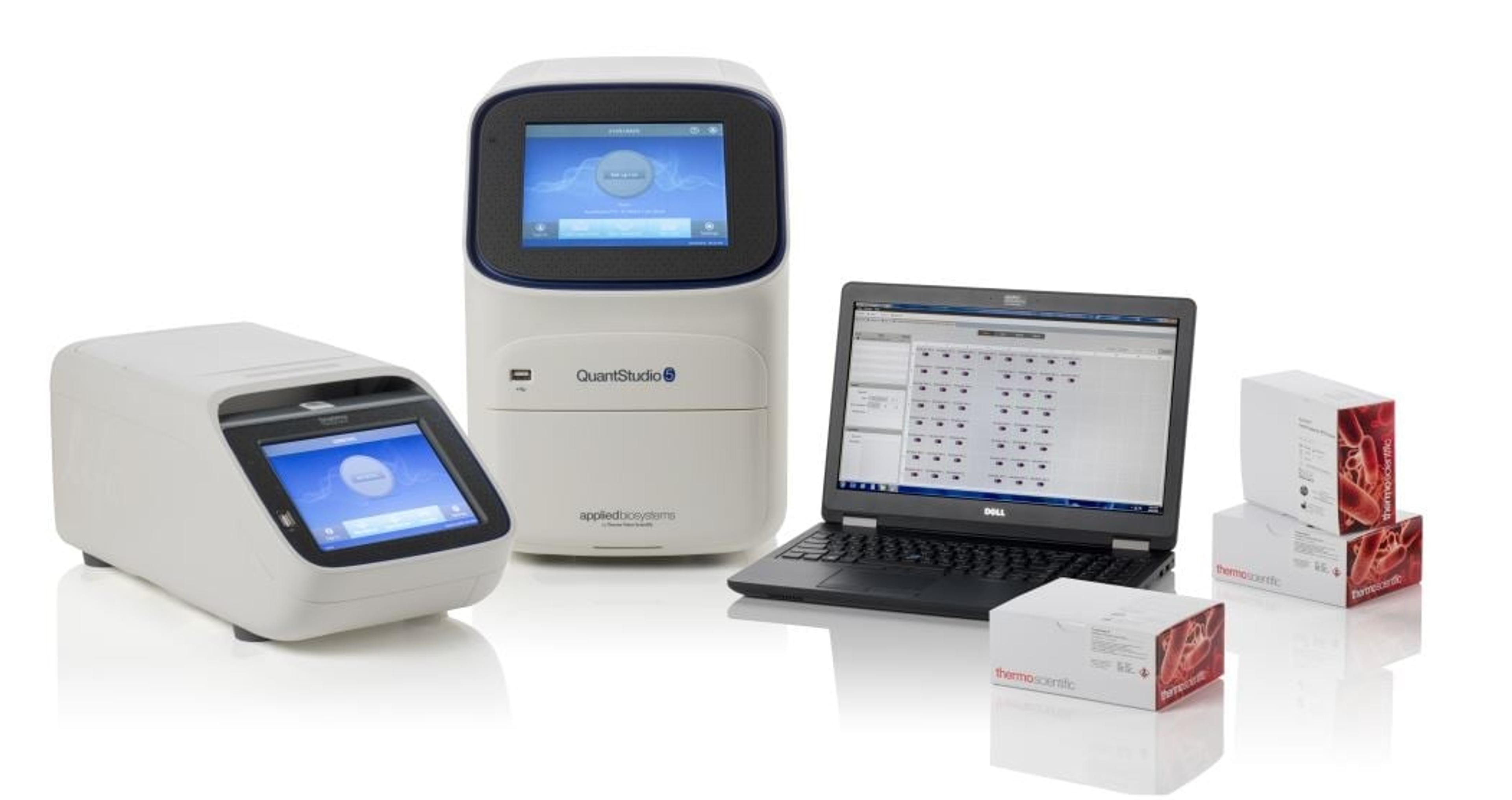
SureTect Real-Time PCR System
Thermo Fisher ScientificRapid and accurate detection of foodborne pathogens
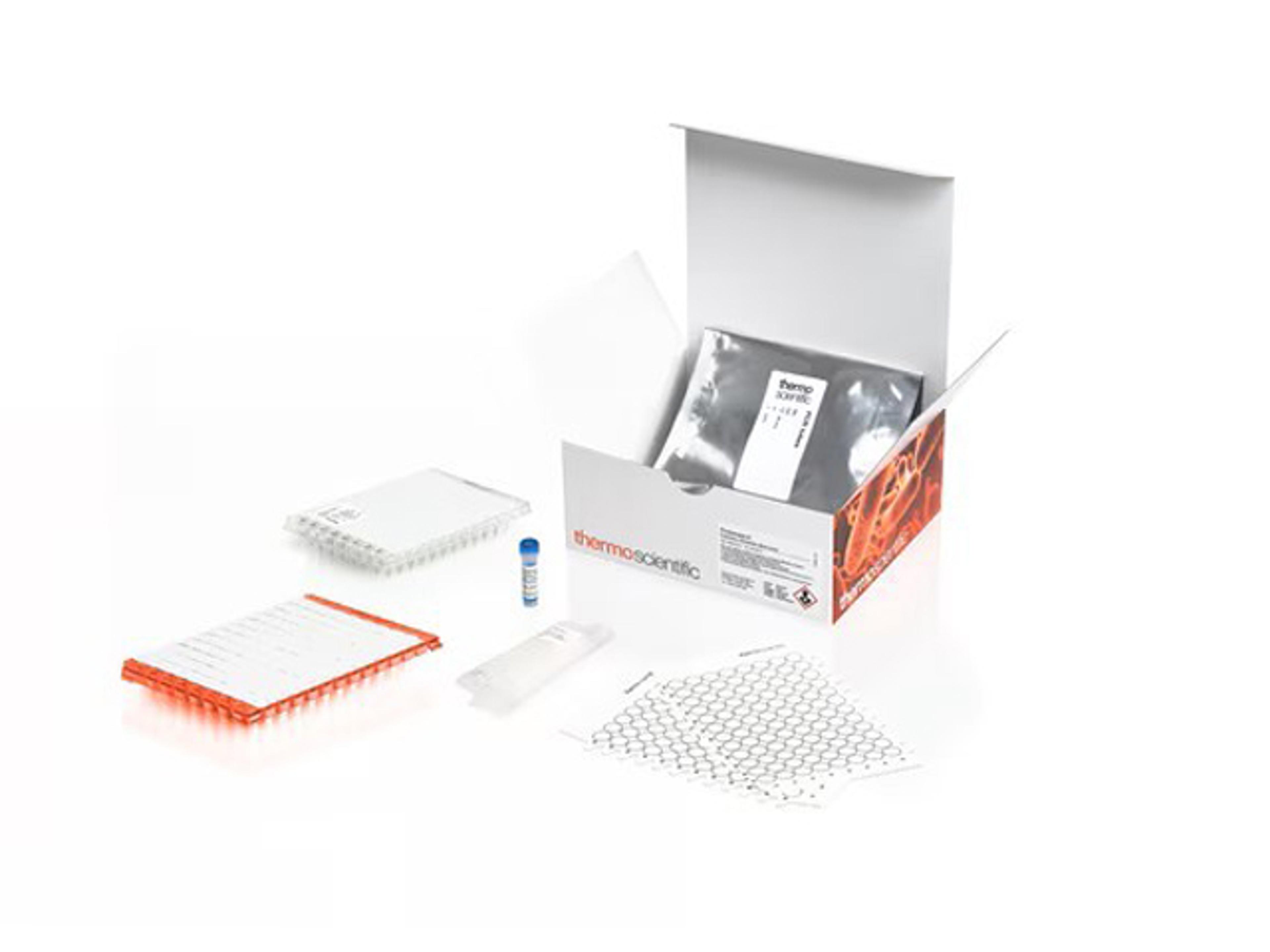
Thermo Scientific™ SureTect™ Salmonella species PCR Assay
Thermo Fisher ScientificRapidly detect Salmonella species in food and environmental samples: The Thermo Scientific™ SureTect™ Salmonella Species PCR Assay offers a rapid real-time PCR method for the enrichment, detection and confirmation of Salmonella species in food, animal feed products, including large sample sizes, and primary production samples (PPS).