Harnessing the power of cell-based assays: New tools and techniques in 2021

From tackling COVID-19 variants to therapeutic discovery, novel organoids and more, advance your assay research with these exclusive interviews and free resources

2 Aug 2021
Tom Casburn
Associate Editor

Editorial article

Cell-based assays: What’s new in 2021?

Cell-based assays form the core of life sciences research, helping to drive understanding of various cellular phenomena in health and disease. In this new special feature, read exclusive interviews with leading scientists and download free resources to accelerate your cell-based methods. Find out how to streamline your drug screening with high-throughput cell and compound dispensing, learn how to achieve walkaway cell viability analysis while maintaining cell health for longer, explore the development of novel treatments to tackle liver disease, and much more.
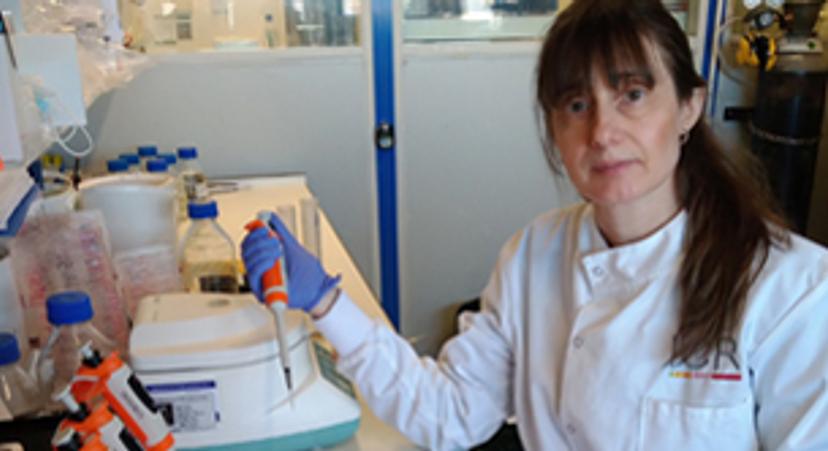
Dr. Veronica Gil

PERSONALIZED MEDICINE: Emerging organoid models to better treat prostate cancer

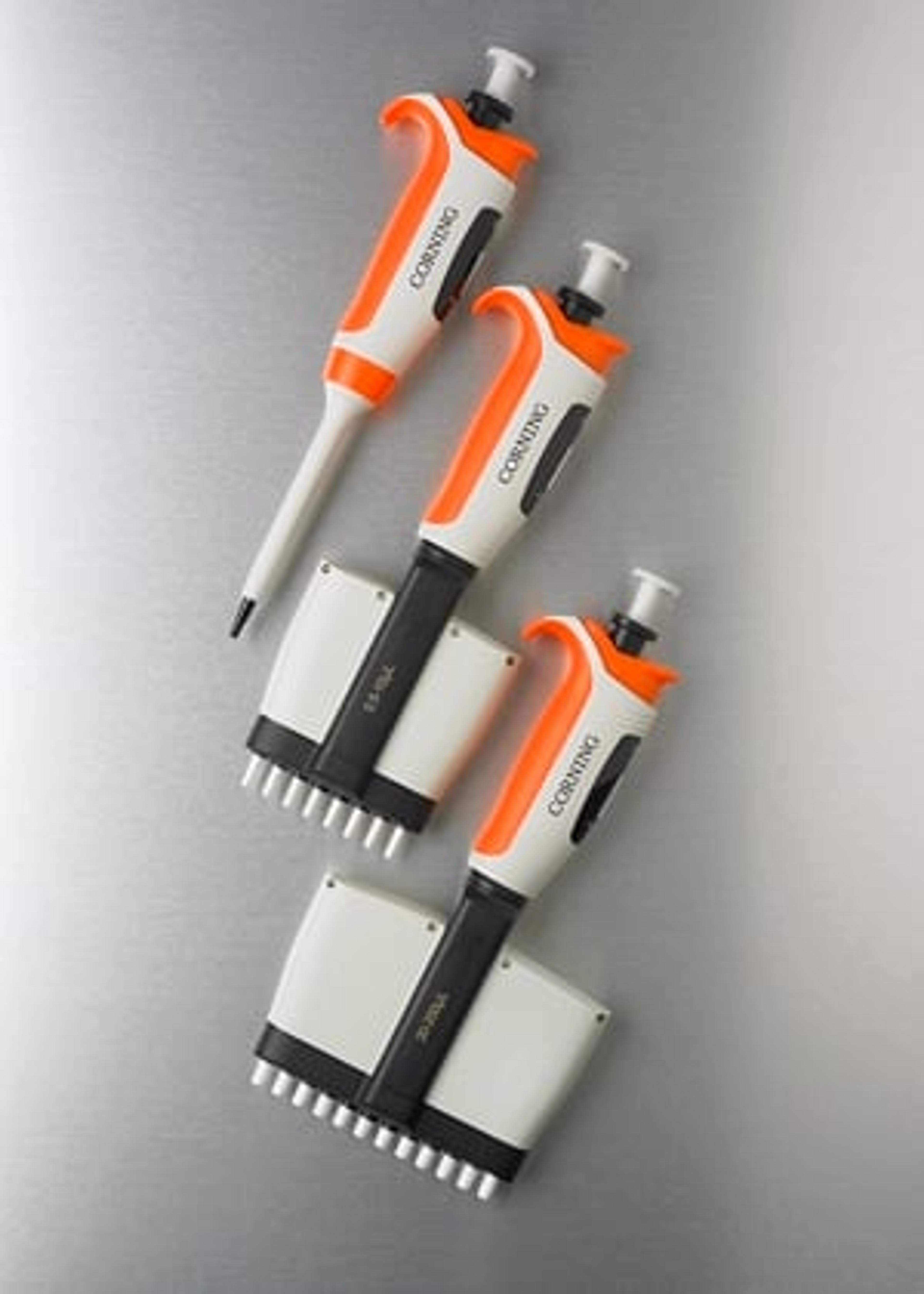
Dr. Veronica Gil discusses her research developing organ-specific tissues to advance prostate cancer therapy and outlines how pipettors from Corning Life Sciences have improved the efficiency of this work.
Read article

Maintain cell health for longer

CELL HEALTH: Keep your cells happy with precise atmospheric control

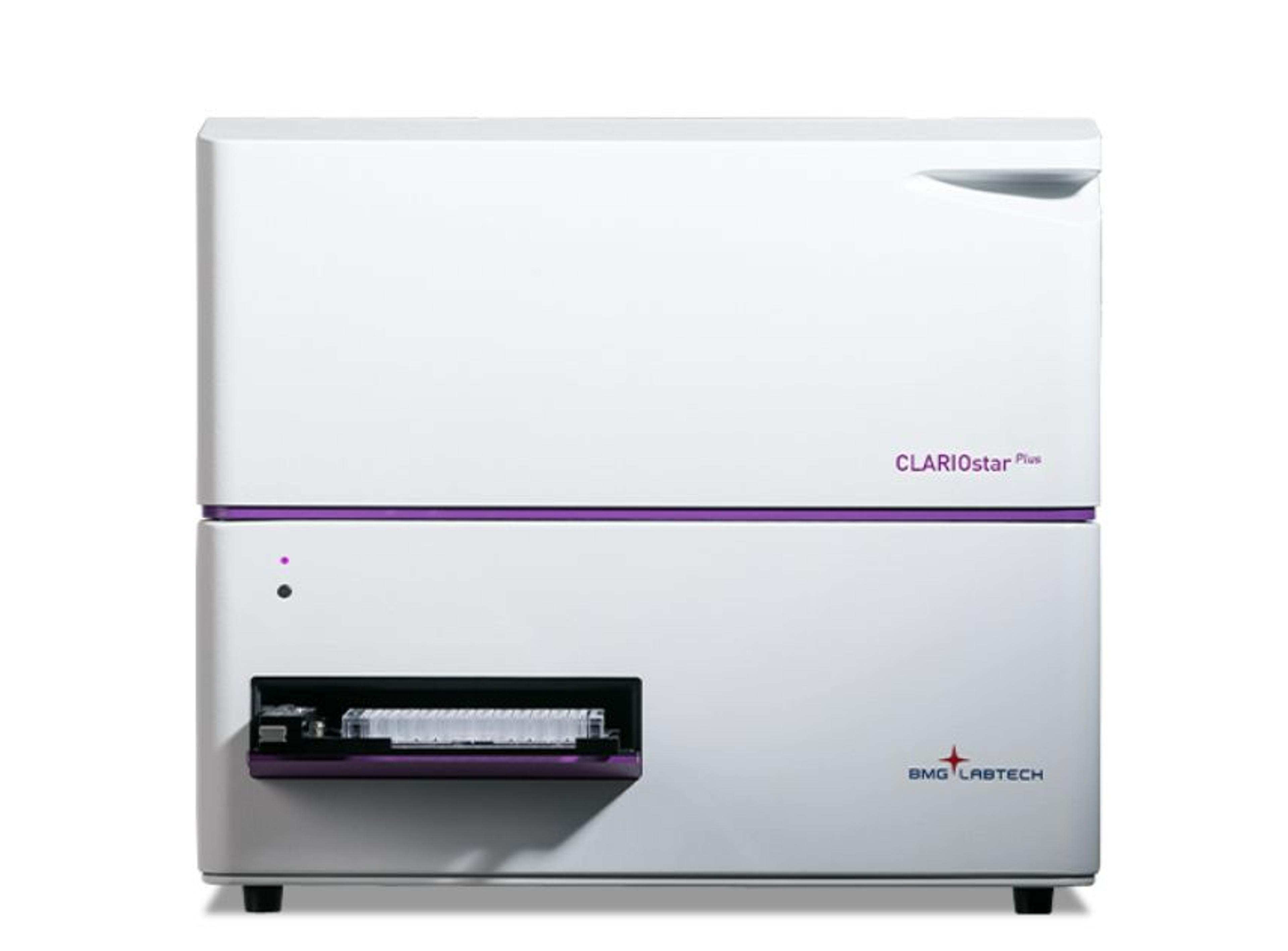
Detect time- and dose-dependent effects on cell proliferation and cytotoxicity using BMG LABTECH’s CLARIOstar with atmospheric control unit, designed to maintain cell health for longer.

Download method

Cell and compound dispensing solutions

DRUG SCREENING: Streamlined cell and compound dispensing

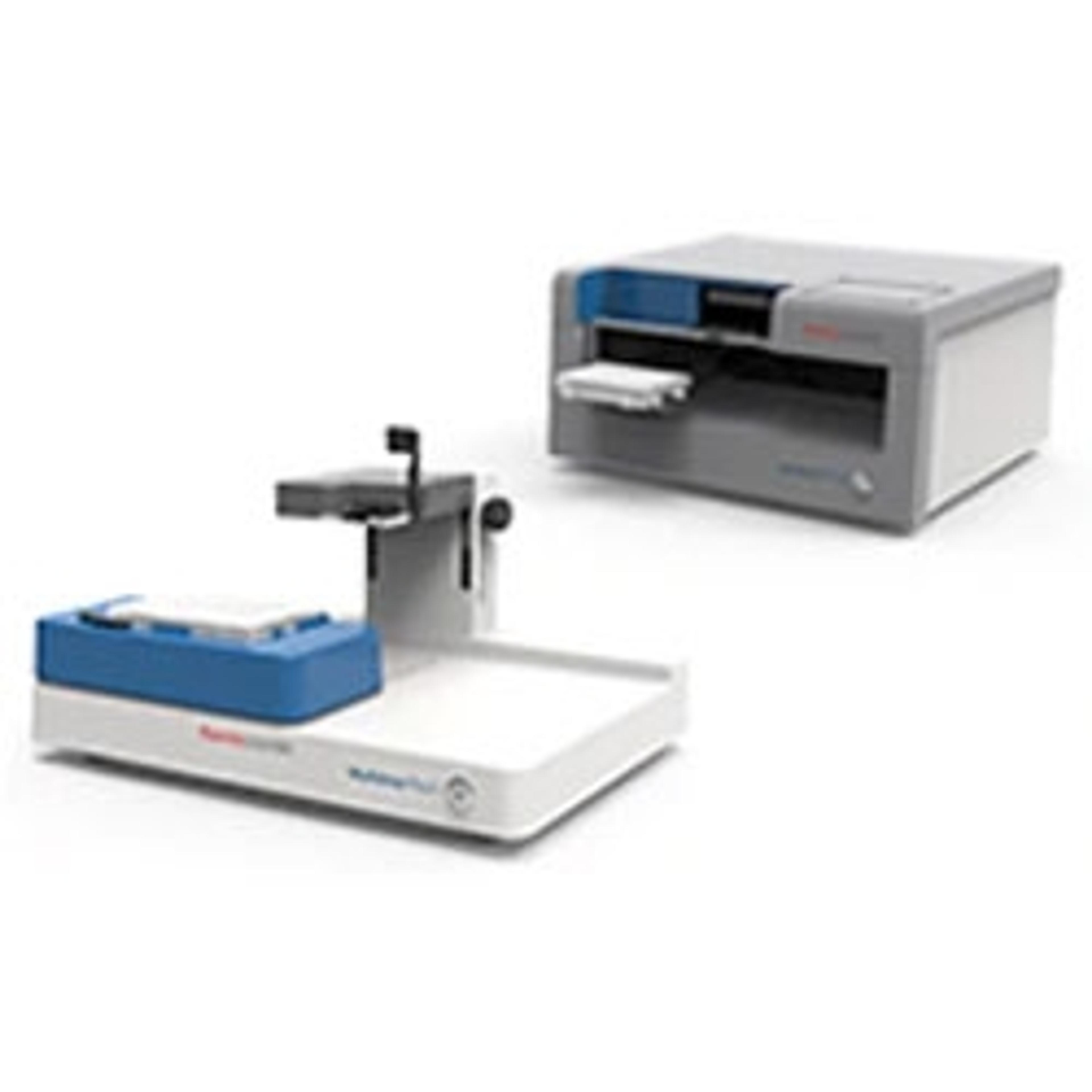
Learn how to successfully dispense viable cell suspensions at high throughput and prepare compound dose response matrices with ease, using the latest solutions from Thermo Fisher Scientific.

Download brochure

Pure labwater guide

WATER QUALITY: Increase assay sensitivity and avoid contamination

Learn how to choose the right pure water for your assay, minimize the effect of contaminants, and prevent errors while saving money, with this comprehensive guide from ELGA LabWater.

Download guide

Walkaway cell viability analysis

LOAD & GO: Get cell viability data in just 90 seconds

Discover how the Vi-CELL BLU from Beckman Coulter enables rapid, flexible, and walkaway cell viability analysis with fully automated sample preparation, operation and post-run cleaning.

Download brochure

Dr. Erik Tillman

LIVER DISEASE: Researchers identify new therapy to tackle NASH

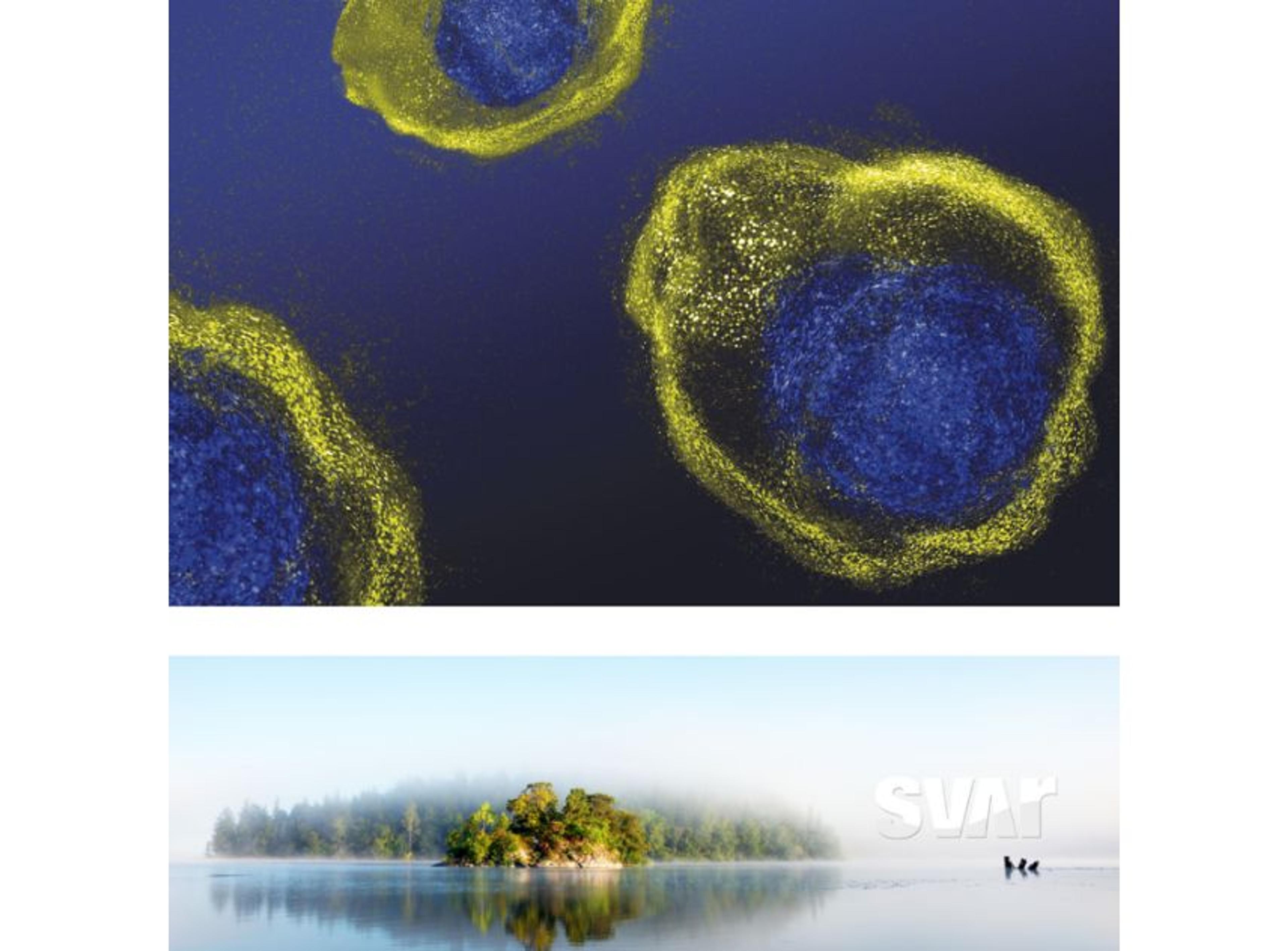
Dr. Erik Tillman shares his company’s quest to find an effective new treatment for non-alcoholic steatohepatitis and explains how Svar Life Science's assay-ready cell service has accelerated his work.

Read article

Cost-efficient therapeutic characterization

3D ASSAYS: Achieve rapid and cost-efficient therapeutic characterization

Discover how microplate assays from Thermo Fisher Scientific can provide time- and cost-efficient therapeutic characterization in 3D cellular models and enable side-by-side comparisons with 2D models.

Download poster

Catch up on exclusive interviews

Keeping up with COVID-19: Designing novel monitoring assays to tackle the rise of variants
Dr. Tania Nolan outlines how her team is designing assays to identify new variants and why these are critical to managing the global pandemic response

How to accelerate drug discovery with optimized high-throughput screening
Dr. Chelcie Eller shares how to achieve reliable and reproducible high-throughput drug and biomarker screening

Ensure data quality for single-cell genomics applications: Optimizing sample prep
Scientists at KOTAI Biotechnologies reveal how they ensure nuclei and cell quality for reliable single-cell sequencing results

Why serology tests are shaping the future of vaccine development
Learn more about the efficient and reproducible multiplex immunoassays set to change the way COVID-19 researchers profile antibody response

Discover leading scientists on video

Find out how cell-based methods are fuelling research breakthroughs across life sciences, from COVID-19 detection to cardiovascular disease and cancer invasion to cell paintingthrough video interviews on The Scientists' Channel >>

More resources for cell-based research

  • User guide to simplified & optimized multiplexing cell analysis
    Explore how real-time live-cell imaging and image-based cytometry can bring higher levels of automation, reproducibility, and flexibility to your cell-based research, in this comprehensive user guide >>
  • The essential guide to ELISA automation
    Download this application eBook to learn how to harness the power of automated ELISA across a range of fields, from COVID-19 research to food testing, clinical diagnostics, veterinary research and more
  • Assay workflow optimization: Seven elements for enhanced performance
    Optimize your assay processes and address a range of critical liquid handling issues in your workflow, with this new must-read eBook >>
  • How to Buy Cell Counting Technology
    Compare the top cell counting technologies available on the market and find the best fit for your applications, whether it’s manual, automatic, non-imaging, or imaging, with this how-to-buy guide >>

Your recommendations

Take a look at what other researchers and scientists all over the world are saying about the latest equipment and technologies in cell-based assay research. Here, Kwanho Roh, senior scientist at Catalent Biologics, shares his opinion of the Vi-CELL BLU Cell Viability Analyzer by Beckman Coulter Life Sciences.

Links

Tags

Cell Adhesion AssaysCell adhesion assays are used to quantitate attachment and analyze the molecular mechanisms for extracellular matrix adhesion, cell migration and sensitivity to inhibitors. Find the best cell adhesion assay equipment in our peer-reviewed product directory: compare products, check customer reviews and receive pricing direct from manufacturers.Cell / Tissue CultureCell culture or tissue culture is used to study the biology of cells or tissues and to isolate cellular products in an environment which can be manipulated and well defined. Accurately control your culture environment with bioreactors or culture incubators, bind your cells to a surface or together with an extracellular matrix. Distinguish cell types with differential media or proliferate cells with certain characteristics using selective media. Enrich your media with supplements such as growth factors, sera and vitamins. Find the best cell and tissue culture products, kits and equipment in our peer-reviewed product directory: compare products, check customer reviews and receive pricing direct from manufacturers.Cell Lines Stem Cells and Primary CellsPrimary cell cultures, established cell lines and stem cells are vital for <i>in vitro</i> and <i>ex vivo</i> experimentation. High-quality cells, optimized for your applications, alongside optimized cell substrates, growth medium and supplements, are critical for experimental success. Explore a range of cells suitable for your applications, including isogenic cell lines, competent cells, induced pluripotent stem cell (iPSC)-derived cell lines, fungal/bacterial/mammalian cell lines, stem cells and cancer cell lines. Find the best cells for your research in our peer-reviewed product directory: compare products, check customer reviews and receive pricing direct from manufacturers.Flow Cytometry / Cell CountingFlow cytometers are used to count, sort and examine multiple characteristics of cells. Other cell analysis equipment includes image cytometers, cell counters, fluorescence-activated cell sorters (FACS), magnetic-activated cell sorters (MACS), and a range of flow cytometry assay kits. Flow cytometers can reveal information on cell viability, cell proliferation, apoptosis and cell cycle progression, as well as identify cell populations and intracellular or cell-surface molecules. Additionally, some flow cytometers, known as FACS, have an additional sorting function after analysis. Cell counters and image cytometers count live and dead cell populations and can also conduct cell proliferation assays. Find the best flow cytometers, cell counters and cell sorters in our peer-reviewed product directory: compare products, check customer reviews and receive pricing direct from manufacturers.Cellular PathologyCellular Pathology deals with the microscopic analysis of tissue samples and cells. Sample preparation and processing includes fixation, staining, sectioning and slide mounting, using equipment such microtomes and cryostats. In choosing immunohistochemistry and immunocytochemistry kits, consider chromogens, staining method, antibodies, microscopes and imaging.Cell-Based AssaysCell-based assays are used to monitor the presence, quantity and activities of a desired cellular analyte including drug molecules or biomarkers. This can reveal information on cell health (apoptosis, cytotoxicity, viability and proliferation assays), cell metabolism, cell migration and cell signaling mechanisms. Find the best cell-based assay products, kits and equipment with our peer reviewed product directory: compare products, check customer reviews and receiving pricing direct from manufacturers.Biopharmaceutical AdvancesBiopharmaceutical advances follow the development of pharmaceuticals derived from biotechnology, also known as biotechnology medicines. Biopharmaceuticals may be produced from cell lines, plants, or microbial cells. Important considerations of biopharmaceutical use include application, cost, production process and purification.Cell ViabilityCell viability assays assess the health of cells and their ability to proliferate. These tests are crucial in drug development, toxicity testing, and cell-based research. Common methods for assessing viability include MTT, live/dead assays, and flow cytometry. Browse our peer-reviewed product directory to find the best tools for cell viability assays, compare products, check reviews, and get pricing directly from manufacturers.Cancer CellsCancer cells are abnormal cells that divide uncontrollably, leading to the formation of tumors and the spread of cancer. Studying cancer cells is crucial for developing new treatments and understanding tumor biology. Explore cancer cell research products in our peer-reviewed product directory; compare products, check reviews, and get pricing directly from manufacturers.Cell ImagingCell imaging can be achieved using a number of techniques including confocal microscopy, transmission electron microscopy, atomic force microscopy, and light sheet microscopy.Cell AnalysisThe analysis of cells allows researchers to understand the factors which contribute to cell health and function. These influencing processes can then be predicted and altered, leading to the development of medication and disease treatments.Drug TestingIt is essential to test the efficacy and toxicity of drugs at every stage of their development to ensure that a pharmaceutical product is fit for purpose and safe for use before reaching the stage of mass production and distribution.Stem Cell ResearchStem cells have the ability to produce identical daughter cells as well as progeny, which commit and differentiate. Stem cell research has exciting prospects of biomedical applications in cellular disease modeling, pharmaceutical screening, and regenerative medicine. Single Cell AnalysisSingle-cell analysis involves studying individual cells to gain insights into their behavior, gene expression, and function. This approach is valuable in cancer research, stem cell biology, and immunology. Explore single-cell analysis products in our peer-reviewed product directory; compare products, check reviews, and get pricing directly from manufacturers.Cell GrowthCell growth refers to the process by which cells increase in size and number. It is essential for tissue development, wound healing, and cancer research. Understanding and controlling cell growth is a fundamental part of cell biology and regenerative medicine. Browse our peer-reviewed product directory to find the best tools for studying cell growth, compare products, check reviews, and get pricing directly from manufacturers.