Glyphosate and Glufosinate-Ammonium CRMs Certified by qNMR Now Available

Several new organic certified reference materials added

22 Mar 2016

Lois Manton-O'Byrne, PhD
Executive Editor

Product news

TraceCERT® organic neat CRMs (certified reference materials) are developed and manufactured at the Sigma-Aldrich site in Buchs, Switzerland, under ISO/IEC 17025 and ISO Guide 34 double accreditation. To date, more than 200 of these high quality products have become available, providing analytical customers with traceable certified reference materials of the most relevant analytes for food, cosmetics and environmental testing.

The main characteristics of organic TraceCERT certified reference materials are:

  • Certified content by high performance quantitative NMR (HP-qNMR)
  • Compliant to ISO/IEC 17025 and ISO Guide 34
  • Superior level of accuracy, calculated uncertainties, and lot-specific values
  • Traceability to NIST SRM
  • Comprehensive documentation delivered with the product (certification according to ISO Guide 31)

The use of quantitative NMR (qNMR) as a relative primary analytical method using internal standards, which are traceable to NIST SRM, enables Sigma-Aldrich to establish traceable, quantitative values for almost every organic compound. Because the values of the integrals of the proton signals are not affected by the chemical structure, qNMR allows quantitative comparison between different organic molecules, which is not possible with most other analytical techniques.

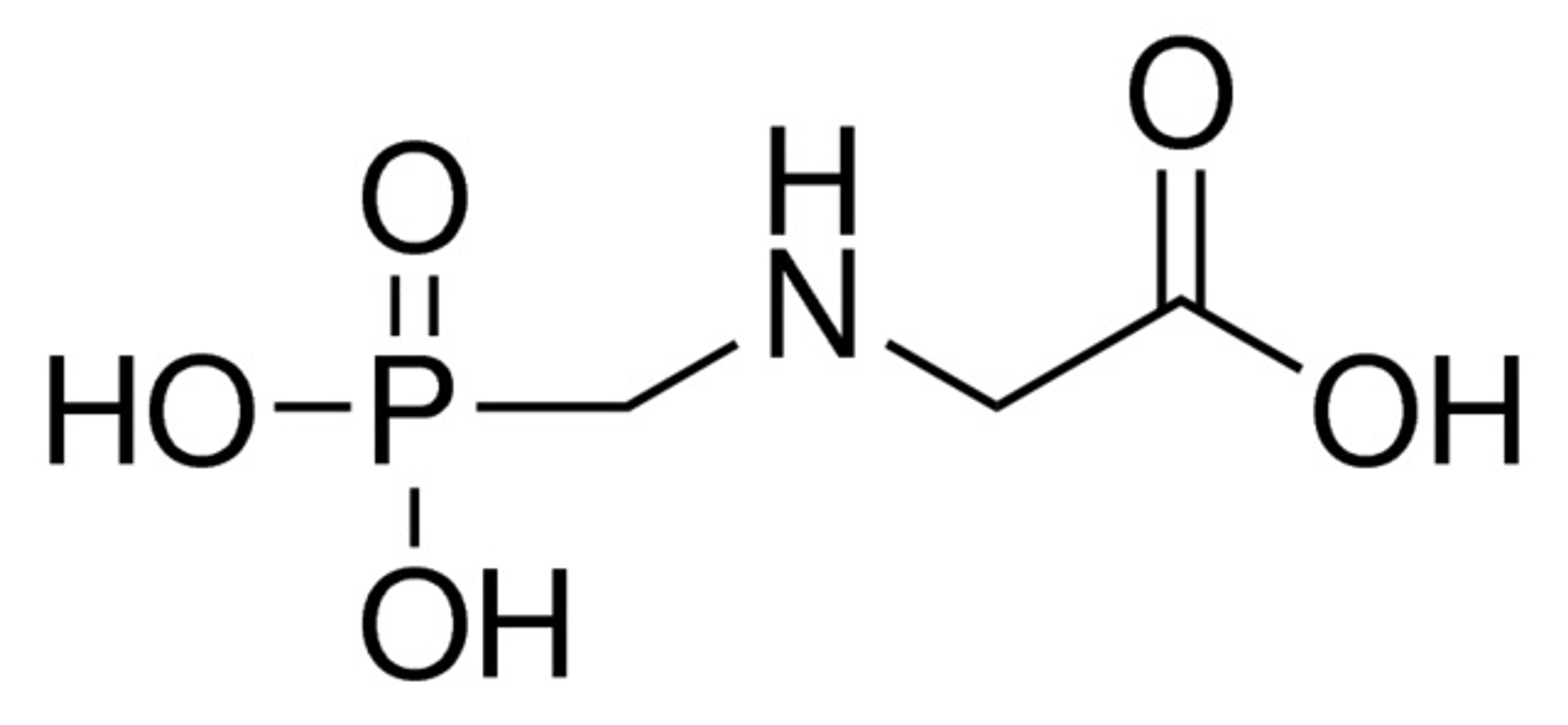
New products are continually added to the range. The most recent product additions include Glyphosate and Glufosinate-ammonium, two of the most widely used herbicides. The mode of action of both of these organophosphorus herbicides is the inhibition of an enzyme of the amino acid biosynthesis in plants without affecting the metabolisms of humans or animals. Also among the new products is 4,4’-Diaminodiphenylmethane (MDA), a chemical used in the process of polyurethane production and which has been added to the “substances of very high concern” (SVHC) list of the European Chemicals Agency (ECHA) due to its suspected carcinogenicity.

Additional new products include dyes (Leucomalachite Green), preservatives (Butylated hydroxyanisole, Diisopropyl phthalate) or flavors (Isobutyric acid) among others, which reflects the broad range of analytes that are covered by the organic TraceCERT CRMs.
Find out more about TraceCert® organic CRMs

Links

Tags

NMR and EPR SpectroscopyNuclear magnetic resonance (NMR) spectroscopy is used to resolve the local chemical environment of atomic nuclei with spin, revealing information on molecular structure, dynamic processes and chemical reactions of organic molecules, from proteins to synthetics. Electron paramagnetic resonance (EPR) also known as electron spin resonance (ESR) spectroscopy is used to detect and quantify paramagnetic species in a sample, including free radicals as transition metal ions. By immersing the sample in a strong magnetic field, both NMR and EPR spectrometers probe the sample with either radio waves or microwaves respectively. A range of benchtop, solid-state and time domain NMR spectrometers & EPR spectrometers are available, as well as NMR tubes, NMR solvents, software, coils, and magnets. Find the best NMR & EPR equipment in our peer-reviewed product directory: compare products, check customer reviews and receive pricing direct from manufacturers.Food and Beverage AnalyzersFood and Beverage Analyzers are commonly used to provide information about the chemical composition, structure and physical properties of food materials.Food and Beverage ProcessingFood and Beverage Processing involves the preparation of food products for further analysis. Typical instrumentation includes blanchers, color sorters, cookers, grinders, and refrigeration. These are used to replicate the processes commonly used in the commercial preparation of food and beverages.EnzymesEnzymes are macromolecular biological catalysts used across life science, pharmaceutical and clinical research. Various enzymes can be purchased for research applications including ligases, high fidelity polymerases, nuclease, protease, restriction enzymes, tissue dissociation enzymes and enzyme inhibitors. Find the best enzymes in our peer-reviewed product directory: compare products, check customer reviews and receive pricing direct from manufacturers.Food SafetyFood safety describes the prevention of food-borne illnesses. Contamination with a variety of pathogens can be prevented with adequate temperature control, hygiene and labeling. Food samples can be tested using GC/MS, HPLC, SPE, and qPCR to ensure their adherence to regulations.Food AuthenticationFood authentication ensures that food products are accurately labeled and free from adulteration or misrepresentation. This is important for consumer safety, quality control, and regulatory compliance. Explore food authentication tools in our peer-reviewed product directory; compare products, check reviews, and get pricing directly from manufacturers.HerbicidesFood TestingFood testing refers to a variety experiments including PCR, mass spectrometry, processing, QuEChERS, analyzing and Kjeldahl.Food QualityFood quality refers to the attributes of food that influence its safety, nutrition, and taste. Monitoring and ensuring food quality are essential in production to meet health regulations and consumer expectations. Techniques like spectroscopy, chromatography, and microbial testing are used to assess food properties and detect contaminants. Browse our peer-reviewed product directory to find food quality testing solutions; compare products, check reviews, and get pricing directly from manufacturers.CarcinogensDrug MetabolismDrug metabolism is the enzymatic conversion within the body of pharmaceutical substances into other chemical compounds. The primary site for drug metabolism is the liver.