Celloger Pro application: Spheroid cytotoxicity
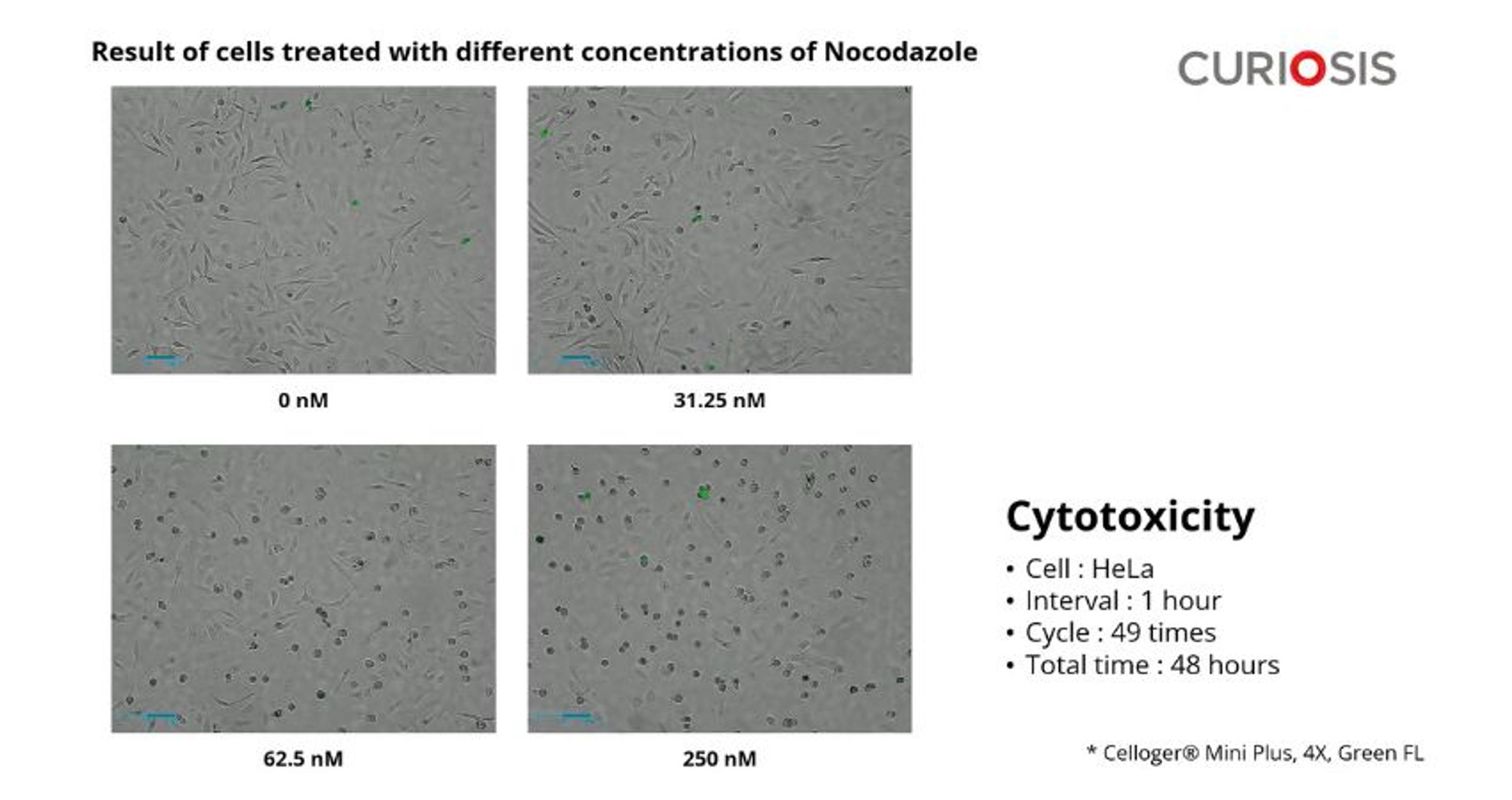
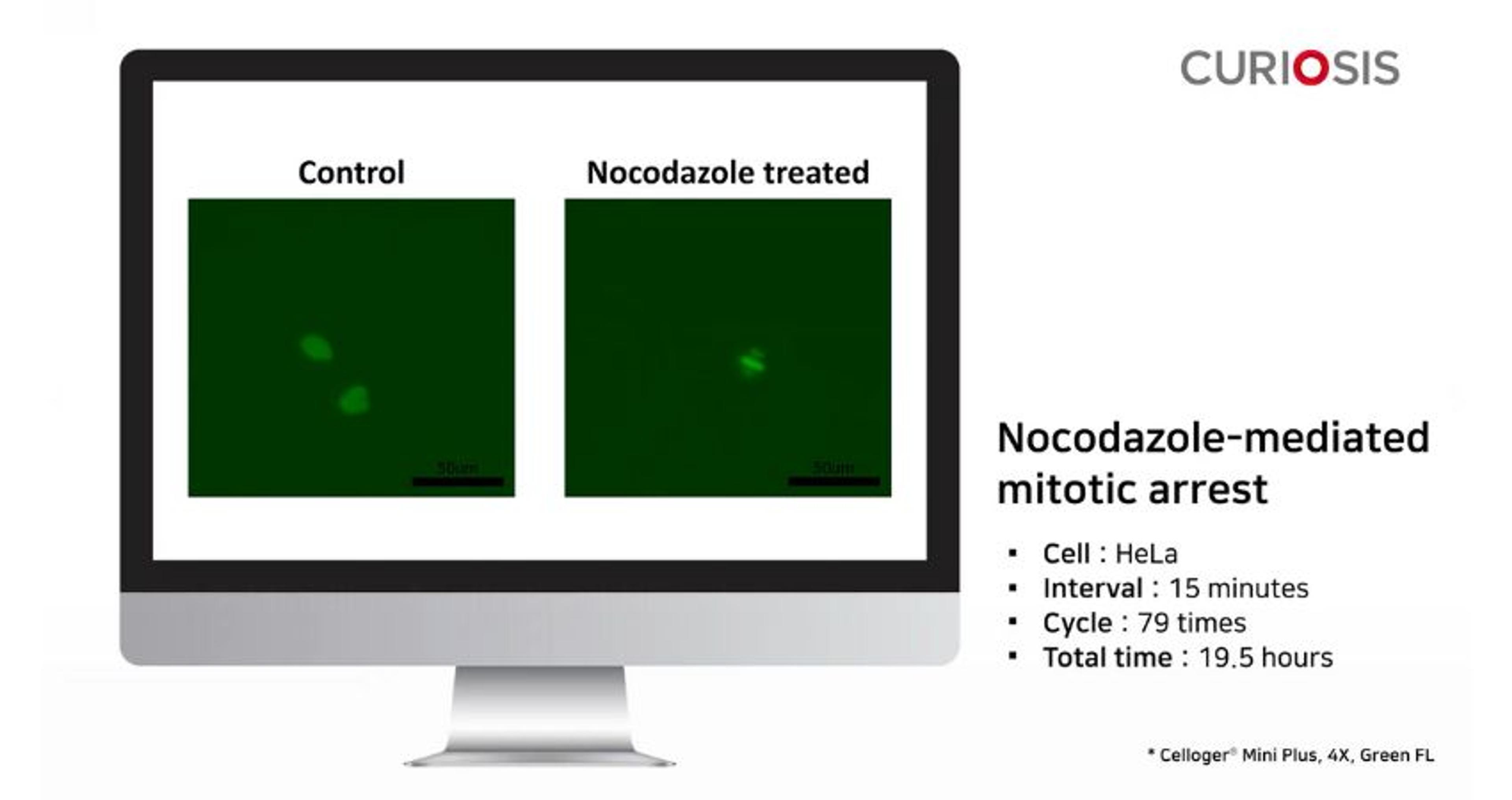
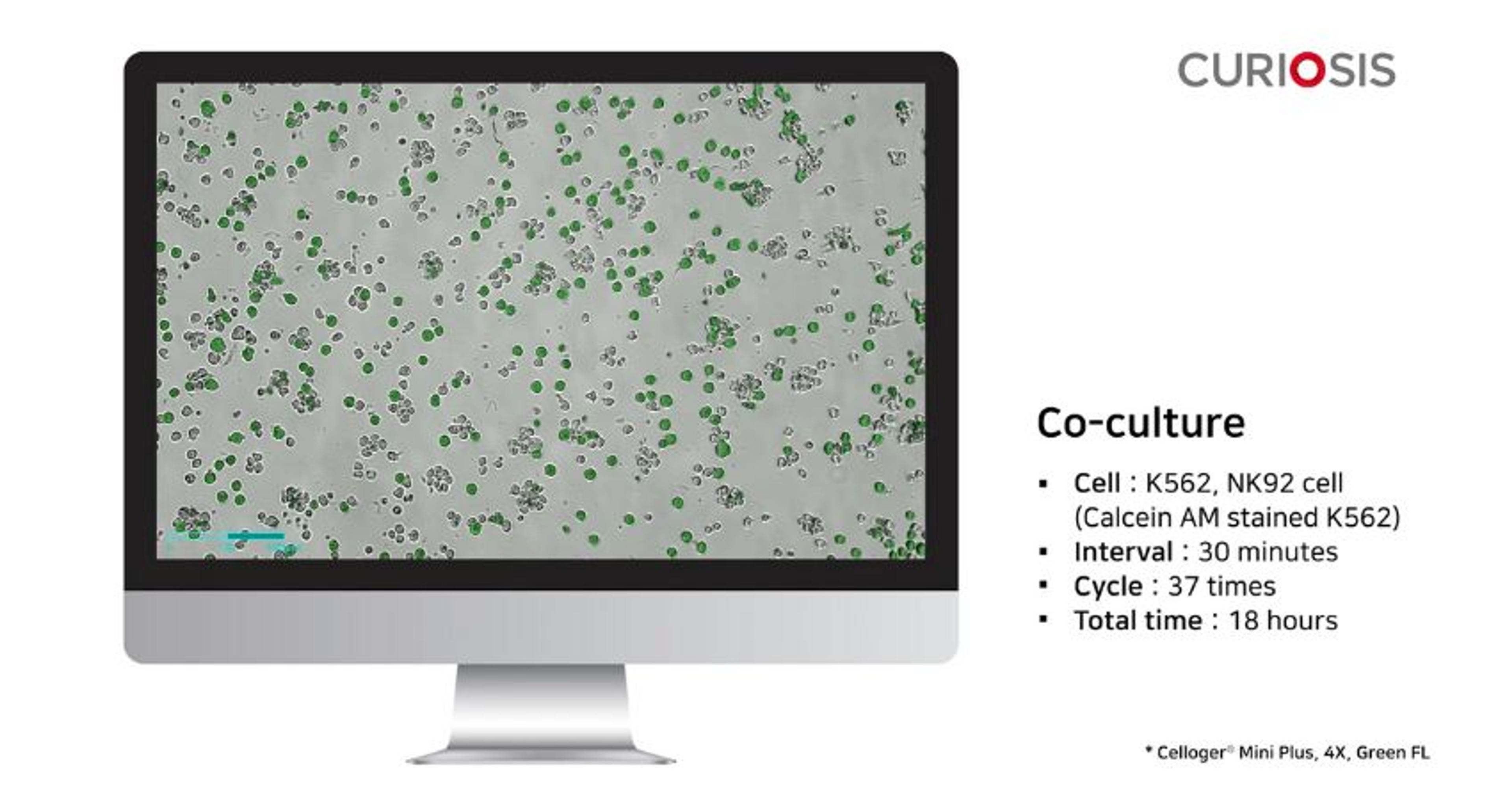
9 Sept 2025In this video, CURIOSIS demonstrates how the Celloger® Pro can be used to observe the drug effect on spheroids in real-time. Spheroids were made from HEK293 cells that stably express GFP. Staurosporine and EthD-1 dead cell staining dye were applied, and the images were captured at 30-minute intervals over 24 hours using a Celloger® Pro with a 2X objective.
About the company

CURIOSIS
“Curiosity is the most powerful assets you own”
Curiosis is an innovative biotech company to provide integrated solutions in the field of Life science, especially in cell-based application. Curiosis’ expert team of scientists and engineers is dedicated to developing high-efficiency instruments by using core technologies of biophysics and electronic engineering. Providing cutting edge technologies and optimized platform allow the researchers to challenge their progress improvement.
Related products
Request Quote for All Products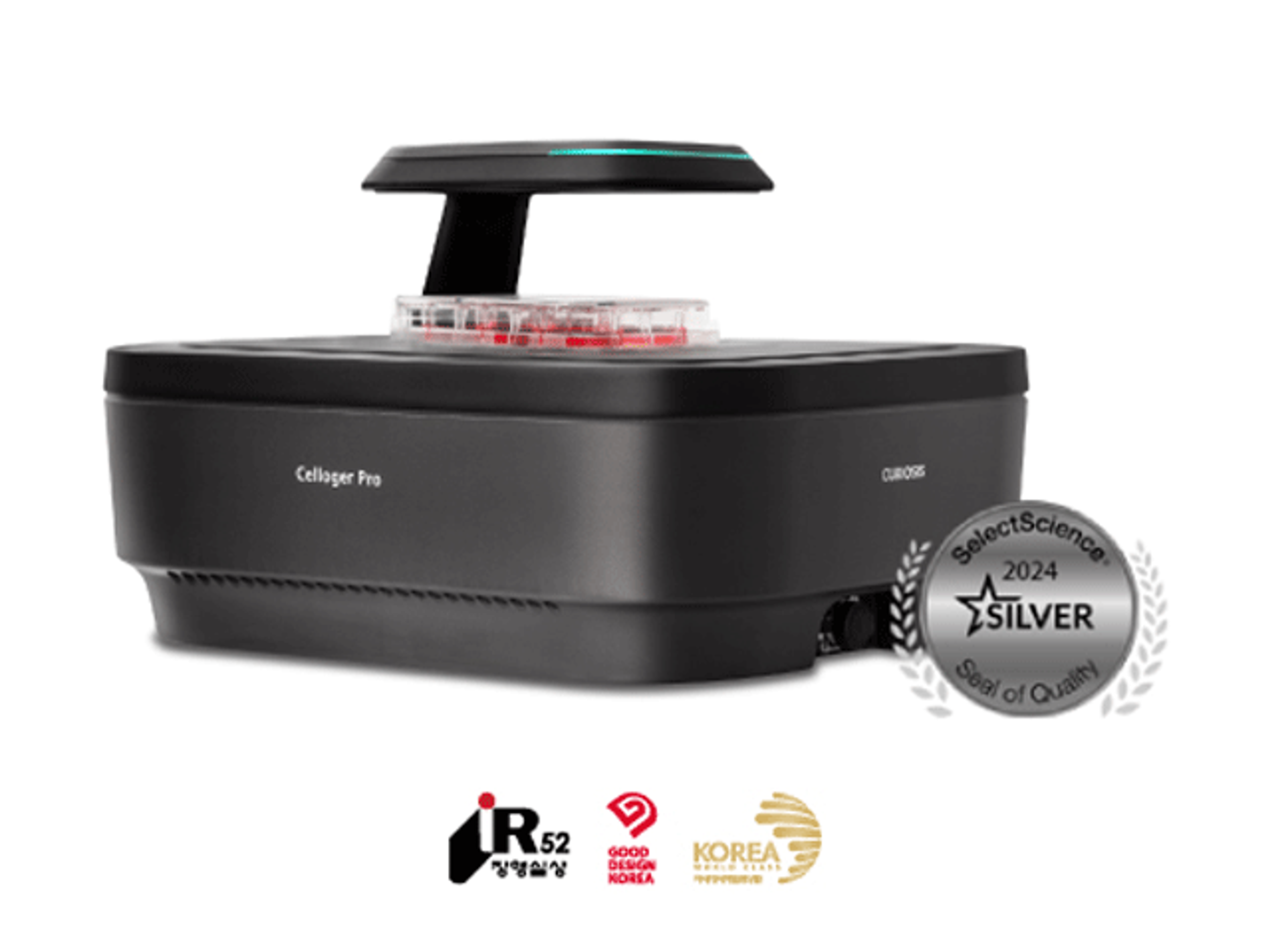
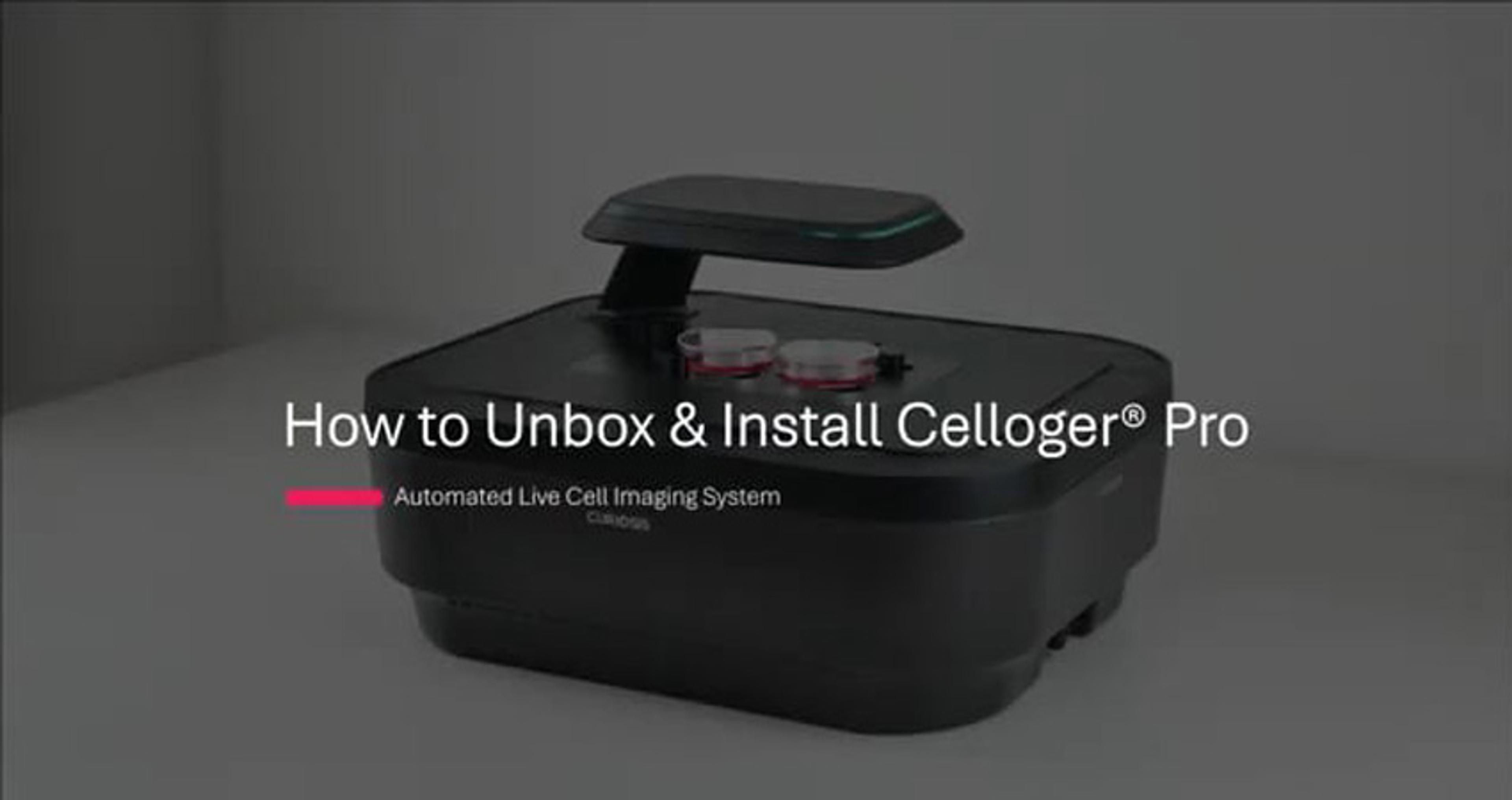
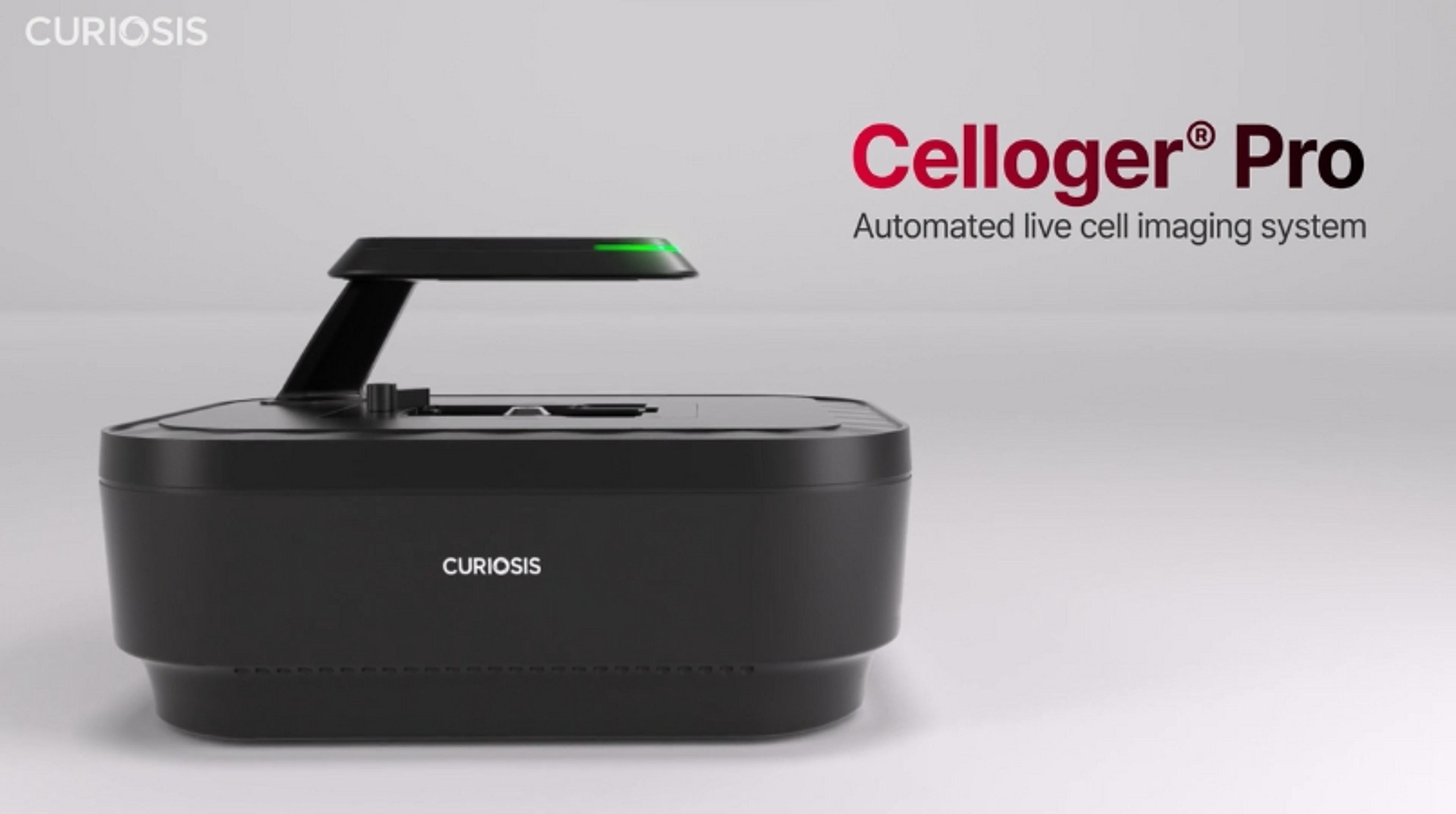
Celloger® Pro, Automated Live Cell Imaging System from Curiosis
CURIOSISWith its streamlined workflow and versatile capabilities, Celloger® Pro is a valuable tool for researchers seeking efficient, accurate, and cost-effective cellular analysis.