Automated cultivation and high-throughput screening of 3D cardiac organoids
27 Jun 2025Cardiovascular disease is the leading cause of death worldwide, claiming 34 lives every minute. Cardiotoxicity is also a significant reason for drug withdrawals during development. To tackle these challenges, Molecular Devices and HeartBeat.Bio have teamed up to provide automated solutions that better mimic human cardiac physiology.
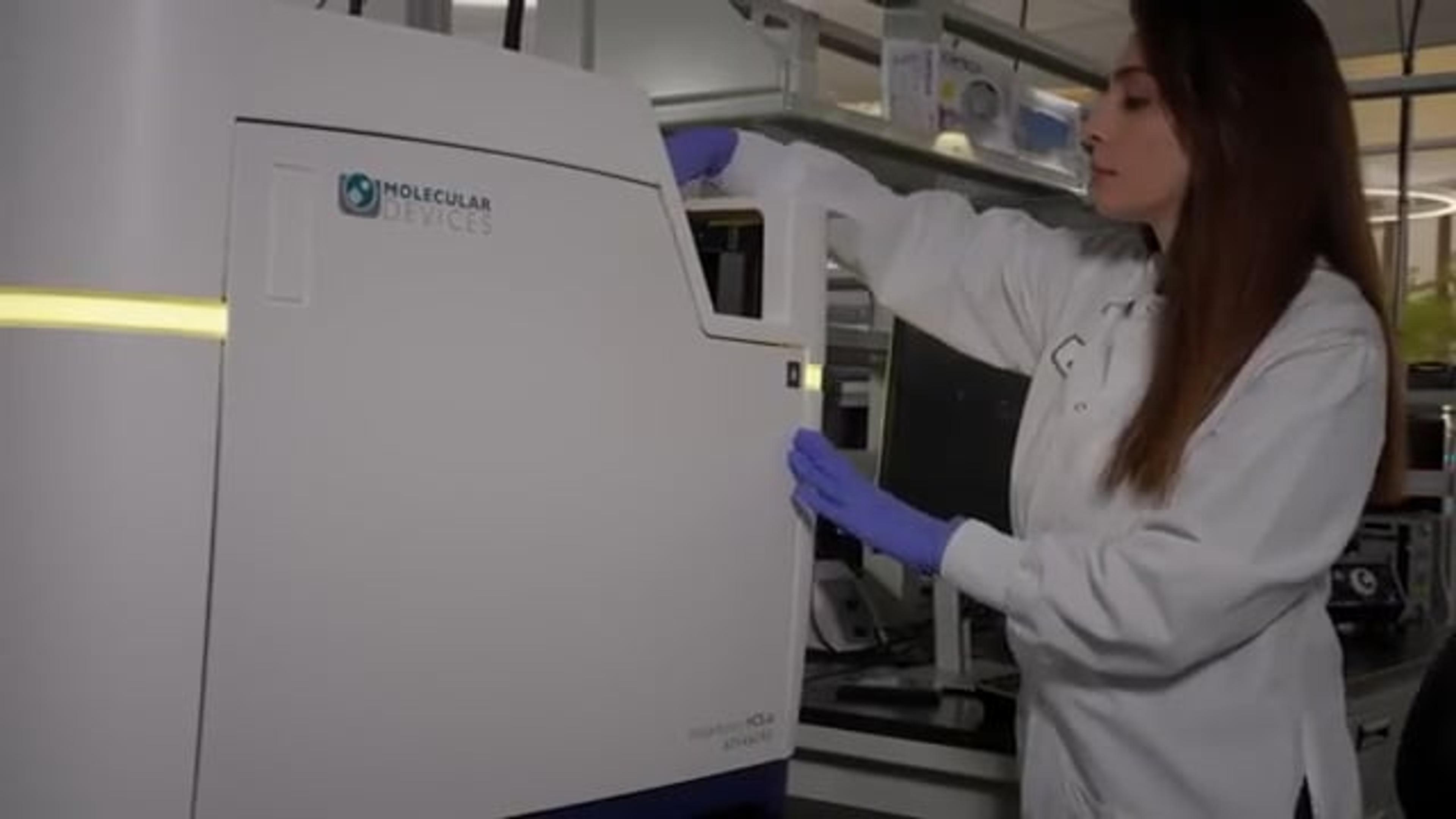
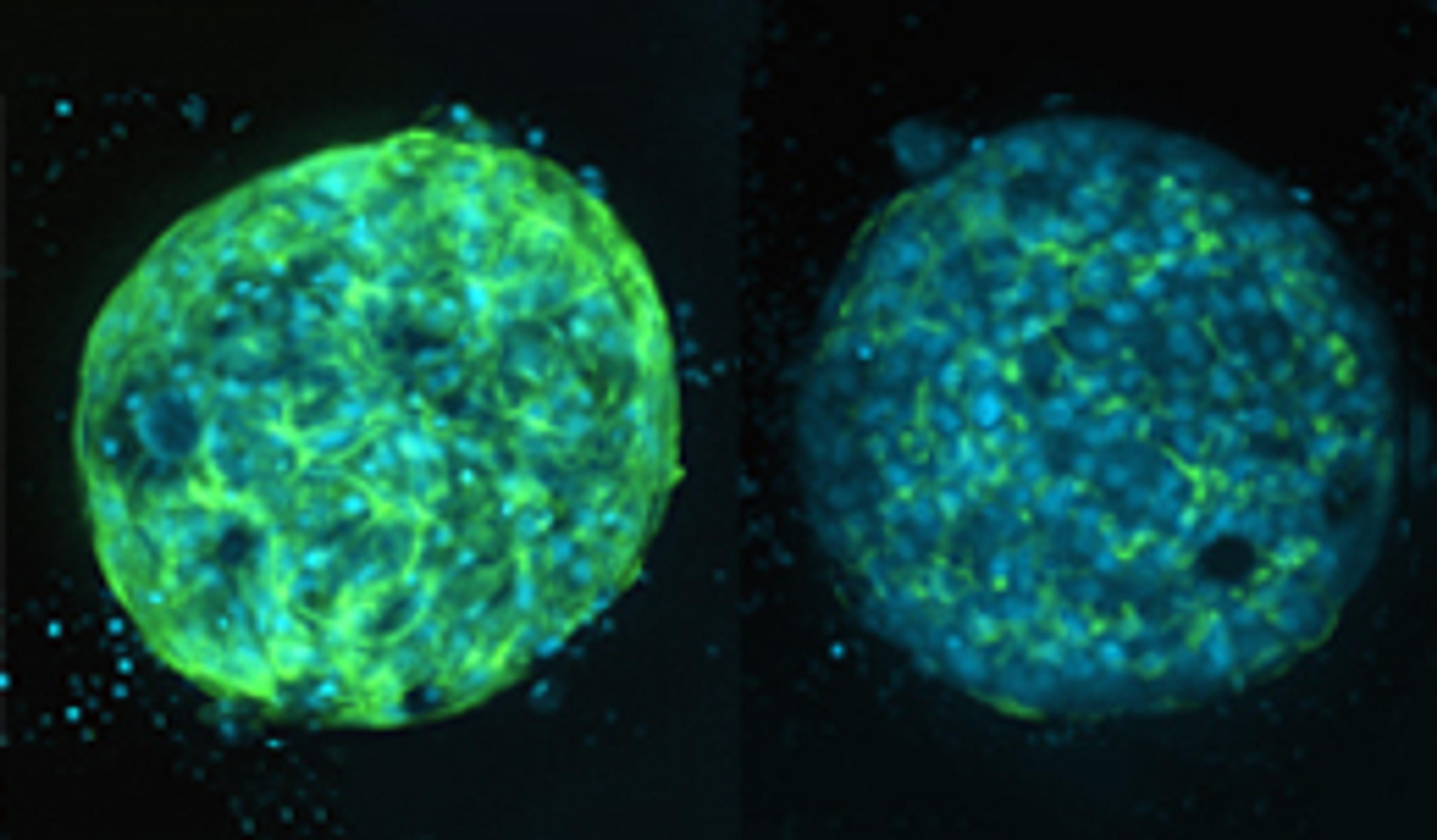
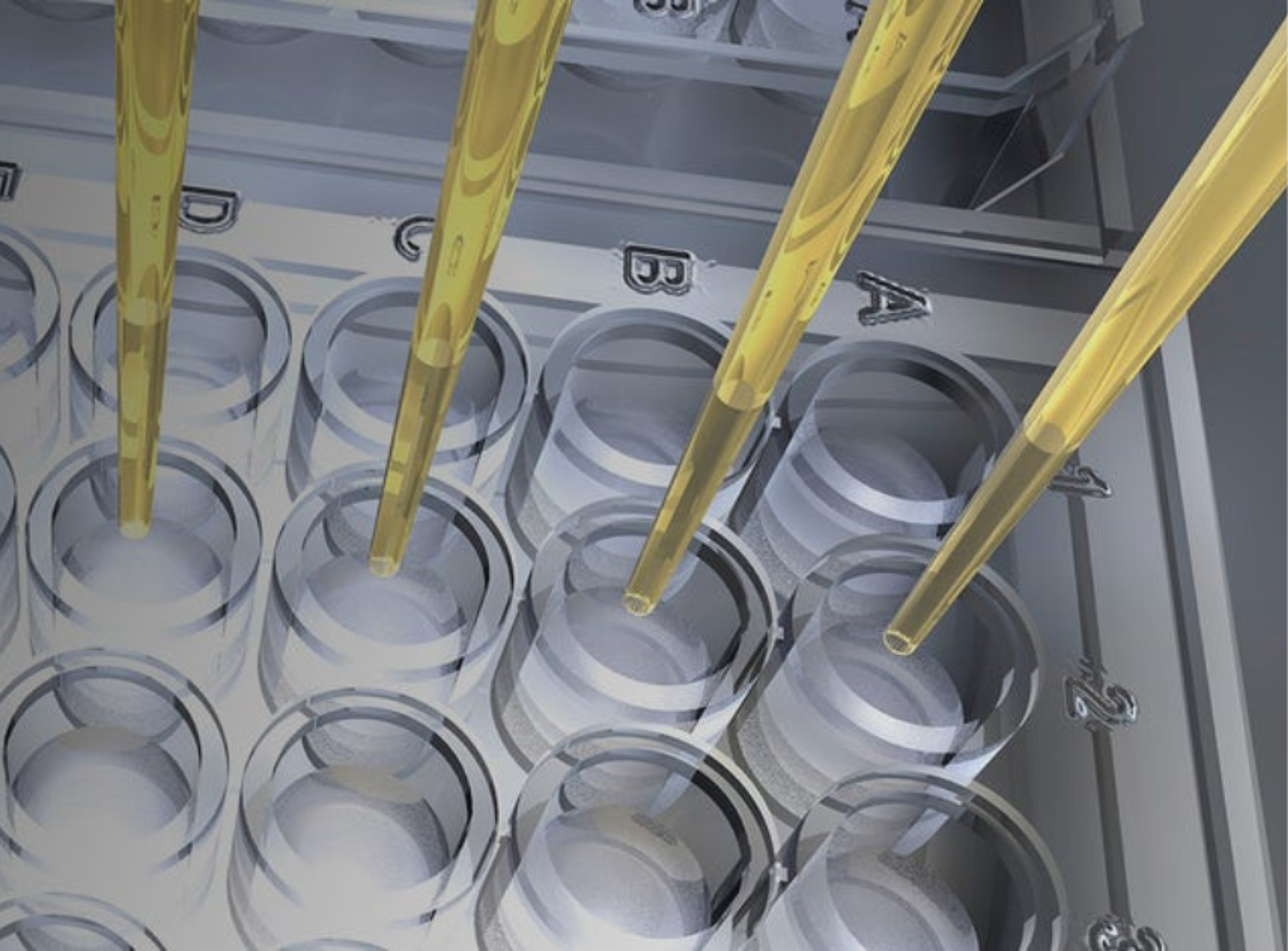
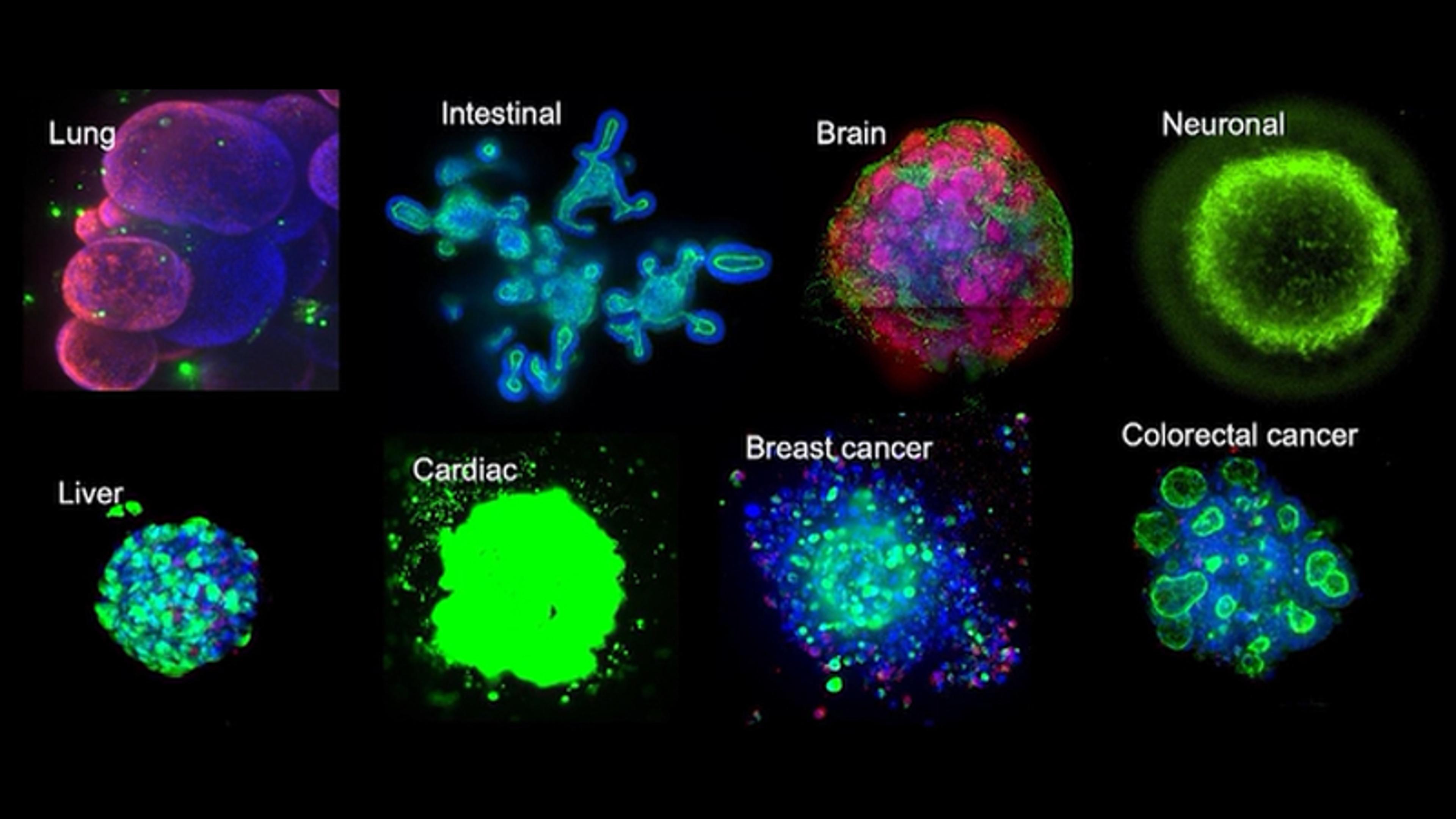
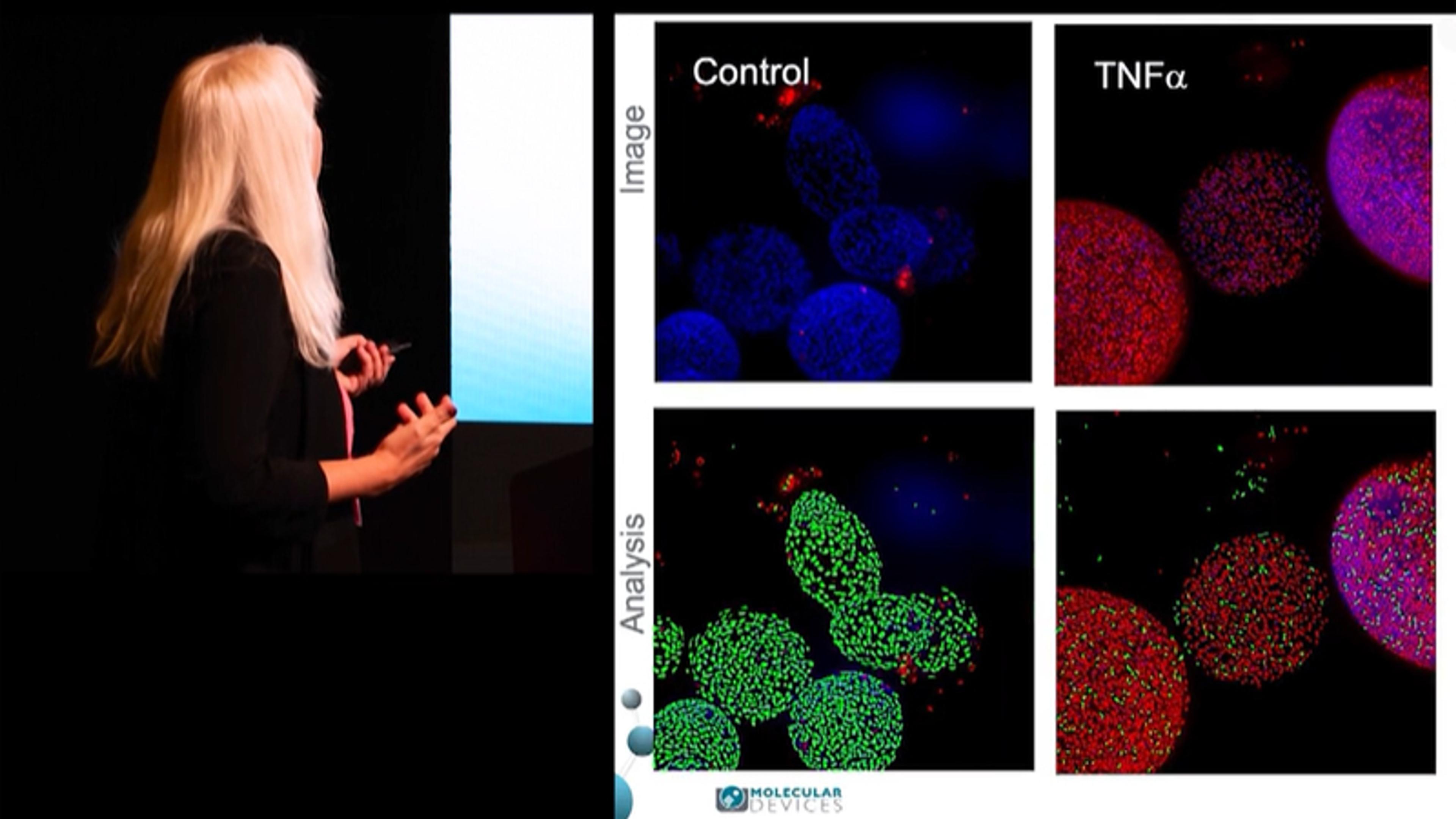
In this presentation, Dr. Florian Fuchs, CTO of HeartBeat.Bio, and Dr. Oksana Sirenko, Senior Manager of Assay Development at Molecular Devices, showcase how automated organoid culture and high-throughput screening are facilitating the effective use of cardioids in drug discovery and preclinical cardiotoxicity testing. Learn how cardioids, automation, and high-throughput workflows are revolutionizing the future of cardiac drug development.
This video was filmed at SLAS Europe 2025.
About the company

Molecular Devices®
Molecular Devices is one of the world’s leading providers of high-performance bioanalytical measurement systems, software and consumables for life science research, pharmaceutical and biotherapeutic development. Included within a broad product portfolio are platforms for high-throughput screening, genomic and cellular analysis, colony selection and microplate detection. These leading-edge products enable scientists to improve productivity and effectiveness, ultimately accelerating research and the discovery of new therapeutics. Molecular Devices is committed to the continual development of innovative solutions for life science applications. The company is headquartered in Silicon Valley, California, with offices around the globe. For more information, please visit www.moleculardevices.com.
General Inquiry - USA & Canada: +1 800-635-5577 General Inquiry - Europe: 00800 665 32860 Sales +1 877-589-2214 Support +1 800 635 5577
Related products
Request Quote for All Products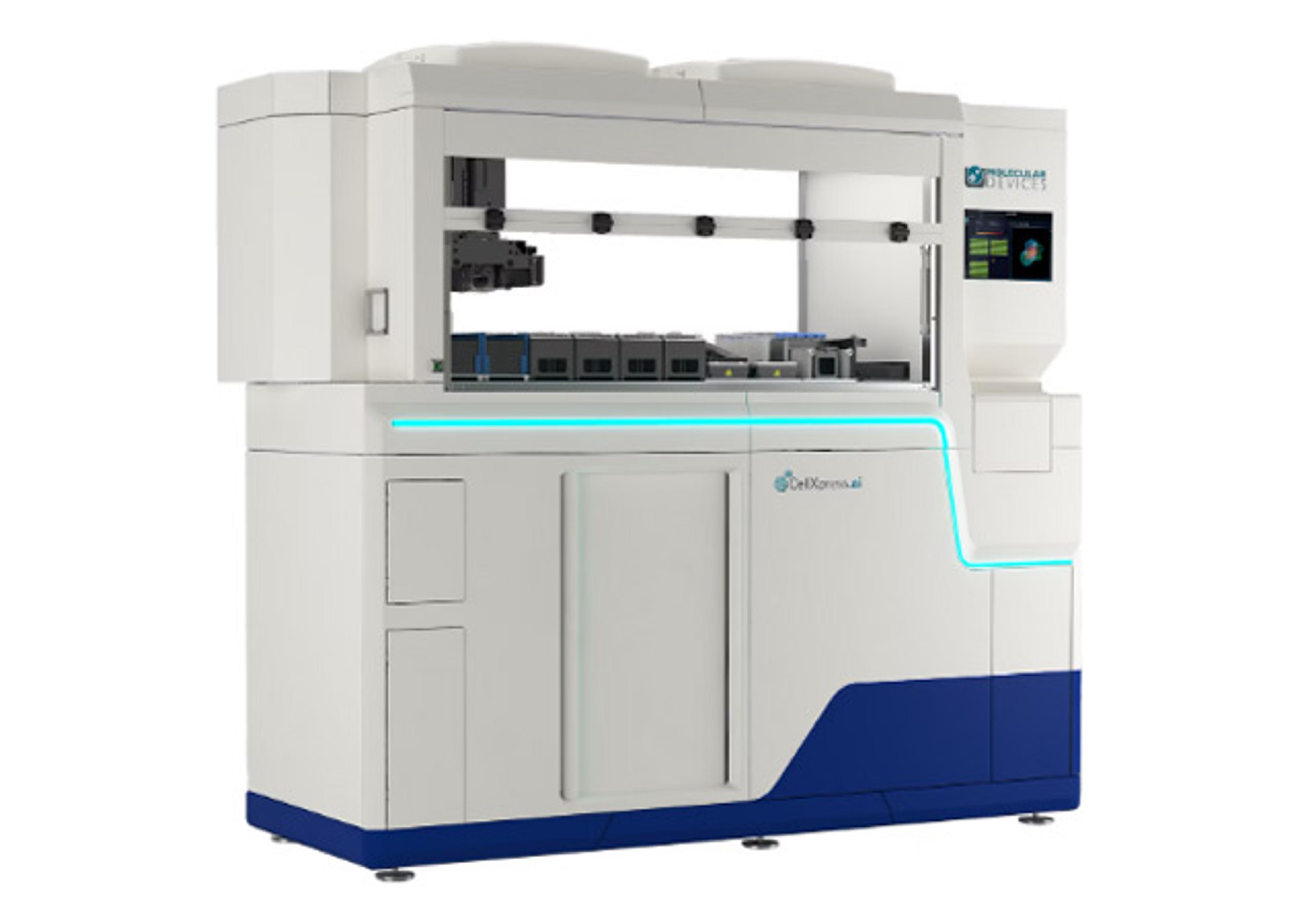
CellXpress.ai Automated Cell Culture System
Molecular Devices®The CellXpress.ai™ Automated Cell Culture System is an AI-driven cell culture innovation hub that gives your team total control over demanding cell culture feeding and passaging schedules—eliminating time in the lab while maintaining a 24/7 schedule for growing and scaling multiple stem cell lines, spheroids, or organoids.