SelectScience InterviewsLife Sciences

AI-assisted high-content imaging and toxicity screening using 3D liver organoids

22 Jul 2025
AI-assisted high-content imaging and toxicity screening using 3D liver organoids

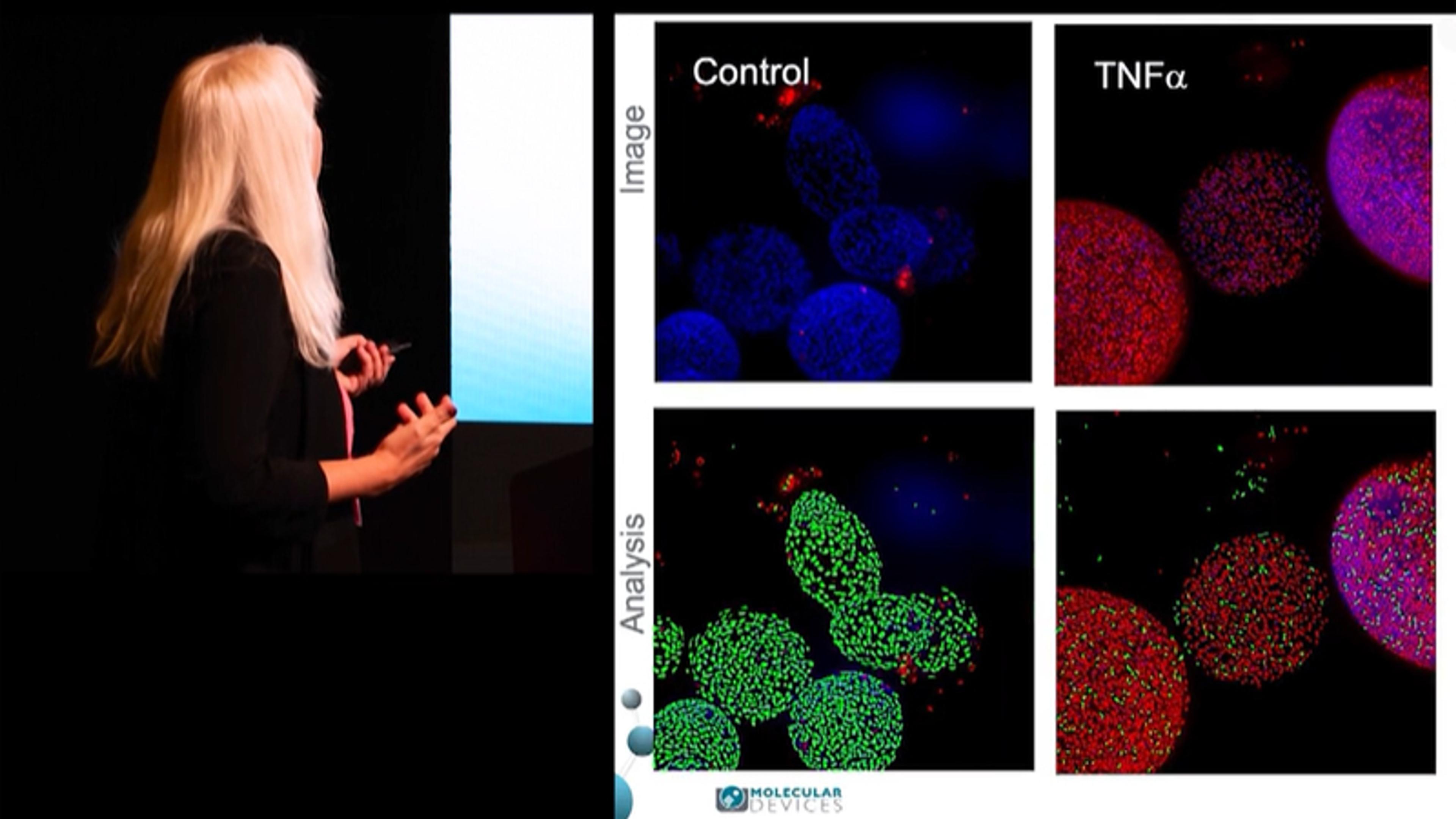
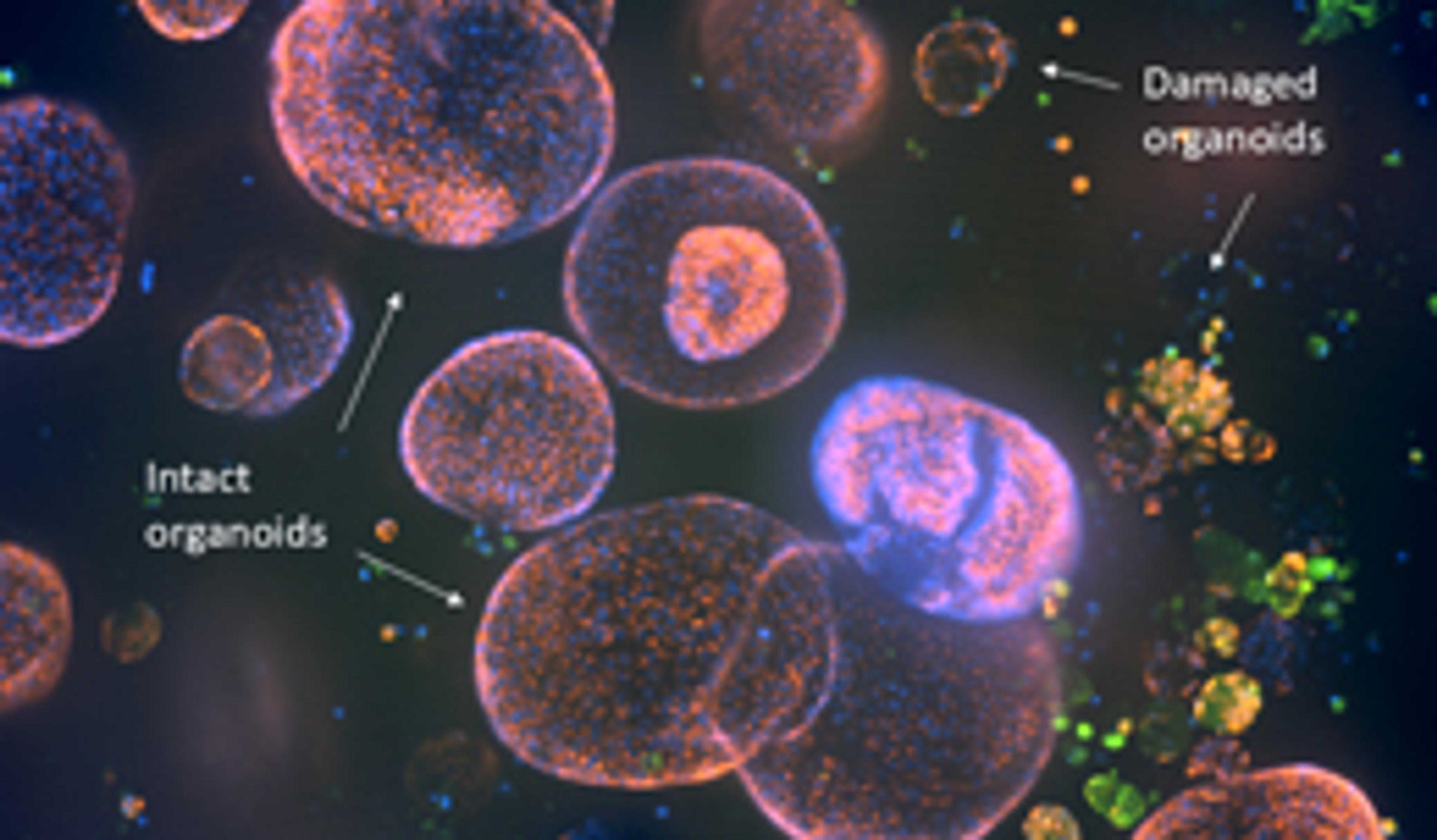
One of the biggest challenges in modern drug discovery is that 90% of candidates fail during development, largely due to safety concerns around liver toxicity. This high failure rate can often be linked to the limitations of traditional 2D cell cultures used in early testing. As a result, there is a critical need to develop more predictive in vitro assays, especially for assessing hepatotoxicity. In this presentation, Dr. Oksana Sirenko, Senior Manager of Assay Development at Molecular Devices, explores how high-content imaging, along with AI and machine learning, can serve as powerful tools to investigate drug effects and predict potential toxicity more accurately.

This video was filmed at SLAS Europe 2025.

About the company

Molecular Devices® logo

Molecular Devices®

Molecular Devices is one of the world’s leading providers of high-performance bioanalytical measurement systems, software and consumables for life science research, pharmaceutical and biotherapeutic development. Included within a broad product portfolio are platforms for high-throughput screening, genomic and cellular analysis, colony selection and microplate detection. These leading-edge products enable scientists to improve productivity and effectiveness, ultimately accelerating research and the discovery of new therapeutics. Molecular Devices is committed to the continual development of innovative solutions for life science applications. The company is headquartered in Silicon Valley, California, with offices around the globe. For more information, please visit www.moleculardevices.com.

General Inquiry - USA & Canada: +1 800-635-5577 General Inquiry - Europe: 00800 665 32860 Sales +1 877-589-2214 Support +1 800 635 5577

4.3/5.0
|67 Reviews

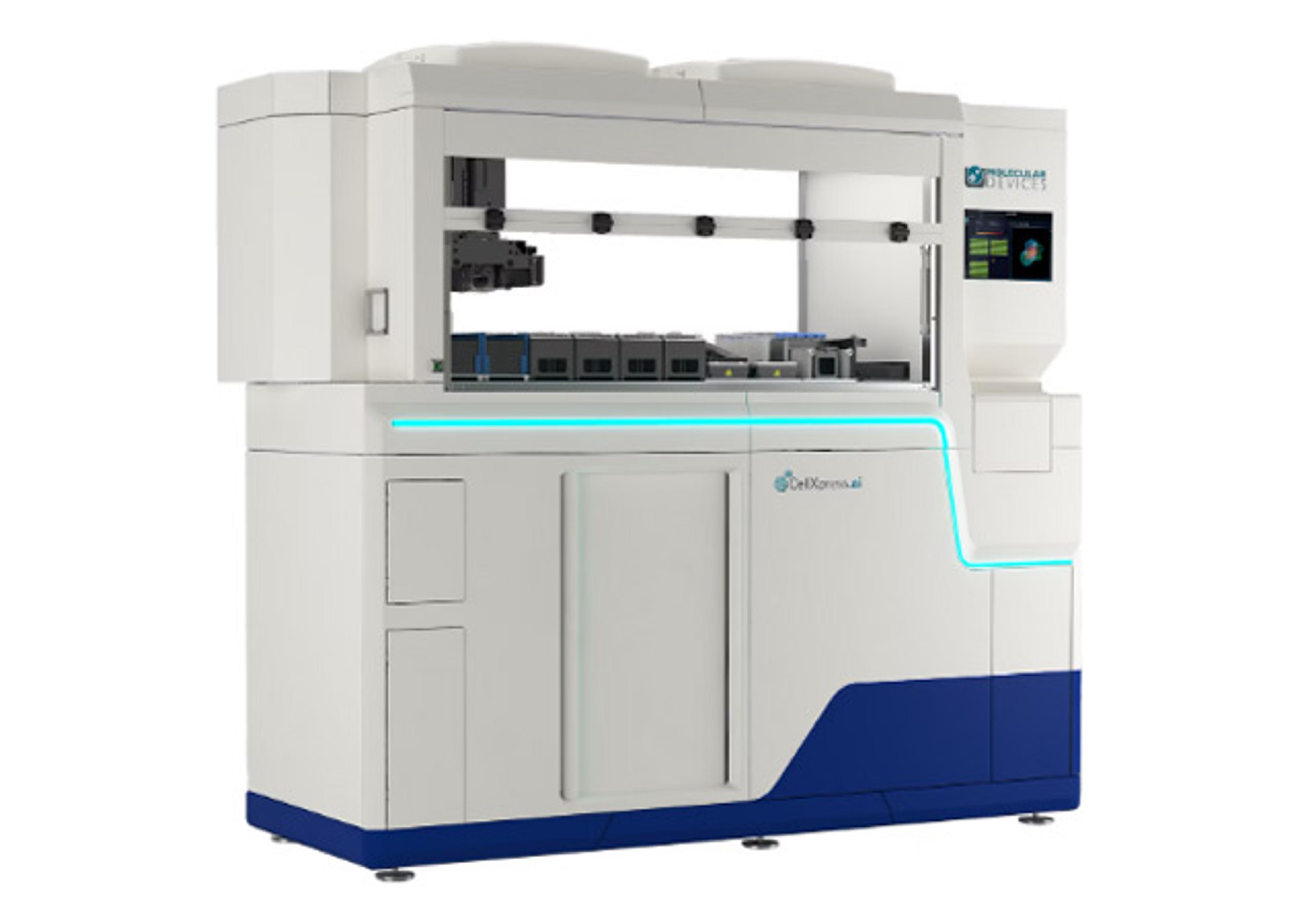
CellXpress.ai Automated Cell Culture System

Molecular Devices®

The CellXpress.ai™ Automated Cell Culture System is an AI-driven cell culture innovation hub that gives your team total control over demanding cell culture feeding and passaging schedules—eliminating time in the lab while maintaining a 24/7 schedule for growing and scaling multiple stem cell lines, spheroids, or organoids.
(0)

Other videos from Molecular Devices®

Links

Tags

Cell / Tissue CultureCell culture or tissue culture is used to study the biology of cells or tissues and to isolate cellular products in an environment which can be manipulated and well defined. Accurately control your culture environment with bioreactors or culture incubators, bind your cells to a surface or together with an extracellular matrix. Distinguish cell types with differential media or proliferate cells with certain characteristics using selective media. Enrich your media with supplements such as growth factors, sera and vitamins. Find the best cell and tissue culture products, kits and equipment in our peer-reviewed product directory: compare products, check customer reviews and receive pricing direct from manufacturers.SLASThe Society for Laboratory Automation and Screening (SLAS) is an organization focused on laboratory automation, high-throughput screening, and biotechnology innovation. SLAS promotes scientific advancements through conferences, publications, and industry collaborations. AIDrug Discovery & Development ScreeningAutomationAutomation in laboratories and manufacturing processes enhances efficiency, precision, and scalability by reducing the need for manual intervention. It plays a critical role in improving productivity, minimizing human error, and accelerating workflows in fields like diagnostics, drug development, and industrial testing. Automation technologies include robotic systems, automated liquid handlers, and process control systems that streamline complex tasks and ensure consistent, reproducible results. Explore our peer-reviewed product directory to discover the best automation solutions, compare options, read user reviews, and get prices directly from manufacturers.Organoids3D Cell CultureCulturing cells in three dimensions allows more physiologically relevant observations to be made regarding cellular interactions and gene expression. 3D models provide a more accurate representation of cells in vivo and are more stable than 2D cultures, making them very useful for long-term studies.