Ultra-Sensitive Host Cell Protein Detection Using CESI-MS with SWATH® Acquisition

19 Jun 2017

Host cell proteins (HCPs) are undesired impurities in biologic preparation processes and can negatively affect biotherapeutic quality, potency, and safety. The integration of capillary electrophoresis (CE) and electrospray ionization (ESI) into one process (CESI) presents the possibility to improve the sensitivity of HCP quantitation through reduced ion suppression and improved ionization efficiency at ultralow nanoliter per minute flow rates. This application note demonstrates the use of CESI-MS with SWATH acquisition for the ultrasensitive detection of HCPs in a representative mAb preparation.

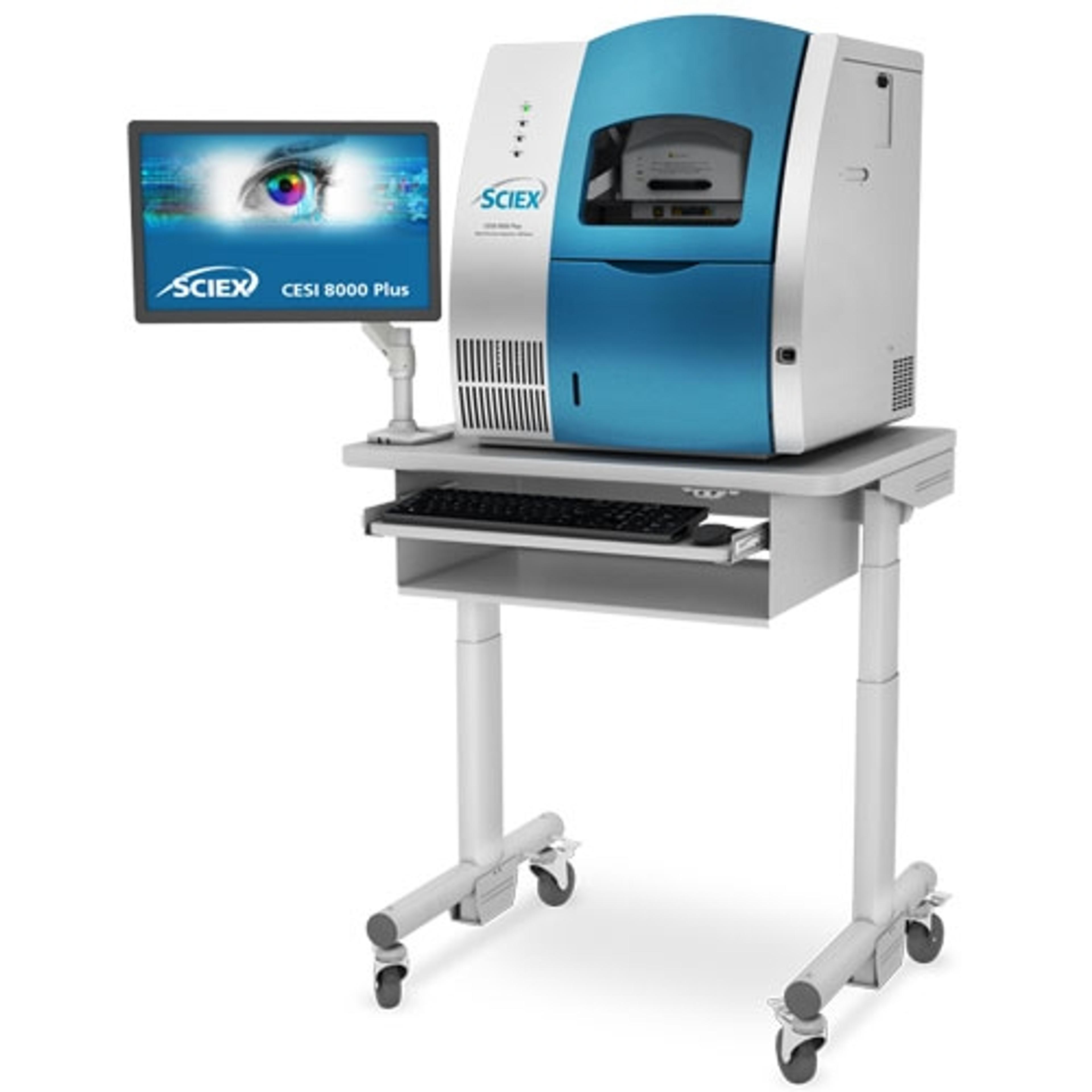
CESI 8000 Plus system

SCIEX

Extending the reach of your mass spectrometer. Mass spectrometry (MS) has become an indispensable technology for the analysis of compounds of biological interest. Our improvements in assay sensitivity and reduction in ion suppression reveal new information that is critical to your research, whether you’re characterizing a therapeutic protein, identifying the proteins that make up a specific proteome, analyzing post-transitional modifications, or studying a metabolomic fingerprint. We developed a new front-end separation and ionization technology called CESI, which combines the high efficiency and ultra-low flow of capillary electrophoresis (CE) with an integrated electrospray ionization source. This optimization of electrospray ionization (ESI) into the nanoflow region has been shown to greatly improve assay sensitivity and reduce ion suppression.  

(0)

Links

Tags

AntibodiesAntibodies are used in techniques such as confocal and fluorescence microscopy, flow cytometry, ELISA, ELISPOT, immunohistochemistry, western blotting and immunopreciptation. Select specific antigen reactivity, high specific affinity, low non-specific binding, monoclonal or polyclonal, primary or secondary antibodies and associated conjugates such as an enzyme or dye for visualization.ProteomicsProteomics is the systemic bioinformatics study of proteins and amino acids, including their structure, size, function and identification. Tools used in proteomics include chromatography, blotting and gels, protein arrays, mass spectrometry and ELISA and associated analysis software. Analyzers and proteomic systems should be sensitive, high resolution, fast and may be automated for high-throughput.Protein PurificationProtein purification is a vital step in drug discovery, therapeutics, biotech and life science research. The purification process typically involves subcellular or membrane protein extraction with cell lysis kits, separation of proteins from cell debris by filtration or spin columns, and the isolation of proteins of interest from other proteins and impurities with affinity purification (including fusion protein tags and antibody binding proteins A, G and L), immunoprecipitation or chromatographic methods, such as ion exchange, size exclusion and immobilized metal affinity chromatography. All purification methods come in multiple formats for your laboratory needs, including agarose or magnetic beads, resins, columns and filter plates. Find the best protein purification equipment in our peer-reviewed product directory: compare products, check customer reviews and receive pricing direct from manufacturers.Monoclonal AntibodiesMonoclonal antibodies (mAbs) are lab-made molecules that can bind to specific antigens on cells, making them highly effective in treating cancers, autoimmune diseases, and infections. These targeted therapies are transforming the treatment landscape for many conditions. Browse our peer-reviewed product directory to find monoclonal antibodies for research and clinical applications; compare products, check reviews, and get pricing directly from manufacturers.Protein DetectionProtein detection techniques are essential for understanding protein expression, localization, and function. Methods such as western blotting, ELISA, and mass spectrometry are commonly used in research and diagnostics. Browse our peer-reviewed product directory to find the best tools for protein detection, compare products, check reviews, and get pricing directly from manufacturers.BiotherapeuticsBiotherapeutics are proteins and other compounds (such as nucleic acids) produced by living organisms that have uses as therapeutics or in <i>in vivo</i> diagnostics. The most well-known example of a biotherapeutic product, and the first to be approved for therapeutic use, was recombinant human insulin.BiologicsBiologics are medical products derived from living organisms, including vaccines, gene therapies, and monoclonal antibodies. These treatments are key to modern healthcare, especially in oncology and autoimmune diseases. Explore biologics research tools in our peer-reviewed product directory; compare products, check reviews, and get pricing directly from manufacturers.