ResourceSeparations

Sensitive, Reproducible Results for Food Testing with Zebron GC Columns

3 Nov 2016

This application note provides a comprehensive guide on how to optimize your food testing analyses using Phenomenex GC columns. Reliable testing of food and beverages is necessary to ensure the quality and safety of the product. This note provides advice on issues such as choosing the right column, as well as examples of GC applications.

Zebron ZB-5HT Inferno GC Columns

Phenomenex Inc

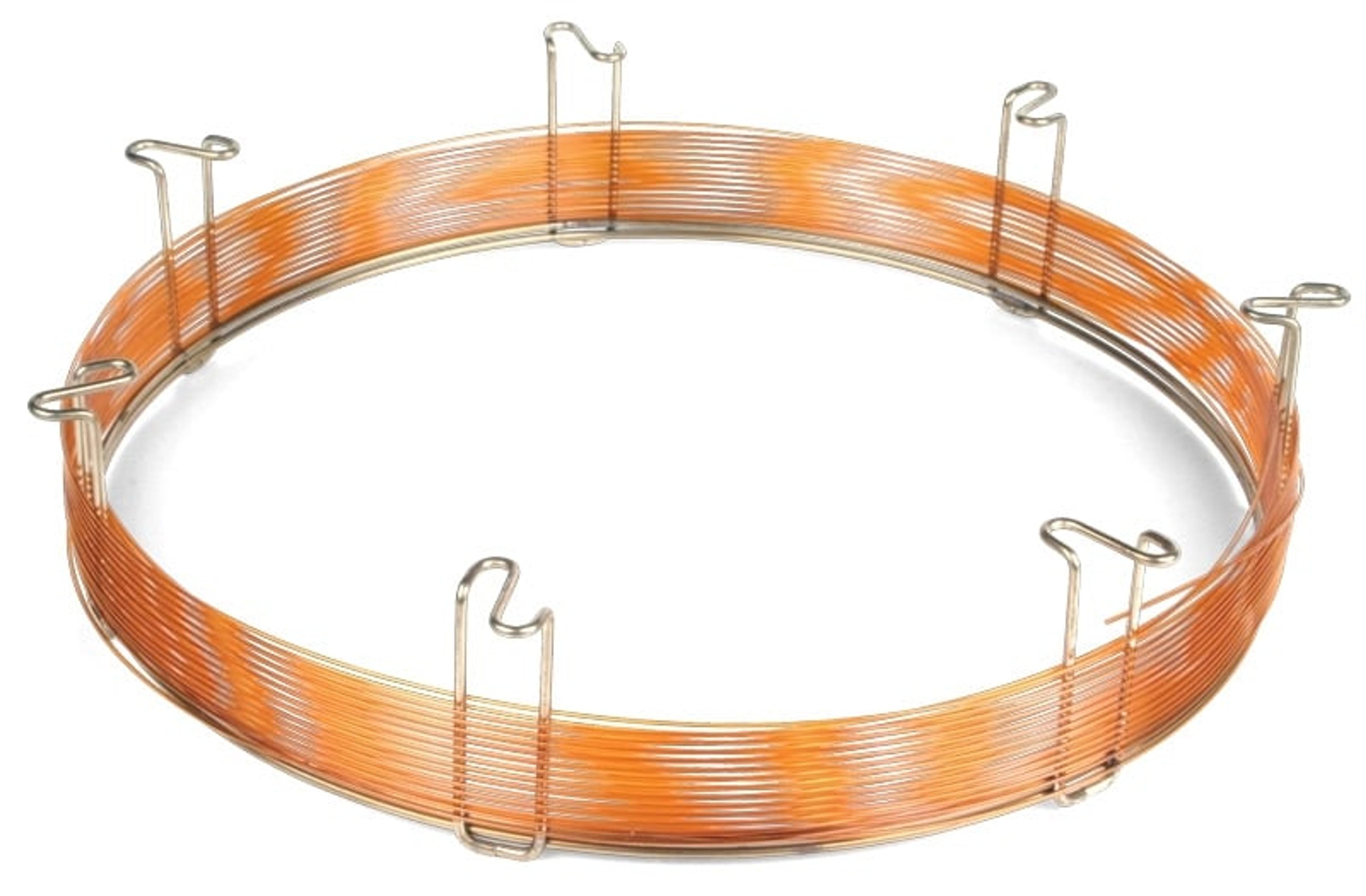
Rugged Performance Up to 430 °CRugged, high temperature stable (430 °C), polyimide-coated fused silica phaseRobust column performance for high temperature bake outsRecommended for chemists struggling with high boilers, contaminants, or carry-oversWith advanced polymer bonding technology and specialized high temperature polyimide coating, Zebron Inferno columns offer enhanced performance where other columns fail. See how Inferno columns allow analysts to push a standard analysis up to 430 °C.Recommended UseDiesel Fuels, High Boiling Petroleum Products, High Molecular Weight Waxes, Long-chained Hydrocarbons, Motor Oils, Polymers/Plastics, Simulated Distillation, Surfactants, TriglyceridesR&D 100 Award-Winning Technology for High Temp Testing

(0)

Zebron ZB-1HT Inferno GC Columns

Phenomenex Inc

Performance Up to 430 °CRugged, high temperature stable (430 °C), polyimide-coated fused silica phaseRobust column performance for high temperature bake outsTrue boiling point separation for hydrocarbon distillation methodsRecommended for chemists struggling with high boilers, contaminants, or carry-oversR&D 100 Award-Winning Technology for High Temp TestingWith advanced polymer bonding technology and specialized high temperature polyimide coating, Zebron Inferno columns offer enhanced performance where other columns fail. See how Inferno columns allow analysts to push a standard analysis up to 430 °C.Recommended ApplicationsDiesel Fuel, High Boiling Petroleum Products, High Molecular Weight Waxes, Long-chained Hydrocarbons, Motor Oils, Polymers/Plastics, Simulated Distillation

(0)

Links

Tags

Gas ChromatographyGas chromatography (GC) is an analytical technique used to separate and quantitate mixtures of small and volatile compounds. Gas chromatographs or GC systems include components such as GC columns, detectors, pumps and autosamplers. Choose from packed or capillary GC columns, flame ionization (FID), photoionization (PID) electron capture detectors and selective or non-selective detectors. Find the best gas chromatographs in our peer-reviewed product directory: compare products, check customer reviews and receive pricing direct from manufacturers.Preparative ChromatographyPreparative chromatography equipment is used for purification purposes, separating and collecting compounds eluted from a mixture which can then be subsequently used for further purposes. This can be done in large quantities or small. Preparative chromatography systems are usually low to medium pressure liquid chromatographs that are semi-automated. Explore a range of preparative columns and fraction collectors. Find the best preparative chromatography equipment in our peer-reviewed product directory: compare products, check customer reviews and receive pricing direct from manufacturers.Food and Beverage AnalyzersFood and Beverage Analyzers are commonly used to provide information about the chemical composition, structure and physical properties of food materials.Food and Beverage ProcessingFood and Beverage Processing involves the preparation of food products for further analysis. Typical instrumentation includes blanchers, color sorters, cookers, grinders, and refrigeration. These are used to replicate the processes commonly used in the commercial preparation of food and beverages.GC-MS GC-MS (gas chromatography-mass spectrometry) instruments and equipment are used to separate, quantify and identify mixtures of small and volatile compounds, such as polycyclic aromatics, fatty acids and alcohols. Often used in drug detection, forensic investigation and environmental analysis for pesticides and contaminants, GC-MS is a powerful addition to your lab’s analytical capabilities. GC-MS/MS instruments equipped with a qTOF or triple quadrupole analyzers can give greater sensitivity and resolution to your analysis. Find the best GC-MS instruments and equipment in our peer-reviewed product directory: compare products, check customer reviews and receive pricing direct from manufacturers.PesticidesPesticides are used to protect crops from diseases, pests and unwanted plants. They are classed as persistent organic pollutants (POPs) and can be harmful to humans. The Environmental Protection Agency (EPA) currently regulates the use of pesticides in the USA. Food AdditivesFood SafetyFood safety describes the prevention of food-borne illnesses. Contamination with a variety of pathogens can be prevented with adequate temperature control, hygiene and labeling. Food samples can be tested using GC/MS, HPLC, SPE, and qPCR to ensure their adherence to regulations.Food AuthenticationFood authentication ensures that food products are accurately labeled and free from adulteration or misrepresentation. This is important for consumer safety, quality control, and regulatory compliance. Explore food authentication tools in our peer-reviewed product directory; compare products, check reviews, and get pricing directly from manufacturers.ChromatographyChromatography is a powerful technique used to separate and analyze components of mixtures based on their chemical properties. It is widely used in fields like biochemistry, pharmaceuticals, and environmental analysis. By exploiting differences in the interaction of substances with a stationary phase and a mobile phase, chromatography enables precise purification and quantification of compounds. Whether you're working with complex biological samples or industrial chemicals, chromatography is essential for obtaining high-quality results. Browse our peer-reviewed product directory to find the best chromatography systems, compare products, read customer reviews, and get pricing directly from manufacturers.Quality TestingQuality testing ensures that products meet required specifications and safety standards in various industries, including pharmaceuticals, food, and materials. It is essential for maintaining product quality and consumer safety. Explore quality testing tools in our peer-reviewed product directory; compare products, check reviews, and get pricing directly from manufacturers.Food ContaminationFood contamination refers to the presence of harmful substances or pathogens in food, posing risks to human health. Contaminants can be biological, chemical, or physical, and their detection is crucial for ensuring food safety. Advanced testing methods like PCR, chromatography, and spectroscopy are used to identify contaminants in food products. Browse our peer-reviewed product directory to find the best solutions for food contamination detection, compare products, check reviews, and get pricing directly from manufacturers.Food QualityFood quality refers to the attributes of food that influence its safety, nutrition, and taste. Monitoring and ensuring food quality are essential in production to meet health regulations and consumer expectations. Techniques like spectroscopy, chromatography, and microbial testing are used to assess food properties and detect contaminants. Browse our peer-reviewed product directory to find food quality testing solutions; compare products, check reviews, and get pricing directly from manufacturers.Alcoholic BeveragesThe analysis of alcoholic beverages involves testing their composition, quality, and safety, including alcohol content, flavor compounds, and impurities. This is essential for quality control and regulatory compliance. Explore tools for alcoholic beverage testing in our peer-reviewed product directory; compare products, check reviews, and get pricing directly from manufacturers.Beverage AnalysisBeverage analysis involves testing and evaluating the composition, quality, and safety of drinks, from alcoholic beverages to soft drinks. Techniques like chromatography and spectroscopy are commonly used to analyze flavors, nutrients, contaminants, and additives. Browse our peer-reviewed product directory to find the best beverage analysis tools, compare products, check reviews, and get pricing directly from manufacturers.