ResourceLife Sciences
Robust and versatile platform for label-free interaction analysis
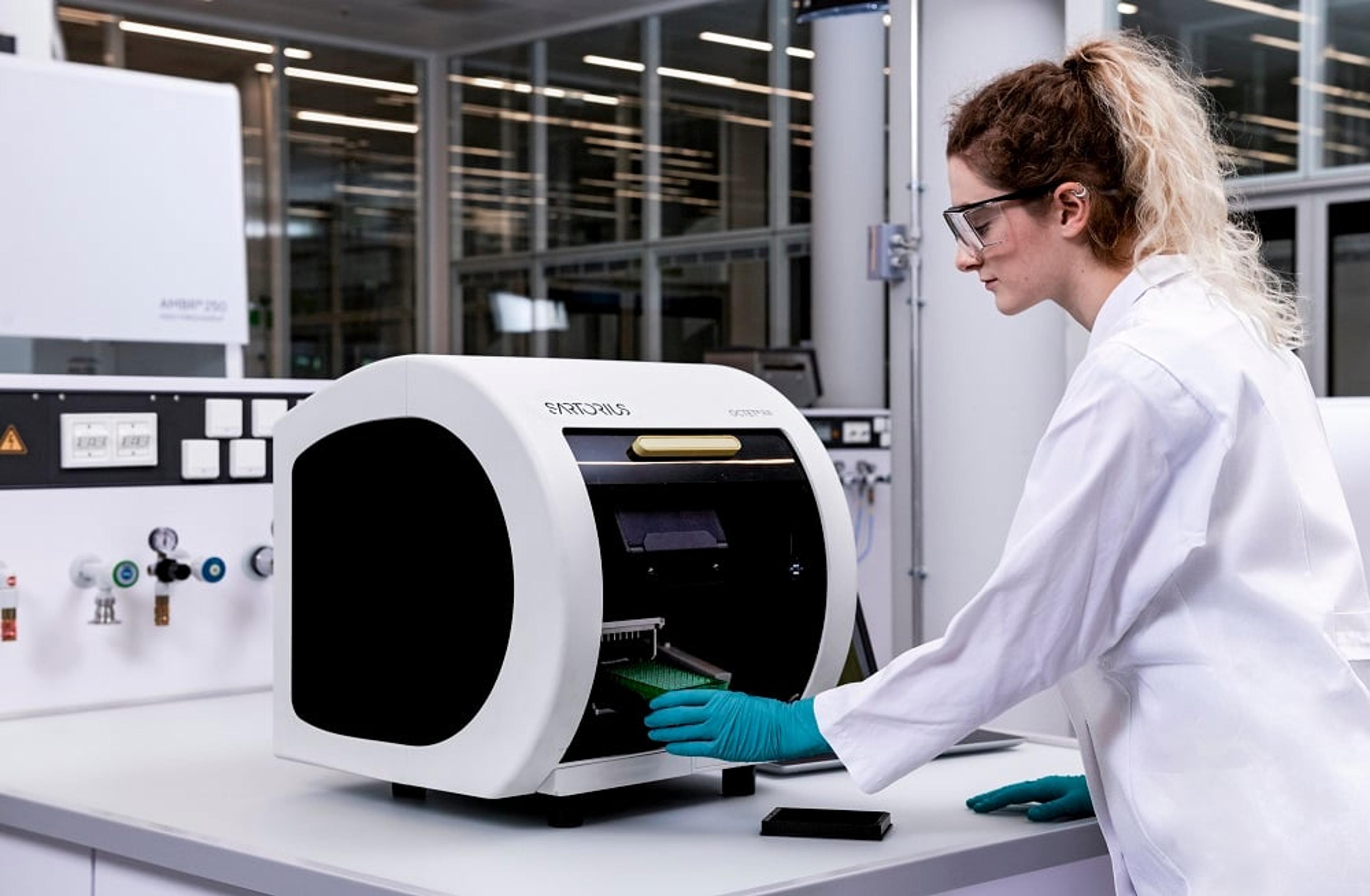
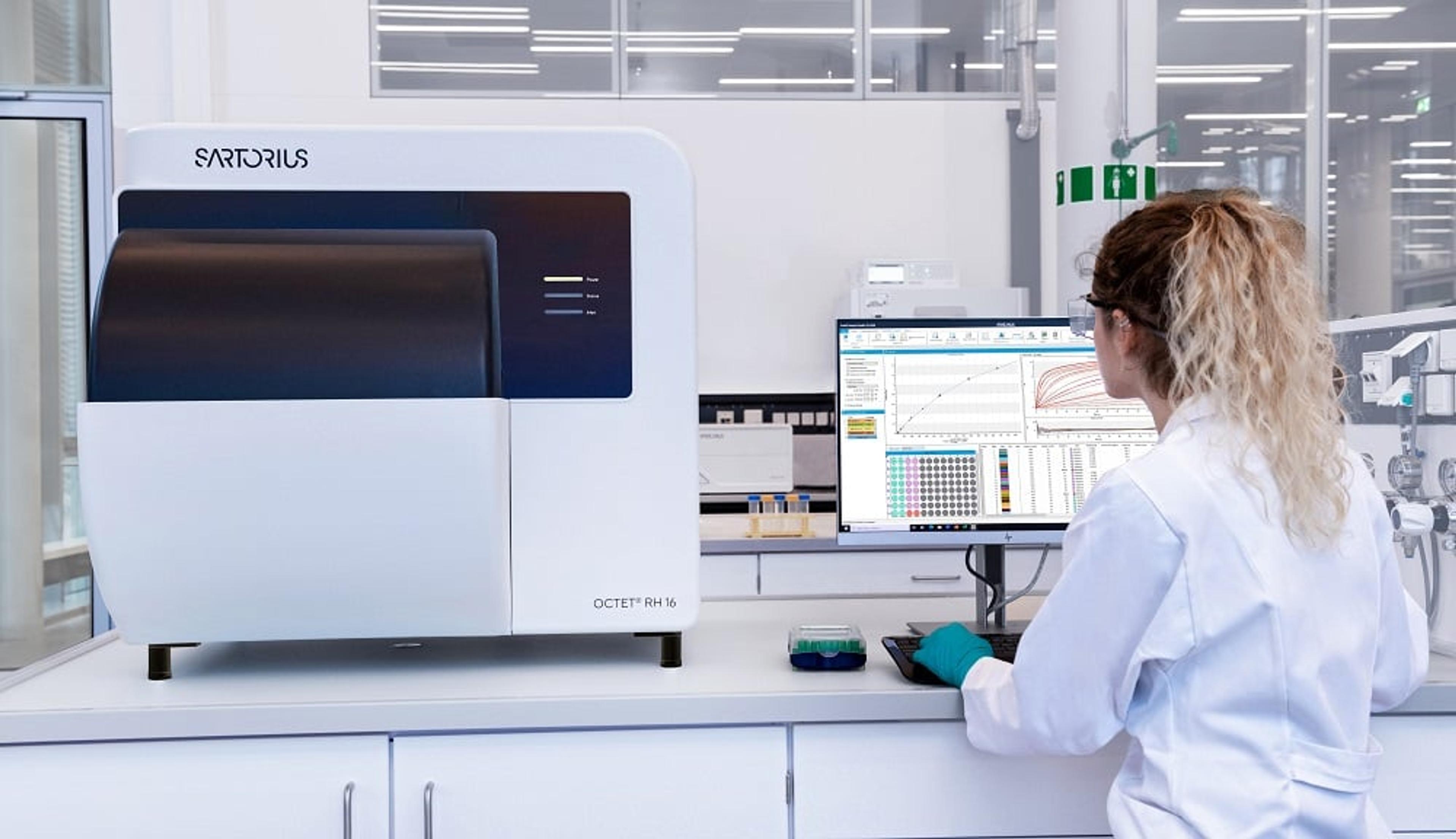
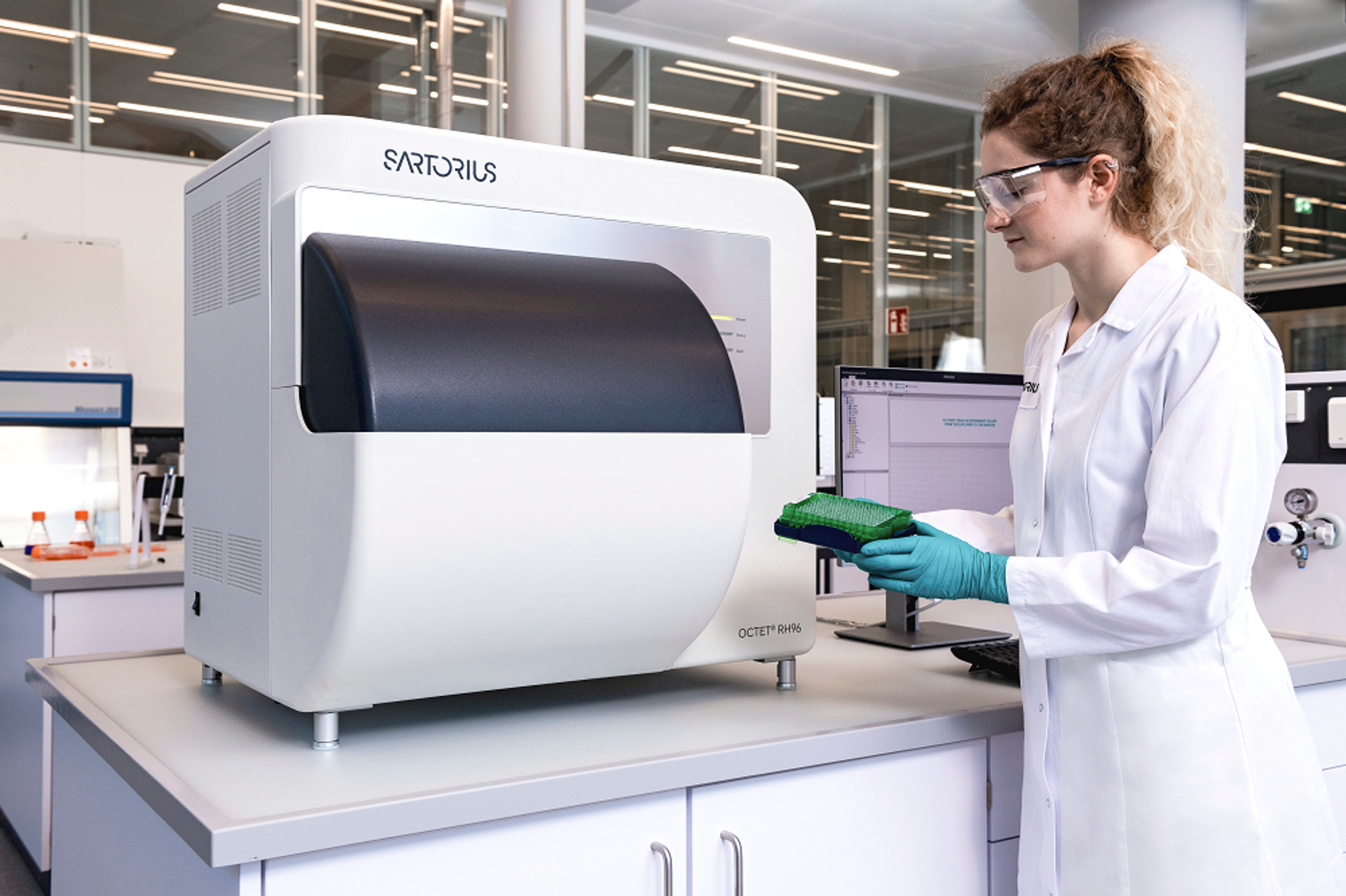
26 Oct 2020In this brochure, ForteBio showcases the Octect Platform for real-time, label-free analysis for determination of affinity, kinetics, and antibody/protein concentration. Assays are performed using biosensors, reagent and assay kits in 96- and 384-well microplates making it a significantly easier and faster technique than other comparative label-free technologies.
Links
Tags
AntibodiesAntibodies are used in techniques such as confocal and fluorescence microscopy, flow cytometry, ELISA, ELISPOT, immunohistochemistry, western blotting and immunopreciptation. Select specific antigen reactivity, high specific affinity, low non-specific binding, monoclonal or polyclonal, primary or secondary antibodies and associated conjugates such as an enzyme or dye for visualization.BiosensorsBiosensors are devices used to detect an analyte using biological molecules specific to the analyte coupled to a detector. Biosensor instruments may be photometric, typically using surface plasma resonance (SPR), electrochemical or QCM (quartz crystal microbalance) biosensors. Biosensors should be selective, portable, robust and sensitive and have a fast response time. Systems may be manual or automated and usually have associated software.ProteomicsProteomics is the systemic bioinformatics study of proteins and amino acids, including their structure, size, function and identification. Tools used in proteomics include chromatography, blotting and gels, protein arrays, mass spectrometry and ELISA and associated analysis software. Analyzers and proteomic systems should be sensitive, high resolution, fast and may be automated for high-throughput.Cell-Based AssaysCell-based assays are used to monitor the presence, quantity and activities of a desired cellular analyte including drug molecules or biomarkers. This can reveal information on cell health (apoptosis, cytotoxicity, viability and proliferation assays), cell metabolism, cell migration and cell signaling mechanisms. Find the best cell-based assay products, kits and equipment with our peer reviewed product directory: compare products, check customer reviews and receiving pricing direct from manufacturers.Protein QuantificationThe detection and quantification of proteins in a sample is vital across life sciences, pharmaceutical research and clinical diagnostics, and a variety of equipment is available to scientists to simplify the workflow. Proteins of interest can be easily labeled and detected on light-based detection instruments. Immunoassay kits allow you to identify a specific protein of interest and protein detection beads or antibody microarrays allow you to identify multiple specific proteins at once. Protein interactions and enzyme activity can also be monitored with protein-protein interaction assays. Additionally, the biophysical characterization of proteins is made easy with biokinetic analyzers. Find the best protein detection and quantification products in our peer-reviewed product directory: compare products, check customer reviews and receive pricing direct from manufacturers.Protein DetectionProtein detection techniques are essential for understanding protein expression, localization, and function. Methods such as western blotting, ELISA, and mass spectrometry are commonly used in research and diagnostics. Browse our peer-reviewed product directory to find the best tools for protein detection, compare products, check reviews, and get pricing directly from manufacturers.Protein SeparationProtein InteractionsProtein interactions are essential for understanding cellular processes, as proteins work together to carry out biological functions. Studying protein interactions can provide insights into disease mechanisms, drug development, and cell signaling pathways. Explore the best tools for protein interaction research in our peer-reviewed product directory; compare products, check reviews, and get pricing directly from manufacturers.Assay DevelopmentThe process of proving an assay to be sensitive with respect to the target is known as assay development. The assay should be able to characterize novel compounds and measure the potency of these compounds against a validated biological target.Label-Free AnalysisAntibodiesProtein BiologyThe analysis of protein expression, identity and function is vital for many areas of life science research and drug discovery. Some of the most commonly used techniques in protein analysis include Western blotting, electrophoresis and mass spectrometry.