
Quality control and quality assurance in the food industry
26 Jan 2023The production of foods and beverages for human and animal consumption is governed by a whole host of regulatory agencies across the globe and also by guidelines on Good Manufacturing Practice (GMP).
In this eBook, we consider the suite of chromatography solutions from Thermo Fisher Scientific coupled with their various MS technologies (and other add-ons) through case studies demonstrating their application in QC testing of a wide range of food and beverage products.
Understand how these analytical methods overcome problems arising in traditional approaches, such as sample matrix interference or the need for pre-processing (e.g. derivatization), thereby enabling the high-resolution separation of complex samples at greater speed followed by high-sensitivity detection.
Related products
Request Quote for All Products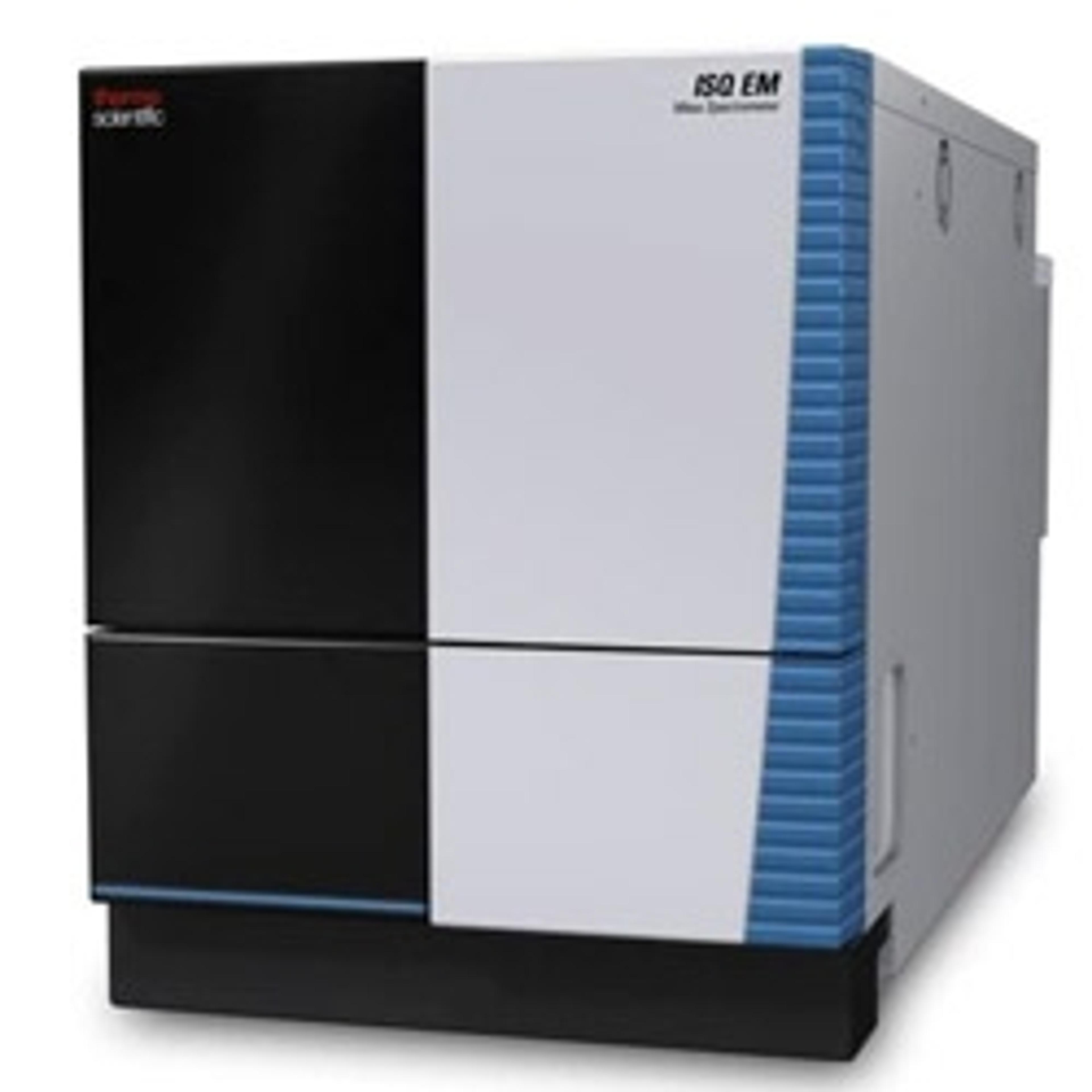
ISQ EM Single Quadrupole Mass Spectrometer
Thermo Fisher ScientificEasy and robust mass spectrometry

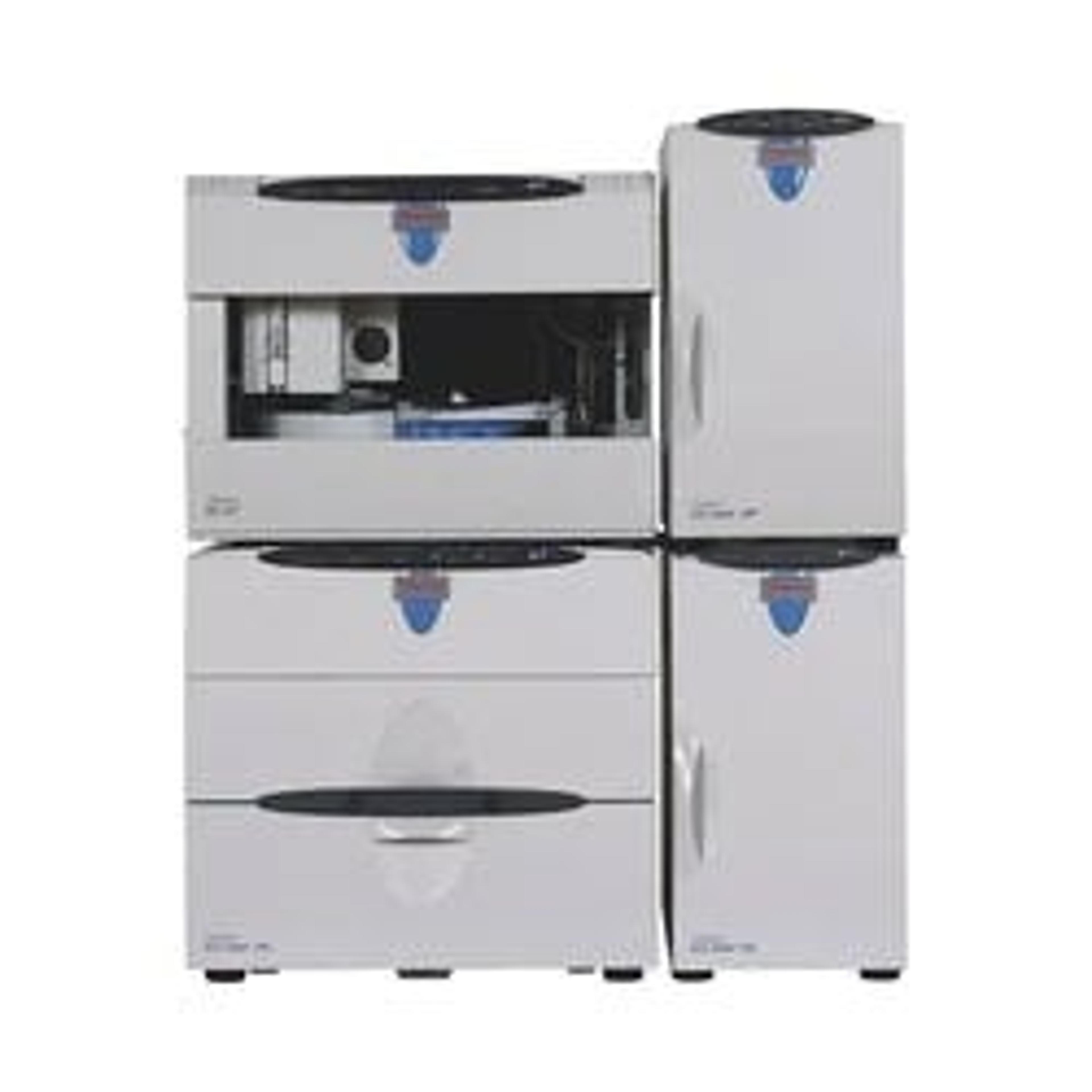
Dionex™ ICS-5000+ Capillary HPIC™ System
Thermo Fisher ScientificBuilt on our top-of-the-line IC platform, this system provides the high performance, convenience, and flexibility of the Thermo Scientific™ Dionex™ ICS-5000+ HPIC System optimized for capillary flow rates. Customize a dual capillary system to run two different analyses concurrently on a single sample, or analyze two samples in parallel. Alternately, run the same analysis on both channels to double throughput. For advanced IC x IC (2D IC) applications and sample pretreatment, combine a capillary channel with a 2- or 4-mm format channel to build a hybrid system. High Pressure, High Performance Fast, sensitive separations without sacrificing resolution—up to two times faster with Fast IC columns Outstanding resolution using columns with small-diameter particles, thanks to high-pressure capability Continuous operation at up to 5000 psi when configured as a Reagent-Free™ IC (RFIC™) system Optimized peak resolution with a choice of isocratic and electrolytic gradient separations on each channel Powerful and user-friendly operation via Thermo Scientific™ Dionex™ Chromeleon™ Chromatography Data System Wide variety of chemistries available in Thermo Scientific™ capillary and Fast IC columns Flexible, easy to configure, modular design Time-saving dual system option The Capillary Advantage Always ready with 24/7 uptime and minimal calibration and equilibration time Up to 18 months of continuous operation on one Eluent Generation cartridge Small dead volumes for minimized peak dispersion Reduced eluent disposal costs—only 15mL/day if eluent used for continuous operation at 10µL/min Enhanced ease-of-use with the Dionex IC Cube, capillary consumable cartridges and simple, color-coded connections Flexible support for capillary columns of 0.2–0.6mm I.D. Application Flexibility Choose from a broad variety of Dionex ICS-5000+ modules and related products. See the Dionex ICS-5000+ HPIC System Product Features for a full list. Sample Preparation and Automation Solutions Dionex autosamplers integrate seamlessly with all Dionex ICS-5000+ HPIC systems, providing effortless automation and advanced sample preparation capabilities.