
ResourceSpectroscopy
NIR spectroscopy for food and agriculture
9 Sept 2020As population growth and limited arable land have strained the capacity to produce enough food, experts have stepped up efforts to explore and refine technical solutions that improve food production, quality and safety. In this application note, Ocean Insight describes how one such technology, NIR spectroscopy, helps to deliver objective data the food and agriculture industries are using to maximize quality and efficiency.
Related products
Request Quote for All Products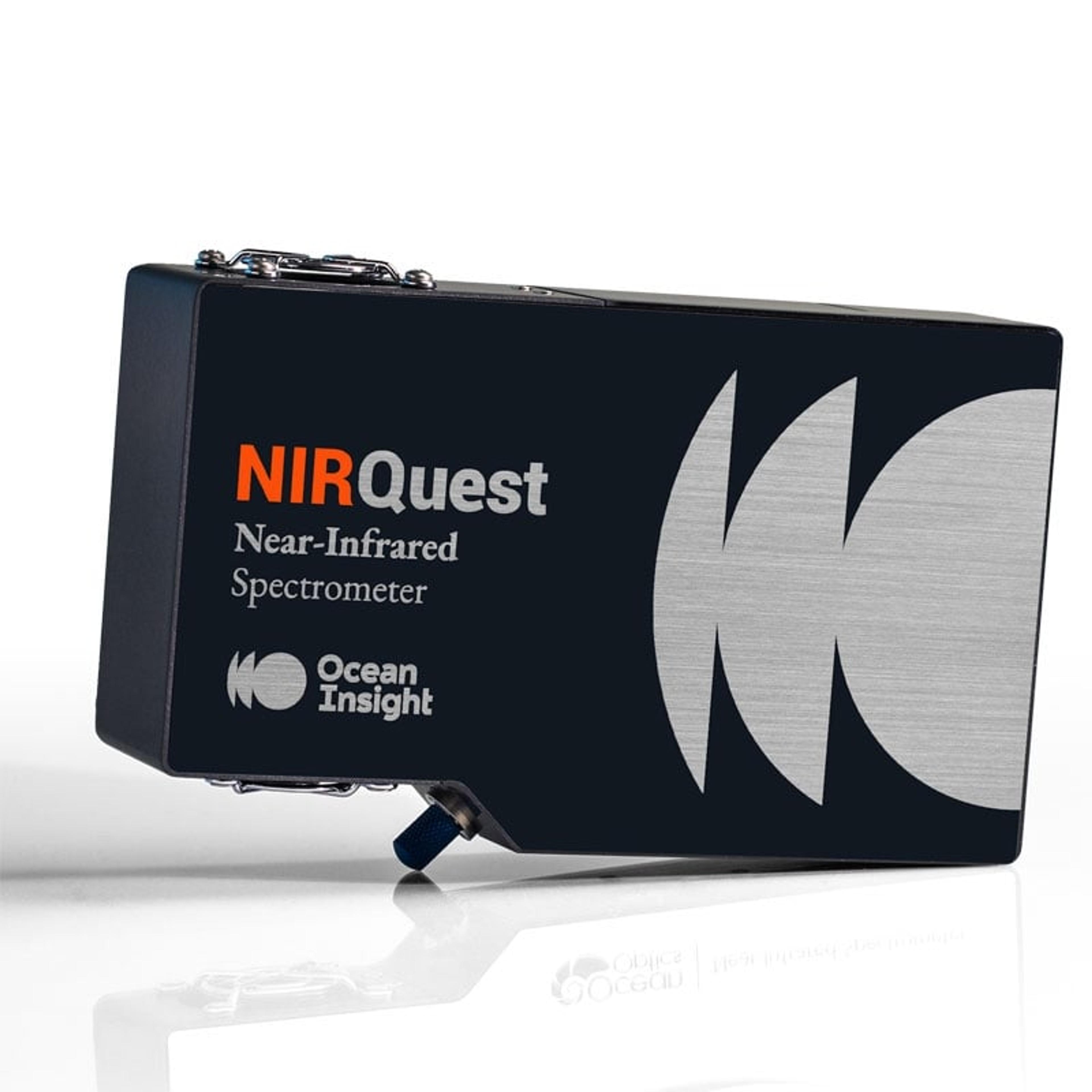
NIRQuest+ Spectrometer - Custom Configurations for Near-Infrared Measurements
Ocean OpticsThe NIRQuest is a versatile NIR spectrometer for applications ranging from moisture detection and chemical analysis to high-resolution laser and optical fiber characterization.
Links
Tags
Near Infrared SpectroscopyNear-infrared (NIR) spectroscopy measures the interaction of near-infrared light with a sample, including transmission, reflectance and absorbance, facilitating the identification of analytes. Measurements can be conducted using a Fourier-transform near infrared (FT-NIR) spectrometer, while there are also UV-Vis- NIR spectrophotometers that measure a broader spectrum of wavelengths. Find the best NIR spectroscopy products in our peer-reviewed product directory: compare products, check customer reviews and receive pricing direct from manufacturers.Food and Beverage AnalyzersFood and Beverage Analyzers are commonly used to provide information about the chemical composition, structure and physical properties of food materials.AgricultureAgriculture research focuses on improving food production, crop management, and sustainability. This includes plant breeding, pest control, and soil health studies. Explore agriculture research tools in our peer-reviewed product directory; compare products, check reviews, and get pricing directly from manufacturers.Food SafetyFood safety describes the prevention of food-borne illnesses. Contamination with a variety of pathogens can be prevented with adequate temperature control, hygiene and labeling. Food samples can be tested using GC/MS, HPLC, SPE, and qPCR to ensure their adherence to regulations.Food TestingFood testing refers to a variety experiments including PCR, mass spectrometry, processing, QuEChERS, analyzing and Kjeldahl.Food ContaminationFood contamination refers to the presence of harmful substances or pathogens in food, posing risks to human health. Contaminants can be biological, chemical, or physical, and their detection is crucial for ensuring food safety. Advanced testing methods like PCR, chromatography, and spectroscopy are used to identify contaminants in food products. Browse our peer-reviewed product directory to find the best solutions for food contamination detection, compare products, check reviews, and get pricing directly from manufacturers.NIRSSpectroscopySpectroscopy is a technique that analyzes the interaction of light with matter to study molecular properties, concentrations, and structural information. Widely used in chemical, pharmaceutical, and environmental analysis, spectroscopy offers insights into molecular composition and helps identify unknown compounds. It plays a key role in quality control, research, and diagnostics. Browse our peer-reviewed product directory to compare spectroscopy tools, read reviews, and get prices directly from manufacturers.Infrared