
ResourceDrug Discovery & Development
Lipid peroxidation assay in an ischemia-reperfusion cell model with NCLX inhibitors using the CLARIOstar Plus
3 Mar 2025Ferroptosis is an iron-dependent form of cell death driven by oxidative damage to membrane lipids, implicated in neurodegenerative diseases. Reactive oxygen species (ROS) generated during hypoxia-reoxygenation, via the mitochondrial NCLX sodium/calcium exchanger, promote lipid peroxidation and cell death. Here, the CLARIOstar Plus microplate reader was used to measure the inhibition of lipid peroxidation in a fluorescence–based lipid peroxidation assay while changing oxygen levels with the Atmospheric Control Unit (ACU).
Related products
Request Quote for All Products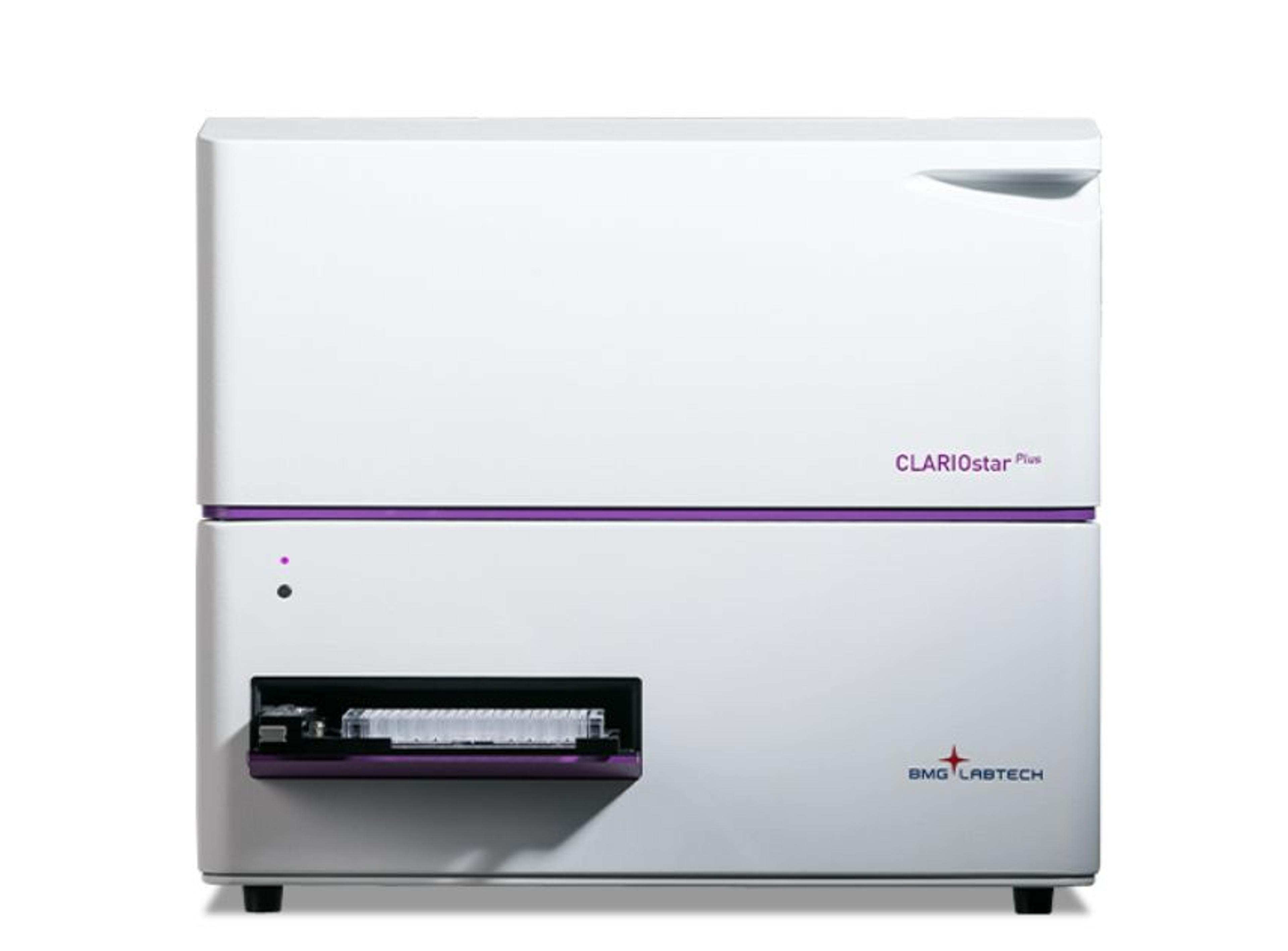
CLARIOstar® Plus Multi-mode Microplate Reader
BMG LABTECHMost flexible Multi-mode Microplate Reader for Assay Development
Links
Tags
Microplate Readers / DetectorsMicroplate readers are used to automate the detection and analysis of labeled or label-free components in microplates during assays or live-cell monitoring. Microplate readers are generally distinguished by their mode of detection. Types include absorbance, luminescence, fluorescence intensity, fluorescence polarization, TRF / FRET and multimode microplate readers. Microplate readers deliver a high throughput of samples by reading multiple wells simultaneously, with the 96-well format the most commonly used. As a result, microplate readers are often used in the drug discovery, bioassays, research and pharmaceutical industries for screening applications. Microplate loading can also be automated, with robotic microplate stackers to increase throughput. Find the best microplate readers in our peer-reviewed product directory: compare products, check customer reviews and receive pricing direct from manufacturers.FluorescenceThe emission of fluorescence occurs when a photon of energy is supplied to a fluorescent chemical compound by an external source, causing it to become excited. Fluorescence can be detected and measured for different purposes using microplate readers, fluorescence microscopes, fluorescence scanners, and flow cytometers.