
Handbook of ICP-QQQ applications using the Agilent 8800 and 8900
8 Sept 2021This handbook details the array of applications that can be undertaken using the Agilent 8800 and 8900 instruments. The Agilent 8800 ICP-QQQ signaled a major advance in ICP-MS technology and redefined performance for trace element analysis. Compared to existing quadrupole ICP-MS instruments, the 8800 ICP-QQQ promised significant analytical benefits across many applications. Building on the success of the 8800, the 8900 ICP-QQQ provides performance and productivity improvements to address an even wider range of applications.
Related products
Request Quote for All Products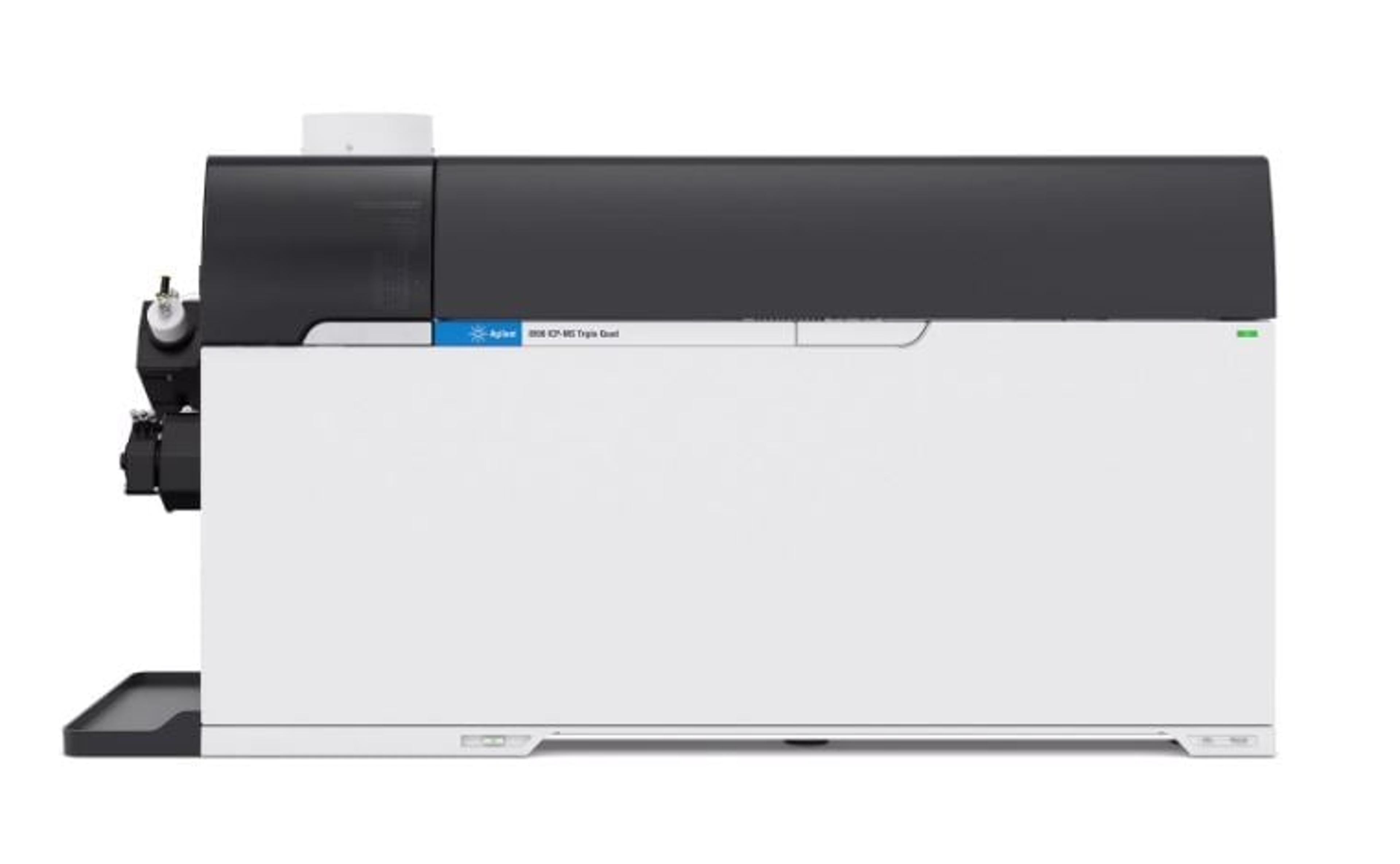
8900 Triple Quadrupole ICP-MS
Agilent TechnologiesThe Agilent 8900 triple quadrupole ICP-MS (ICP-QQQ) is the world’s most successful and widely used tandem ICP mass spectrometer. Available in a range of configurations to cover applications from routine contract analysis to advanced research and high-purity materials analysis, the Agilent 8900 ICP-QQQ redefines ICP-MS performance, delivering results you can trust.

Agilent 7850 ICP-MS
Agilent TechnologiesFree your ICP-MS analysis from common time traps with the Agilent 7850 ICP-MS. It’s the smart way to reduce wasted time so busy staff can focus on tasks that deliver value.? The 7850 ICP-MS instrument can handle samples with up to 25% solids, reducing the dilution time trap. The instrument features a helium mode collision cell and half mass correction that remove both polyatomic and doubly charged ion interferences, making method development simpler and addressing a common cause of time-w

Agilent 5800 ICP-OES Instrument
Agilent TechnologiesThe Agilent 5800 ICP-OES is an ICP-OES Instrument designed for busy labs looking to reclaim wasted time. This smart ICP, with its ecosystem of embedded sensors, algorithms and diagnostics can identify problems before they happen, maximizing uptime and minimizing the number of samples you need to remeasure.