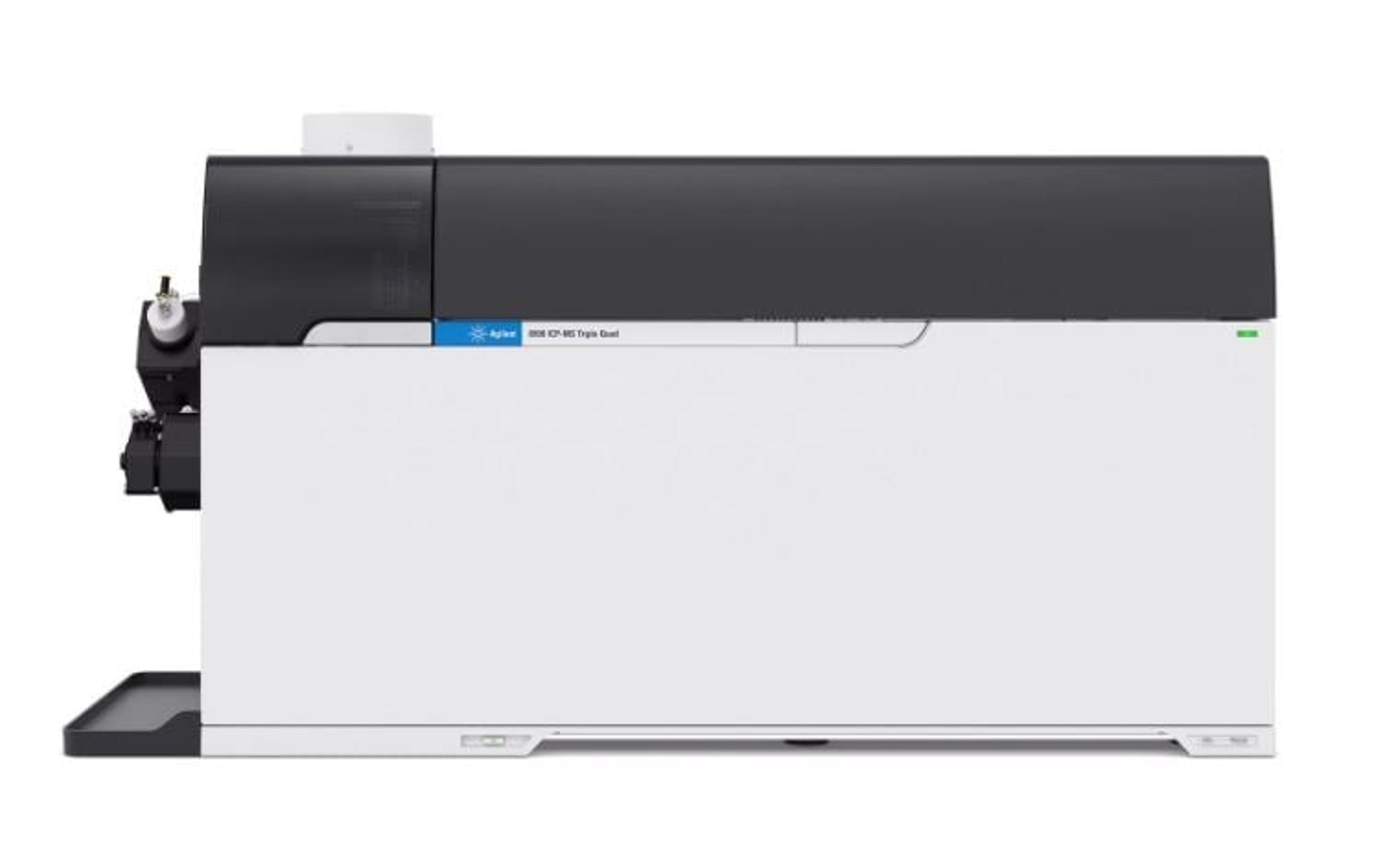
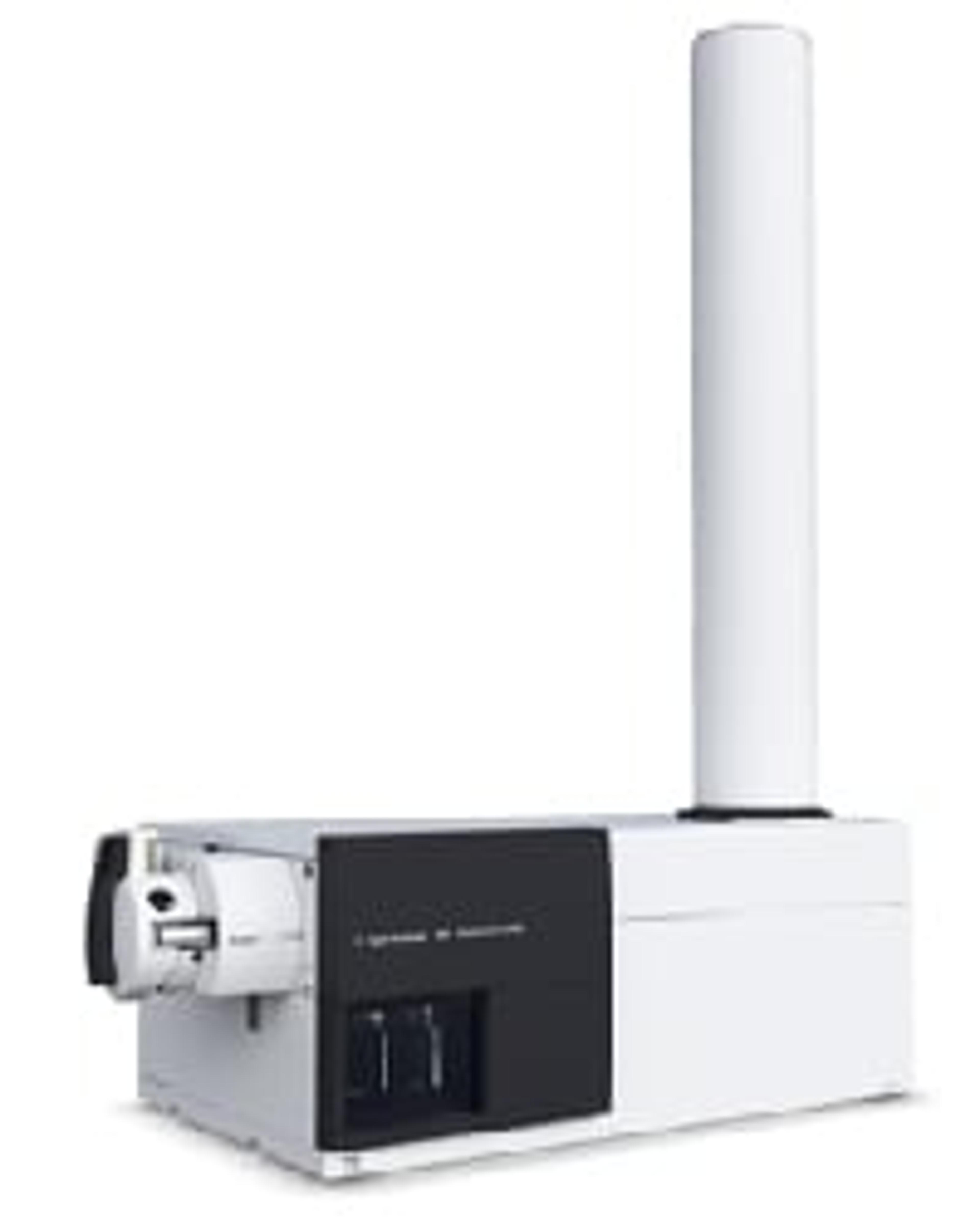
8900 Triple Quadrupole ICP-MS
The Agilent 8900 triple quadrupole ICP-MS (ICP-QQQ) is the world’s most successful and widely used tandem ICP mass spectrometer. Available in a range of configurations to cover applications from routine contract analysis to advanced research and high-purity materials analysis, the Agilent 8900 ICP-QQQ redefines ICP-MS performance, delivering results you can trust.




Receive your quote directly from the manufacturer.
Can't imagine sample analysis without it
Analysis of heavy metals
Easy to use mass hunter software and interface. Makes analysis easy for heavy metals into samples.
Review Date: 9 Jun 2023 | Agilent Technologies
The Agilent 8900 triple quadrupole ICP-MS (ICP-QQQ) is the world’s most successful and widely used tandem ICP mass spectrometer. Available in a range of configurations to cover applications from routine contract analysis to advanced research and high-purity materials analysis, the Agilent 8900 ICP-QQQ redefines ICP-MS performance, delivering results you can trust.
The 8900 offers the same matrix tolerance and robustness as Agilent’s market-leading single quadrupole ICP-MS systems, combined with the industry’s most effective helium (He) collision mode. But the 8900 adds tandem mass spec operation (ICP-MS/MS) for unmatched control of reaction chemistry in the collision reaction cell (CRC), making it the world’s most powerful and flexible multi-element analyzer. Let the 8900 ICP-QQQ take control of your interferences and put your results beyond doubt.
Features:
- MS/MS controls the reaction chemistry ensuring consistent, reliable results, even for previously difficult elements like Si, P, and S
- Reaction chemistry resolves isobaric overlaps, which are beyond the capability of high-resolution ICP-MS
- Four-channel cell gas control provides fast, flexible, multi-mode operation
- A suite of pre-set methods simplifies method setup for routine analysis
- Helium mode provides simple, effective control of common polyatomic interferences
- Robust (low CeO/Ce) plasma for unmatched matrix tolerance
- Ultra High Matrix Introduction (UHMI) technology tolerates samples with up to 25% total dissolved solids (TDS)
- High sensitivity and low background provide the lowest detection limits for ultratrace analytes
- Versatility and high performance combine to support advanced research and demanding applications
- Flexible modes of operation (precursor/product ion scan) support research into reaction chemistry modes