
Fast Separation of Triacylglycerols in Oils using UltraPerformance Convergence Chromatography (UPC2)
Fast Separation of Triacylglycerols in Oils using UltraPerformance Convergence Chromatography (UPC2)
15 Oct 2015UltraPerformance Convergence Chromatography™ (UPC2®) is a novel technology that applies the performance advantages of UPLC to supercritical fluid chromatography (SFC). Combining the use of supercritical CO2 with sub-2-μm particle columns, UPC2 represents an analysis technique that is orthogonal to reversed-phase LC and can be used to solve many troublesome separations that challenge conventional LC or GC analyses. It also generates less solvent waste as compared to liquid chromatography. This application note presents studies using UPC2 coupled with ultraviolet (UV) detection, mass spectrometry (MS), and evaporative light scattering (ELS) detection for the separation of triacylglycerols in tobacco, corn, sesame, and soybean seed oils.
Related products
Request Quote for All Products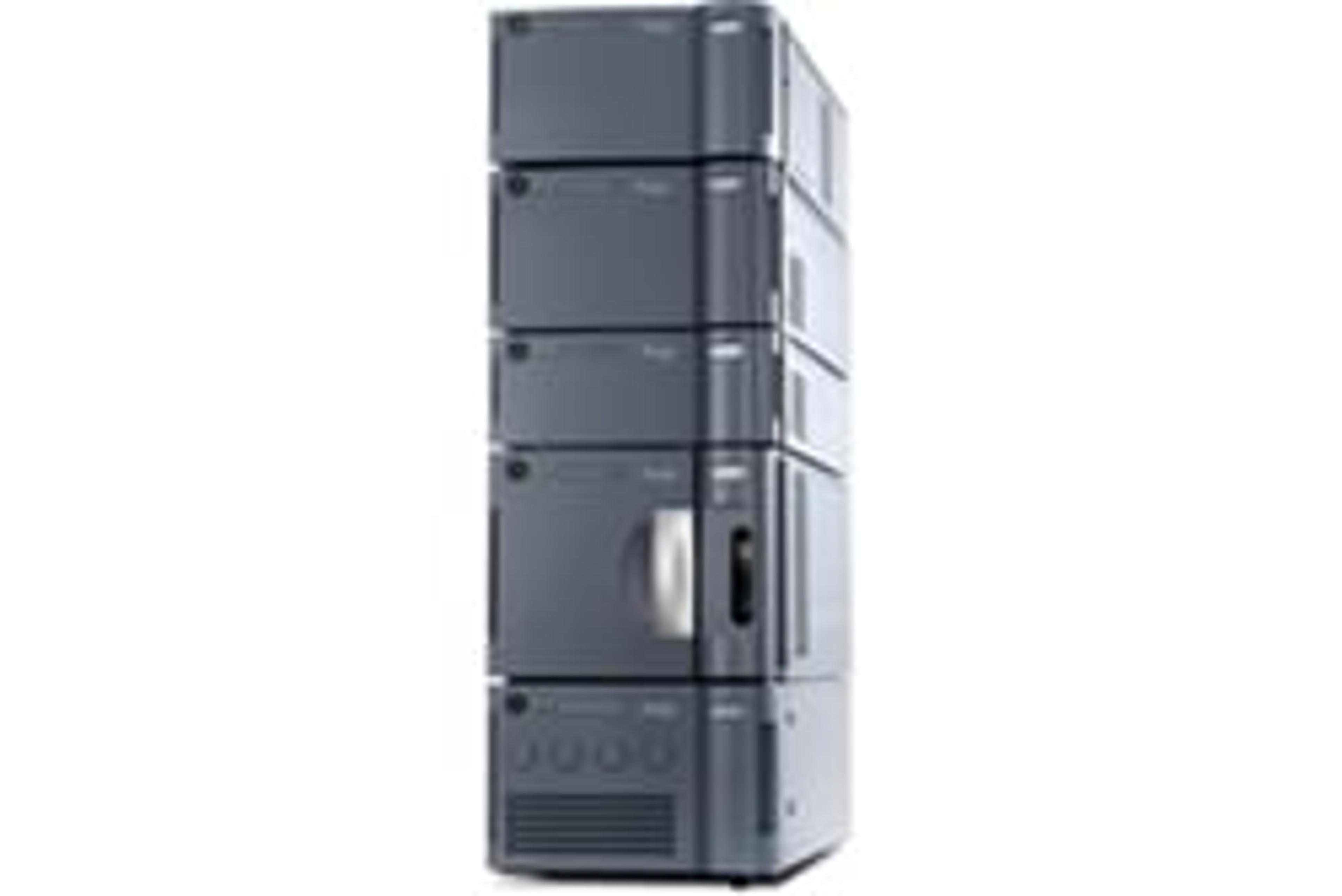
ACQUITY UPC² System
WatersConvergence Chromatography with the ACQUITY UPC² System Bring streamlined workflow, expanded selectivity, and an orthogonal technique to your laboratory. Convergence chromatography (CC) is a broad-based, complementary analytical platform that is taking its place alongside of LC and GC as one of the three essential separation technologies for modern laboratory analysis. This technique provides another, reliable choice as an analytical platform that is orthogonal to reversed-phase LC (RPLC), while significantly streamlining the entire analytical workflow. In convergence chromatography, the separation is achieved by manipulating the density and composition of a supercritical fluid-based mobile phase. Because of the very high diffusivity of the mobile phase, can be achieved. Additionally, the diversity of stationary phase and mobile phase (co-solvent) options provides access to the largest selectivity space available to any separation technique. The ACQUITY UPC² System is a holistically designed UltraPerformance Convergence Chromatography (UPC²) system that utilizes liquid CO2 as the primary mobile phase. The system leverages the chromatographic principles and selectivity of normal-phase chromatography while providing the ease-of-use of RPLC, enabling you to address routine and complex separations challenges. ACQUITY UPC² System: Discover what's been missing from your analytical toolbox With the ACQUITY UPC² System, scientists can now separate, analyze, and understand compounds that have challenged all other LC and GC technologies including: Hydrophobic and chiral compounds Lipids Thermally-labile samples Polymers It's also the perfect complement to MS due to its low solvent load and high resolution, narrow peaks and fast separations. ACQUITY UPC² System Features: Compressed carbon dioxide (CO2), the primary mobile phase, is less costly and less toxic than liquid mobile phases or carrier gases. Variable volume injection delivers 0.5 µL to 10 µL as well as the ability to match column and injection volume with minimal sample loss and need to change loops. Higher throughput and productivity allows you to analyze more samples per day with faster re-equilibration of columns and shorter cycle times, increasing laboratory productivity. Co-solvent and column switching provides flexibility in method development for faster solvent screening and faster column screening.
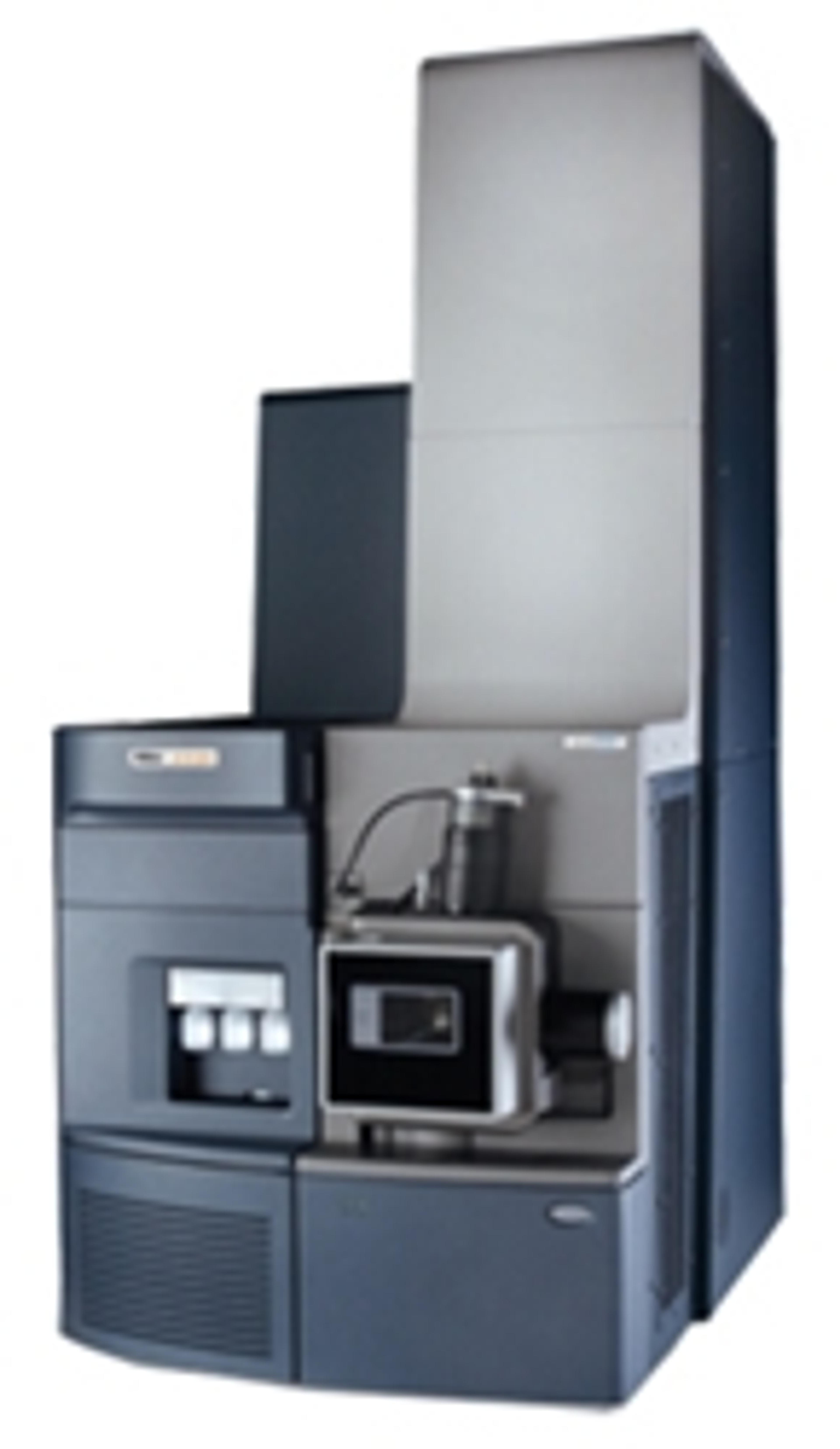
Xevo G2-XS QTof
WatersXevo G2-XS QTof - eXtreme Sensitivity, eXtraordinary Selectivity, eXceptional Solutions. For the scientist who needs to identify, quantify and confirm the broadest range of compounds in the most complex and challenging samples the Xevo G2-XS QTof provides maximum robustness with no compromise in performance, class-leading real-world quantitative sensitivity, the highest quality, most comprehensive qualitative information, flexibility to adapt to changing needs and is accessible to experts and non-experts alike.
ACQUITY UPLC ELS Detector
WatersThe ACQUITY UPLC® Evaporative Light Scattering (ELS) Detector is designed specifically for optimal UPLC®/ELS performance in a small footprint. When your analytes have poor to no UV/Vis response, or don’t ionize well by mass spectrometry, the ACQUITY UPLC ELS Detector with the ACQUITY UPLC System lets you analyze more molecules (including sugars, triglycerides, phospholipids, antibiotics, and natural products) in a single analytical run. Engineered for high volume or open access environments – anywhere large numbers of compounds are screened rapidly – the detector offers a convenient stackable design, easy maintenance, and long lamp lifetimes. Features of the ACQUITY UPLC ELS Detector: • Works with other detection techniques for a more comprehensive UPLC(/MS) analysis, for confidence that you’ve detected all of the components in your sample • Provides reproducible, reliable results with precise control over nebulization and desolvation processes for the measurement of temperature-sensitive molecules • Ensures the benefits of UPLC performance across the entire flow rate range with high data capture rates • One nebulizer for the entire flow rate range provides simplified set-up and the benefit of maximized performance. • Pre-aligned snap-in lamp is easy to change and provides maximum up-time. • Data rates up to 80 Hz provide improved peak definition and confidence in quantitative results. • Low gas pressure detection sends a signal to “stop flow” on your LC pump.