
eCiphrNeuro: A High Throughput Assay to Detect Neurotoxic Compounds in Early Drug Discovery
10 Mar 2014Development of a high-throughput in vitro assay to screen compounds for seizurogenic potential would derisk compounds earlier at lower cost and greater reliability. This poster demonstrates the use of a 48-well microelectrode array (MEA) to screen for seizurogenic compounds using rat cortical neurons.
Related products
Request Quote for All Products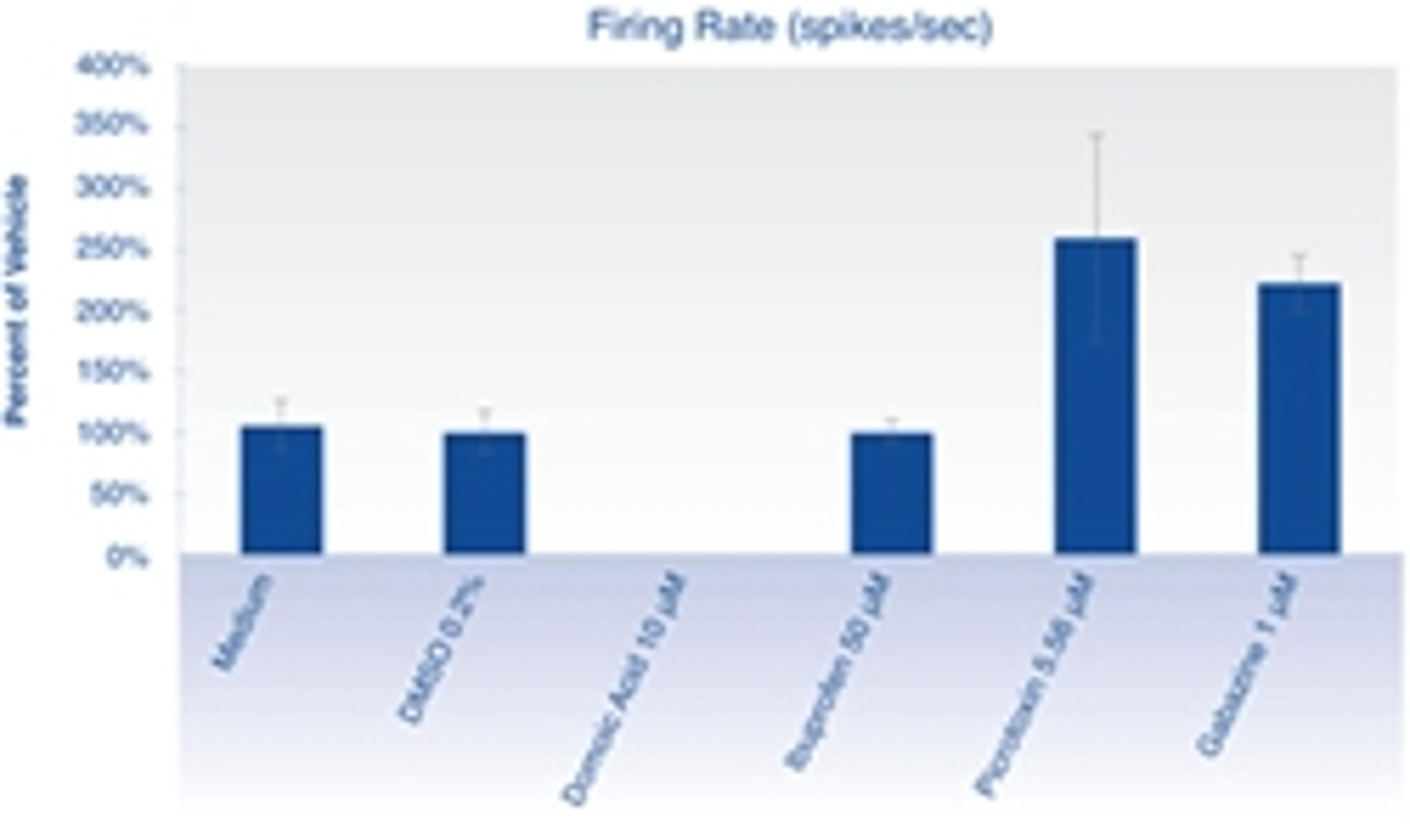
eCiphrNeuro
Cyprotex Discovery LtdAssessment of Neuronal Activity Using Microelectrode Array. The eCiphrNeuro assay uses primary cultures of rat cortical neurons. Cyprotex’s neuronal assay uses high throughput microelectrode array (MEA) technology to monitor electrophysiological activity. Neurons grown on microelectrode arrays recapitulate many features of neurons in vivo, including spontaneous activity (spiking and bursting), plasticity, organisation and responsiveness to a wide range of neurotransmitters and pharmacological agonists/antagonists. This technology provides a unique in vitro system for preclinical drug discovery, neurotoxicity assessment and disease modelling.