
Development of a platform SEC-MALS method for therapeutic monoclonal antibodies
6 May 2025In biotherapeutics manufacturing, controlling the size distribution of therapeutic monoclonal antibodies (mAbs) is critical to ensuring product quality. Size-exclusion chromatography coupled to multi-angle light scattering (SEC-MALS) is a leading method for analyzing size variants by separating high and low molecular weight species from the monomer based on their hydrodynamic volume.
Learn how the analytical team at Tanvex BioPharma, Inc. found SEC-MALS to be an advantageous method which is cost-effective and efficient for analyzing size variants across a broad range of mAbs.
Related products
Request Quote for All Products
microDAWN™
WatersThe microDAWN™ determines absolute molecular weight and size of proteins, polymers and other macromolecules in conjunction with UHPLC.
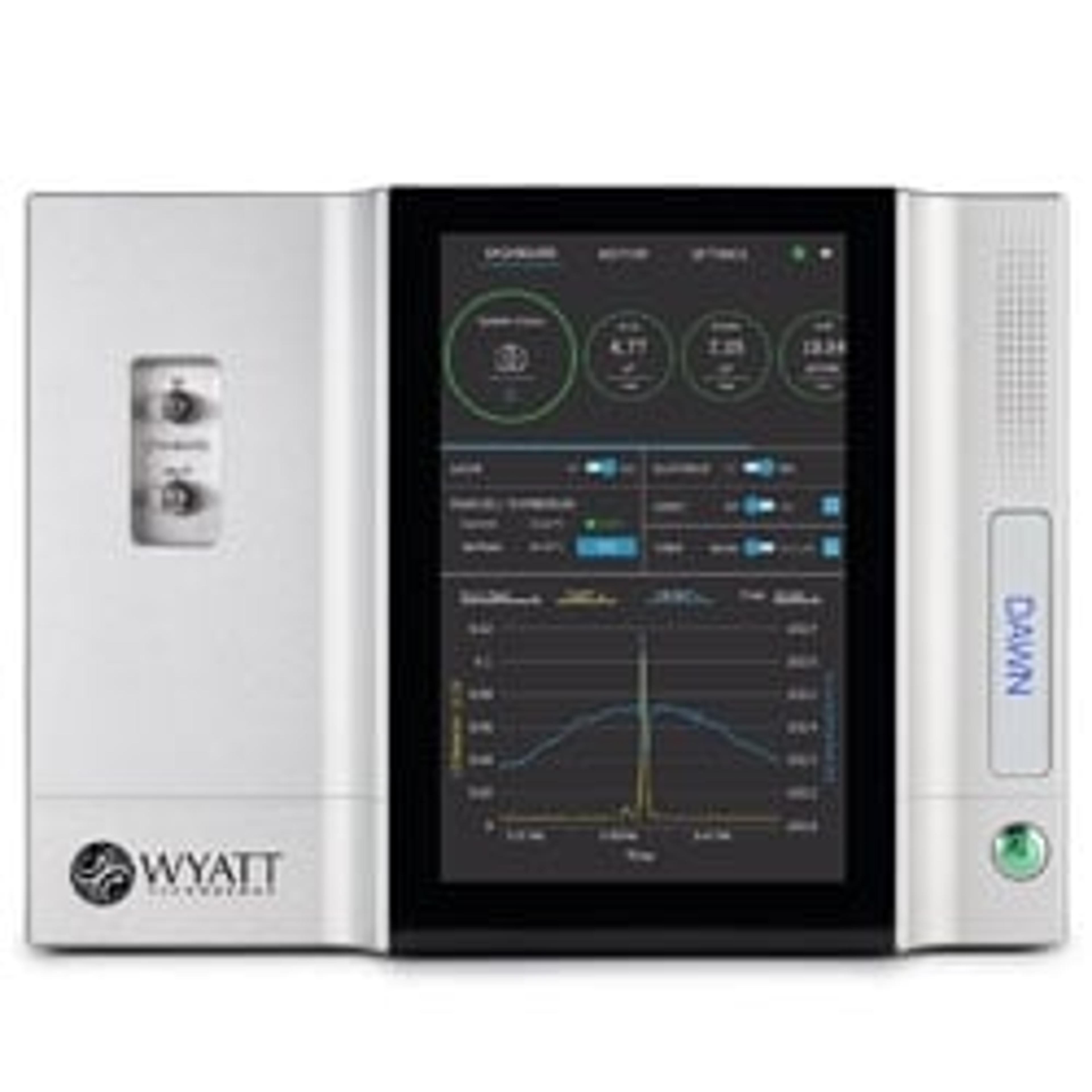
DAWN™
WatersThe DAWN is the premier Multi-Angle static Light Scattering (MALS) detector for absolute characterization of the molar mass and size of macromolecules and nanoparticles in solution, offering the highest sensitivity and widest range of molecular weight, size, concentration and optional features.