Determining Protein Content in Feed with the Kjeldahl Method

3 Aug 2014

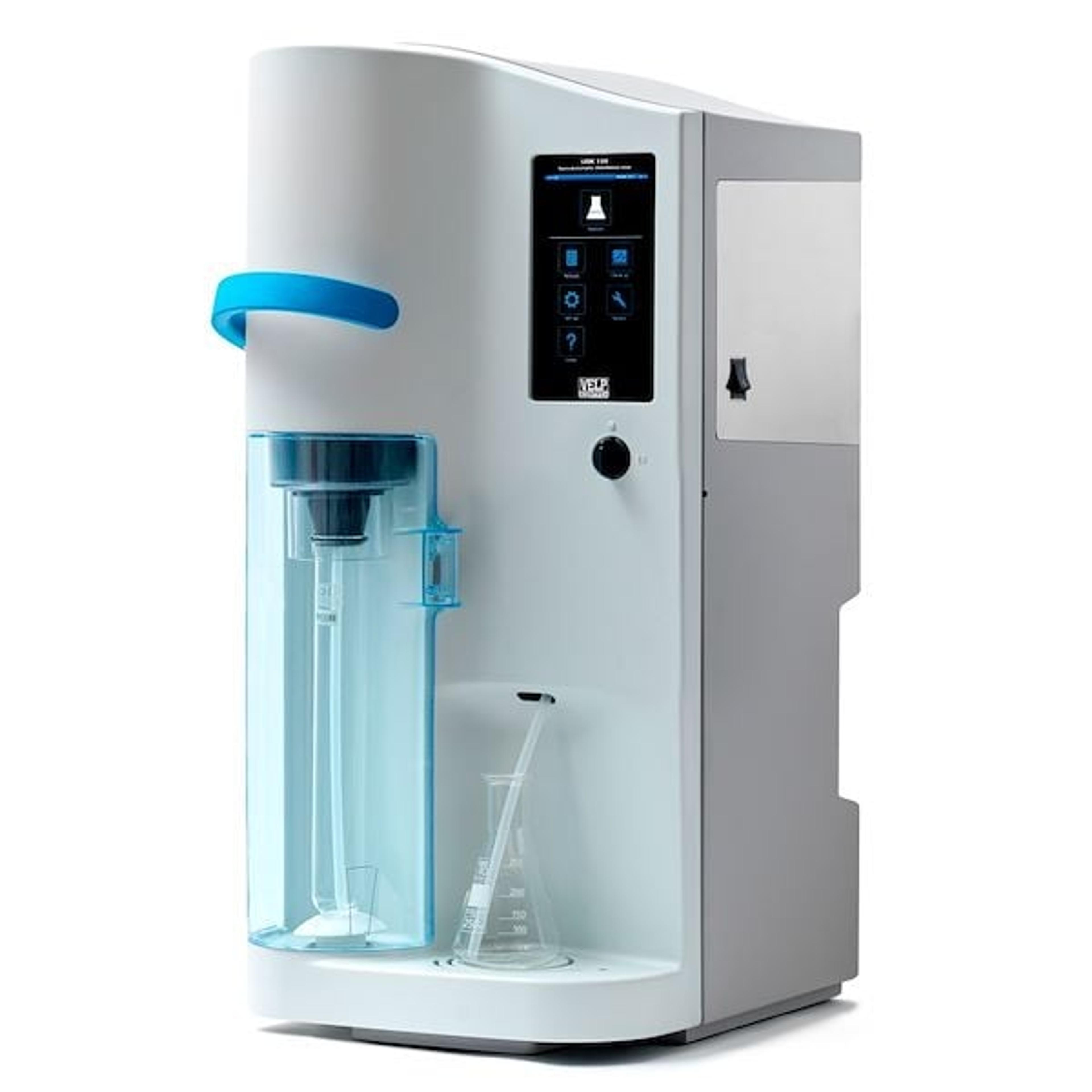
Adequate protein content in feed products is important for animal health and productivity, as well as for ranch profitability. This application note describes a Kjeldahl method for determining nitrogen and protein contents in foods and feeds using the VELP Scientifica DKL 20 Automatic Kjeldahl Digestion Unit and UDK 159 Automatic Kjeldahl Distillation & Titration System.

UDK Series - Kjeldahl Distillation Units

Velp Scientifica

The UDK Series Distillers are designed to meet the most challenging demands and requirements for diverse applications, according to international standards: Kjeldahl nitrogen TKN, proteins, ammoniacal nitrogen, nitric nitrogen (Devarda), phenols, TVBN and volatile acids, cyanides, and alcohol content. 

(13)

DKL Series and DK Series - Kjeldahl Digesters

Velp Scientifica

DK Series digesters are traditional digesters, consisting of an aluminum heating block to offer high thermal homogeneity. The DKL Series of digesters offers a premium level of automation: lowering and lifting of the samples take place automatically, as well as the separation between the test tubes and the suction cup. VELP digesters work in accordance with a variety of Standards (such as AOAC, ISO, EPA, DIN etc.)

(1)

Links

Tags

KjeldahlKjeldahl is an analytical chemistry technique for the quantitation of nitrogen in chemical substances. Applications of Kjeldahl include analyzing the protein content of food, nitrogen analysis in environmental sciences and the pharmaceutical industry and total kjeldahl nitrogen, nitrate and ammonia analyses in agricultural sciences.Food and Beverage AnalyzersFood and Beverage Analyzers are commonly used to provide information about the chemical composition, structure and physical properties of food materials.Protein QuantificationThe detection and quantification of proteins in a sample is vital across life sciences, pharmaceutical research and clinical diagnostics, and a variety of equipment is available to scientists to simplify the workflow. Proteins of interest can be easily labeled and detected on light-based detection instruments. Immunoassay kits allow you to identify a specific protein of interest and protein detection beads or antibody microarrays allow you to identify multiple specific proteins at once. Protein interactions and enzyme activity can also be monitored with protein-protein interaction assays. Additionally, the biophysical characterization of proteins is made easy with biokinetic analyzers. Find the best protein detection and quantification products in our peer-reviewed product directory: compare products, check customer reviews and receive pricing direct from manufacturers.Protein BiologyThe analysis of protein expression, identity and function is vital for many areas of life science research and drug discovery. Some of the most commonly used techniques in protein analysis include Western blotting, electrophoresis and mass spectrometry.Food TestingFood testing refers to a variety experiments including PCR, mass spectrometry, processing, QuEChERS, analyzing and Kjeldahl.
Determining Protein Content in Feed with the Kjeldahl Method