
ResourceFood and Beverage
Detection of anionic polar pesticides in food samples using the Xevo TQ Absolute with sub µg/kg limits of quantification
17 Jul 2022In this application note, Waters demonstrates the performance of the Xevo TQ Absolute. This provides enhanced sensitivity for the analysis of anionic polar pesticides, achieving significantly lower method detection limits than previously demonstrated.
Related products
Request Quote for All Products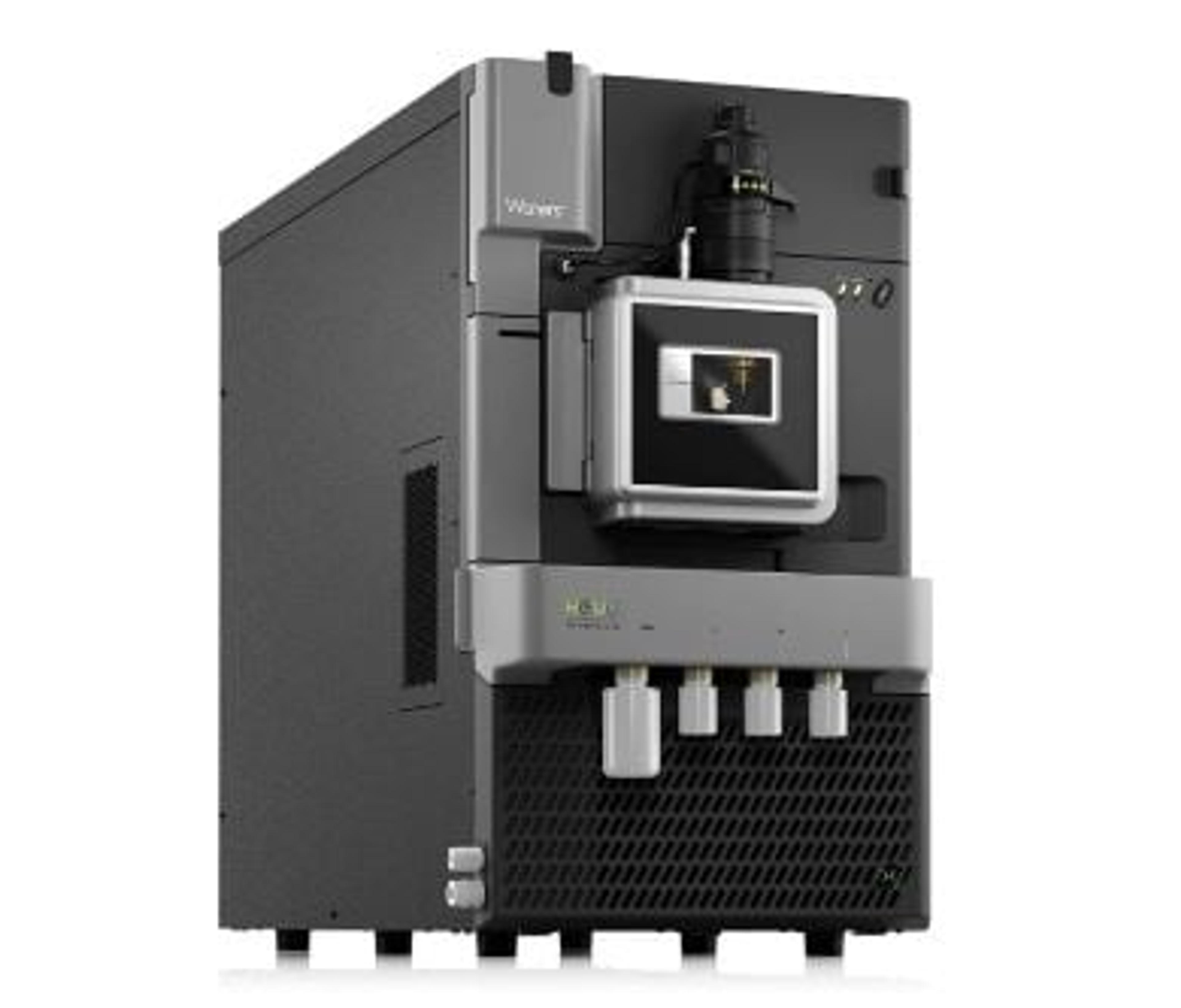
Links
Tags
Food and Beverage AnalyzersFood and Beverage Analyzers are commonly used to provide information about the chemical composition, structure and physical properties of food materials.PolarimetryPolarimetry is the measurement and interpretation of the polarization of transverse waves such as radio or light. Typically polarimetry is performed on waves that have traveled through or have been reflected, refracted, or diffracted by a material in order to characterize that object. Polarimetry can be used to measure various optical properties of a material, including linear and circular birefringence, and linear and circular dichroism.Particle CharacterizationParticle characterization instruments are used to determine particle size distribution, shape, surface area, zeta potential, density and porosity of particles and materials. Multiple tecchniques are available for determining particle size, shape and count including dynamic light scattering (DLS), laser diffraction, electrozone (Coulter technique), imaging particle analysis and single particle optical sensing. Determine the density of your material with a gas pycnometer or examine its surface area and porosity with gas adsorption analyzers and mercury porosimeters. Find the best particle characterization instruments in our peer-reviewed product directory: compare products, check customer reviews and receive pricing direct from manufacturers.PesticidesPesticides are used to protect crops from diseases, pests and unwanted plants. They are classed as persistent organic pollutants (POPs) and can be harmful to humans. The Environmental Protection Agency (EPA) currently regulates the use of pesticides in the USA. Food TestingFood testing refers to a variety experiments including PCR, mass spectrometry, processing, QuEChERS, analyzing and Kjeldahl.Food ContaminationFood contamination refers to the presence of harmful substances or pathogens in food, posing risks to human health. Contaminants can be biological, chemical, or physical, and their detection is crucial for ensuring food safety. Advanced testing methods like PCR, chromatography, and spectroscopy are used to identify contaminants in food products. Browse our peer-reviewed product directory to find the best solutions for food contamination detection, compare products, check reviews, and get pricing directly from manufacturers.