ResourceMaterials

Detecting Trace Target Compounds in Emission Profiles from Household Materials using Targetview GC–MS Software

10 Aug 2014

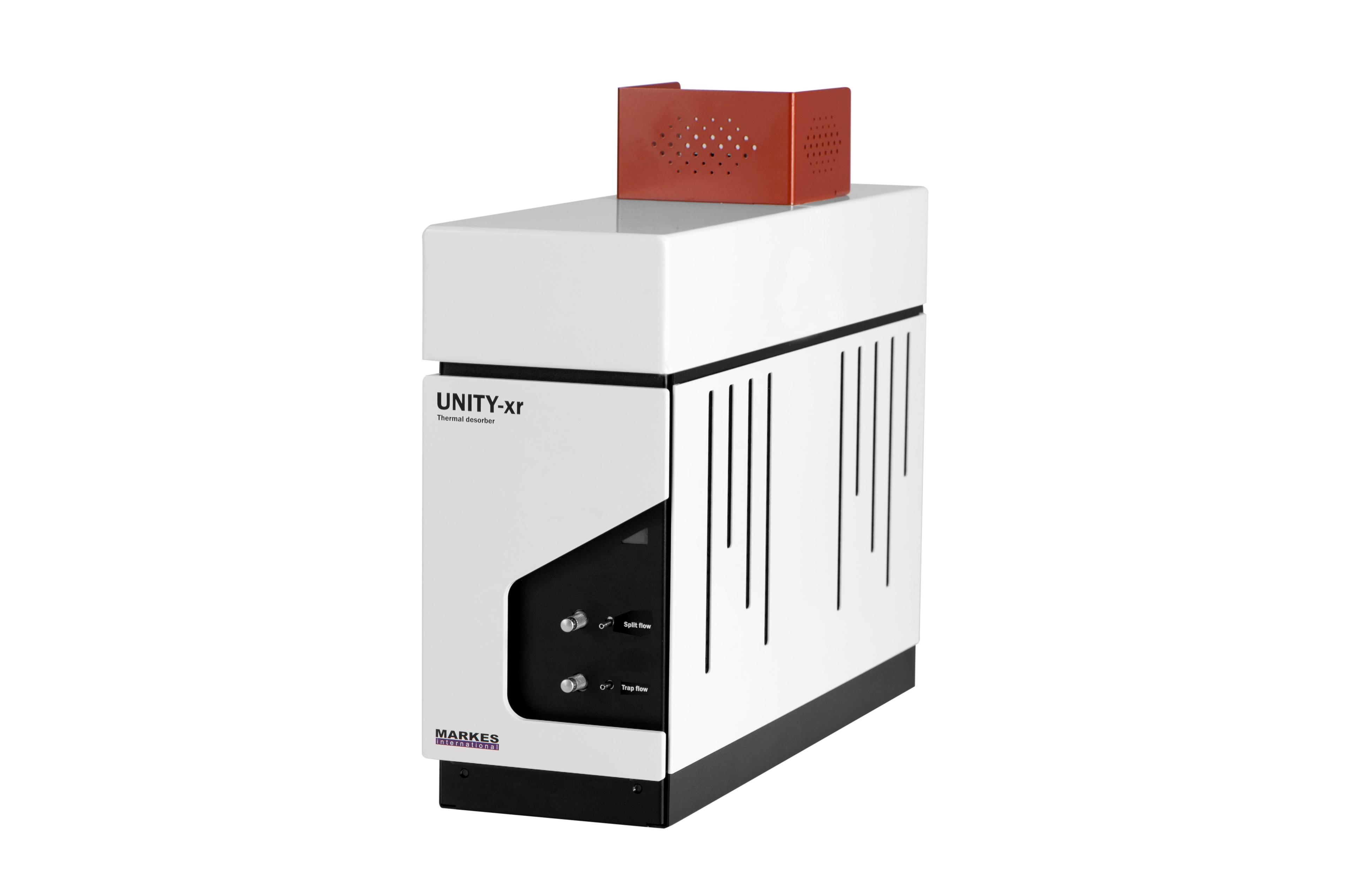
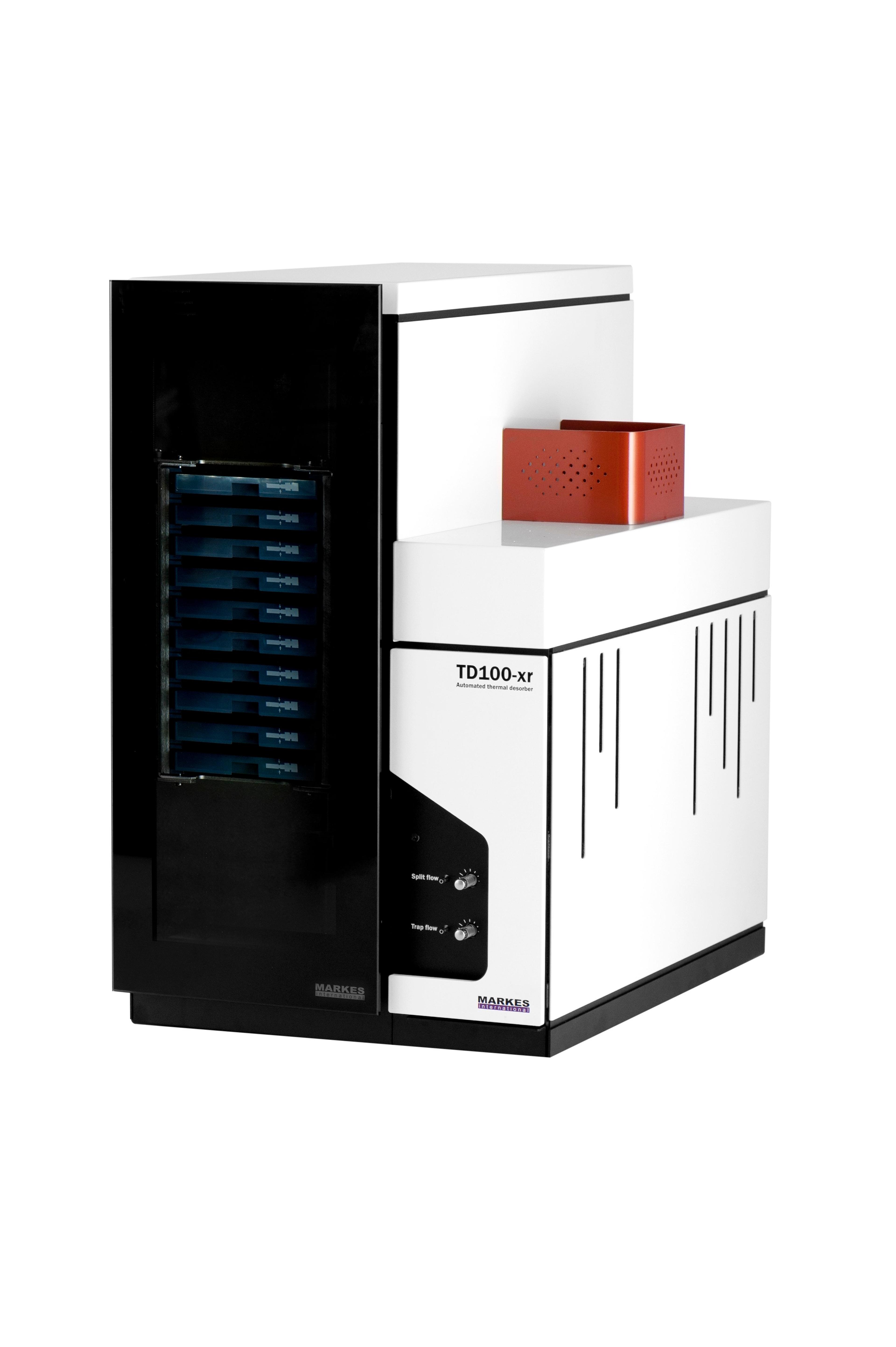
This application note demonstrates the application of TargetView software for identifying trace-level hazardous compounds in the complex emission profiles from household products and materials (plasterboard, children’s’ toys, and mahogany).

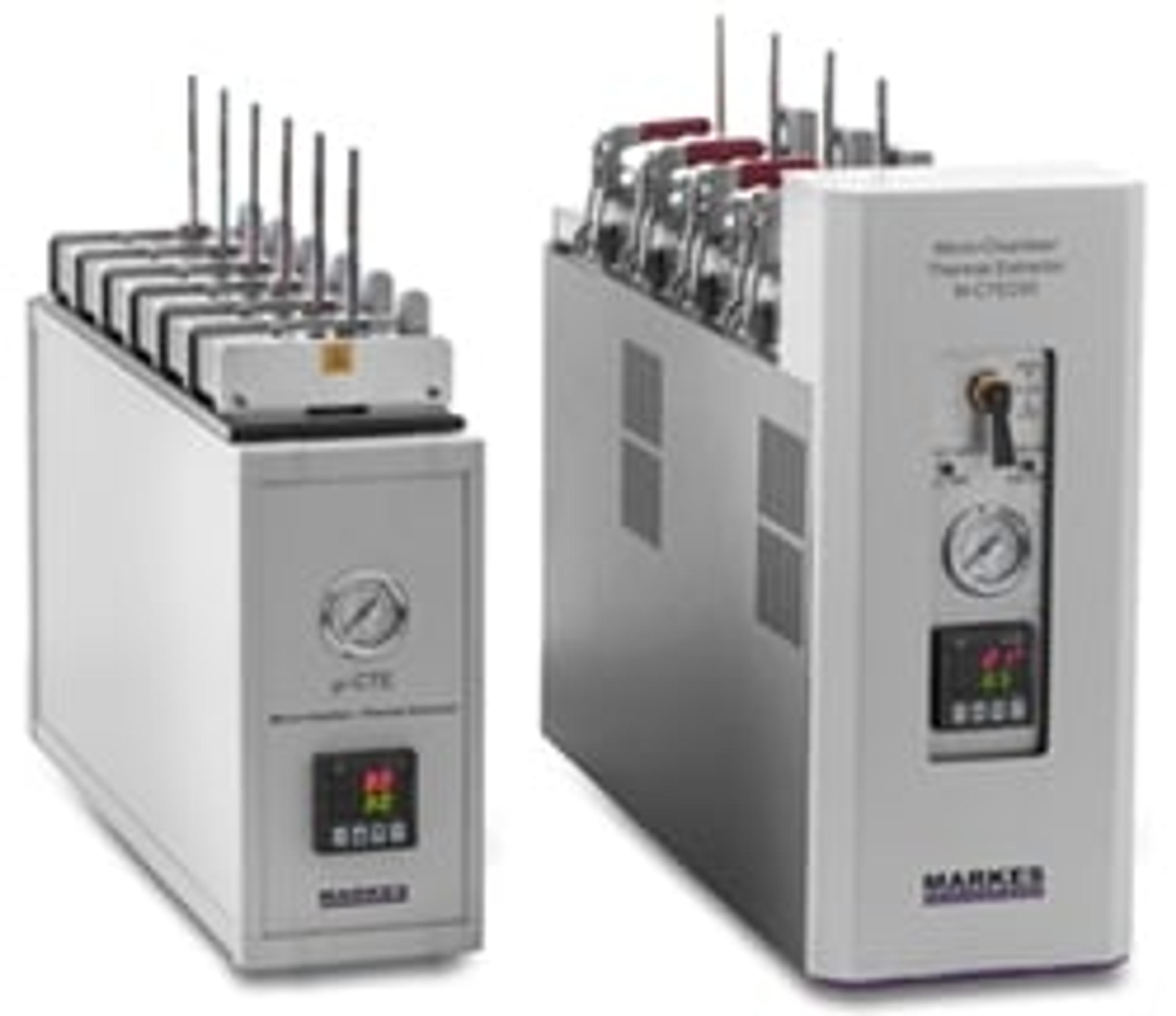
Micro-Chamber/Thermal Extractor

Markes International Ltd

  Fast sampling of emissions from products and materials. The Micro-Chamber/Thermal Extractor™ (µ-CTE™) is a versatile and compact unit with up to six small cylindrical chambers that enables the sampling of chemicals released from products or materials. Released volatile and semi-volatile organic compounds (VOCs and SVOCs) are collected onto sorbent tubes for analysis by TD–GC–MS. The capability of the Micro-Chamber/Thermal Extractor has been further extended by the release of the Humidifier Accessory, which supplies the Micro-Chamber/Thermal Extractor with air or gas at up to 50% relative humidity.   Features: The four-chamber model has a chamber volume of 114 mL and a maximum temperature of 250°C The six-chamber model has a chamber volume of 44 mL and a maximum temperature of 120°C Volatiles are collected on sorbent tubes for analysis by TD–GC–MS; also compatible with DNPH cartridges for formaldehyde monitoring No sample preparation needed – simply place the material in the chamber A constant flow of heated air or gas ensures rapid production of a representative VOC/SVOC profile Results can be correlated with longer-term reference methods Construction from inert-coated stainless steel – compatibility with reactive or thermally labile chemicals Accessories allow surface-only sampling or permeation testing  An optional humidifier accessory (available for both models of microchamber) supplies air/gas at up to 50% relative humidity to allow closer simulation of conditions used in reference tests and to enhance the recovery of some less-volatile polar compounds   Benefits: Save time and money by minimising the need for third-party reference tests Convienient and fast – test multiple samples in minutes, not days, for efficient quality control Confidence in results – Data from the Micro-Chamber/Thermal Extractor has been shown to correlate with longer-term reference-test results Avoid tedious and time-consuming sample preparation – simply place your sample in the microchamber Complies with international standard methods ISO 12219-3 (interior air of road vehicles) and ASTM D7706 (rapid screening of VOC emissions from products) Peace-of-mind – you are buying a quality product from the recognised leader in thermal desorption instrumentation   Applications: RMicro-Chamber/Thermal Extractor analysing Rapid emissions screening of materials used indoors and in vehicles, especially to aid compliance with regulations and safety labels Product R&D and formulation of lower-emitting products Testing of raw materials and production-line quality control Comparison with competitors’ products Testing permeation of vapours through materials Aroma profiling of foods or fragranced materials  
(17)

Links

Tags

Atomic Absorption / Emission SpectroscopyAtomic absorption spectroscopy (AAS) and atomic emission spectroscopy (AES) — also called optical emission spectroscopy (OES) — are used to detect the elemental constituents in samples. Both techniques involve the atomization of a sample. Atomic absorption spectrometers may use a flame or furnace to create an atomic vapor of the sample before irradiation with spectral light. Optical emission spectrometers may use a flame, inductively coupled plasma (ICP), microwave plasma (MP) or spark arcs to atomize and excite the sample. At higher excitation energies, electrons can be emitted instead of photons, which can be useful for samples that can’t be atomized and for surface analysis. Explore electron spectroscopy equipment such as Auger spectrometers and photoelectron spectrometers for surface elemental analysis of samples. Find the best atomic absorption, photoelectron and optical emission spectrometers in our peer-reviewed product directory: compare products, check customer reviews and receive pricing direct from manufacturers.Thermal Analysis EquipmentThermal analysis equipment is used for measuring heat flow, weight loss, dimension changes or thermomechanical properties and is important for analyzing a material’s performance and stability. Thermal analysis equipment includes differential scanning calorimeters (DSC), thermogravimetric analyzers (TGA), thermomechanical analyzers (TMA), dilatometers, thermometers, vapor sorption analyzers, boiling and melting point apparatus. Thermal analyzers can reveal properties such as melting, crystallization and glass transitions or other processes such as oxidation, decomposition, volatilization, as well as coefficients of thermal expansion and modulus. Find the best thermal analysis equipment in our peer-reviewed product directory: compare products, check customer reviews and receive pricing direct from manufacturers.GC-MS GC-MS (gas chromatography-mass spectrometry) instruments and equipment are used to separate, quantify and identify mixtures of small and volatile compounds, such as polycyclic aromatics, fatty acids and alcohols. Often used in drug detection, forensic investigation and environmental analysis for pesticides and contaminants, GC-MS is a powerful addition to your lab’s analytical capabilities. GC-MS/MS instruments equipped with a qTOF or triple quadrupole analyzers can give greater sensitivity and resolution to your analysis. Find the best GC-MS instruments and equipment in our peer-reviewed product directory: compare products, check customer reviews and receive pricing direct from manufacturers.Volatile Organic Compounds (VOCs)Volatile organic compounds (VOCs) are chemicals that have a low boiling point. Some VOCs are harmful to human health, whereas others can be used to determine the shelf-life of foods samples. Semi Volatile Organic CompoundsSemi volatiles organic compounds (SVOCs) are a groups of compounds that have a low boiling point and evaporate above room temperature. SVOCs include phenols and polynuclear aromatic hydrocarbons (PAH).VolatilesVolatiles are a group of compounds that have a low boiling point and evaporate at room temperature. Volatiles, such as volatile organic compounds (VOCs), can be used to determine shelf-life of food samples. GC-MS is typically used to analyze volatiles.Quality TestingQuality testing ensures that products meet required specifications and safety standards in various industries, including pharmaceuticals, food, and materials. It is essential for maintaining product quality and consumer safety. Explore quality testing tools in our peer-reviewed product directory; compare products, check reviews, and get pricing directly from manufacturers.Quality ControlQuality control is needed in all production processes. Quality control is a monitoring procedure or set of procedures that are put in place to ensure that a manufactured product adheres to a defined set of quality criteria.