
Automated 3D cell culture and drug testing using Corning Matrigel Matrix
1 Jan 2025This application note details an automated workflow for 3D cell culture. It includes controlled pipetting of Matrigel® matrix, cell seeding and spheroid cultivation using a Fluent Automation Workstation with an integrated, liquid-cooled four-position carrier and a Thermo Scientific™ Cytomat™ 2 C450-LiN automated incubator. Drug treatments were performed using the D300e Digital Dispenser. A Spark® Cyto multimode reader was used to monitor cell growth by brightfield imaging, as well as to perform luminescence-based viability assessment using the CellTiter-Glo® 3D Cell Viability Assay (Promega).
Related products
Request Quote for All Products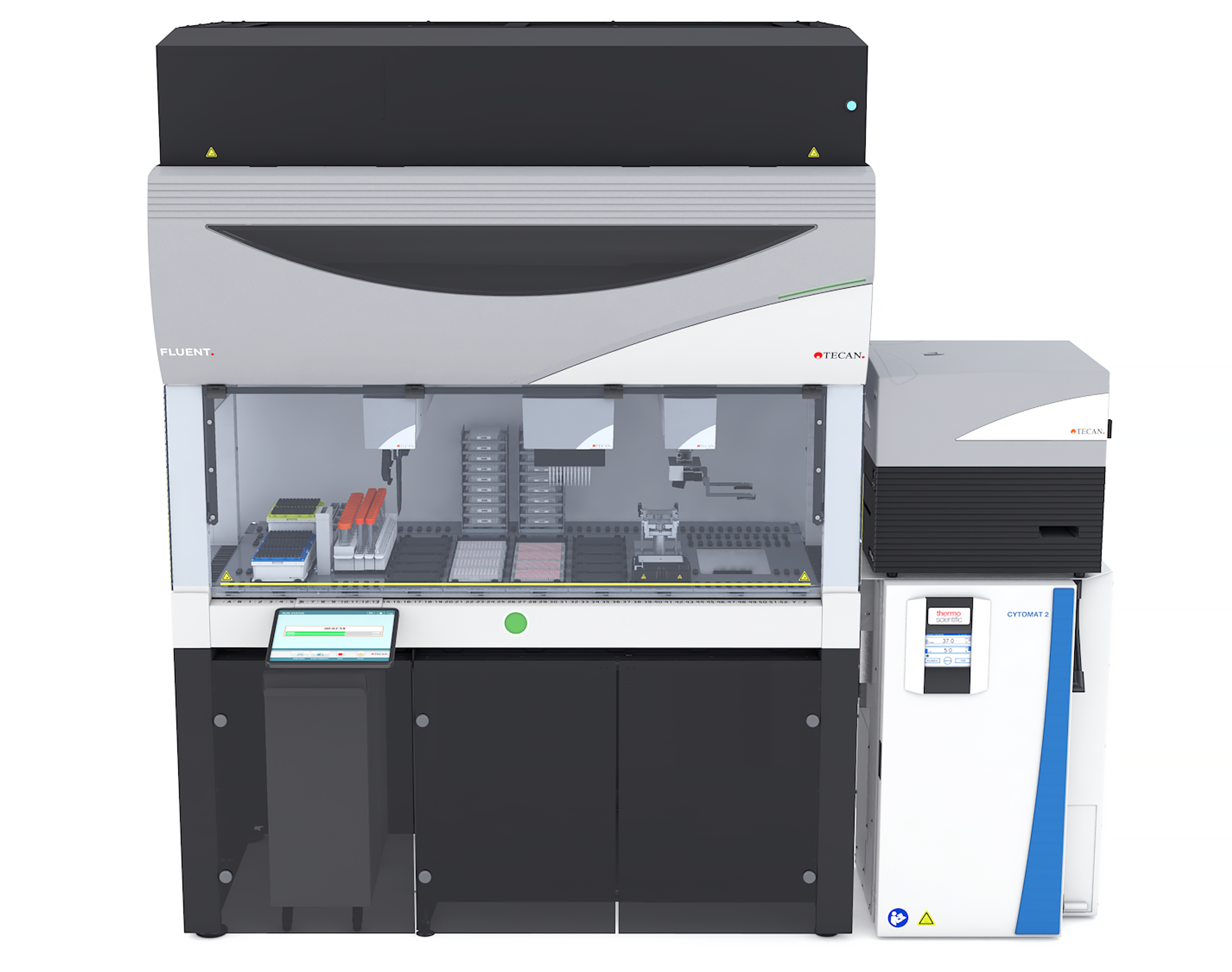
Fluent® Laboratory Automation Workstation
TecanTecan has reinvented automation with the Fluent Laboratory Automation Workstation, a unique instrumentation concept built around the application-specific needs of your laboratory. Fluent breaks new ground, delivering more capacity and increased speed. It provides superior precision, throughput and walkaway time, making it easier to get more done, more confidently.
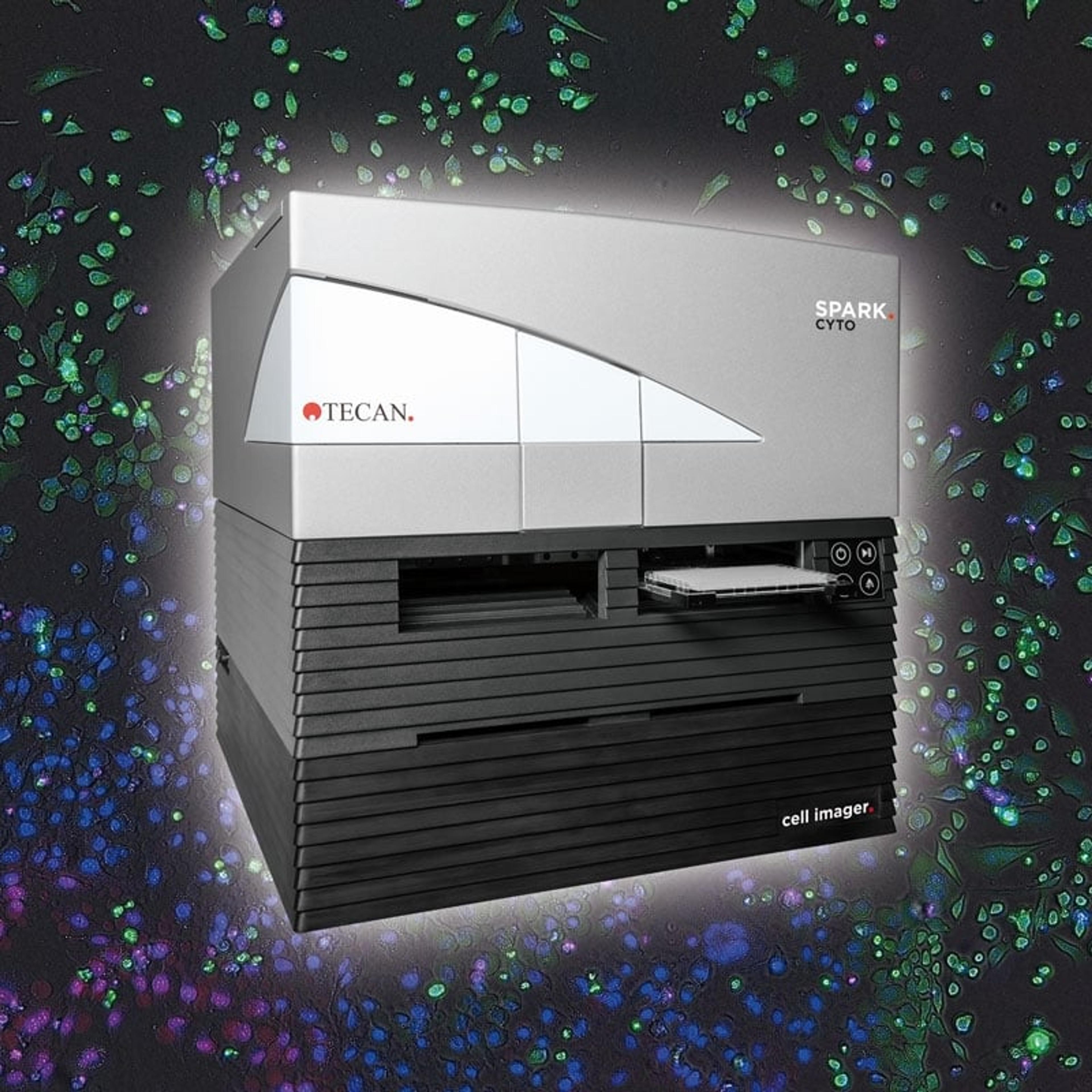
Spark® Cyto
TecanSpark Cyto is the first live cell plate reader to detect biological, chemical or physical events – capturing the maximum amount of data possible from each plate well, at the same time and under the same conditions.
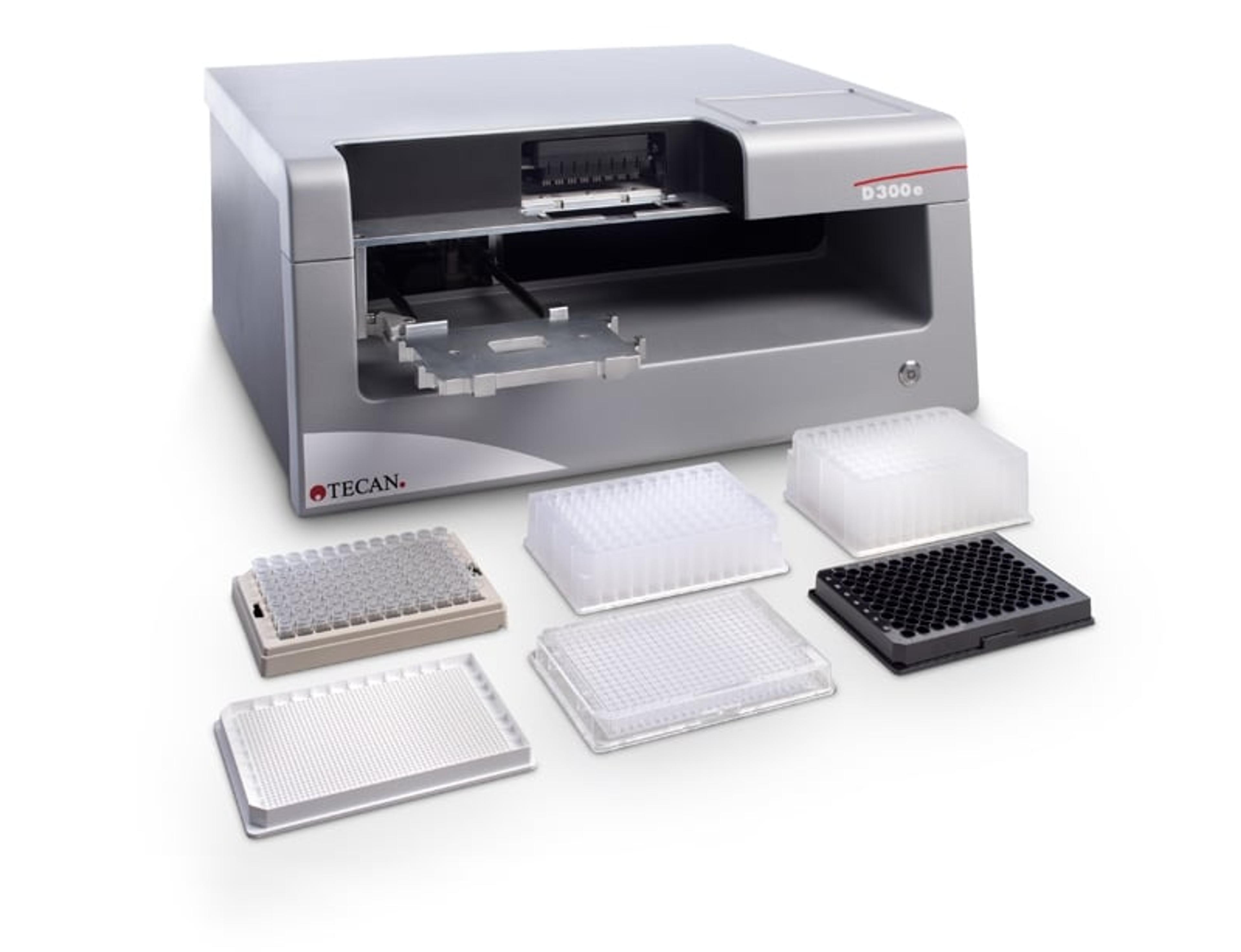
D300e Digital Dispenser
TecanThe D300e Digital Dispenser* uses direct digital dispensing technology to enable rapid delivery of picoliter to microliter sample volumes. It delivers fast, reliable performance across a large dynamic range, eliminating the need for slow, error-prone and wasteful serial dilutions for creation of dose-response curves and enabling miniaturized qPCR reaction set-up.