
Analyzing Multi-Class Persistent Organic Pollutants (OCPs, PCBs, PBDEs, and PAHs) in Food Matrices in a Single Injection by APGC-MS/MS
24 Sept 2014This application note describes the development and validation of a quantitative method for 141 multi-class POP compounds in a variety of foodstuffs to ensure continued monitoring and consumer safety in Quebec, Canada. The sensitivity, selectivity, and quantification capability of APGC, when coupled with the Waters® Xevo TQ-S is determined, using a generic sample preparation method for the satisfactory extraction of all analytes from a variety of food matrices.
Related products
Request Quote for All Products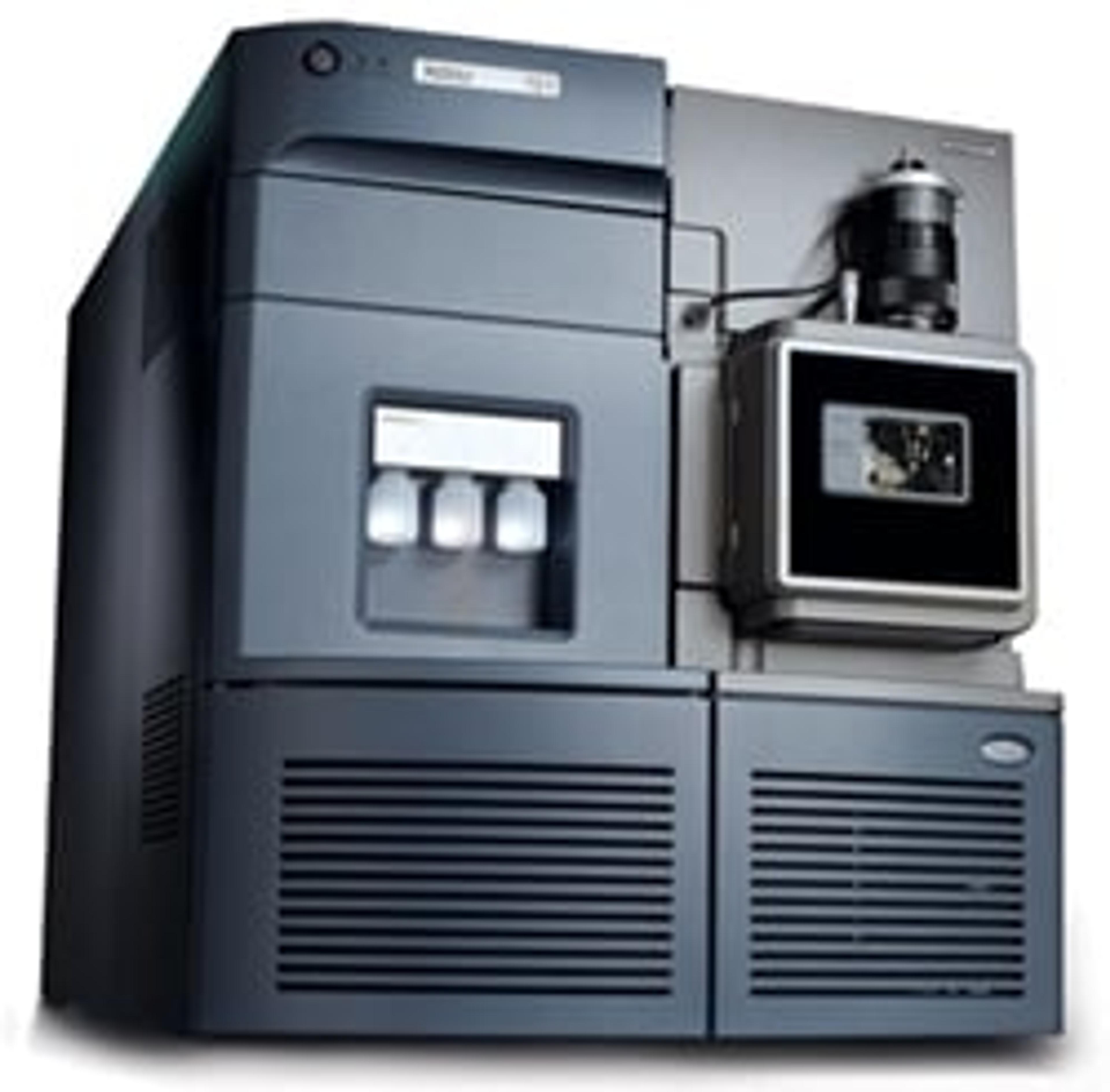
Xevo TQ-S
WatersXevo TQ-S tandem quadrupole mass spectrometer - designed for the most demanding quantitative UPLC/MS/MS applications. The ultimate in tandem quadrupole performance allows you to achieve unrivalled sensitivity and robustness, available to everyone due to the accessibility of the Xevo platform. The Xevo TQ-S gives you class leading sensitivity and robustness, qualitative information when you need it most and accelerated method development for sensitive and robust methods. Reducing complexity, increasing ease of use, and ensuring the correct result every time.

Waters Atmospheric Pressure Gas Chromatography (APGC)
WatersGC capabilities for today's advanced MS technologies
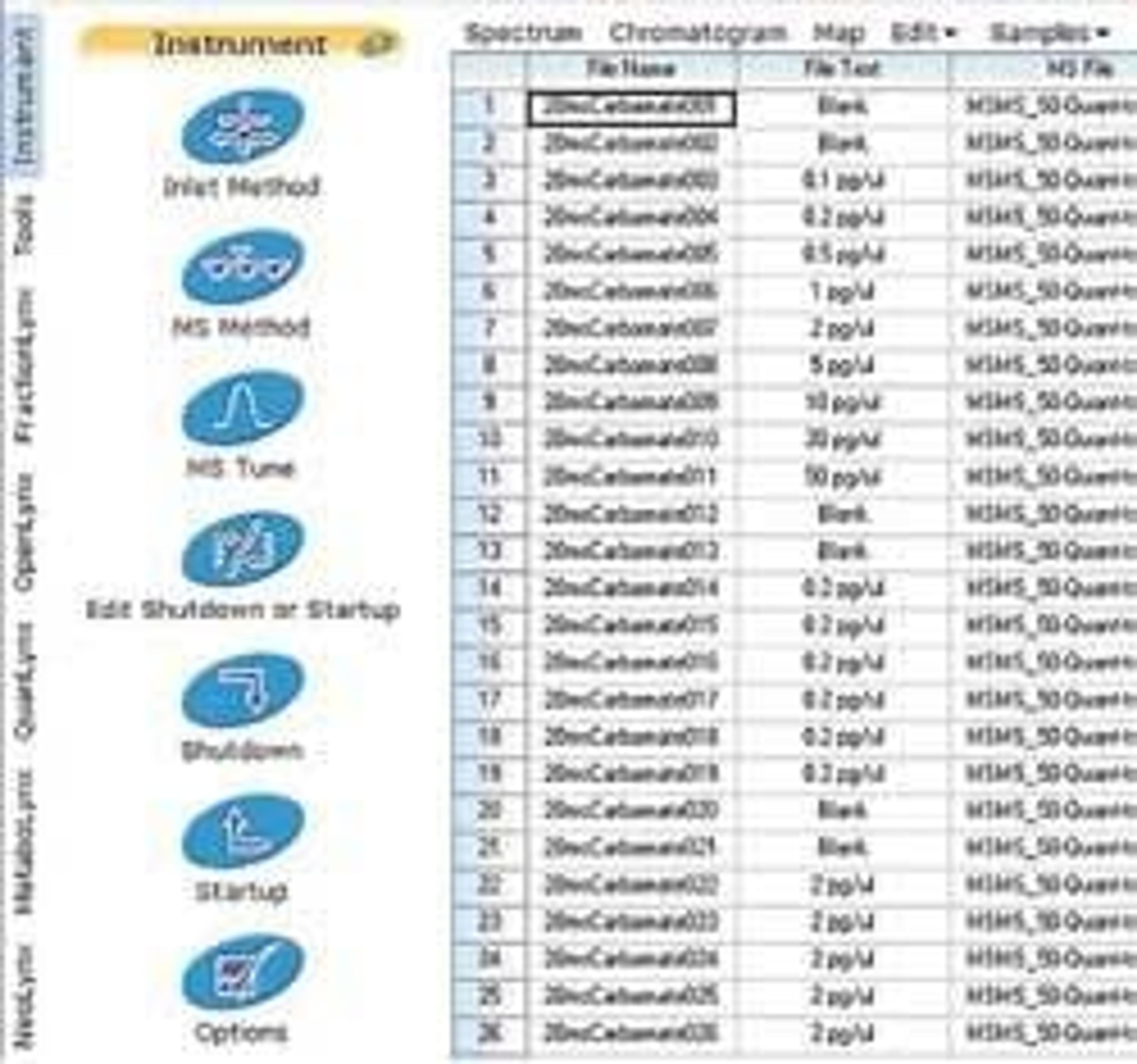
MassLynx MS Software
WatersAcquire, Analyze, Manage, and Share Mass Spectrometry Information MassLynx™ Software increases the speed at which you can convert your sample data into valuable knowledge. It provides you with the fundamental platform to acquire, analyze, manage, and share your mass spectrometry information. MassLynx intelligently controls any Waters mass spectrometry system, from sample and solvent management components to mass spectrometer and auxiliary detectors. MassLynx Software may acquire nominal mass, exact mass, MS/MS and exact mass MS/MS data. MassLynx’s Sample List is the core of the system. It maintains and consolidates the data on all of your samples. You also initiate any activities related to your sample from the Sample List. This "sample centric" approach simplifies the interaction with your LC/MS or GC/MS system, acquired data and processed results. Process Application-specific Data MassLynx Software features general purpose and specialized Application Managers that provide information for your specific MS analyses and data. Two come standard with MassLynx: QuanLynx™ for automated quantification included as standard with MassLynx OpenLynx™ for qualitative screening and identification Optional Application Managers can perform: Targeted quantitative analysis Mass-directed purification Metabolite identification Deconvolution of complex chromatograms Metabonomics & metabolomics Protein identification and protein characterization