
Analysis of parabens using UHPLC
14 Mar 2022Parabens, esters of p-hydroxybenzoic acid, are used as preservatives in cosmetics and foods. In this application note, JASCO demonstrates how UHPLC can be applied to provide a high throughput method to determine the content of esters.
Related products
Request Quote for All Products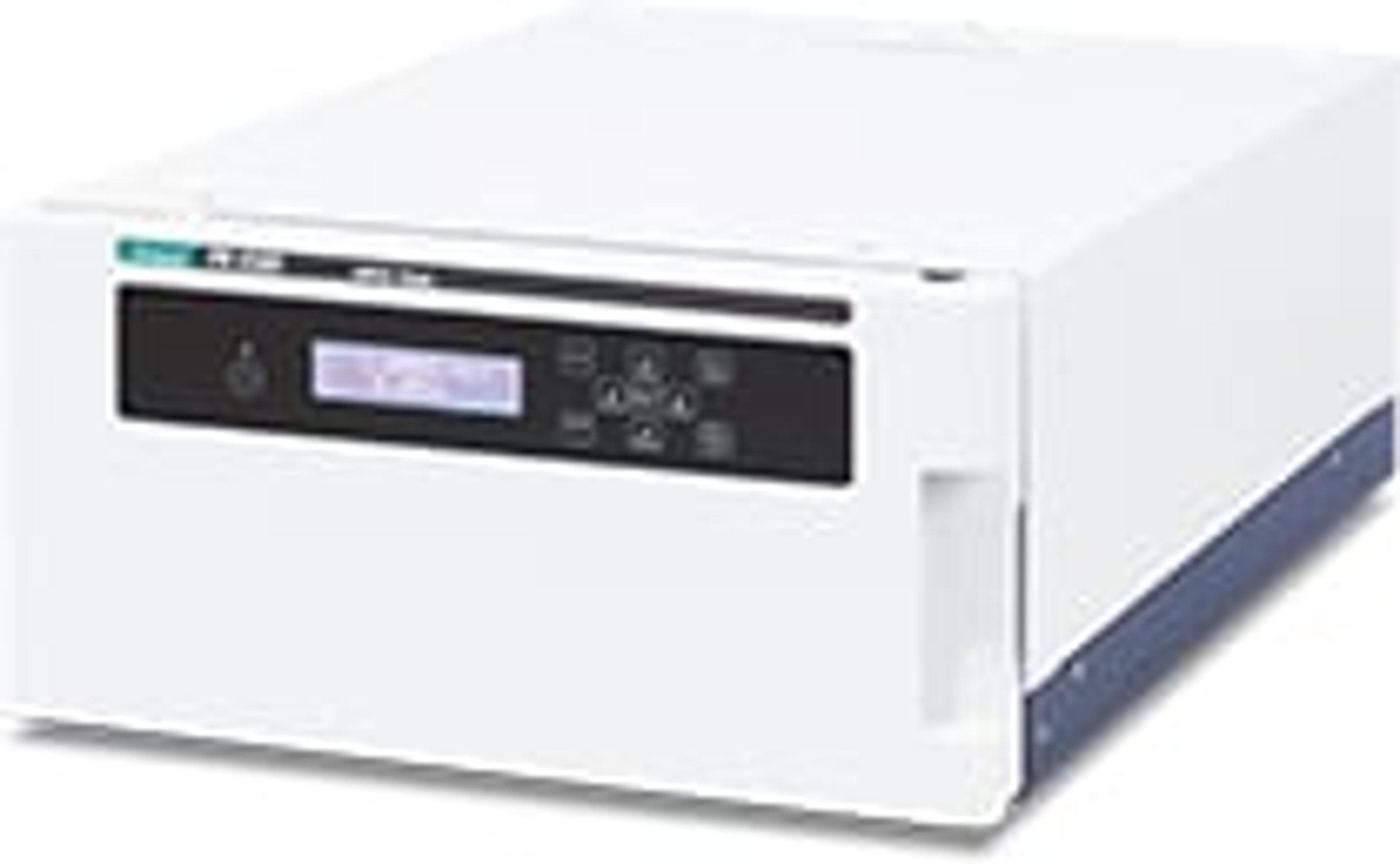
LC-4000 Series HPLC pumps
JASCO (USA)The LC-4000 series HPLC pumps include expansion bays that allow a simple pump module to be transformed into a powerful solvent delivery system.Accessory modules can be installed in the LC-4000 series pump for use with virtually any solvent delivery requirement. Features Upgrade and Expansion Eliminating pulsation Pump configurations Solvent Mixing Solvent Degassing Preparative and Semi-preparative pumps

LC-4000 Series Integrated HPLC and UHPLC Systems
JASCO (USA)The LC-4000 Series is the latest in a long history of innovative HPLC systems developed by JASCO reaching all the way back to the start of commercial HPLC in the early 1970s. The concept of the integrated LC-4000 series HPLC provides key separation platforms at 50MPa, 70MPa and 130MPa which correspond to conventional HPLC, the increasingly popular Rapid Analysis (RHPLC) and sub 2um UHPLC, respectively. Each platform is supplied with a dedicated pump and autosampler matched to the operating pressure and all three platforms share common detectors optimized for high-speed 100Hz acquisition and the narrow peak shapes common to both RHPLC and UHPLC. Features 300mm wide footprint Each system component is completely stackable into a modest height The system is fully integrated with complete system monitoring All user replaceable components are accessible through the front panel Vertical leak/drain system to channel away solvent Integrated earthquake securing option All detectors include 100Hz acquistion with interchangeable flowcells Preparative HPLC Systems The LC-4000 preparative HPLC systems includes three platform options Up to 20mL/min for columns up to 21.2mm ID Up to 50mL/min for columns up to 3cm ID Up to 120mL/min for columns up to 5cm ID