ProductsLife Sciences
CRISPR-Ready ioGlutamatergic Neurons™
bit.bioHuman iPSC-derived glutamatergic neurons expressing Cas9 for rapid gene knockout generation

Showing 7 products from bit.bio in Life Sciences
Human iPSC-derived glutamatergic neurons expressing Cas9 for rapid gene knockout generation

Human iPSC-derived microglia expressing Cas9 for rapid gene knockout generation
A highly defined, scalable, and consistent source of human central nervous system (CNS) neurons. ioGlutamatergic Neurons, part of the bit.bio ioCells portfolio, are reprogrammed from human induced pluripotent stem cells (iPSC) using bit.bio's precise reprogramming technology: opti-ox™ (optimised inducible overexpression).
Introducing highly-defined, consistent, and reliable human muscle cells for research, disease modeling, and high throughput screening across areas such as muscle, neuromuscular, and associated metabolic disorders. ioSkeletal Myocytes, part of the bit.bio ioCells portfolio, have been reprogrammed from human induced pluripotent stem cells (iPSCs) using bit.bio's precise reprogramming technology: opti-ox™
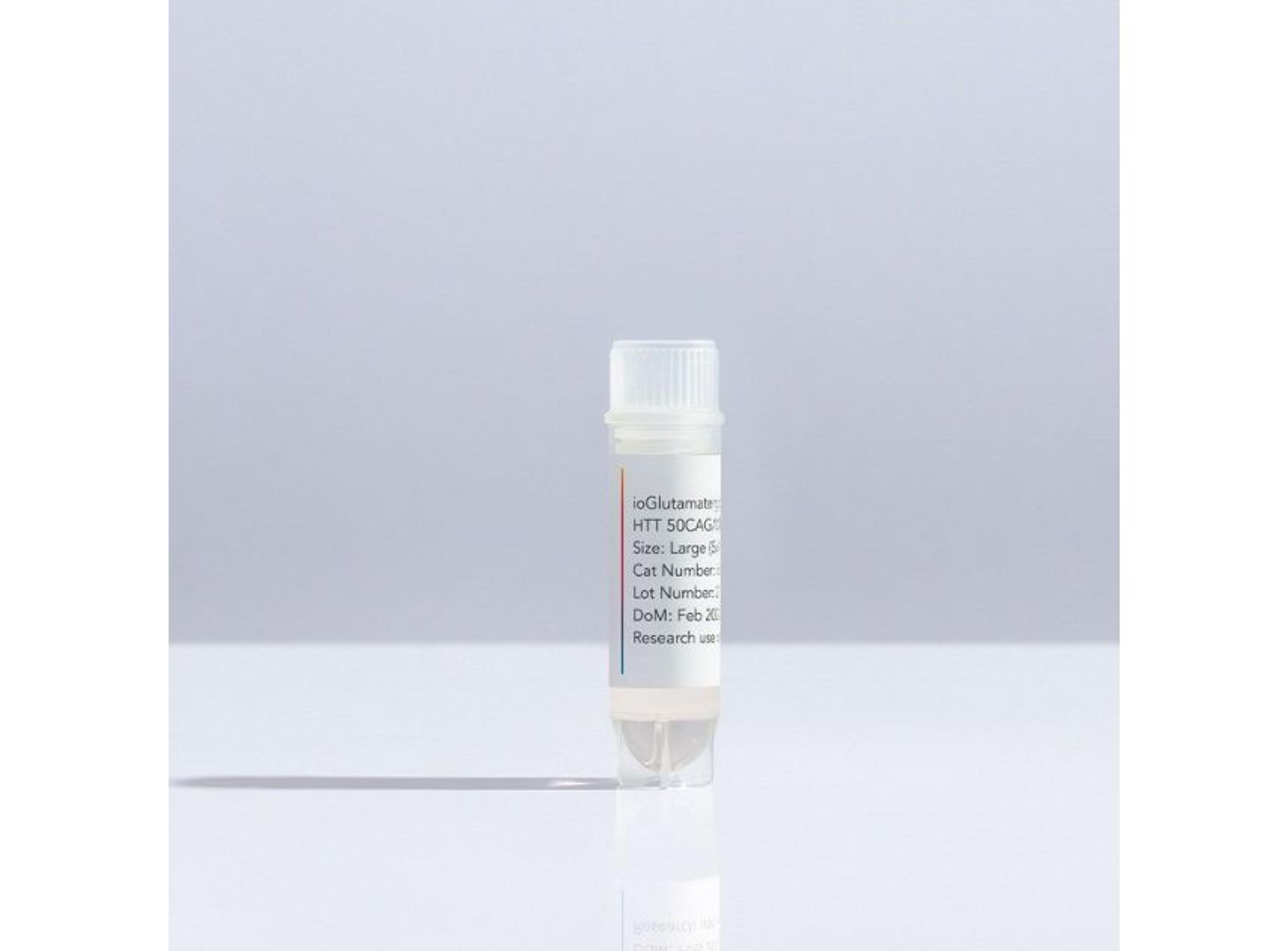
A highly defined, scalable, and consistent source of human central nervous system (CNS) neurons carrying the disease-relevant 50 CAG trinucleotide repeat expansion associated with Huntington’s disease. ioGlutamatergic Neurons HTT 50CAG/WT have been reprogrammed from human-induced pluripotent stem cells (iPSCs) using bit.bio’s precise reprogramming technology: opti-ox™ (optimized inducible overexpression).
ioMicroglia are human induced pluripotent stem cell (iPSC)-derived microglia, precision reprogrammed using opti-ox™ technology. Within 10 days post-revival, ioMicroglia are ready for experimentation, expressing (>90%) key markers, including TMEM119, P2RY12, and IBA1. ioMicroglia display key functional traits including phagocytosis and proinflammatory cytokine secretion and can be co-cultured with ioGlutamatergic Neurons™.
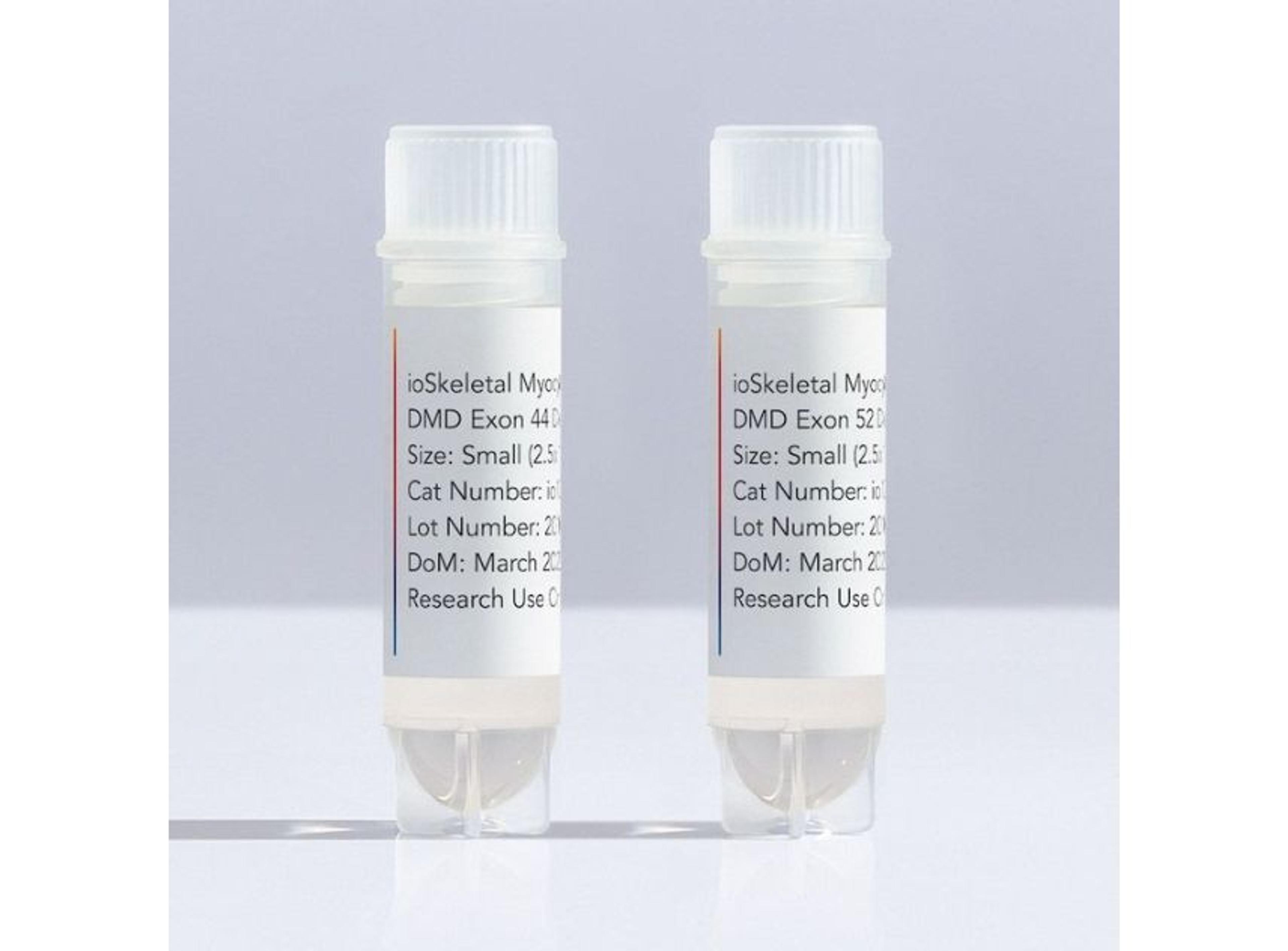
ioSkeletal Myocytes DMD Exon Deletion disease models are built to help improve the translatability of data generated during the discovery of new candidate drugs for Duchenne muscular dystrophy.