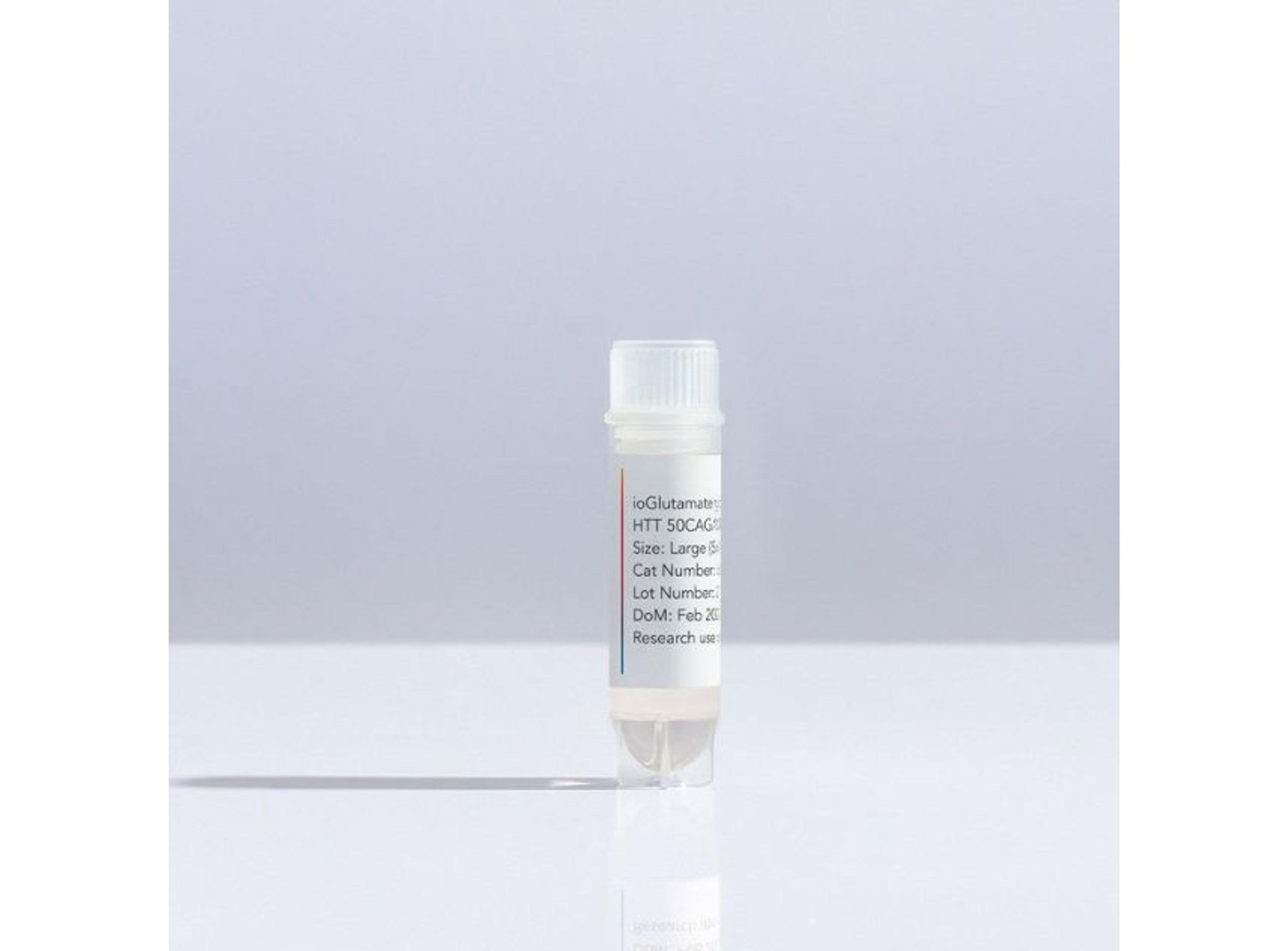
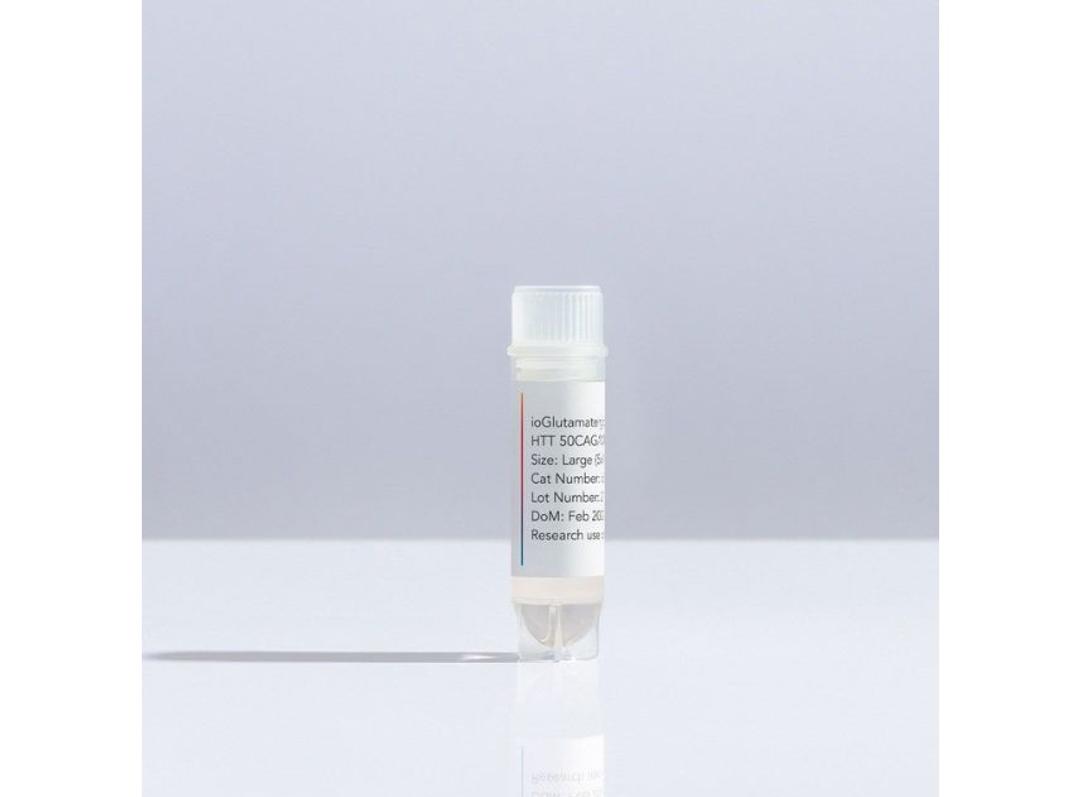
ioGlutamatergic Neurons Huntington's Disease HTT 50CAG/WT Human iPSC-derived glutamatergic neurons
A highly defined, scalable, and consistent source of human central nervous system (CNS) neurons carrying the disease-relevant 50 CAG trinucleotide repeat expansion associated with Huntington’s disease. ioGlutamatergic Neurons HTT 50CAG/WT have been reprogrammed from human-induced pluripotent stem cells (iPSCs) using bit.bio’s precise reprogramming technology: opti-ox™ (optimized inducible overexpression).
Ready for use within days post revival

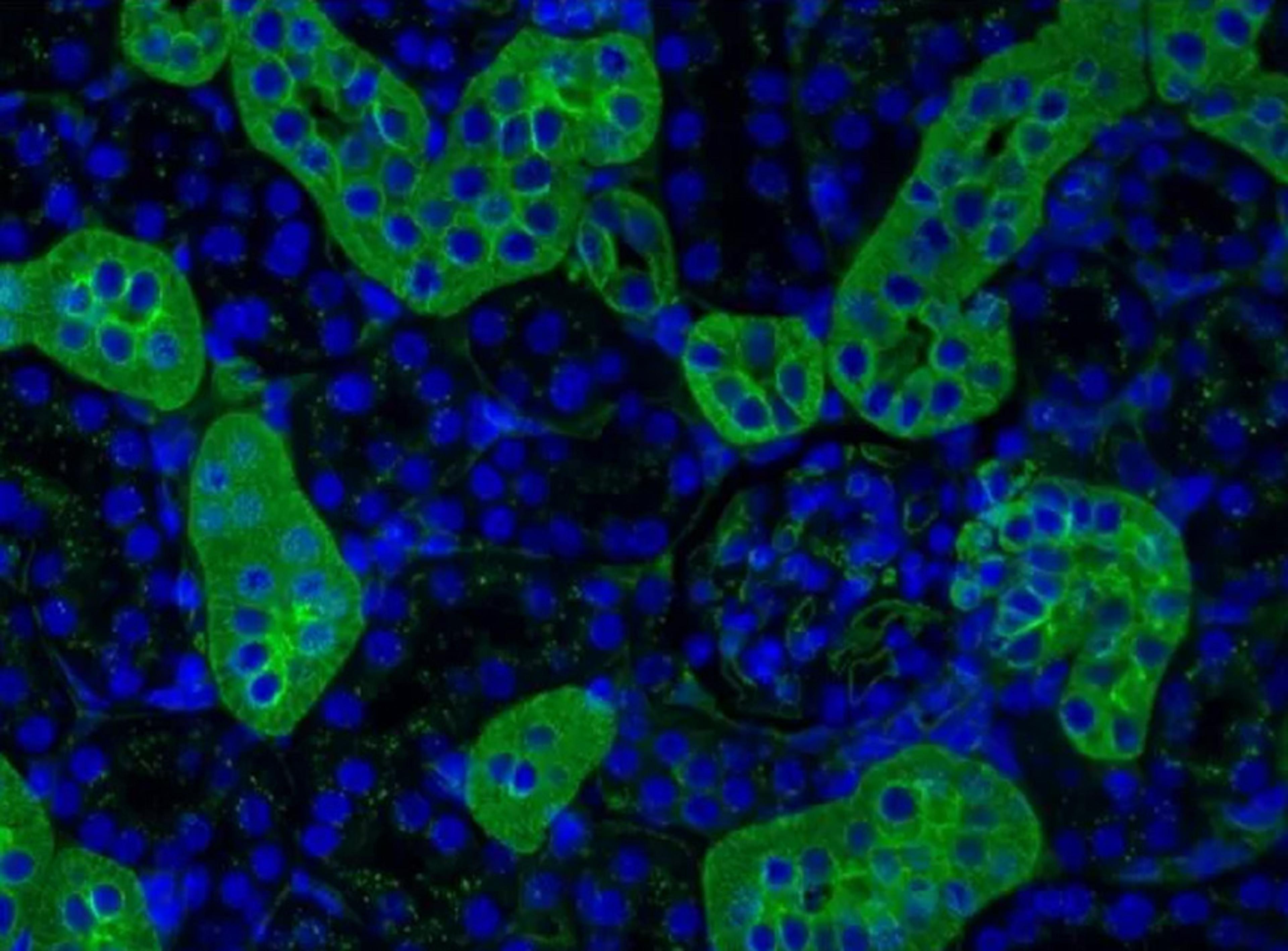
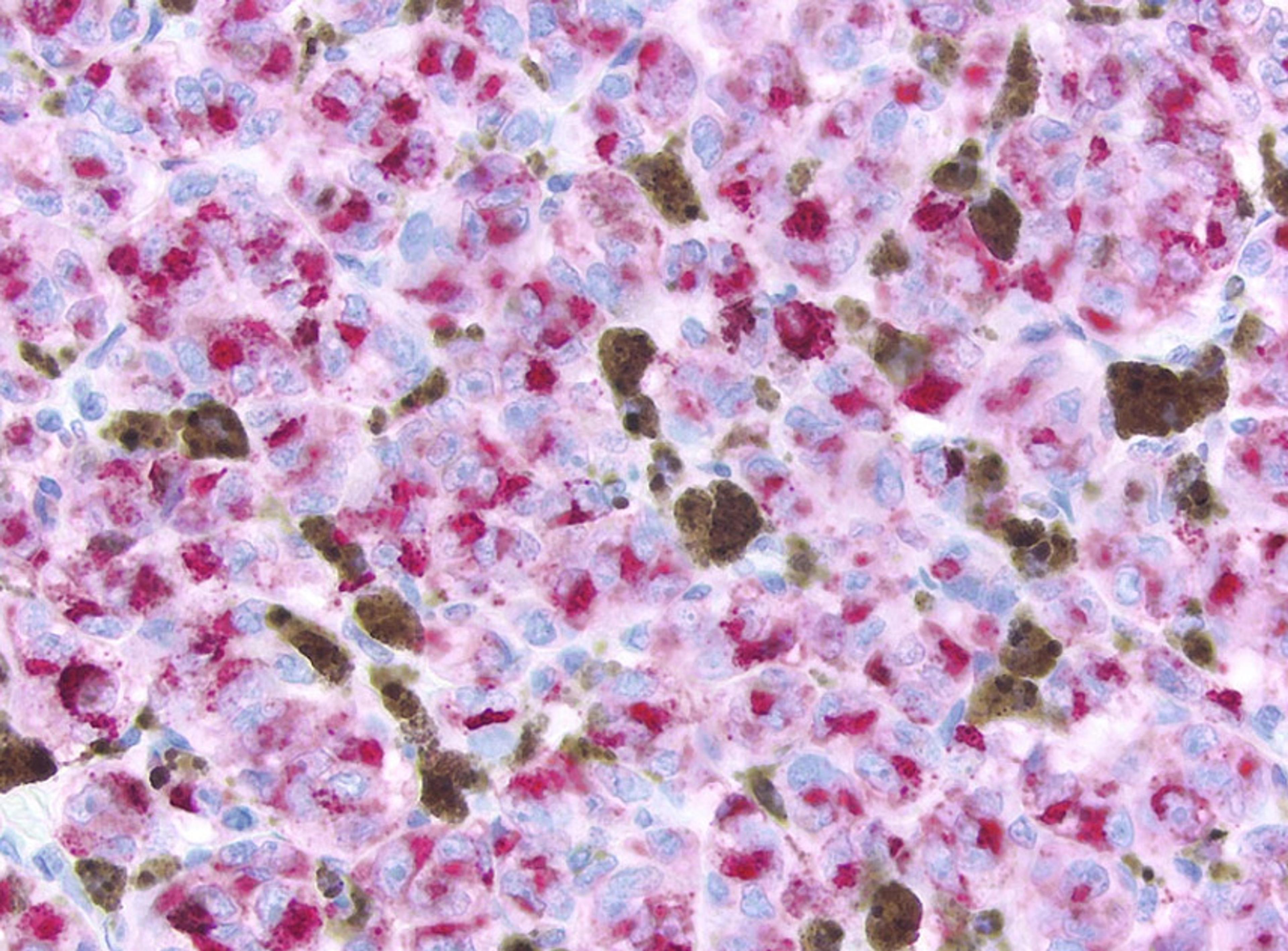
Disease-related Huntingtin (HTT) is expressed in ioGlutamate


The supplier does not provide quotations for this product through SelectScience. You can search for similar products in our Product Directory.
The abnormal expansion of 50 CAG repeats was introduced in the first exon of the Huntingtin gene using CRISPR/Cas9 genome editing. ioGlutamatergic Neurons are available as the genetically matched control for the ioGlutamatergic Neurons HTT50CAG/WT disease model. This disease model and isogenic control offer a fast and easy-to-use system for investigating the impact of gene function on Huntington’s disease progression in research and drug discovery settings.
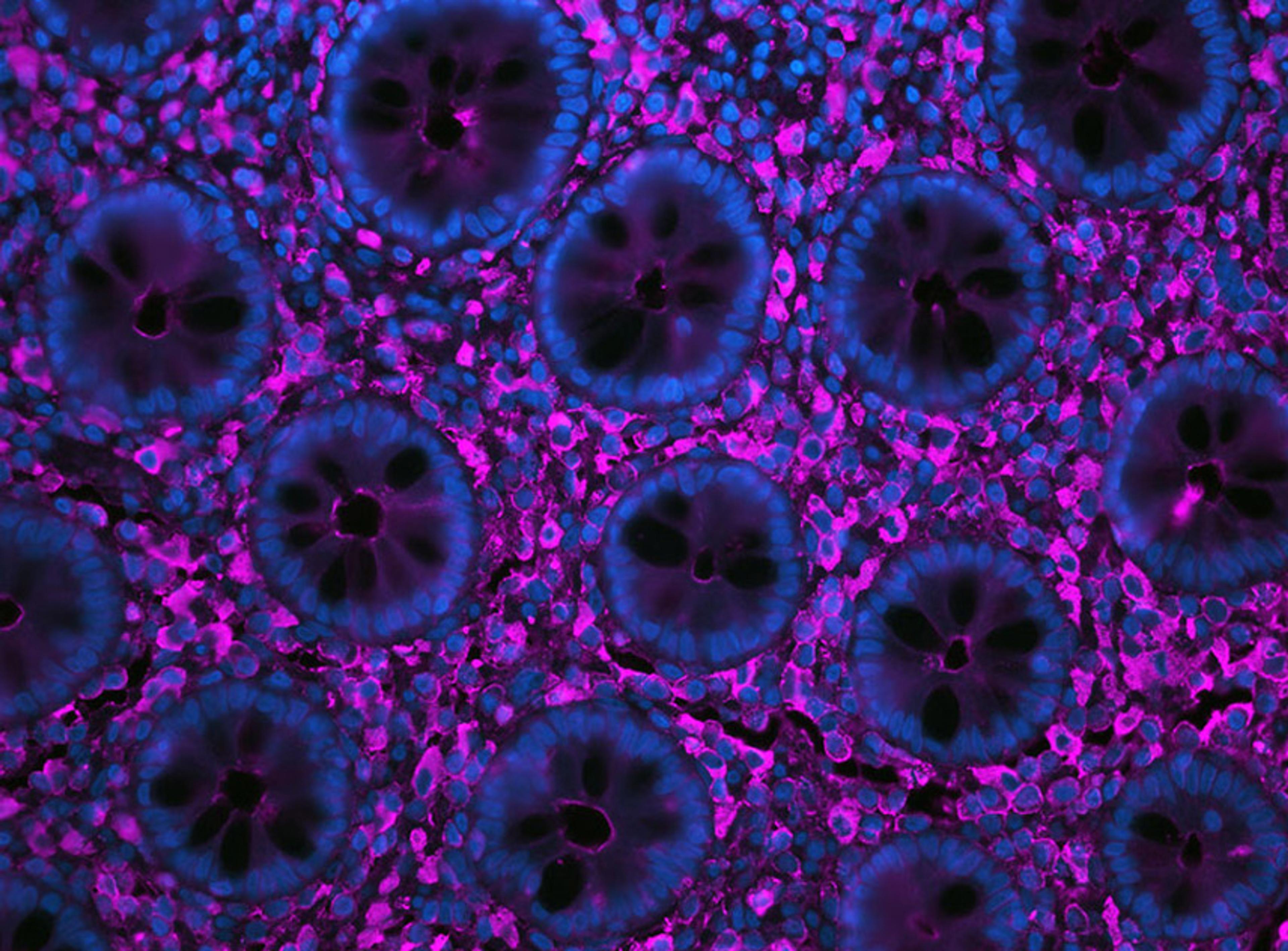
ioGlutamatergic Neurons HTT50CAG/WT express pan-neuronal and glutamatergic markers TUBB3, MAP2, and VGLUT2 by day 11, as well as the disease-relevant Huntingtin protein. bit.bio’s opti-ox™ cellular reprogramming enables the consistent manufacture of homogenous and mature hiPSCs derived functional neurons within days, offering access to the highest quality cellular CNS model with simple protocols.
ioGlutamatergic Neurons cells provide you with:
- Consistency: Batch-to-batch reproducibility and homogeneity create a stable human model for excitatory neuronal activity and disease
- Speed: Ready for experimentation as early as two days post revival and form functional neuronal networks at 17 days
- Scalability: Industrial-scale quantities allow the cells to be used in a range of applications, from research to screening purposes
- Ease of Use: Cells arrive programmed to rapidly mature upon revival with only one medium required in a two-step protocol

Tackling the reproducibility crisis with standardized human cells
Tuesday, April 29, 2025 at 16:00 BST / 17:00 CEST / 11:00 EDT / 08:00 PDT
Join experts in human iPSC-derived cells from academia and drug discovery as they discuss the impact of standardization on scientific progress.
The absence of standardized reagents creates barriers to reliable experimental comparisons, slowing research, drug development, and translational efforts. Across human cell models, including primary cells, cell lines, and patient-derived iPSC-derived cells, biological variability and reproducibility challenges persist.
In this expert panel, we will explore how standardizing human iPSC-derived cells can enhance consistency, reproducibility, and regulatory compliance, ultimately enabling more robust and impactful research.
Key learning objectives
- Explore the challenges posed by variability in human cell models
- Understand why a lack of standardized cell models impacts reproducibility, and how implementing it can improve research across academia and industry
- Gain insights on the standardization of human iPSC-derived cells from leaders in academic research and drug discovery
Certificate of attendance
All webinar participants can request a certificate of attendance, including a learning outcomes summary, for continuing education purposes.
If you view the on-demand webinar, you can request a certificate of attendance by emailing editor@selectscience.net.