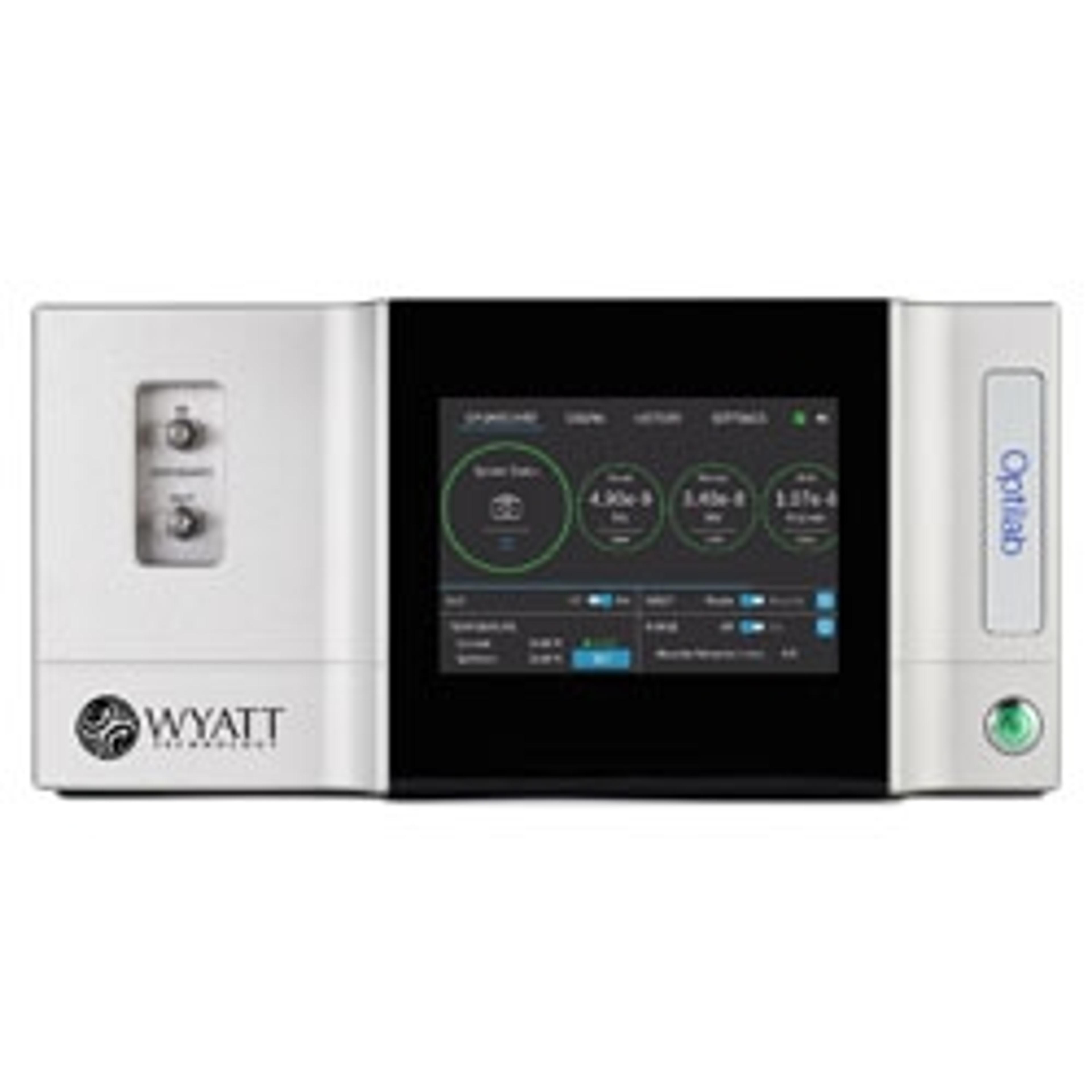
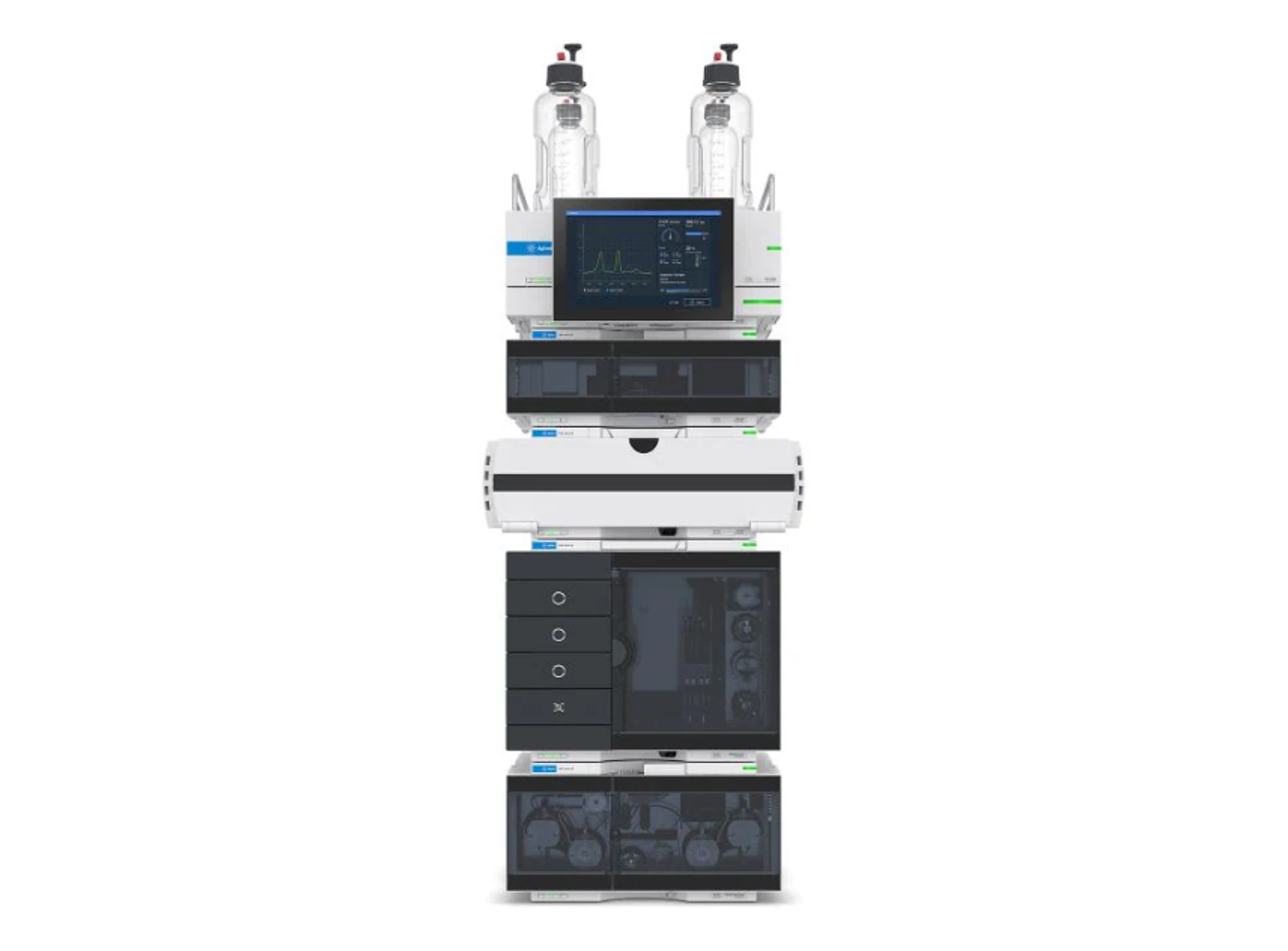
Optilab™
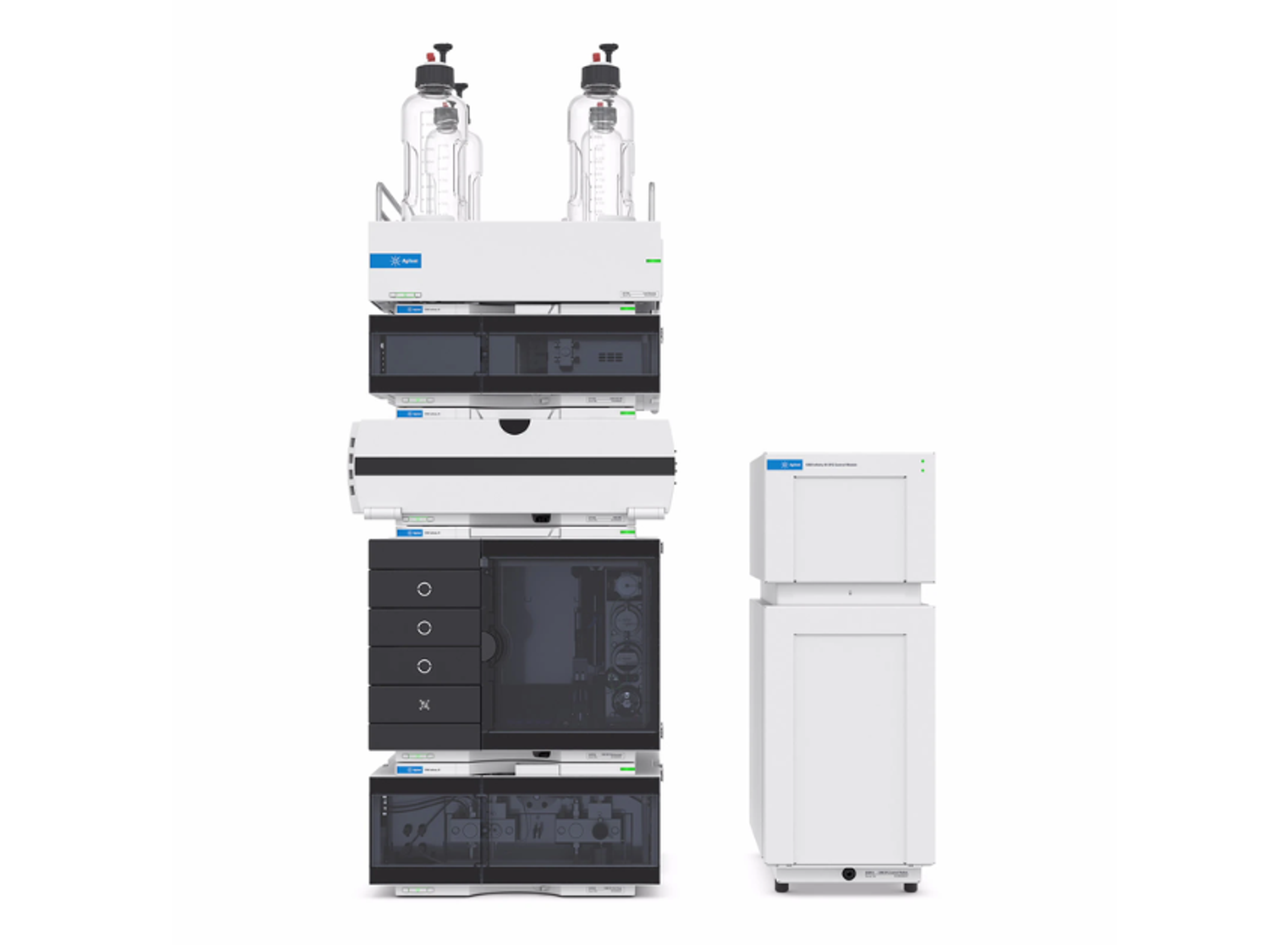
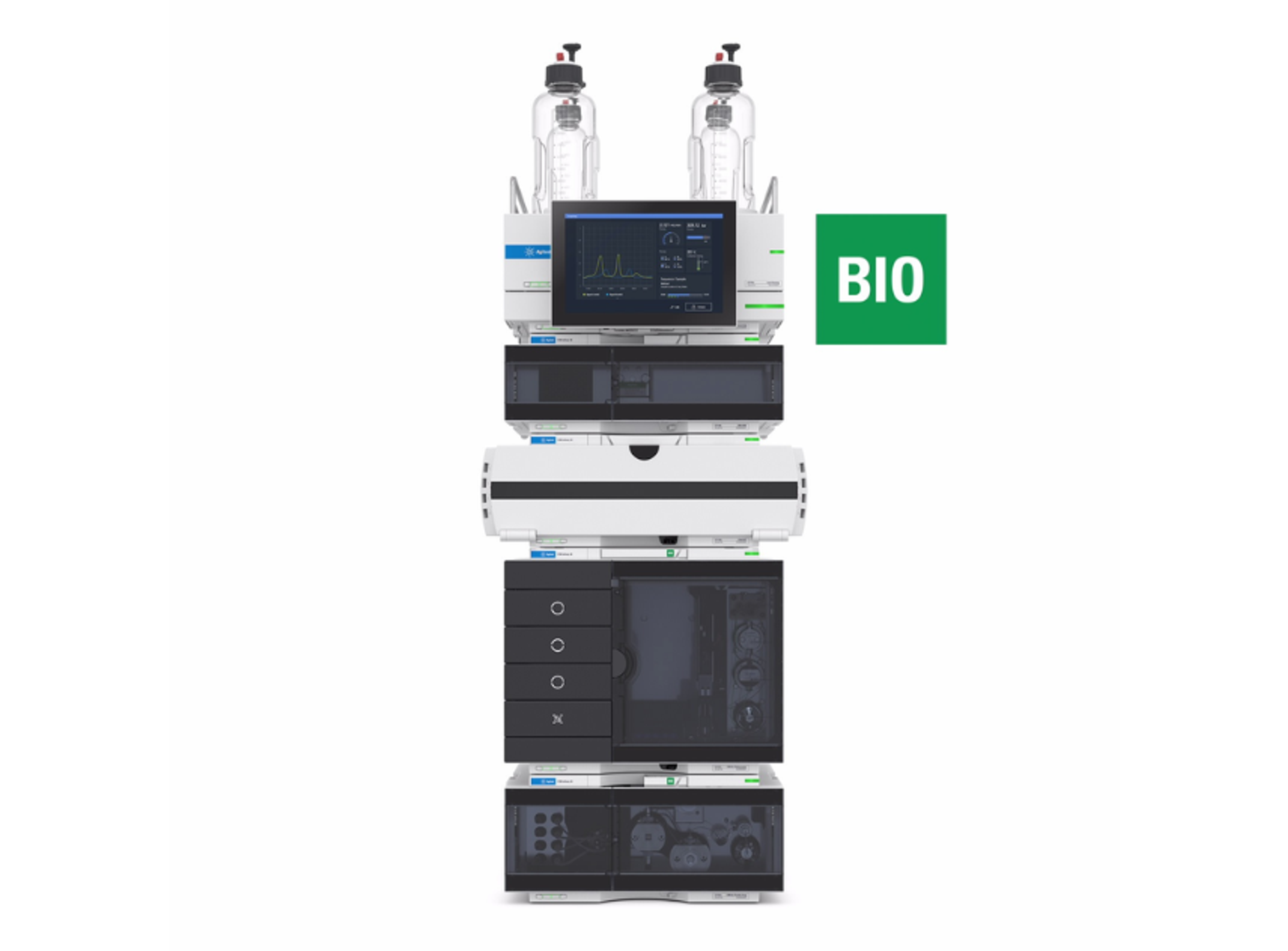
The Optilab™ is a unique dRI detector for HPLC/GPC, optimized for use with MALS.


The supplier does not provide quotations for this product through SelectScience. You can search for similar products in our Product Directory.
The Optilab™ differential refractive index (dRI) detector may be used in conjunction with any HPLC, FPLC, GPC or FFF separation system, plus a Wyatt DAWN™ or miniDAWN™ multi-angle light scattering (MALS) detector, for the absolute determination of the molar mass of all types of macromolecules in solution. While its sensitivity matches the very best HPLC RI detectors, its dynamic range exceeds that of any comparable instrument by 10-100x, with no range settings - meaning you can characterize very large and very small peaks, simultaneously.
In addition to dRI, the Optilab™ also measures the absolute refractive index (aRI) of a solution, important for characterizing solvents. The high-concentration (HC) model provides an extended measurement range suitable for high-concentration samples (up to 180 mg/mL of protein) or gradient-elution chromatography such as ion-exchange.
Features:
- dRI noise: 7.5x10⁻¹⁰ RIU (HC model: 1.5x10⁻⁹ RIU)
- dRI range: 4.7x10⁻³ RIU (HC model: -2.6x10⁻³ to +34x10-3 RIU)
- Dynamic range: 12,000,000:1 (HC model: 23,000,000:1)
- Absolute RI sensitivity: ±0.002 RIU
- Absolute RI range: 1.2 – 1.8 RIU
- Temperature control: heated/cooled 4 - 65°C, including active stabilization—even at room temperature
- Wavelength: 660 nm, matched to MALS instruments; other wavelengths available
- Touch-panel display for immediate access to data, diagnostics and settings
Applications:
- Universal online concentration measurement for chromatography, especially SEC-MALS and FFF-MALS.
- Analysis of conjugated proteins, co-polymers and nanoparticle-encapsulated drugs/proteins/DNA/RNA when combined with a MALS and UV detector
- Offline measurement of second virial coefficient A2 (B22)
- Offline measurement of the specific refractive index increment dn/dc, at the same wavelength as the MALS laser (critical for accurate macromolecular characterization)
- Ion-exchange chromatography with MALS (IEX-MALS) – measure dRI over the entire salt gradient
- Composition-gradient MALS (CG-MALS) – measure protein-protein interactions at high concentration

Irradiation-induced degradation of sodium alginate studied by SEC-MALS
Explore the impact of gamma irradiation on sodium alginate, a polysaccharide widely used in food and medical applications. Using SEC-MALS with a DAWN™ multi-angle light scattering detector and Optilab™ refractometer, researchers can determine molecular weight, size, and conformation without relying on column calibration assumptions. Understanding these properties is crucial for optimizing sodium alginate's performance as a thickening agent and sterile wound dressing.
Characterization of self-associating antibody solutions at high concentrations with CG-MALS
This application note describes the use of multi-angle light scattering (MALS) for characterizing the intermolecular interactions between three different high concentration antibody solutions using a Calypso II, a HELEOS II MALS detector, and Optilab T-rEX™ dRI detector. CG-MALS measurements, automated by Wyatt equipment, provided insight into the colloidal behaviors of the antibody solutions and the nature of the intermolecular forces that contribute to high viscosity.
Characterization of hyaluronic acid with online multi-angle light scattering and differential viscometry
The biopolymer hyaluronic acid is present in all mammalian systems and is of enormous commercial interest for opthalmic, medical, pharmacological and cosmetic applications. In this application note, the absolute determination of hyaluronic acids' properties is demonstrated using MALS, differential refractometry, and differential viscometry detectors in series with SEC separation.
Quantifying quality attributes of AAV gene therapy vectors by SEC-UV-MALS-dRI
In this application note, Wyatt Technology present a simple and direct size-exclusion chromatography method with UV-MALS-dRI detection, which can be readily employed to quantify AAV particle concentration, capsid content, and aggregation throughout the AAV product development and manufacturing processes.
IEX-MALS – A method for protein separation and characterization
Ion-exchange chromatography coupled to multi-angle light scattering (IEX-MALS) allows absolute molar mass determination of proteins, protein complexes and peptides in a heterogenous sample. IEX-MALS can overcome some of the restrictions of SEC-MALS that arise from the limited separation ability of analytical SEC column. Explore how the IEX-MALS method is valuable for quality assessment as well as the characterization of native oligomers, charge variants, modified proteins and mixed-protein samples.