Trending in food science: From simplified purity determination to fast, accurate spoiler monitoring

Discover the latest technologies and techniques that are revolutionizing quality control in the food industry

8 Oct 2019
Laura Sisman
Administrator / Office Personnel

Editorial article

The quality and safety of food are increasingly hot topics in science that impact significantly on human health and quality of life. As the growing global population puts ever greater demands on food supplies, there are multiple challenges to overcome and an increasing need for streamlined analytical workflows. In this top list article, we cover the latest advancements in food quality and safety testing, including rapid juice spoiler detection, a simple method for fast milk analysis and a guide to proximate analysis. Plus, a food testing expert shares the secrets to faster analysis.

Unlock the secrets to faster food quality & safety testing

In this exclusive interview, Jane Guido, principal scientist at Kalsec®, discusses challenges facing the food industry, innovative Waters technologies helping to accelerate analytical workflows and her predictions for the future.
Read Article>>

Discover a simplified method for purity determination
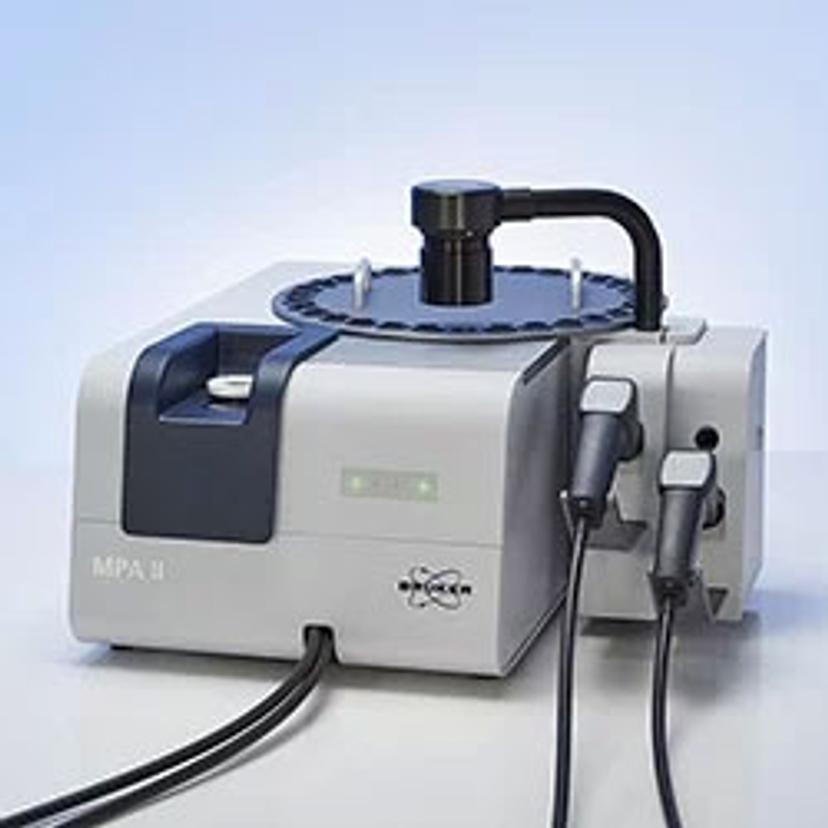
MPA II Multi Purpose FT-NIR Analyzer by Bruker Optics
MPA II Multi Purpose FT-NIR Analyzer

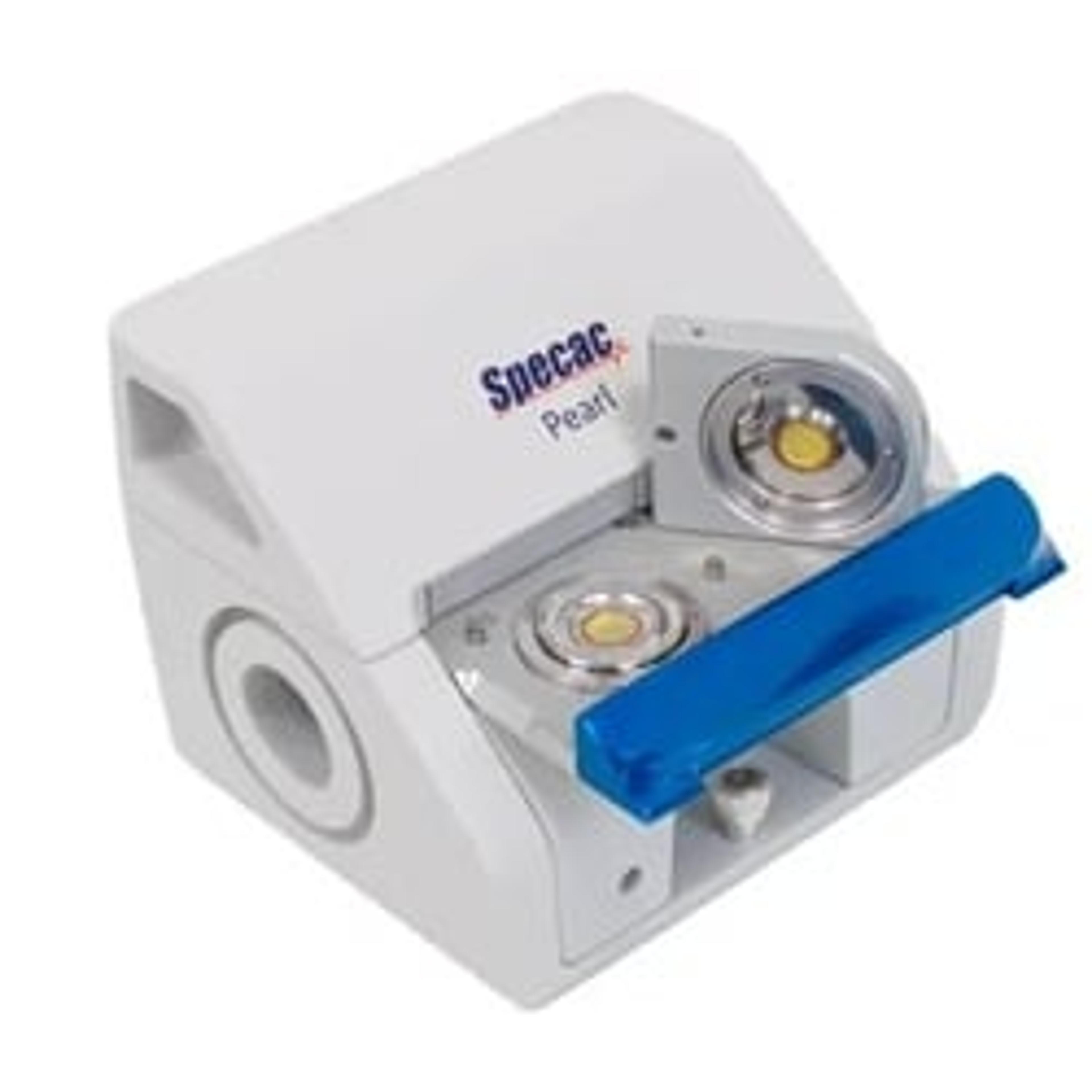
This application note describes a rapid method to determine purity and characterize the contents of dairy samples, using the Pearl™ liquid transmission accessory from Specac.
Download Guide>>

Master your daily QA/QC with FT-NIR spectroscopy

Learn more about the MPA II FT-NIR spectrometer from Bruker Optics, an ideal tool for the analysis of raw materials, intermediates and finished products along the food production chain.
Learn more>>

Your guidebook to proximate analysis

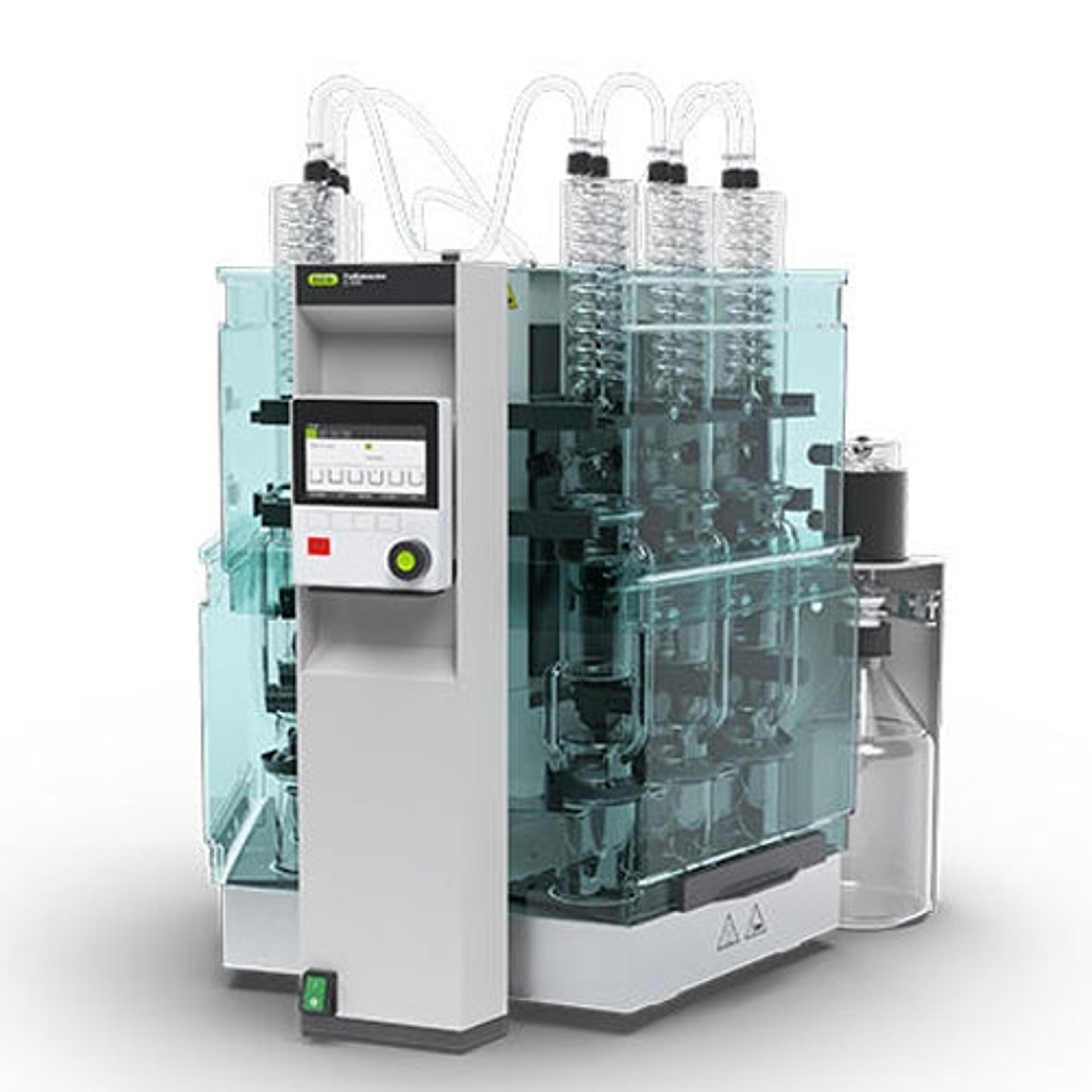
Proximate analysis is used to quantify macronutrients in food. Here, BUCHI shows a combination of extraction, Kjeldahl and NIR techniques used to determine protein fat, moisture, ash and carbohydrates.
Download Guide>>

How force testing ensures beer quality & shelf life
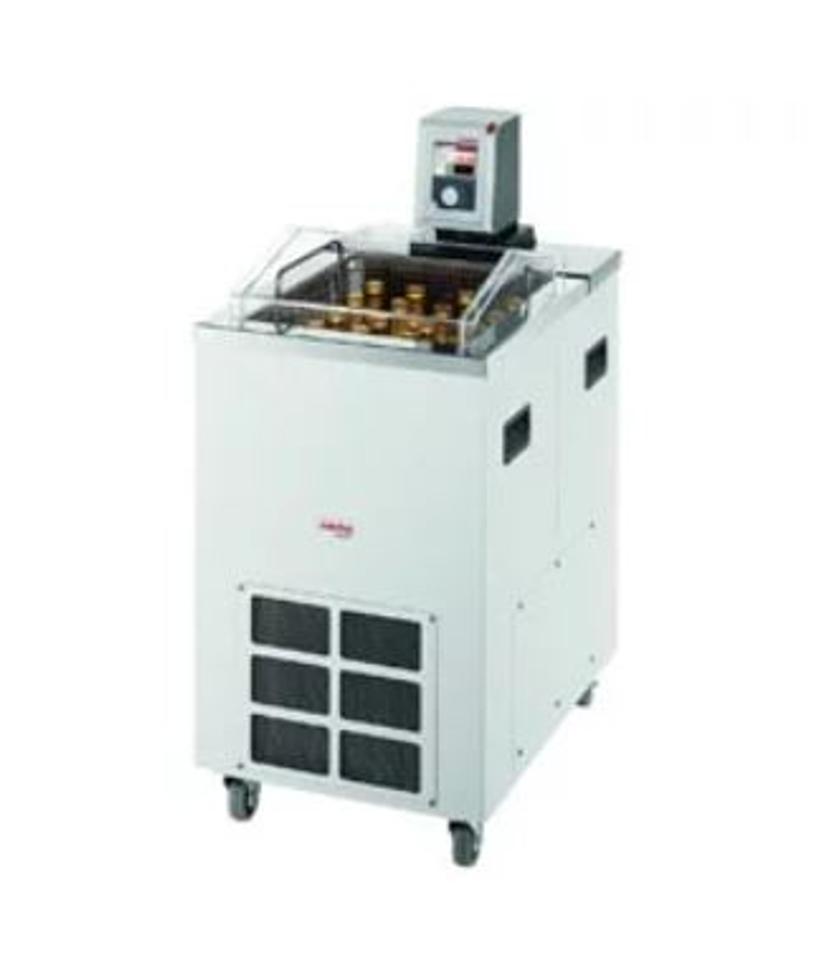
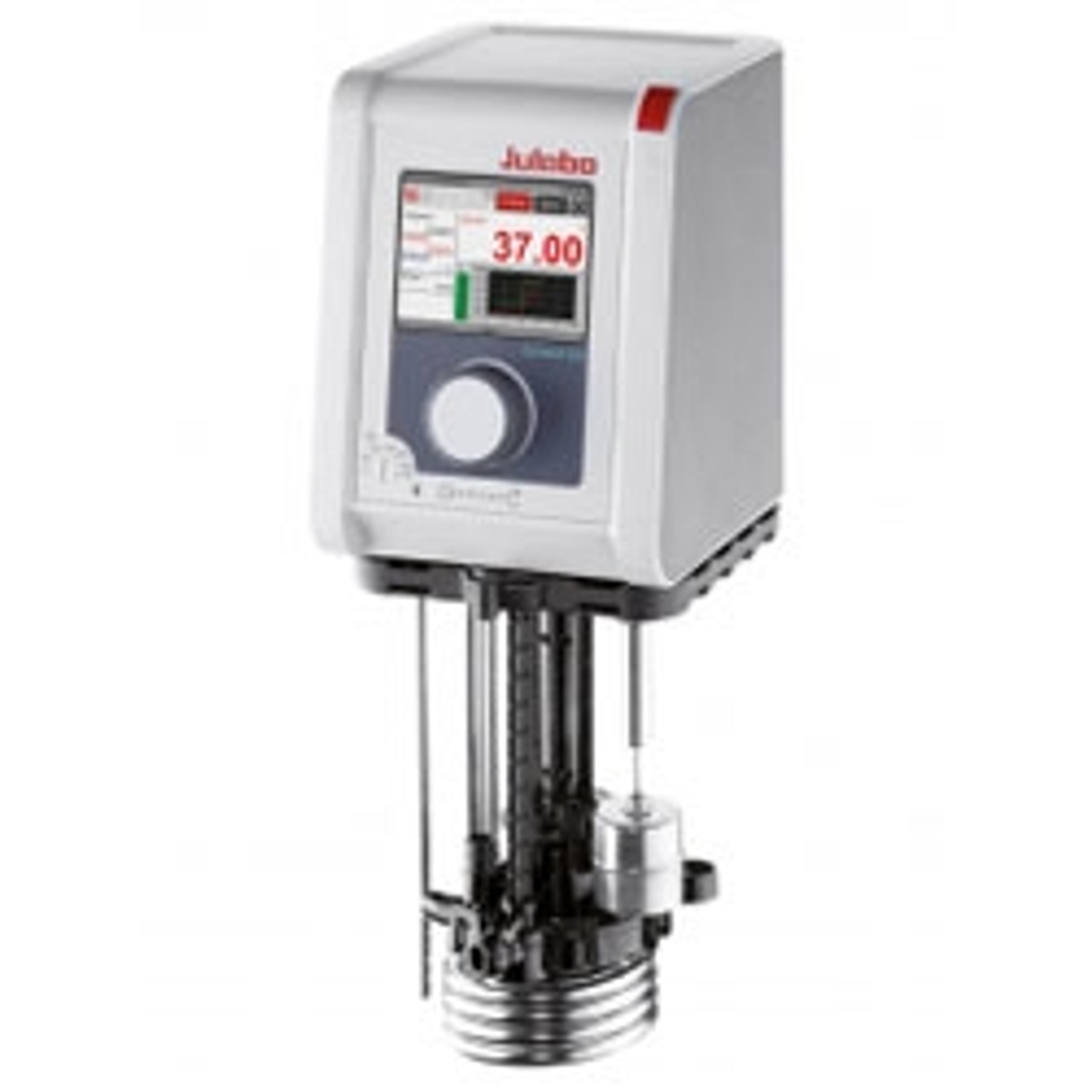
DYNEO DD-1001F-BF Forcing Test Refrigerated-Heating Circulating Bath by JULABO GmbH

Learn how the JULABO’s forcing test heating/refrigerated circulator determines the non-organic shelf life – hence, the expected lifetime of the beer in relation to turbidity – using an artificial hot-cold load.
Learn more>>

Fast and accurate spoiler monitoring

Is microbial contamination of juice-containing beverages ‘spoiling’ your day? Discover the Flow VIT® Alicyclobacillus test system from Sysmex, designed for fast, specific, accurate and automated detection of the beverage spoiling microorganism.
Download Guide>>

How to optimize workflows for sample prep & rapid analysis

Watch our on-demand webinar for insights on the latest LC-MS/MS technology that can be applied to food testing workflows to overcome common challenges, simplify sample prep, speed up analysis and minimize false reporting.
Watch Now>>

Related Food Quality Resources:

  • Future challenges in the food industry: By 2050, the world's population will grow to around nine billion people. In addition to increasing the amount of food produced, the demand for adequate food security will also increase and ensuring a high-quality level of food will become a global challenge of the 21st century. Experts from Analytik Jena in the areas of life sciences, sample prep and qPCR offer methods and solutions in our on-demand webinar. Watch now>>
  • How to buy Liquid Chromatography equipment: If you are looking to invest in liquid chromatography equipment, this essential guide provides you with all the information you need to make the right purchasing decisions. Learn about key factors and application considerations for your imaging needs. Plus, read reviews from your peers to help you buy with confidence. Download free eBook>>
  • Shared knowledge: Read reviews left by other food quality scientists to help you choose the best instruments for your lab or share your opinion to help your peers by writing your own review today. Read one of our latest reviews below by Angela Ritter from 100% Bottling Company about the MPA II FT-NIR spectrometer.
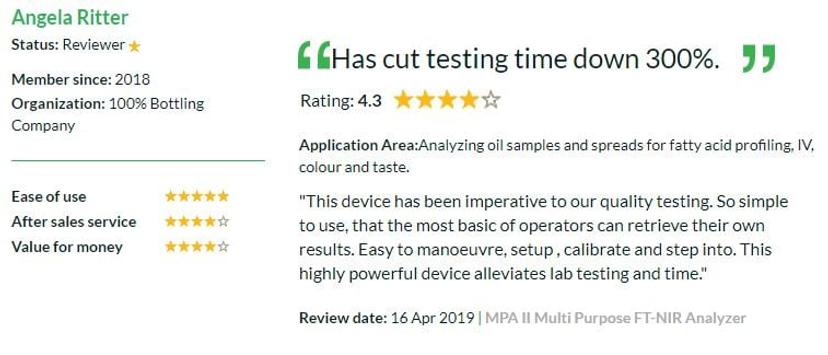
5 star review for the Resolvex™ A200 Automated ppSPE Workstation by Tecan

Visit our Food Quality special feature for more of the latest>>
Links

Tags

Gas ChromatographyGas chromatography (GC) is an analytical technique used to separate and quantitate mixtures of small and volatile compounds. Gas chromatographs or GC systems include components such as GC columns, detectors, pumps and autosamplers. Choose from packed or capillary GC columns, flame ionization (FID), photoionization (PID) electron capture detectors and selective or non-selective detectors. Find the best gas chromatographs in our peer-reviewed product directory: compare products, check customer reviews and receive pricing direct from manufacturers.UHPLC and HPLCHigh performance liquid chromatography (HPLC) and ultra high performance liquid chromatography (UHPLC), also known as UPLC, are analytical techniques used to separate, identify and quantitate components of complex mixtures including biological samples such as proteins and lipids as well as chemical mixtures of pesticides, drugs and oils. Both techniques are liquid chromatographic methods but differ by operating pressures (HPLC < 6000 psi < UHPLC ). Components of HPLC and UHPLC systems include columns, detectors, pumps, autosamplers and column heaters. Explore a range of UHPLC and HPLC columns for your specific sample needs including reverse phase, normal phase, ion exchange, HILIC, ion exclusion and size exclusion columns. For more specialized HPLC, explore FPLC, countercurrent LC and simulated moving bed systems. Find the best UHPLC and HPLC equipment in our peer reviewed product directory: compare products, check customer reviews and receive pricing direct from manufacturers.Infrared / IR SpectroscopyInfrared (IR) spectroscopy measures the interaction of infrared light with a sample, including transmission, reflectance & absorbance, facilitating the identification of analytes. Equipment used for quantitative analysis includes Fourier-transform infrared (FTIR) spectrometers, infrared cameras, FTIR gas analyzers, as well as attenuated total reflectance (ATR) accessories and pellet or film presses. Find the best IR spectroscopy products in our peer-reviewed product directory: compare products, check customer reviews and receive pricing direct from manufacturers.LC-MSLC-MS (liquid chromatography-mass spectrometry) systems and equipment are used for separation and quantitative analysis of complex mixtures, combining liquid chromatography and mass spectrometry. Quantify proteins, contaminants, pesticides or screen for drug metabolites with a high level of sensitivity. LC-MS systems and equipment include reverse phase, normal phase and specialized columns integrated with various MS detectors such as time-of-flight (TOF), quadrupole, orbitrap or ion trap mass analyzers. LC-MS/MS instruments equipped with a qTOF or triple quadrupole analyzer give greater sensitivity and resolving power to your analysis. Find the best LC-MS equipment in our peer-reviewed product directory: compare products, check customer reviews and receive pricing direct from manufacturers.Mass SpectrometryMass spectrometry (MS) is a powerful analytical technique used to identify and quantify molecules based on the mass-to-charge ratio of gas-phase ions. It provides detailed information about the structure, composition, and properties of compounds and is widely used across fields such as environmental monitoring, materials science, drug discovery and development, food and beverage testing, and wider chemical research. Key MS techniques include tandem mass spectrometry (MS/MS), liquid chromatography–mass spectrometry (LS-MS) and inductively coupled plasma (ICP-MS). Choosing from these wide range of techniques and technologies can be a daunting task, so keep up to date with scientific applications, performance expectations, and customer reviews here all in one place. Visit our product directory to receive quotes direct from the manufacturer. UV-Visible SpectroscopyUltraviolet-visible (UV-Vis) spectrophotometers are used to measure the interaction of UV and visible light with a sample, including transmission, reflectance & absorbance. The two major instrument classes are single-beam or double-beam spectrophotometers. More specialized equipment includes colorimeters, spectroradiometers and refractometers. Portable and microvolume spectrophotometers are also available. For the modular spectroscopy lab, explore a range of light sources for combination with a spectrograph/spectrometer and optics. Find the best UV-Vis spectroscopy products in our peer-reviewed product directory: compare products, check customer reviews and receive pricing direct from manufacturers.PCR and Thermal CyclingPolymerase chain reaction (PCR) kits and thermal cyclers are used for the in vitro amplification of DNA permitting subsequent analysis and experimental procedures. Explore a range of high-quality polymerase, primers and nucleotides or simplify your workflow with a PCR mastermix. Find reverse transcription PCR (RT-PCR) and cDNA synthesis kits for RNA products and libraries. Quantitatively measure the amplification of DNA with real-time PCR (qPCR) and droplet digital PCR (ddPCR) kits and systems, and discover automated PCR setup solutions to increase throughput. Alternative DNA amplification methods also include recombinase polymerase amplification (RPA) kits. Find the best PCR kits and thermal cyclers and purification equipment in our peer-reviewed product directory: compare products, check customer reviews and receive pricing direct from manufacturers.MicrobiologyMicrobiology is the study of microorganisms including protists, prokaryotes, fungi, and, often, viruses. Microorganisms are a useful research tool as genetic vectors and, in immunology, for antibiotic susceptibility testing, cellular biology and genetics. Microorganisms commonly grow readily in incubators with microbial culture media; this can contain chromogenic supplements to differentiate between cell lines. Estimate your culture’s density of microorganisms with colony counters, or screen and select colonies for desirable clones with automated colony pickers. Additionally, equipment is available to monitor environments for the presence of microbes and identify with microbial identification instruments. Find the best microbiology products in our peer-reviewed product directory: compare products, check customer reviews and receive pricing direct from manufacturers.Solid-Phase ExtractionSolid-phase extraction (SPE) is used for clean-up, extraction and concentration of semi-volatile or non-volatile analytes from complex mixtures including blood, urine and food samples. Multiple formats are available for conducting SPE, including prepacked SPE cartridges, disks and microplates, as well as SPE sorbent powders for manual packing. SPE systems can be used to automate the process and extract multiple samples at once. Solid-phase microextraction (SPME) and supported liquid extraction (SLE) products are also available in the same formats. Find the best SPE, SLE and SPME equipment in our peer-reviewed product directory: compare products, check customer reviews and receive pricing direct from manufacturers.pH and Conductivity MetersIon and pH meters, used for electrochemical techniques and measurements, measure the concentration of specific ions using electrodes (probes) and a meter. Features of ph and ion meters to consider include temperature compensation, auto-calibration, adjustable resolution, measurable range and accuracy. Meters can be handheld, portable, benchtop and modular.Next Generation SequencingNext-generation sequencing (NGS), also known as whole-genome sequencing, high-throughput sequencing and massive parallel sequencing, produces and analyses thousands to millions of nucleotide sequences at once. Sequencing systems operate via varying technologies depending on the manufacturer, including sequencing by synthesis, ligation, pyrosequencing, ion semiconductor and single-molecule real-time sequencing. For NGS, library preparation is paramount to successful sequencing. In this section, explore a range of library preparation kits, from targeted, amplicon-based or hybridization-based kits including epigenomic, transcriptomic and genomic workflows to fragmentation kits. Find the best next-generation sequencing products in our peer-reviewed product directory: compare products, check customer reviews and receive pricing direct from manufacturers.CalorimetryCalorimetry is a technique used to determine the heat released or absorbed in a chemical reaction. Calorimeters can be categorized into bomb calorimeters, constant pressure calorimeters, differential scanning calorimeters, isothermal titration calorimeters, X-ray microcalorimeters, heat-loss calorimeters, and high-energy particle calorimeters. The choice of calorimeter depends on the application.KjeldahlKjeldahl is an analytical chemistry technique for the quantitation of nitrogen in chemical substances. Applications of Kjeldahl include analyzing the protein content of food, nitrogen analysis in environmental sciences and the pharmaceutical industry and total kjeldahl nitrogen, nitrate and ammonia analyses in agricultural sciences.TitrationTitration is an analytical technique for determining substance concentration in a solution. For titration consider a manual or automated system, volumetric or coulometric reagent addition and indication by a potentiometer, spectrometer, turbidometer or by the Karl Fischer method. Other features of titration to consider include burettes, reagents, concentration range, reaction time and autosamplers.Food and Beverage AnalyzersFood and Beverage Analyzers are commonly used to provide information about the chemical composition, structure and physical properties of food materials.