Top new resources to advance your immuno-oncology research
Exclusive interviews, free downloads, the latest methods and much more to help support your immuno-oncology research
12 Nov 2020
Editorial article
As part of our new special feature, we've pulled together a selection of top new resources to help advance your immuno-oncology research. Discover the importance of robust methodologies for finding therapeutic antibodies, find out about the development of a knockout CRISPR-mediated gene editing capability, accelerate your pre-medical research with HLA-typed cells, and much more.

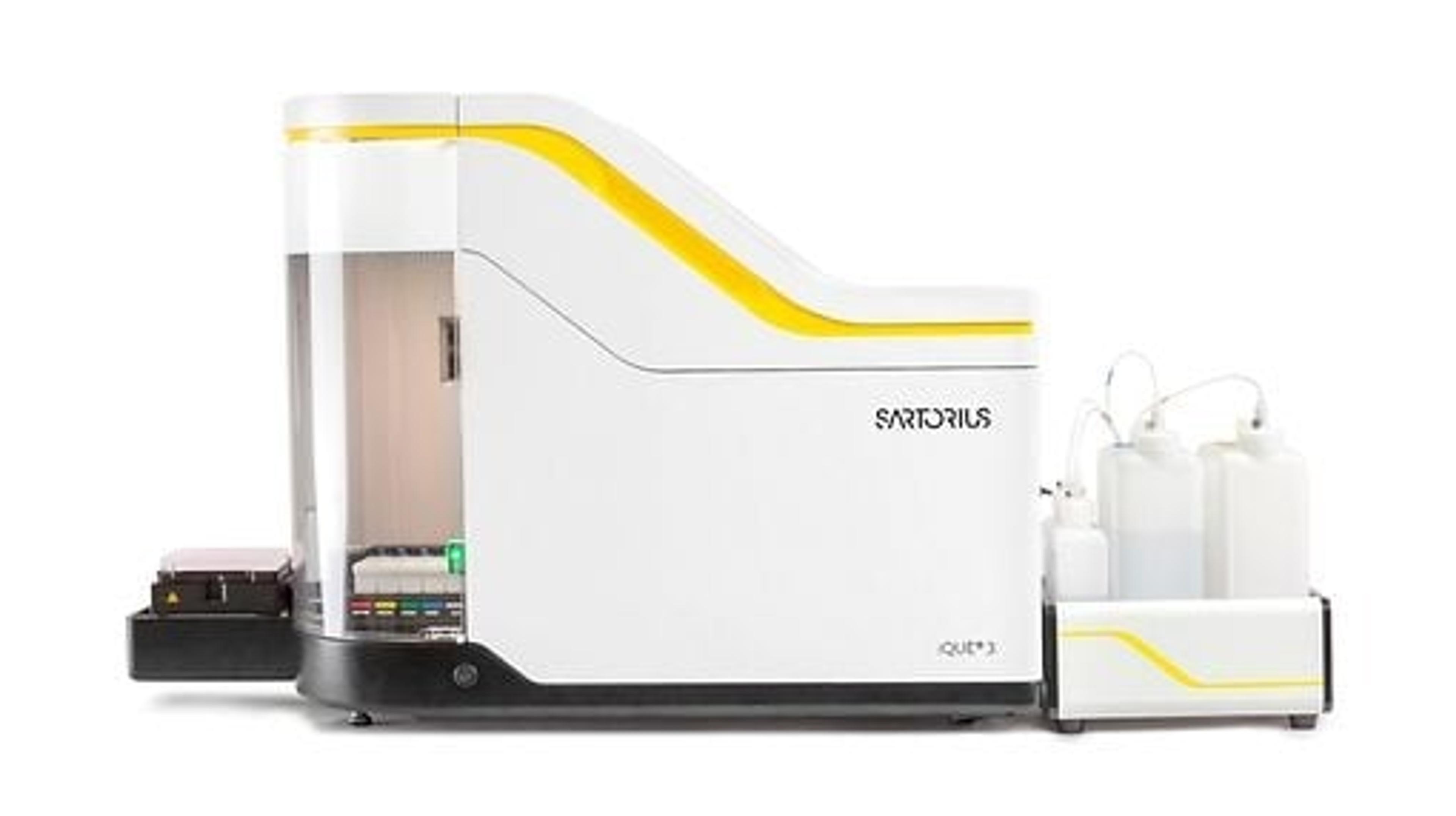
High-quality antibody generation for the immuno-oncology sector
Debby Kruijsen highlights the importance of high-throughput and robust methodologies, such as those provided by the iQue3 advanced flow cytometry platform from Sartorius, for finding ‘needle-in-the-haystack’ therapeutic antibodies.
The full potential of arrayed CRISPRko screening in Bregs
In this scientific poster, Horizon Discovery illustrates the development of a knockout CRISPR (CRISPRko)-mediated gene editing capability to investigate regulatory B cell (Breg) biology.
Evolution of neuronal & glial tau isoforms in CTE
Dr. Jonathan Cherry discusses his work using the Vectra Polaris imaging system from Akoya Biosciences to study the immune profile of brain tissue suffering from chronic traumatic encephalopathy.
Accelerate pre-clinical research with HLA-typed primary cells
Dr. Manish Kumar discusses human leukocyte antigen (HLA) genetics, typing, nomenclature, and applications in pre-clinical research, highlighting the broad range of high-quality HLA-typed cells offered by PromoCell.
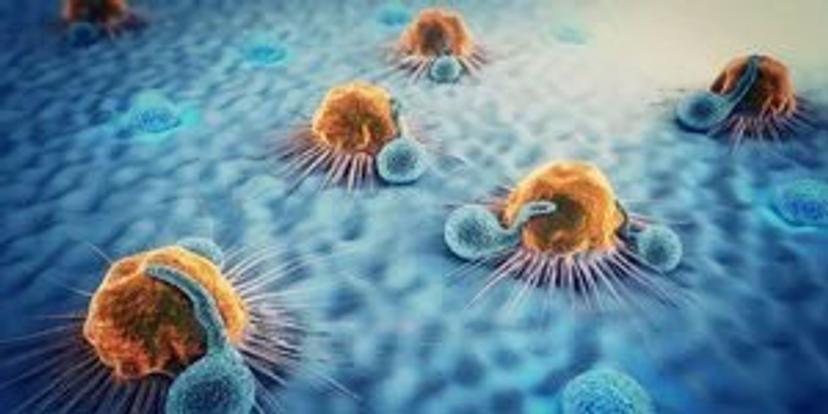
Rapid drug screening accelerates research for personalized medicine
Effectively identify, characterize, and evaluate engineered CAR T cells for cancer immunotherapy with this combined flow cytometry and impedance‑based real-time cell analysis workflow from Agilent Technologies.
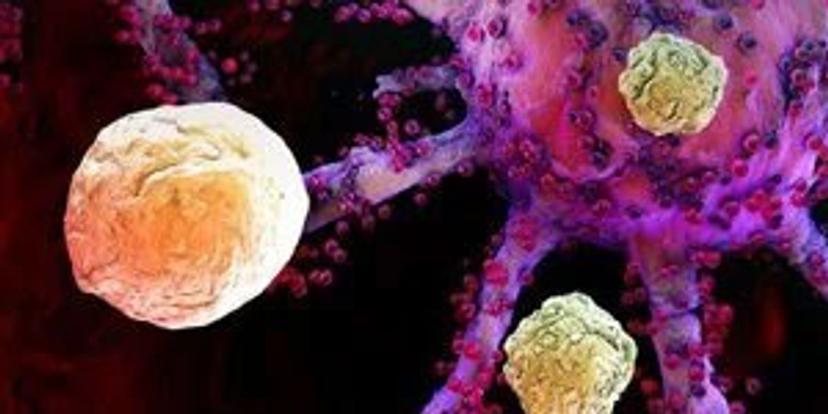
How to study potential targets for immunotherapy
This comprehensive guide from Bio-Techne details some of the current and emerging immune checkpoint molecules that are being investigated as potential targets for cancer immunotherapy.
More exclusive interviews:
- Predicting patient response to immunotherapy treatment: Dr. Ofer Sharon discusses a new cancer research platform designed to improve patient outcomes, cut costs, and minimize unnecessary adverse events. Read article>>
- Examining infiltrating helper T cells: Automated cell counting saves time for immuno-oncology experiments: Learn how one immunology lab upgraded its cell counter to discriminate cells in a mixed population and streamline viability counts. Read article>>
- A revolution in scientific collaboration: Dr. James Evans explains how his expert team helps other drug discovery companies grow and succeed, and highlights the power behind scientific collaboration, sharing ideas, and teaming up to win. Read article>>
Other resources in cancer research:
- Cell imaging technology: In this eBook, we provide useful resources to help simplify your choice when it comes to purchasing your next cell imager. Download eBook>>
- How to buy hematology analyzers and stainers: In this eBook, we present the different approaches to complete blood counts (CBC) and stained blood smear analysis, as well as important considerations to help guide your choice of instrumentation for the clinical hematology lab. Download eBook>>
- Gene modulation in primary human immune cells: In this upcoming SelectScience webinar, immunology expert Dr. Verena Brucklacher-Waldert, Horizon Discovery, will share successful strategies for the manipulation of genes within physiologically relevant human immune cells. Register for Free>>
Your recommendations:
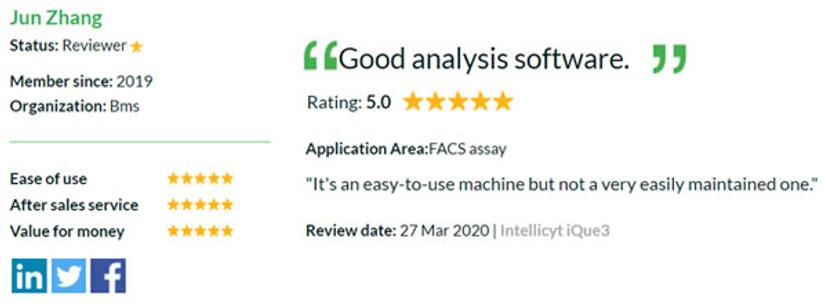
Take a look at what other researchers and scientists all over the world are saying about the latest equipment and technologies in cancer research. Jun Zhang shared their opinion on the Intellicyt iQue3 by Sartorius: