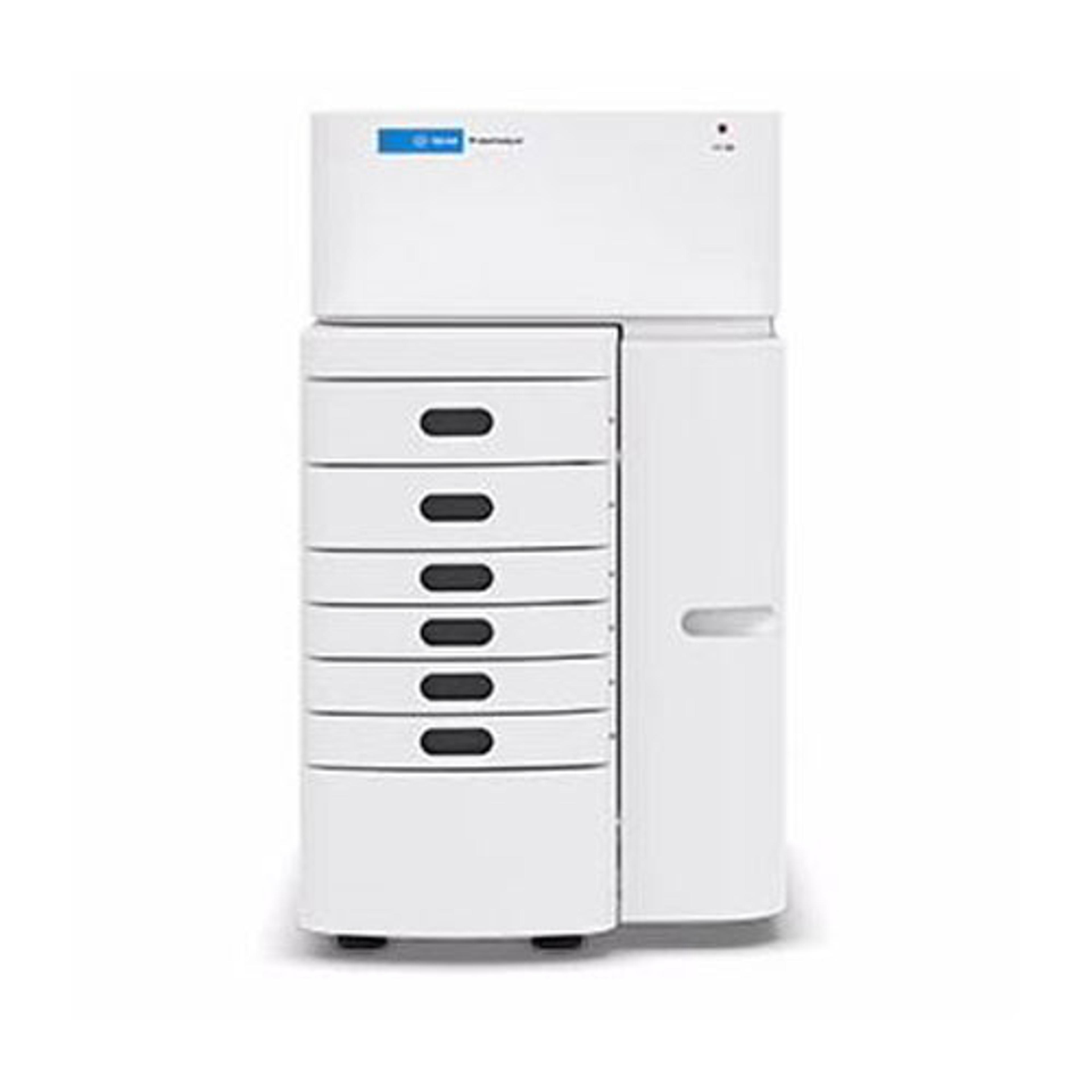
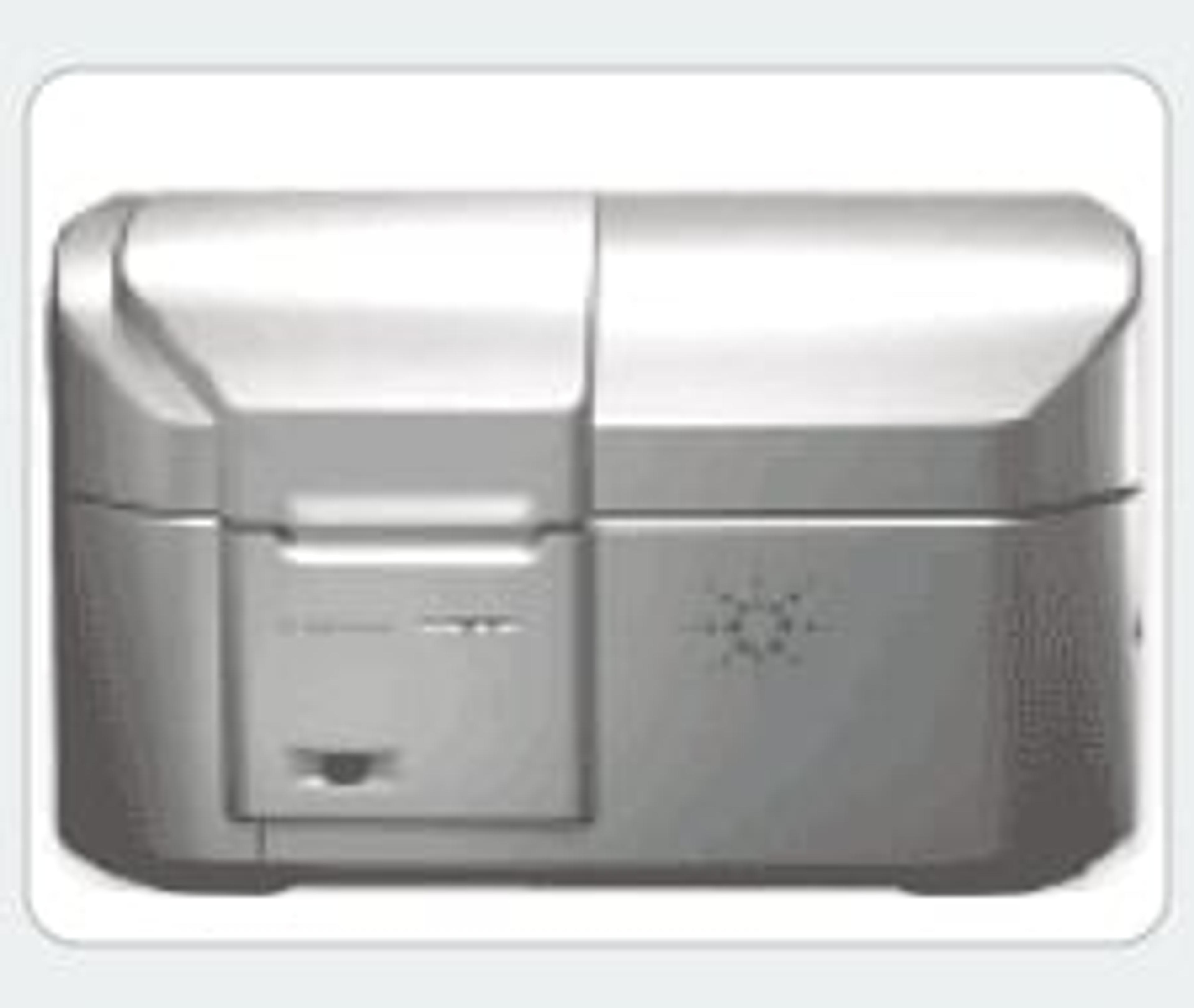
NovoCyte Quanteon Flow Cytometer
When exceptional performance meets simplicity.



Receive your quote directly from the manufacturer.
The equipment is easy to use, has several novel Flux cytometry possibilities.
Flow Cytometry (Oncology)
The machine provides an excellent sensitivity for the results.
Review Date: 16 Jan 2024 | Agilent Technologies
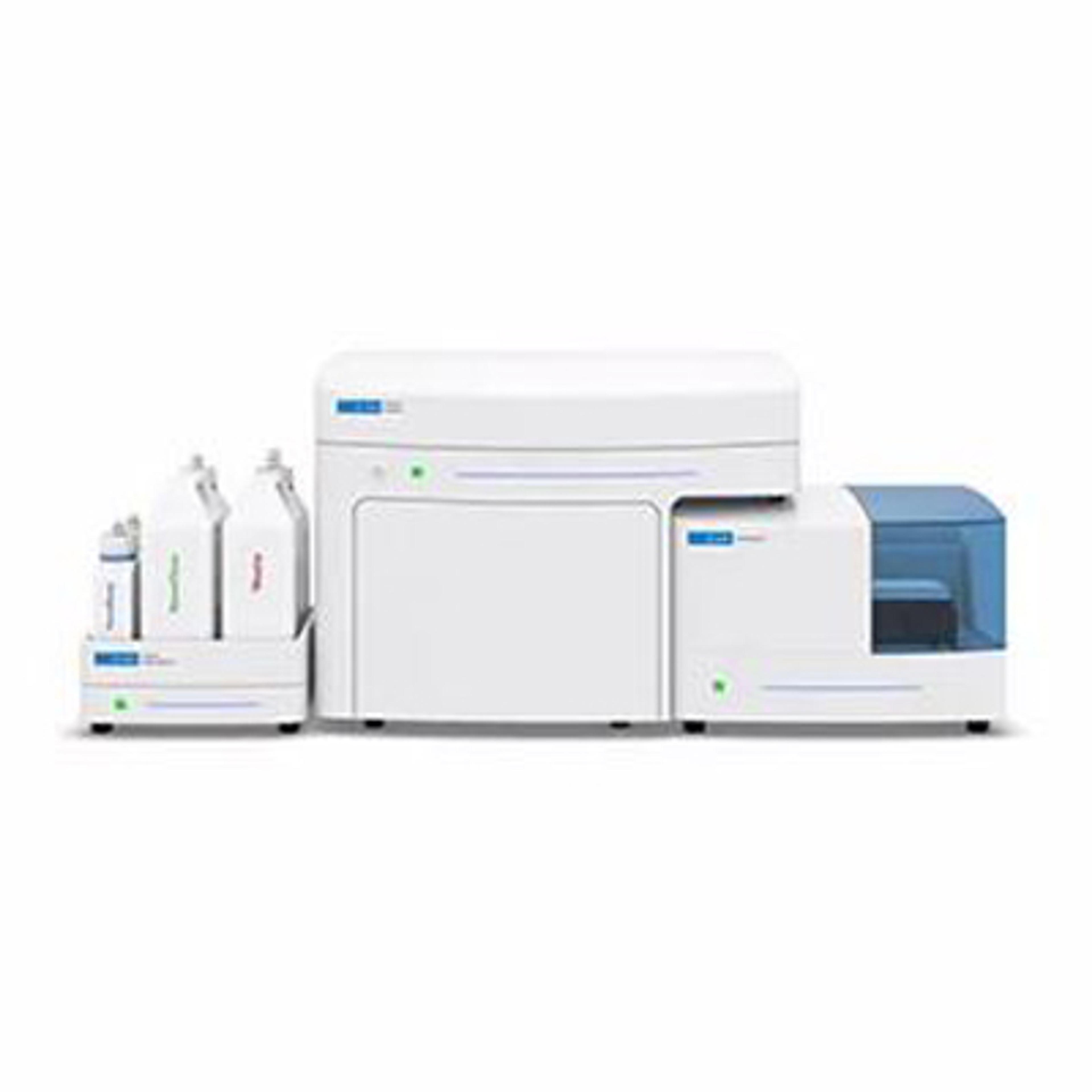
The NovoCyte Quanteon is a new generation in the successful line of NovoCyte flow cytometers. The Quanteon is a 4 laser flow cytometer that can be configured with up to 25 independent photomultipliers for meeting the most demanding sample panels. The proprietary photomultiplier technology employed in the Quanteon provides excellent sensitivity, stability, and a 7.2 log dynamic range. Very dim signals and very bright signals can all be captured and gated in the same view, therefore eliminating the need for laborious trial and error PMT tuning procedures.
When developing large color panels, the Quanteon saves hours of setup and analysis time. Excellent fluidics provide steady and consistent sample delivery, with high reproducibility and exceptionally low CVs. Absolute counts, without the use of expensive beads, will save you time and money.

Rewiring the metabolism of CAR-T cells
Join Professor Mercedes Rincon, University of Colorado Anschutz School of Medicine, as she discusses the groundbreaking advancements in adoptive T cell therapy, particularly chimeric antigen receptor (CAR) T cell therapy. While CAR-T therapy has achieved impressive complete remission rates in 60–90% of patients with relapsed/refractory B-cell acute lymphoblastic leukemia (r/r-B-ALL), challenges such as treatment failures and relapses remain significant obstacles.
Metabolism plays a critical role in T cell function, shaping immune responses. While glycolysis is essential for T cell expansion, it can restrict the self-renewal capacity of CAR-T cells during manufacturing. Mitochondrial respiration is vital for their survival and effectiveness. Recent findings have highlighted MCJ, a protein that negatively regulates mitochondrial function in CD8 cells. Loss of MCJ enhances mitochondrial respiration, cytokine secretion, and anti-tumor activity. Targeting MCJ to boost mitochondrial metabolism presents a promising strategy to enhance the efficacy of CAR-T cells and advance adoptive T cell therapies.
Key learning objectives
- Understand the current landscape of adoptive T-cell therapy
- Explain the role of metabolism in T cell function, highlighting the significance of glycolysis and mitochondrial respiration in enhancing CAR-T cell efficacy
- Identify the potential of MCJ as a therapeutic target to improve mitochondrial metabolism, cytokine secretion, and overall effectiveness of CAR-T cell therapies
Who should attend?
- Researchers and scientists specializing in CAR T-cell therapy, immunotherapy development, cell metabolism, glycolysis, and mitochondrial respiration.
Certificate of attendance
All webinar participants can request a certificate of attendance, including a learning outcomes summary, for continuing education purposes.

In process assessment of critical process parameters impacting CAR T-cell potency, metabolic fitness and phenotype
Chimeric Antigen Receptor (CAR) T-cell therapy has emerged as a promising therapeutic approach for several cancers. Despite the growing interest, the widespread use of CAR T-cell therapies has been restricted due to their high cost and the challenges that arise when compared with traditional methods for manufacturing and product QC. Developing sensitive and reliable analytics to characterize CAR-T products' critical quality attributes (CQAs) and tailoring the cell expansion process to achieve these CQAs provides tools for a more consistent manufacturing process.
Join Dr. Laurissa Ouaguia, Scientist, Reagents and Application Development, Agilent Technologies, as she discusses Agilent’s portfolio of cell analysis tools. She will also demonstrate how they can be applied during the production of CAR T-cells using the functionally closed and automated Lonza Cocoon® Platform for cell manufacturing. This approach provides a deeper understanding of the immune phenotype, metabolic fitness, and cytotoxic function of the CAR T-cells throughout the production, allowing for more informed process development.
Key learning objectives
- Explore the Agilent Seahorse XF Analyzer for real-time live-cell metabolic assay and the impedance-based xCELLigence RTCA eSight system for real-time immune cell killing potency assay.
- Understand how Agilent cell analysis platforms deliver reliable, reproducible, and sensitive analytics, providing a deeper understanding of CAR T-cells' immune phenotype, metabolic fitness, and cytotoxic function throughout the production in an automated cell manufacturing platform
- Discover how enhanced analytics can provide valuable tools for in-process analysis during CAR T-cell manufacturing, potentially shortening production timelines and reducing associated costs
Who should attend?
- Researchers and scientists specializing in cell therapy
- Experts in cell therapy analytics and process development
- Cell therapy manufacturing specialists
- Quality control (QC) professionals in the cell therapy field
- Professionals in the pharmaceutical and biopharmaceutical industries focusing on cell therapy
Certificate of attendance
All webinar participants can request a certificate of attendance, including a learning outcomes summary, for continuing education purposes.