Minimizing Spread of Infectious Disease in a Point-of-Care Hospital

How biological safety cabinets provide safety, durability and reliability for the medical treatment setting

27 Mar 2017

Sarah Thomas
Associate Editor

Editorial article

Learn how the design of your biological safety cabinet can help reduce contamination of clinical laboratory personnel

With patients being diagnosed and treated for infectious diseases at hospitals or medical centers, it is important that all possible precautions are taken to minimize the risk of contamination or exposure to clinical laboratory personnel. One way in which laboratories can help to control this risk is through optimized and reliable laboratory equipment, including biological safety cabinets.

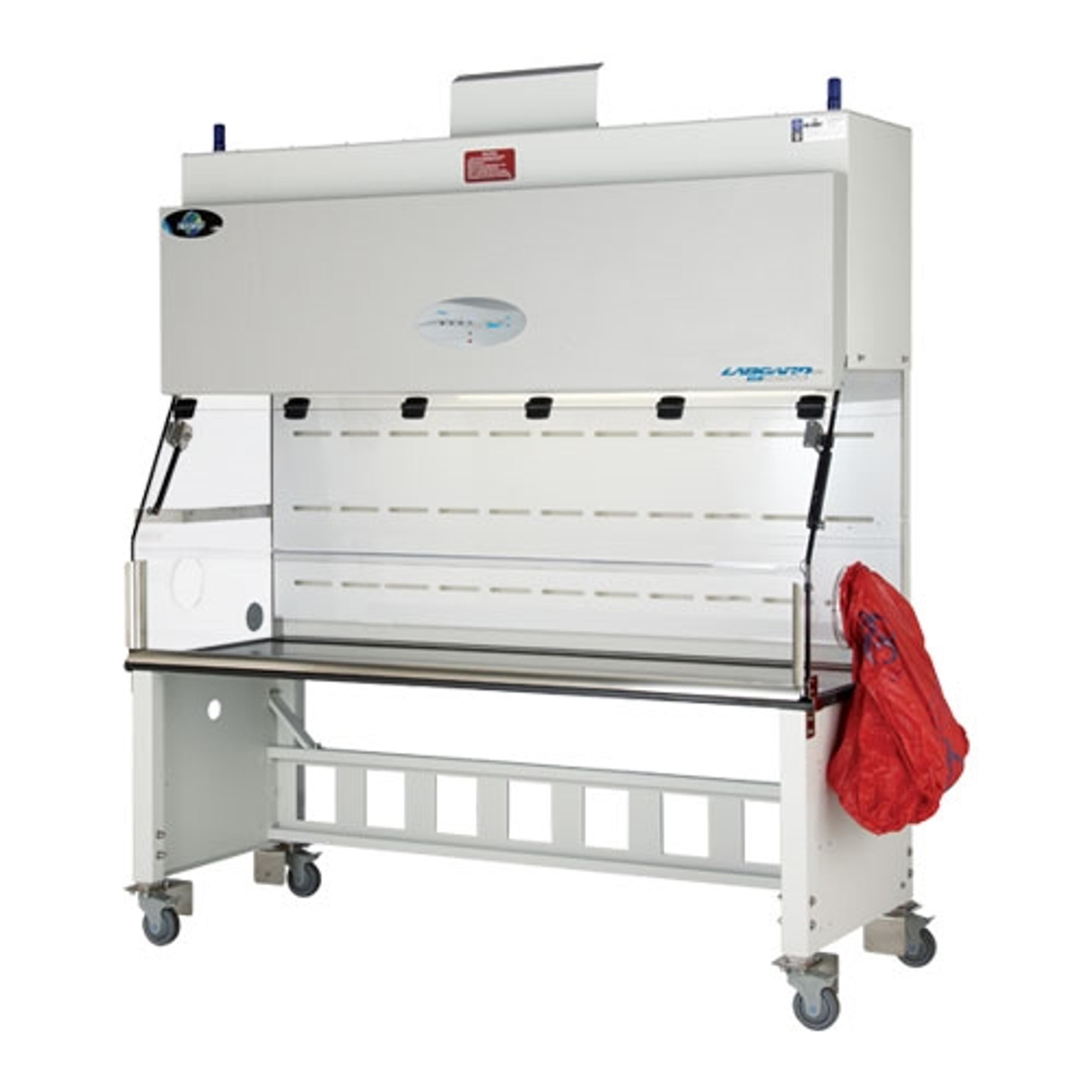
NuAire, Inc., has developed a range of biological safety cabinets to meet the needs of the point-of-care laboratory. The company’s LabGard biological safety cabinets can fit industry standard clinical analyzers and are built to minimize personnel exposure to infectious pathogens. Offered as fixed or mobile units, Nuaire’s biological safety cabinets can be built to your specification, come with an electronic cabinet control system, HEPA filtration to trap and strain out harmful bacteria and viruses, and the option to incorporate features such as ultraviolet light for added disinfection of the cabinet interior.

NuAire’s field technicians are also available worldwide to address any repairs or maintenance you may seek, a service which has been highlighted in the SelectScience® review below about the LabGard ES NU-440 Class II Biological Safety Cabinet.

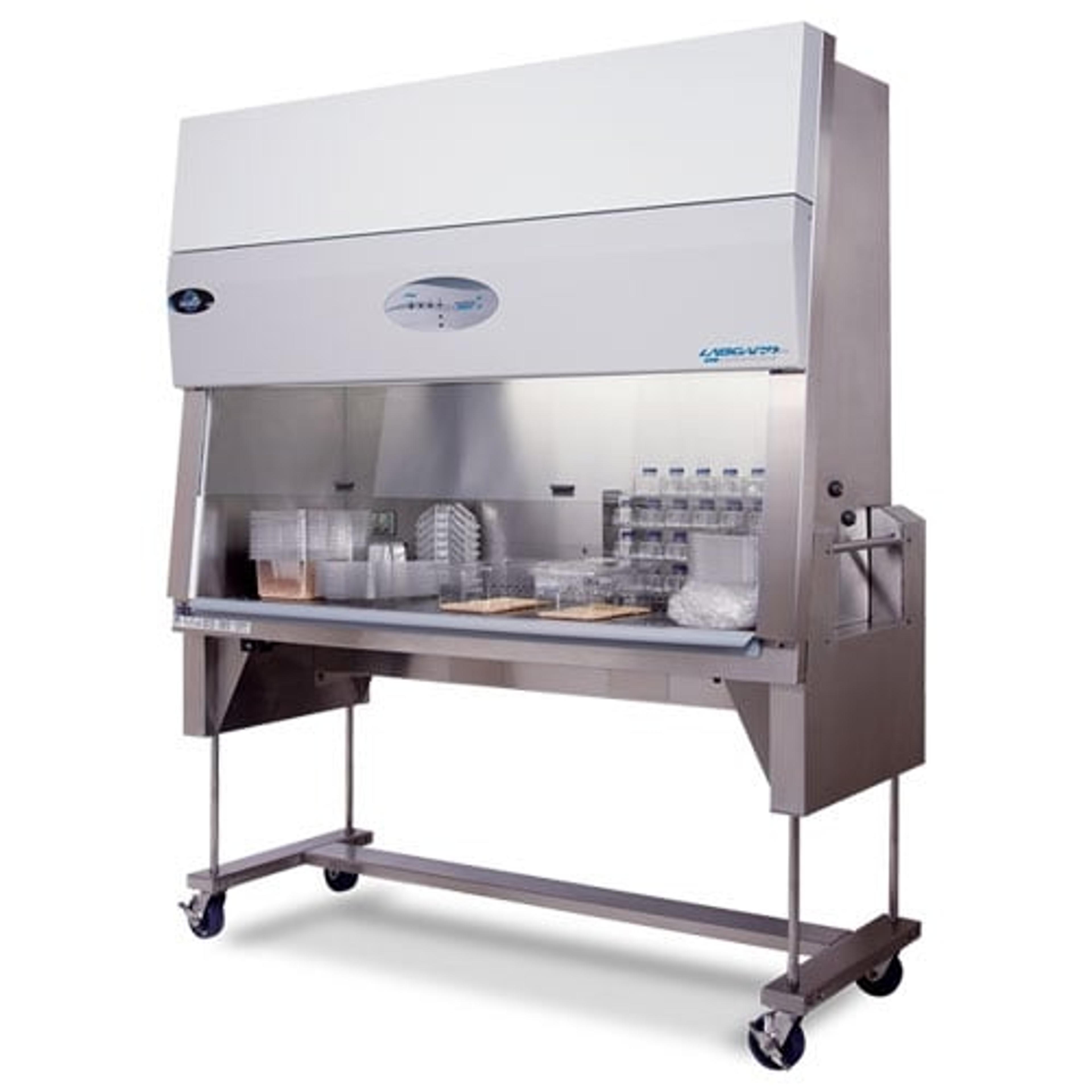
 

Learn more about the NuAire, Inc. LabGard biological safety cabinets available in the SelectScience product directory or write your own review about the cabinet you use.

Links

Tags

Point-of-CarePoint-of-Care Testing (POCT) or Near Patient Testing (NPT) products are available for urine, blood and other clinical chemistry analyses. POCT includes: blood glucose testing, blood gas and electrolytes analysis, rapid coagulation testing (PT / INR), rapid cardiac markers diagnostics, drugs of abuse screening, urine strips testing, pregnancy testing, fecal occult blood analysis, food pathogens screening, hemoglobin diagnostics, infectious disease testing and cholesterol screening.Clinical MicrobiologyMicrobiology is the study of microorganisms including protists, prokaryotes, fungi, and, often, viruses. Microorganisms are a useful research tool as genetic vectors and, in immunology, for antibiotic susceptibility testing, cellular biology and genetics. Microorganisms commonly grow readily in incubators with microbial culture media; this can contain chromogenic supplements to differentiate between cell lines. Estimate your culture’s density of microorganisms with colony counters, or screen and select colonies for desirable clones with automated colony pickers. Additionally, equipment is available to monitor environments for the presence of microbes and identify with microbial identification instruments. Find the best microbiology products in our peer-reviewed product directory: compare products, check customer reviews and receive pricing direct from manufacturers.Fumehoods and Biological Safety CabinetsFume hoods and biological safety cabinets are used to provide personnel, sample and environmental protection by limiting exposure to hazardous materials either by venting or enclosing hazardous sample space. Fume hoods include filtered and ductless fume hoods, general ducted fume hoods, laminar flow cabinets and cabinets for powder weighing. There are three classes of biological safety cabinet, dependent on the level of protection provided. Class I provide personnel and environmental protection, class II provide product, personnel and environmental protection. Class III provide the highest level of protection and are designed for use with high-risk biological agents. Other ventilated workspaces for the laboratory include glove boxes, glove bags, anaerobic and hypoxic workstations. Find the best fume hoods and biological safety cabinets in our peer-reviewed product directory: compare products, check customer reviews and receive pricing direct from manufacturers.Laboratory SafetyLaboratory safety is essential to the effective operation of all laboratories and is required to minimize the risk of harm during experiments. Guidelines, regulations, and equipment should be available in all laboratories to ensure that the working environment is safe and secure.Infectious DiseasesInfectious diseases are caused by pathogens such as bacteria, viruses, and fungi. Effective detection, prevention, and treatment are crucial to control outbreaks and improve public health. Diagnostic tools, vaccines, and antimicrobial treatments are essential components of managing these diseases. Research into emerging pathogens and resistance patterns continues to evolve. Browse our peer-reviewed product directory to find the best diagnostic tools, prevention solutions, and treatment options; compare products, read customer reviews, and get pricing directly from manufacturers.