Explore the latest technologies advancing materials characterization

From battery material research to real-time reaction monitoring, macromolecule analysis and more, advance your materials characterization with these free resources

22 May 2022

Carrie Haslam
Associate Editor

Editorial article

Top resources in Materials Characterization

We have entered a true materials revolution, where a growing demand for faster, cheaper, and higher quality materials is continuing to accelerate like never before. New technological developments and discoveries in the field have shaped the way we use, implement and study materials. Scientific advancements have enabled researchers to break down boundaries by developing more efficient solar panels, batteries, coatings and semiconductors, as well as highly sensitive 2D materials and, in continuing to comply with Moore’s law, faster transistors and smartphones to meet the ever-growing demands of the modern day.

In this new special feature, explore the latest technologies and download free resources to accelerate your materials research. Find out how to measure multi-angle transmission without sample repositing, and learn how XRF spectroscopy can be used to perform elemental composition analysis of cathode materials. Plus, explore how light scattering techniques can overcome challenges with macromolecule analysis, discover how Raman spectroscopy can be utilized in real-time reaction monitoring, and much more.
OPTICAL COMPONENT TEST:Measure multi-angle transmission and eliminate systematic errors

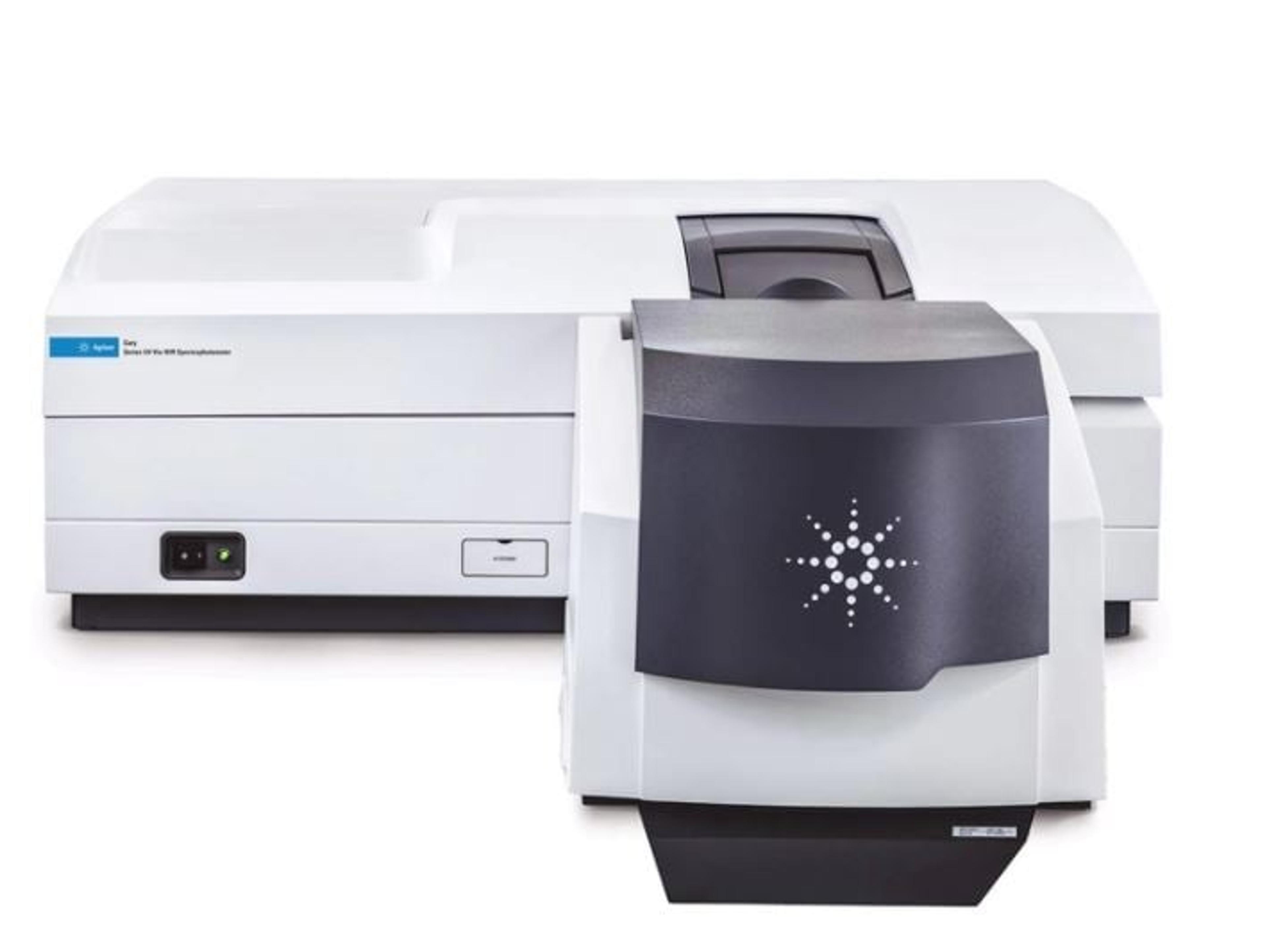
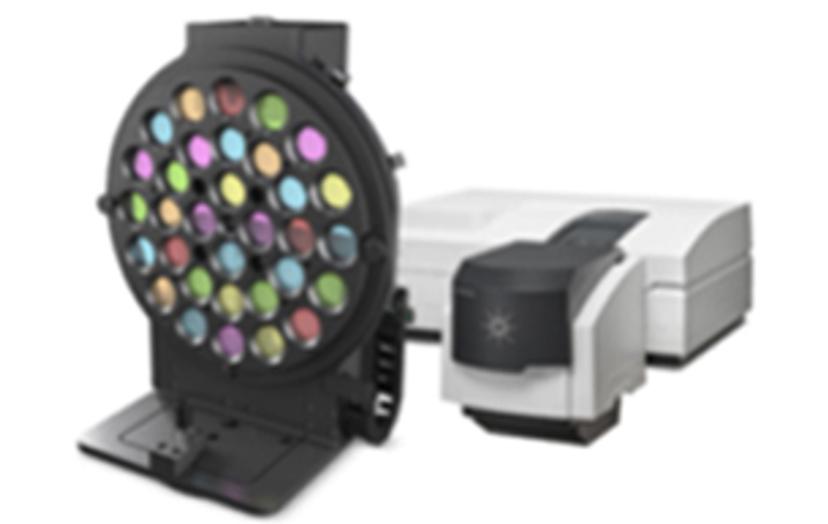
Manufacturers of multilayer optical coatings require reliable methods to measure optical performance. Discover the Cary 7000 UMS from Agilent, designed to measure multi-angle transmission and absolute reflection without sample repositioning.

Download method

X-RAY FLUORESCENCE: Perform elemental composition analysis of cathode materials

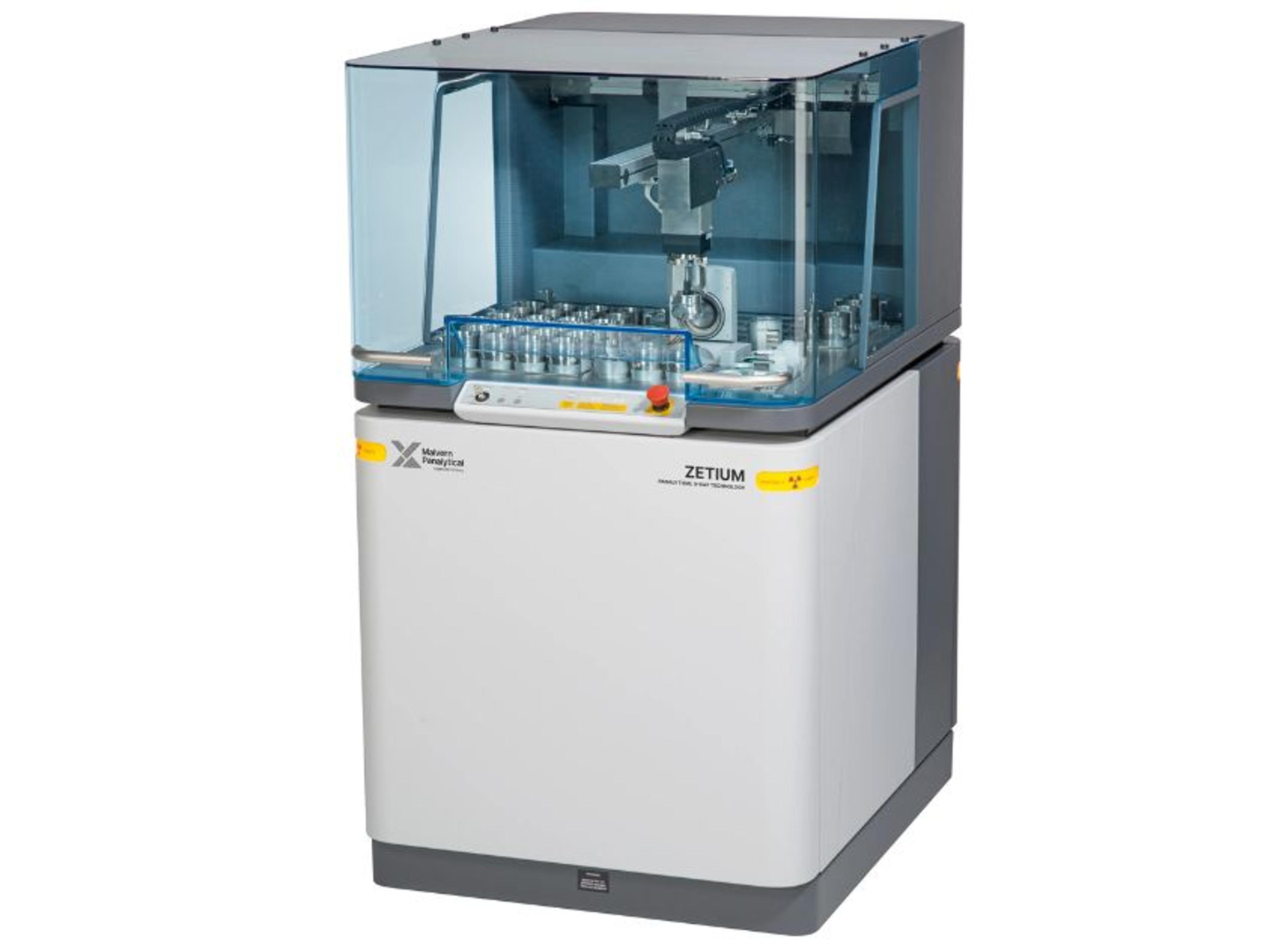
LiFePO4 (LFP) is a cathode used by the lithium-ion battery industry. Find out how XRF spectroscopy can be applied to effectively analyze LiFePO4 cathode manufacturing, from the raw material to the final product with Malvern Panalytical.

Download eBook

ONE SYSTEM FITS ALL: How to analyze macromolecules without compromises

In this video, discover how to overcome key challenges associated with the analysis of very small and large macromolecules with Tosoh, as they present the latest in light scattering hardware and software, to assist in all applications.
Watch video

RAMAN SPECTROSCOPY: Effective reaction advancement monitoring in real time

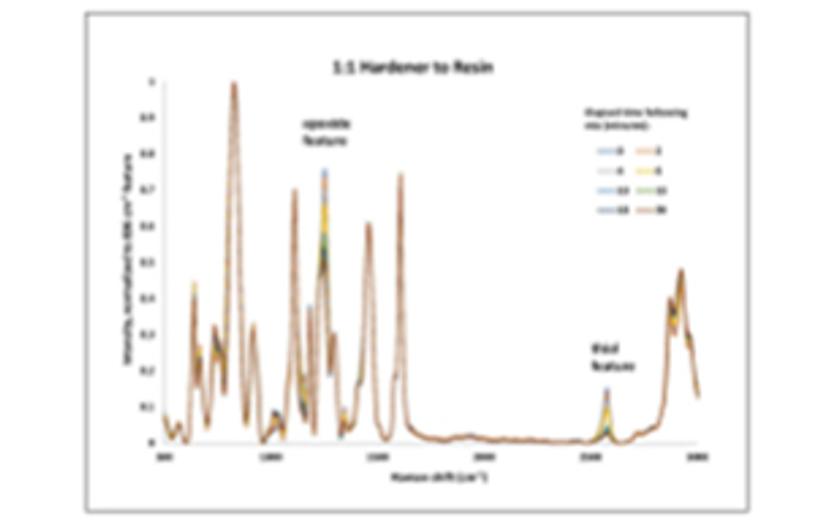
Epoxy refers to epoxy resins, both individual components and cured results. Discover how Raman spectroscopy can elucidate the details of the curing process in real time, and learn how this can be extended to other types of reactive processes, with Ocean Insight.

Download method

WEBINAR SERIES: Trends vs. hypes in atomic force microscopy

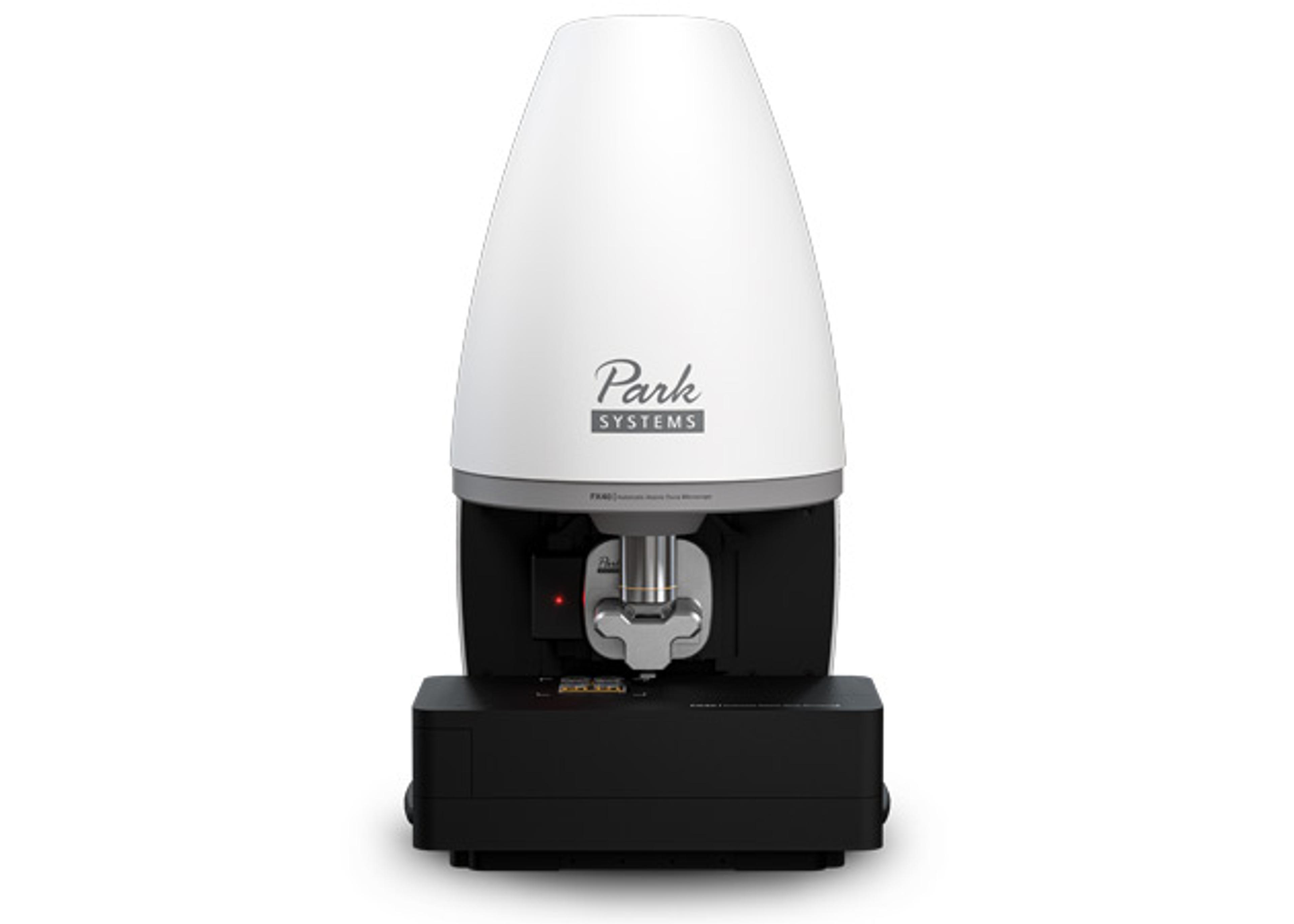
Nanoscience has become a fast-growing field of study with a tremendous impact on our lives. Watch this webinar series to discover the benefits of AFM, learn how to generate the best possible data, and explore key features to holistically address the state-of-the-art in AFM with Park Systems.

Register now

More resources for materials characterization:

Explore our new interactive atomic spectroscopy content hub, featuring inductively coupled plasma atomic emission spectroscopy (ICP-OES), inductively coupled plasma mass spectrometry, (ICP-MS), and inductively coupled plasma triple quadrupole mass spectrometry (ICP-QQQ).

In this exclusive buying guide, discover the key factors and application considerations when looking to buy new columns. Plus, read impartial reviews to gain insights from industry-leading professionals.

In this application eBook, we review the literature for some of the most advanced Fourier-transform infrared (FTIR) spectroscopy products, and explore cutting-edge research across a diverse range of fields.

Download this expert guide on the fundamental principles of preparative liquid chromatography (LC), and learn top tips on how to seamlessly scale-up and transition from analytical to preparative LC.

Your recommendations

Take a look at what other researchers and scientists all over the world are saying about the latest equipment and technologies in materials characterization. Here, Alan Aguirre-soto, professor at Monterrey Institute of Technology, shares his opinion of the QE Pro Spectrometer - High-sensitivity Spectrometer by Ocean Insight.
Alan Aguirre-soto review

Links

Tags

Fluorescence SpectroscopyFluorometers and spectrofluorometers (also called fluorescence spectrometers) are used to measure the intensity and wavelength of fluorescent light emitted from a sample after excitation by illumination. Spectrofluorometers utilize monochromators to select the desired wavelengths, whereas filter fluorometers employ a set of filters. Spectrofluorometers for measuring steady-state fluorescence and lifetime fluorescence (or time-resolved fluorescence) are available, as well as fluorescence microscopes and microplate readers. Find the best fluorescence spectroscopy products in our peer-reviewed product directory: compare products, check customer reviews and receive pricing direct from manufacturers.NMR and EPR SpectroscopyNuclear magnetic resonance (NMR) spectroscopy is used to resolve the local chemical environment of atomic nuclei with spin, revealing information on molecular structure, dynamic processes and chemical reactions of organic molecules, from proteins to synthetics. Electron paramagnetic resonance (EPR) also known as electron spin resonance (ESR) spectroscopy is used to detect and quantify paramagnetic species in a sample, including free radicals as transition metal ions. By immersing the sample in a strong magnetic field, both NMR and EPR spectrometers probe the sample with either radio waves or microwaves respectively. A range of benchtop, solid-state and time domain NMR spectrometers & EPR spectrometers are available, as well as NMR tubes, NMR solvents, software, coils, and magnets. Find the best NMR & EPR equipment in our peer-reviewed product directory: compare products, check customer reviews and receive pricing direct from manufacturers.Raman SpectroscopyRaman spectroscopy is used to discern the vibrational and rotational states of molecules and hence the chemical composition of a sample by measuring the inelastic scattering of monochromatic light. Explore a range of Raman spectrometers, including handheld/portable Raman spectrometers for QC/QA labs and in situ spectrometers for processes. Conduct Raman imaging for microanalysis of mixed samples using a Raman microscope. Raman spectrographs are also available. Find the best Raman spectroscopy products in our peer-reviewed product directory: compare products, check customer reviews and receive pricing direct from manufacturers.X-Ray Diffraction and SpectroscopyX-Ray diffraction & spectroscopy are used in material characterization to discern the structure and elemental composition of a sample. X-Ray diffractometers (XRD) are superior instruments in elucidating the dimensional atomic structure of crystalline materials, including powders, thin films and single crystals. For large unit cells or ordered macromolecules, consider small-angle X-ray scattering (SAXS). X-ray spectroscopic techniques include X-ray fluorescence (XRF) and X-ray photoelectron spectroscopy (XPS), both providing simple and accurate methods for determining the elemental composition of a material. Energy dispersive (EDXRF) and wavelength dispersive (WDXRF) XRF spectrometers are available, as well as handheld/portable devices. High-resolution, 3D microstructure characterization of materials can be achieved with X-ray microscopes combining sub-micron resolution imaging with 3D computed tomography. Find the best XRD and XRF spectrometers in our peer-reviewed product directory: compare products, check customer reviews and receive pricing direct from manufacturers.Reaction MonitoringPolymeric MaterialsPolymeric materials are widely used in industries ranging from biomedical devices to packaging and electronics. Research into these materials focuses on their properties, including strength, flexibility, and degradation. Advances in polymer science have enabled the development of more sustainable and high-performance materials. Explore the best polymeric material products in our peer-reviewed product directory; compare products, check reviews, and get pricing directly from manufacturers.FTIR PelletsX-Ray FluorescenceX-ray fluorescence (XRF) is an analytical technique used to determine the elemental composition of materials. It is widely used in geology, materials science, and environmental testing for detecting heavy metals and other elements. Browse our peer-reviewed product directory to find the best XRF systems, compare products, check reviews, and get pricing directly from manufacturers.BatteriesSpectroscopySpectroscopy is a technique that analyzes the interaction of light with matter to study molecular properties, concentrations, and structural information. Widely used in chemical, pharmaceutical, and environmental analysis, spectroscopy offers insights into molecular composition and helps identify unknown compounds. It plays a key role in quality control, research, and diagnostics. Browse our peer-reviewed product directory to compare spectroscopy tools, read reviews, and get prices directly from manufacturers.SemiconductorsAFMNanomaterialsNanomaterials such as carbon nanotubes, fullerenes and nanoparticles are a group of materials that measure between 1-1000nm for a single unit. Analysis techniques include AFM, electron microscopy and super resolution microscopy.Solar EnergyHPLCHigh-performance liquid chromatography (HPLC) is a technique for separating, identifying, and quantifying components in mixtures. It is widely used in chemical, pharmaceutical, and environmental analysis to ensure purity and identify unknown compounds. Explore the best HPLC systems in our peer-reviewed product directory; compare products, read reviews, and get pricing directly from manufacturers.