
Discover the Latest Technologies and Methods for Cell-Based Assays and In Vitro Analysis
New application notes, videos and product
10 Aug 2015
Editorial article
New application notes, videos and product
Learn about innovative methods for analyzing 3D tumor invasion and cytotoxicity, and discover how atmospheric control can benefit your long-term assays.
1. APPLICATION NOTE: Assessing Drug Residence Time and Anti-Metastatic Effects of CXCR4 Inhibitors Through Kinetic Ligand Binding and 3D Tumor Invasion
The expression of chemokine receptors, such as CXCR4 and CCR7, is tightly correlated with the metastatic properties of breast cancer cells. This study demonstrates the use of the Synergy™ Neo and Cytation™ 5 Cell Imaging Multi-Mode Readers to provide PMT-based assessment of drug-target residence time of various CXCR4 inhibitors, as well as automated image-based monitoring of tumor invasion through a basement membrane matrix. Download method.
2. PRODUCT: Pall ForteBio Launches the Octet® K2 System, Increasing Access to Sensitive Binding Interactions Analysis
Pall ForteBio LLC announced the launch of the Octet K2® system, a new entry point into the Octet line of label-free interaction analysis systems. Now available globally, the Octet K2 system offers high-performance, budget-friendly kinetic characterization of antibody, protein and small-molecule binding interactions. Read more.
3. APPLICATION NOTE: Multiparametric Analysis of Cytotoxicity using Cell Imaging in Combination with Luminescence
During the drug development process, where cytotoxicity remains one of the major causes of drug withdrawal, there is an urgent need for reliable and time-saving assay workflows that gain a more complete picture of the effects of cytotoxicity. This application demonstrates how multiparametric analysis of cytotoxicity can be easily performed on the EnSight™ Multimode Plate Reader. The study shows brightfield confluency analysis to serve as a robust indicator for toxicity in adherent cells in labeled or label-free cell-based assay. Download method.
4. APPLICATION NOTE: New CLARIOstar® Atmospheric Control Unit for Versatility in Long Term Cell-Based Assays
This application note demonstrates how CLARIOstar®'s new Atmospheric Control Unit (ACU) allows time- and dose-dependent compound effects on cell proliferation and cytotoxicity to be measured directly in the cell culture. Download method.
5. PRODUCTS: Top Microplate Readers as Reviewed by You
Discover some of the top rated microplate readers as reviewed by SelectScience members. Read what your scientific peers think about the equipment they are using and which products they recommend. Read more.
6. VIDEO: Standardizing Secondary Phenotype Image Analysis with PerkinElmer’s High Content Profiler
Dr. Christopher Hale from Amgen is committed to unlocking the potential of biology for patients suffering from serious illnesses by discovering, developing, manufacturing and delivering innovative human therapeutics. In this video, Dr. Christopher Hale advocates the use of PerkinElmer’s High Content Profiler which enables him to standardize his workflow, run quality control on data sets, run principal component analysis and much more. He also discusses how his work is made possible thanks to PerkinElmer’s Operetta and Opera Phenix high content screening systems, which are both easy-to-use and suited to long term assays and confocal imaging. Watch video.
7. APPLICATION NOTE: Phenotypic Screening and In Vitro Toxicology: Applications of Far‐Red Fluorescing DNA-Specific Anthraquinones in Cell‐Based Assays
This application note demonstrates a number of applications of Fluorescein-/GFP-compatible dyes, in particular DRAQ5 and CyTRAK Orange. The particular spectral and chemical features of DRAQ5 and CyTRAK Orange mean they are compatible with aqueous media and fixatives. Conveniently, they are supplied in aqueous solution and can be applied as the final step in a sample preparation. They have become standard reagents for immunofluorescence microscopy, flow cytometry and high content imaging. Download method.
8. PRODUCT: Highly Efficient ChIP Assay Kit for FFPE Samples
Chromatrap®, a business unit of Porvair Sciences, has introduced a new Formaldehyde Fixed Paraffin-Embedded (FFPE) ChIP Kit which overcomes the widely acknowledged shortfalls of the technique. The new Chromatrap® FFPE ChIP kit works equally well with high or low abundant marks and provides sufficient DNA to perform library preps for ChIP-seq assays. Read more.
Have you used any of these products? Share your experiences and write a review today!
Related products
Request Quote for All Products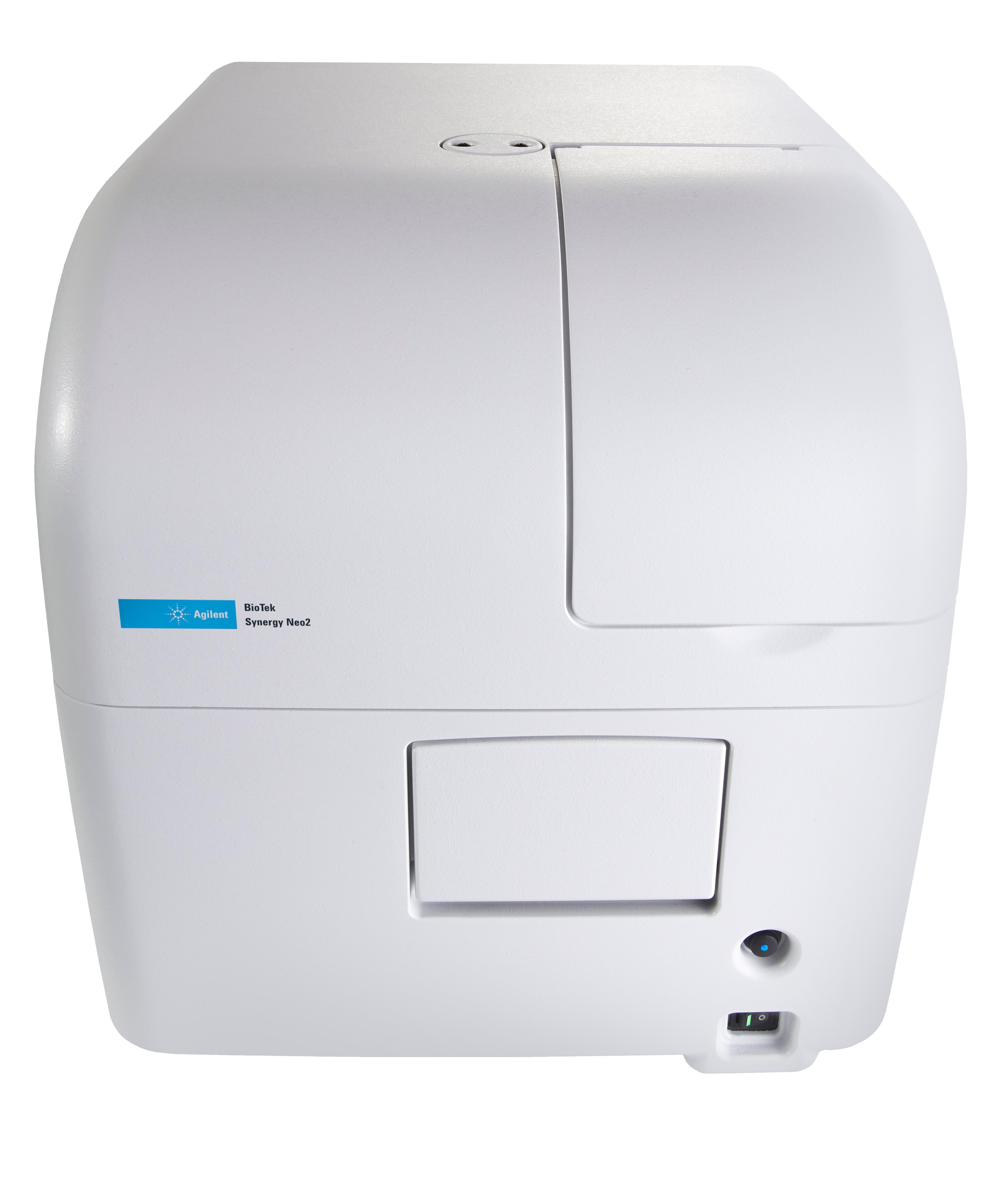
Agilent BioTek Synergy Neo2 Hybrid Multimode Reader
Agilent TechnologiesAgilent BioTek Synergy Neo2 multimode microplate reader features proprietary Hybrid Technology, with independent optical paths that ensure excellent performance in all detection modes. Variable bandwidth quad monochromators, sensitive high transmission filter-based optics, laser TRF, and up to 4 PMTs provide ultrafast measurements.
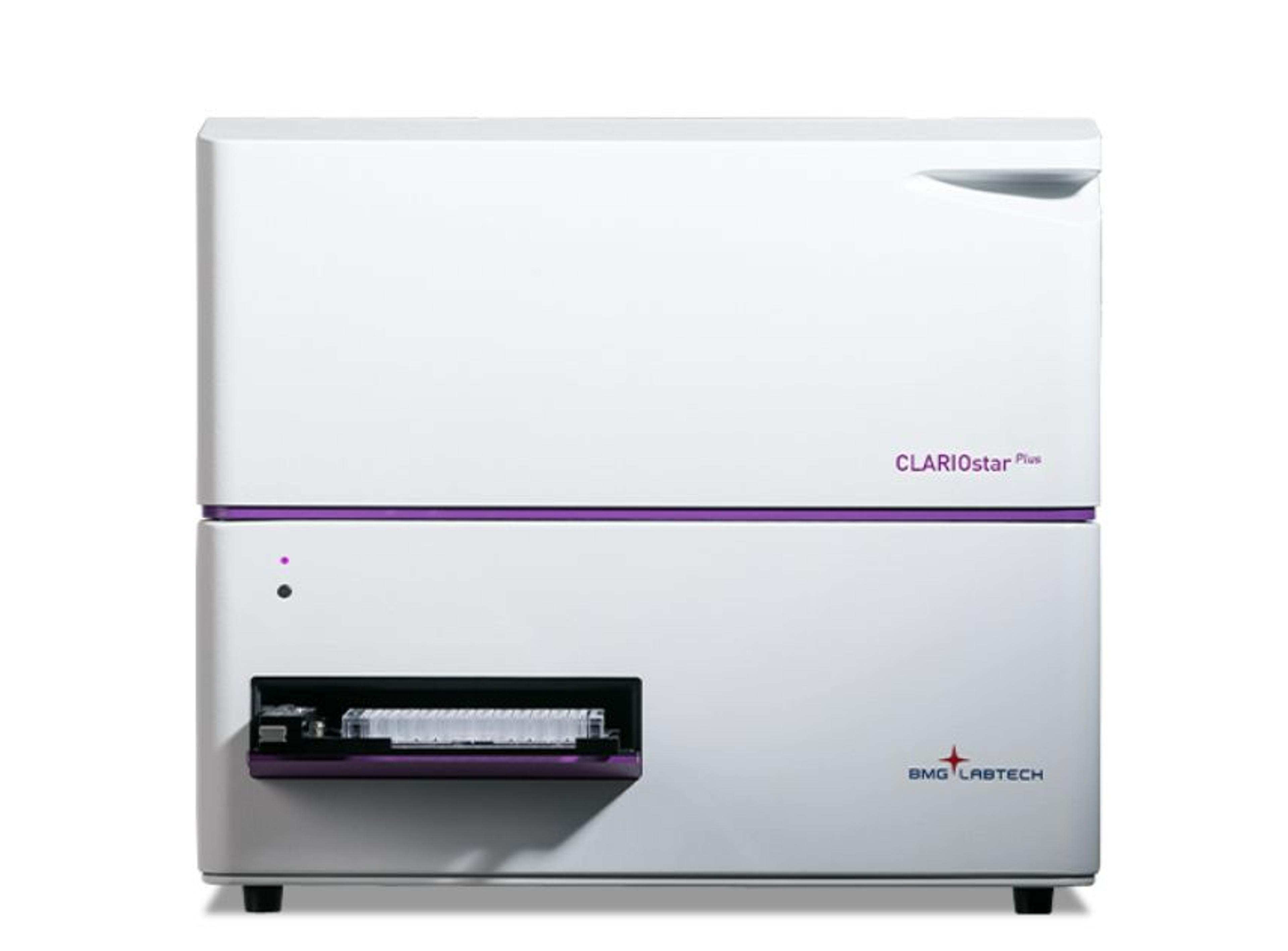
CLARIOstar® Plus Multi-mode Microplate Reader
BMG LABTECHMost flexible Multi-mode Microplate Reader for Assay Development
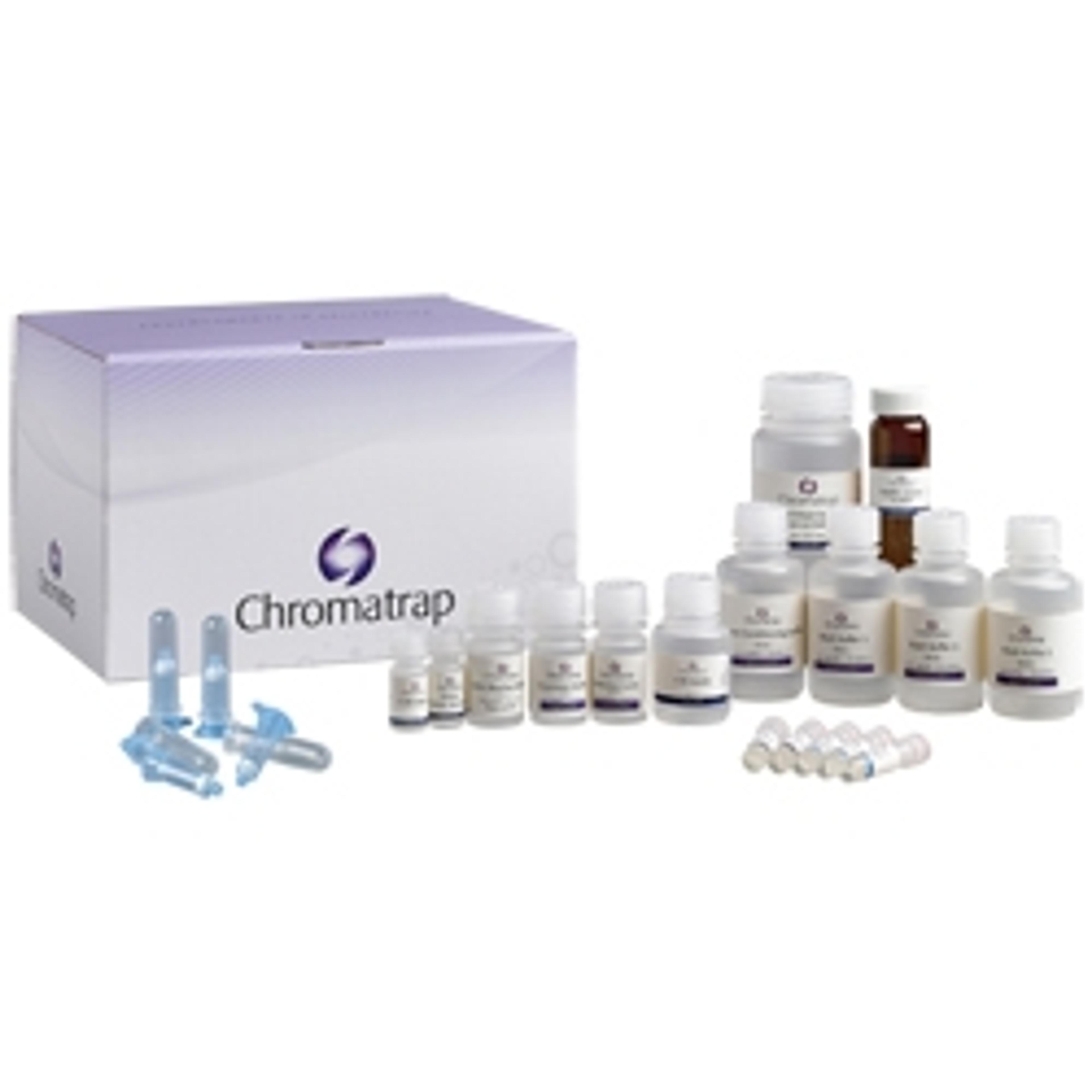
Chromatrap® FFPE ChIP Kit
ChromatrapEpigenetic identification and targeting in clinical FFPE tissues is a crucial step for potential epigenetic therapeutics and personalized medicine therapies. FFPE is a standard method to archive and preserve medical tissue biopsy samples. These archives, kept in many hospitals world-wide, are a huge, rich and untapped sample resource for genetic research. Due to the cross-linking of proteins by formaldehyde, FFPE tissues present a particular challenge for ChIP analysis. In addition, the small size and delicate nature of the tissue, and the difficulty in extracting samples from paraffin, used to provide tissue support after preservation, can damage complex cellular complexes such as chromatin. ChIP assays from these samples have therefore proved time consuming and difficult. Chromatrap® FFPE ChIP kit overcomes these issues and provides the following benefits: Provides greater flexibility and more IPs per sample Works across a range of FFPE samples, human and animal Available in 96-well plate or spin column format Works equally well with high and low abundant marks Provides sufficient DNA to perform library preps for ChIP-seq assays