
Beverage filterability testing: Striking the right balance
Explore how the latest balance technology from Sartorius can be used for quality assurance in the food and beverage industry
21 Feb 2022
Editorial article

Beverage filtration is an essential component of production workflows, particularly for wine and beer, but also for wide-ranging liquid products such as vinegar and mineral waters. The final stages of production immediately prior to bottling are especially critical since they may involve sterile filtration with membranes which are prone to clogging if the beverage product has too high a particulate loading.
This is where filterability testing is of value. In this article, we explore how, through combining filtration equipment with cutting-edge laboratory balances, Sartorius aims to automate beverage testing processes to help customers optimize production, reduce filtration costs, and decrease environmental impact.
The filterability index (FI) test
The FI test is used routinely to identify wines (and other liquids in the food and beverage sector) that are at risk of fouling the final sterile membrane filter during bottling. It measures particulates, such as microbes and crystals, and colloidal materials, such as polysaccharides, proteins, and phenolic compounds. This sets it apart from light scattering techniques, such as turbidity measurement, which only measure potential membrane-clogging particulates. Missing these small colloids can lead to membrane clogging and can result in what appears to be a very ‘clean’ wine. FI testing therefore provides a more accurate determination of a wine’s filterability than other techniques.
Sartorius offers an integrated solution for FI testing which includes a stainless steel tank, valves, filter holder, pressure regulator, and its Cubis® II MCA precision balance with QApp FI software installed. With this solution, FI is measured by passing wine through a membrane filter of 0.45 µm at constant pressure (2 bar/200 kPa) and the temperature at which the wine being tested will be stored in the cellar. The balance monitors the weight of wine filtered and the time taken (in seconds) to filter defined volumes. The product parameters are entered via the balance screen and stored in the balance’s internal database.
Integrated QApp software
The software application pre-installed on the Cubis® II balance (QAPP004) and guides the user through the testing process, continuously measuring filtered volume (weight) and time. Based on the measured values, the software automatically calculates filterability via two possible methods depending upon local requirements for wine production – either the French method or the Italian method, which differ in their approach to times and volumes of wine filtered. The end result is essentially the same – an automatic calculation of filterability which can be stored in the software, printed out or exported via an Ethernet connection or via USB port.
This automated solution is designed to prevent handling and calculation errors, promising reliable results which give a robust prediction of the impact on membranes of a specific wine during sterile filtration at the bottling stage. Alongside other Sartorius systems, it can also help to reduce the environmental ‘footprint’ of beverage analysis workflows through the recycling of water used for cleaning and sterilization, the recovery of energy from heat generated during cleaning, and the optimization of the usage of filtration consumables.
Key filtration products from Sartorius for robust food and beverage testing
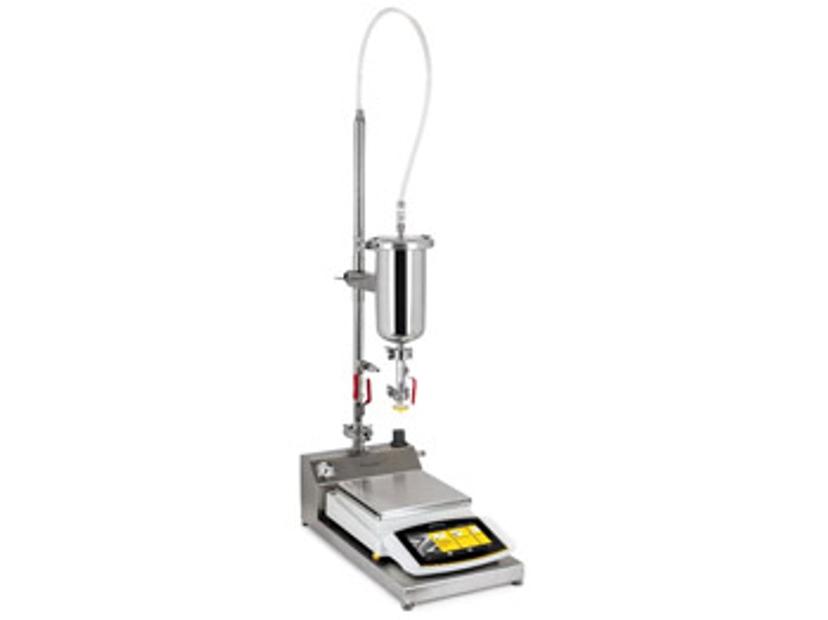
- Achieve fully automated calculation of FI
- Select calculations for wine by either French or Italian methods
- Easy-to-use
- Watch the video here >>
- Clarify and filter all types of wine, including the retention of all microorganisms
- Preserve the organoleptic character of wine
- Control filtration costs
- Aid compliance with standards and regulations
- Easy-to-use

3. Jumbo Star Filtration Systems
- High flowrate and large filtration capacity
- Multiple applications in all wines, beers, and other liquid products including particle retention and clogging index reduction
- Low energy consumption and zero classified waste
4. Sartocheck®mini Filter Integrity Tester

- Automatic verification of the integrity of membrane filters used in the food and beverage environment
- Pressure drop test and diffusion test (19 different test programs)
- Small and portable with LCD display
- Storage capacity for 200 test results
- Easy and reliable data transfer to PC
5. Zero-T Automated Filterability and Scale-up System
- Save time by optimizing filtration schemes and material compatibility, including final filter sizing
- Flexible set-up enables scale-up trials to be performed with flat or pleated filter elements
6. Check weighing of beverages
- QAPP006 software application for Sartorius Cubis II MCA balances
- Average weight control of packaged goods according to the 76/211/EEC
- Statistical evaluation of single samplings and cumulative lot statistics
Related products
Request Quote for All Products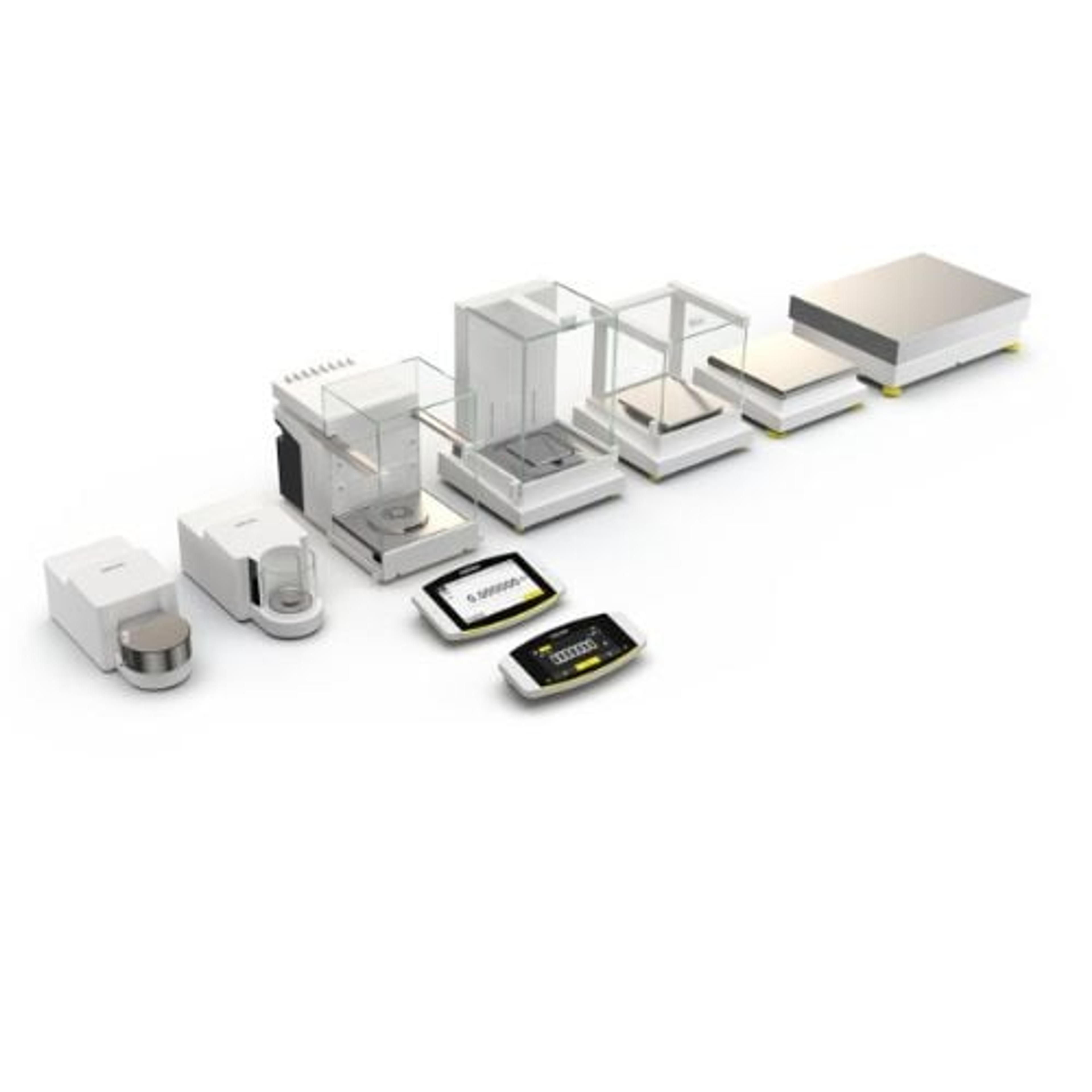
Cubis® II & Cubis® II Ultra-High Resolution Premium Lab Balances
Sartorius GroupWith completely configurable hardware, software, and connectivity, Cubis ® II and Cubis ® II High-Resolution offer a high-performance balance that will align with your unique demands and compliance requirements