Alternative protein drives a more sustainable food system

Elementar Americas explores the changing analytical requirements in the rapidly growing alternative protein industry

3 Aug 2023

Lawrence Howes
Editorial Assistant

Industry news

Webinar how alternative protein drives a more sustainable food system
The webinar 'How alternative protein drives a more sustainable food system' will take place on Thursday, September 14, 2023

Join the featured speakers for an enlightening interview-style webinar as they explore the fascinating world of alternative protein and its pivotal role in driving a more sustainable food system.

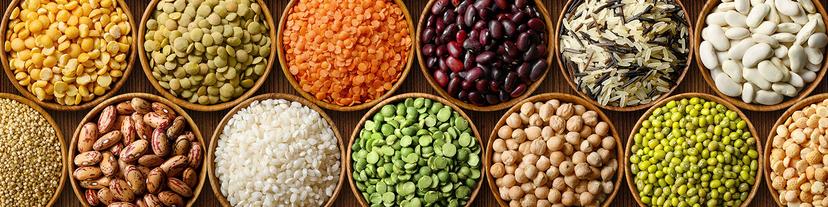
Discover the diverse range of alternative protein sources that are revolutionizing the food landscape and offering sustainable solutions to global challenges. Gain insights into the future of alternative protein with exciting advancements and innovations on the horizon. The esteemed panelists will delve into current trends, challenges, and opportunities that lie ahead in this dynamic industry.

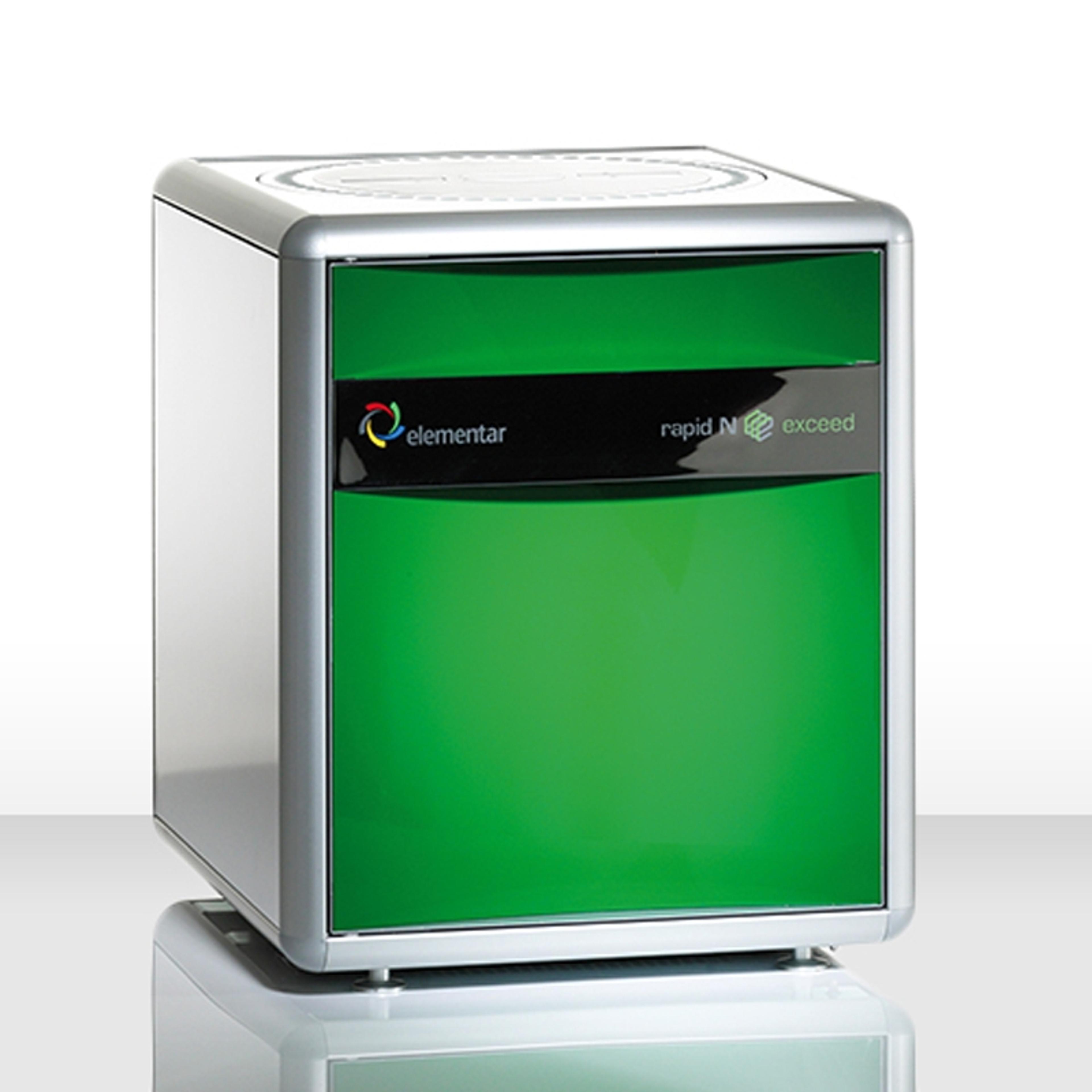
Uncover the role of protein analyzers and their contribution to the development and improvement of alternative protein products. Learn how these cutting-edge tools empower researchers and manufacturers to analyze protein content, enabling the creation of more sustainable and nutritious food options.

Don’t miss this opportunity to expand your knowledge with industry experts and engage in a thought-provoking discussion about the future of alternative protein. Reserve your spot now.


Register here


Want the latest science news straight to your inbox? Become a SelectScience member for free today>>

Links

Tags

Food and Beverage AnalyzersFood and Beverage Analyzers are commonly used to provide information about the chemical composition, structure and physical properties of food materials.Food and Beverage ProcessingFood and Beverage Processing involves the preparation of food products for further analysis. Typical instrumentation includes blanchers, color sorters, cookers, grinders, and refrigeration. These are used to replicate the processes commonly used in the commercial preparation of food and beverages.Particle CharacterizationParticle characterization instruments are used to determine particle size distribution, shape, surface area, zeta potential, density and porosity of particles and materials. Multiple tecchniques are available for determining particle size, shape and count including dynamic light scattering (DLS), laser diffraction, electrozone (Coulter technique), imaging particle analysis and single particle optical sensing. Determine the density of your material with a gas pycnometer or examine its surface area and porosity with gas adsorption analyzers and mercury porosimeters. Find the best particle characterization instruments in our peer-reviewed product directory: compare products, check customer reviews and receive pricing direct from manufacturers.Food QualityFood quality refers to the attributes of food that influence its safety, nutrition, and taste. Monitoring and ensuring food quality are essential in production to meet health regulations and consumer expectations. Techniques like spectroscopy, chromatography, and microbial testing are used to assess food properties and detect contaminants. Browse our peer-reviewed product directory to find food quality testing solutions; compare products, check reviews, and get pricing directly from manufacturers.Food IntegrityProtein BiologyThe analysis of protein expression, identity and function is vital for many areas of life science research and drug discovery. Some of the most commonly used techniques in protein analysis include Western blotting, electrophoresis and mass spectrometry.
Alternative protein drives a more sustainable food system